
European Roe Deer Shifted Between Forest and Open Ground as Risks Changed
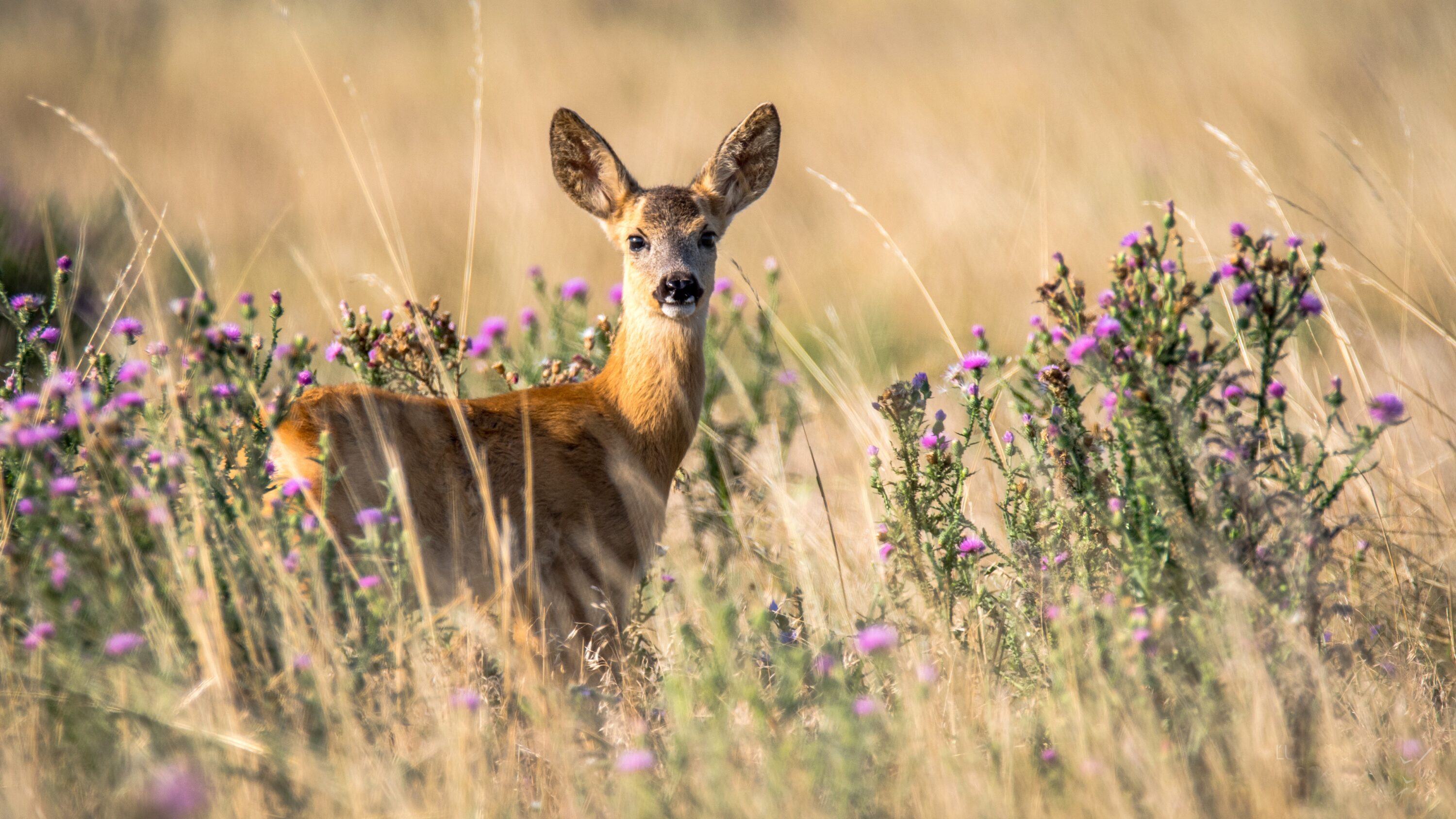
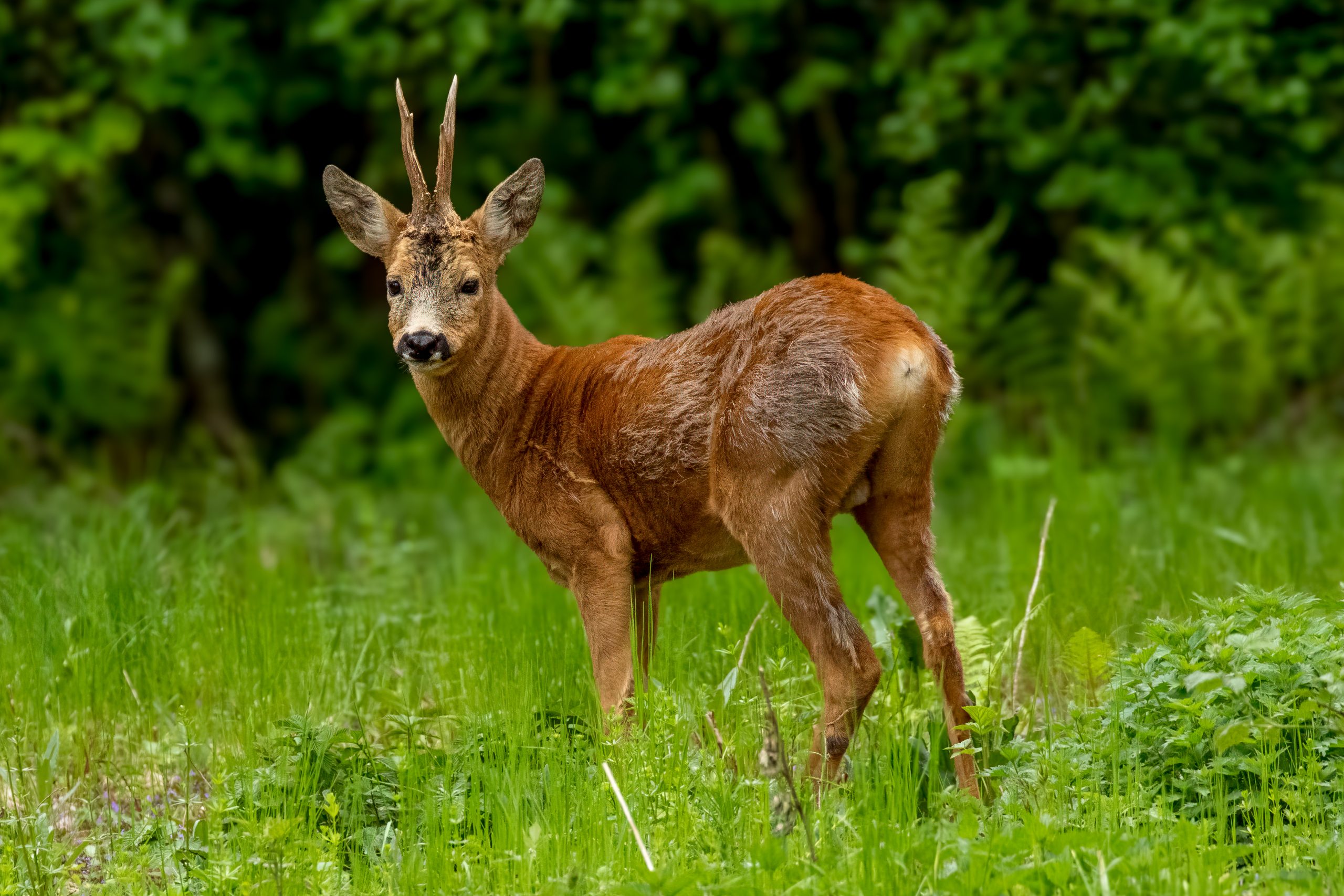
Movement data from 412 European roe deer (Capreolus capreolus) across Europe show that the animals adjust their use of open ground and forest according to time of day, season, human disturbance and the presence of Eurasian lynx (Lynx lynx). Across the 17 populations studied, lynx risk produced a more consistent habitat response than hunting did.
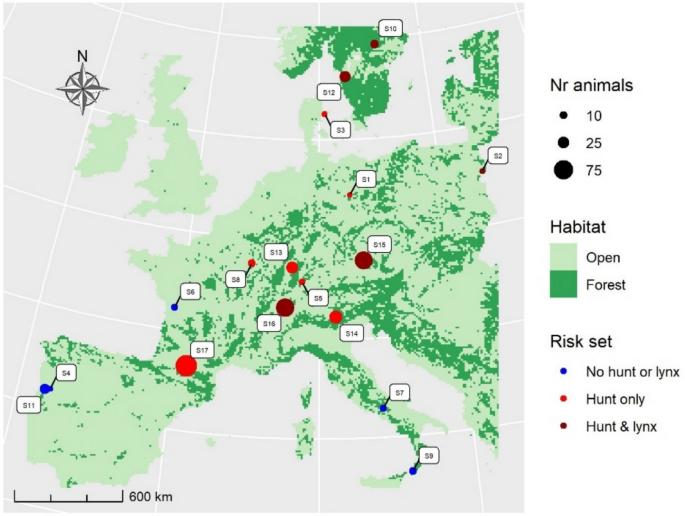
The international team combined tracking data from populations exposed to four different situations: neither hunting nor lynx, hunting only, lynx only, or both hunting and lynx. For each movement step, they compared where a deer actually went with alternative locations it could have reached. They also accounted for vegetation productivity and a Human Footprint Index summarising features such as settlement, roads and land use, allowing non-lethal human disturbance to be considered separately from hunting.
Across all risk situations, roe deer increasingly selected open habitat from daytime through twilight to night. Where neither hunting nor lynx occurred, animals clearly avoided open areas during the day, but this avoidance weakened around twilight and disappeared at night. The pattern was strongest where the human footprint was high: open habitats were used less during daylight, while the effect of human disturbance disappeared at night.
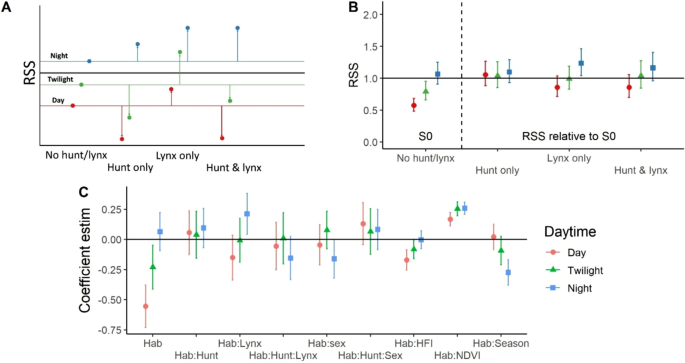
Greener open areas, measured with the satellite-based Normalized Difference Vegetation Index, were selected more strongly. This relationship was particularly pronounced at twilight and at night, when the animals could reach productive feeding areas with less exposure to daytime human activity.
Lynx changed when open ground was used
In populations exposed to lynx but not hunting, roe deer selected open habitat more strongly at night than animals in the no-lynx comparison. The authors relate this to the stalking strategy of Eurasian lynx, which depends on cover and is most effective in forest and along forest edges. Although lynx predation risk is greatest at night, shifting into more open ground may reduce the predator’s advantage from concealment while still giving roe deer access to forage.
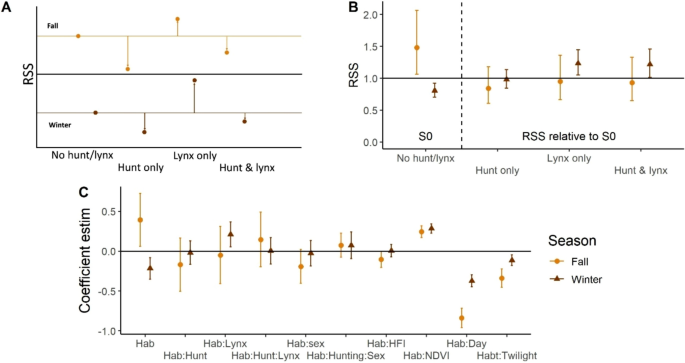
At the seasonal scale, roe deer generally selected open habitats in autumn and avoided them in winter. In the presence of lynx, however, they used open habitat more in winter than the comparison populations did. This shift may carry costs because forest provides winter refuge while food availability in open habitats is generally lower during winter.
Hunting alone produced no consistent habitat shift
Hunting alone did not produce a clear, consistent change in the selection of open habitats at any time of day or in either autumn or winter. The researchers do not conclude that roe deer fail to respond to hunters. Instead, responses may occur through changes in activity rather than habitat choice, and hunting methods and local landscapes varied substantially among sites.
Where both hunting and lynx occurred, the pattern was more similar to lynx-only populations than to hunting-only populations. The study therefore found no evidence that animals simply traded one lethal risk against the other in a uniform way across Europe.
The authors emphasise that habitat selection and daily activity should be considered together. Predictable differences in human and predator activity can create lower-risk periods in which European roe deer gain access to food-rich habitats that are more dangerous at other times, even as land-use intensification, fragmentation and the recovery of large predators make the risk landscape more complex.
Ecology
Related news
Roe Deer and Wild Boar Remained Key Wolf Prey as Diet Shifted Across North-western Italy
From 2021 to 2025, wolves in north-western Italy continued to feed mainly on wild prey. In the Po…
Read story →
Estimated M. bovis Seroprevalence Was 26.6% in Exmoor Red Deer
A survey of 432 wild deer in the Exmoor area estimated Mycobacterium bovis seroprevalence at 26.6% in red…
Read story →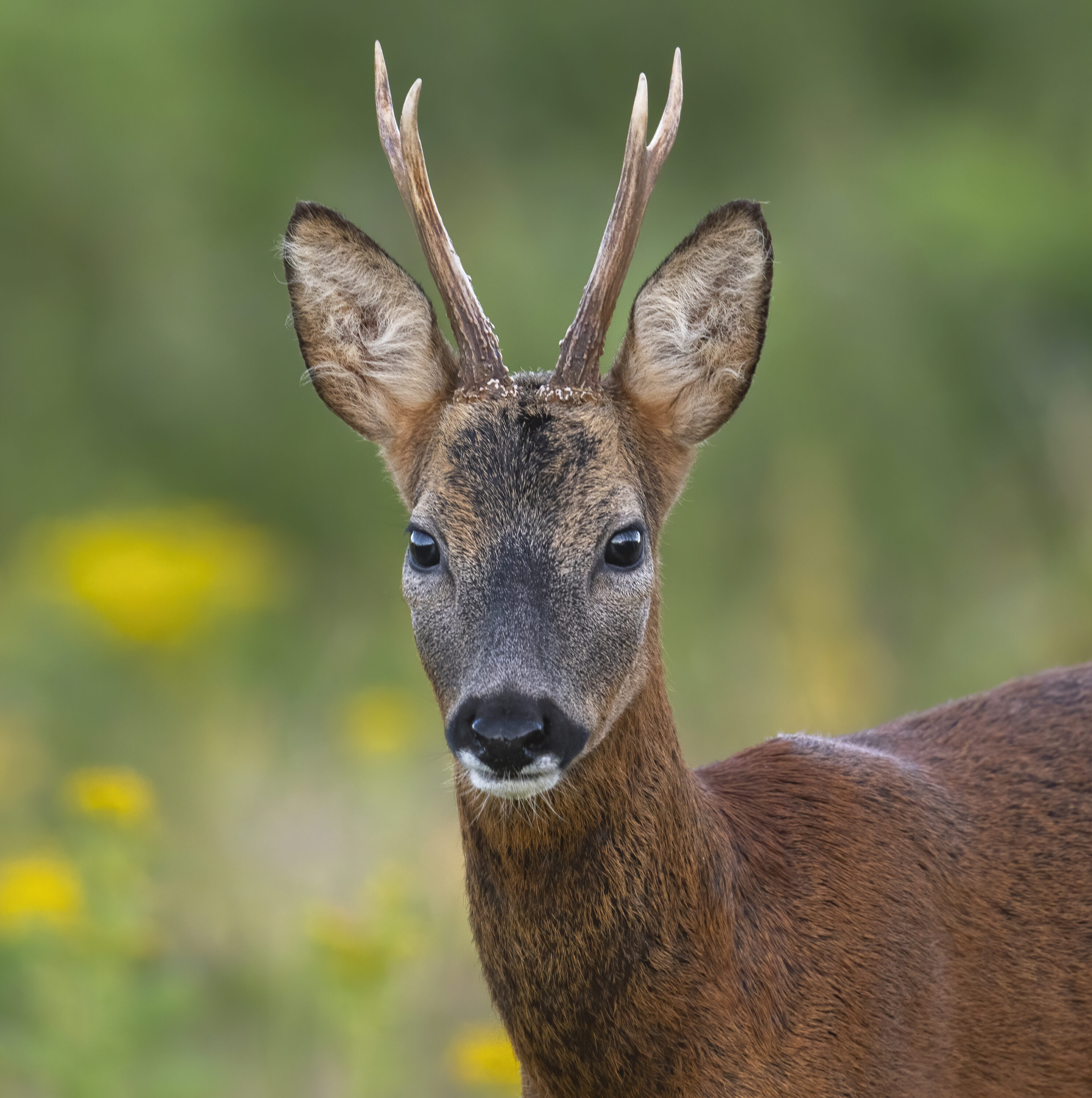
Roe Deer in Similar Scottish Habitats Had More Similar Diets
DNA metabarcoding from 198 Scottish roe deer found that study site explained about 18% of dietary variation, while…
Read story →SPECIES IN THIS STORY
Species in this story
Independent research and conservation news archive
Did you find this information useful?
Wildlife Vagabond is independently built and maintained. Voluntary support helps cover source verification, hosting and continued work on research and conservation news.
Support Wildlife VagabondThe news archive will remain freely available.