
Two Rooks Changed Their Vocal Timing With Rhythmic Sounds but Did Not Match the Beat
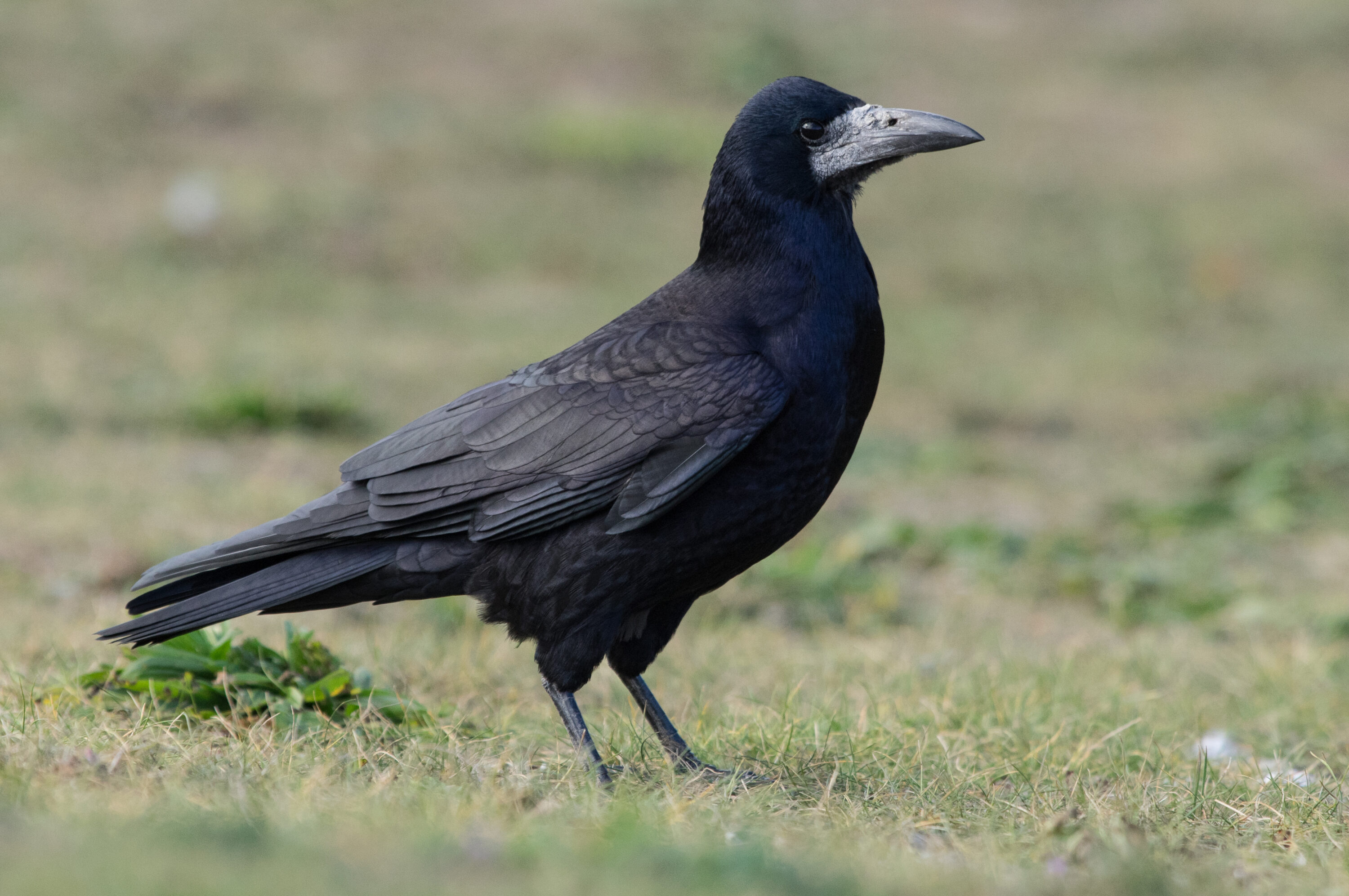
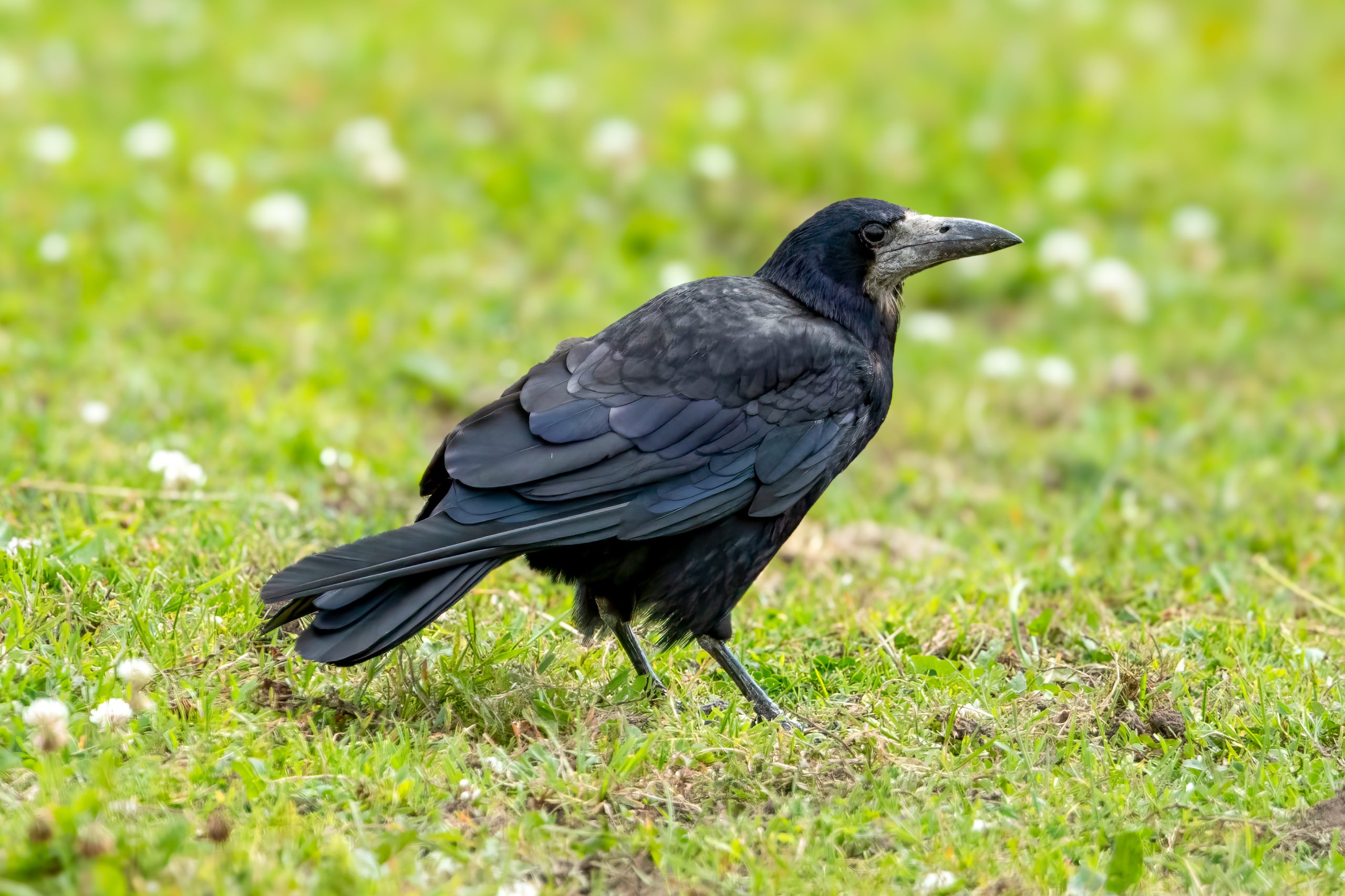
A 2026 experiment found that individual rooks (Corvus frugilegus) could alter parts of their vocal timing when exposed to rhythmic sound sequences that were not biologically meaningful to them, although the birds did not precisely match the beat. The study tested spontaneous responses rather than training the birds to synchronise.
Researchers worked with 11 adult rooks housed in an outdoor aviary in Strasbourg, France. The birds had originally been taken from wild colonies around Strasbourg as juveniles and hand-raised. During trials, a bird could voluntarily approach a small “sound shower” that played sequences built from running-water or toy-drone sounds. The sequences varied across four tempos and three metrical patterns.
Only three birds provided enough data for broad comparison
Eight of the 11 birds sang while listening to the stimuli, but only three produced enough responses for analysis across most tempos and rhythmic patterns. Two of those three showed clear condition-specific changes. One bird produced shorter vocalisations at slower tempos, while another shortened the intervals between vocalisations during a slow, evenly pulsing sequence. None of the birds aligned the onset of their calls precisely with the beat.
The authors therefore describe the results as evidence of vocal flexibility rather than demonstrated rhythmic entrainment. They note that the birds were not conditioned or rewarded for matching the sounds, so the changes arose spontaneously during voluntary participation in the trials.
Behaviour
Related news
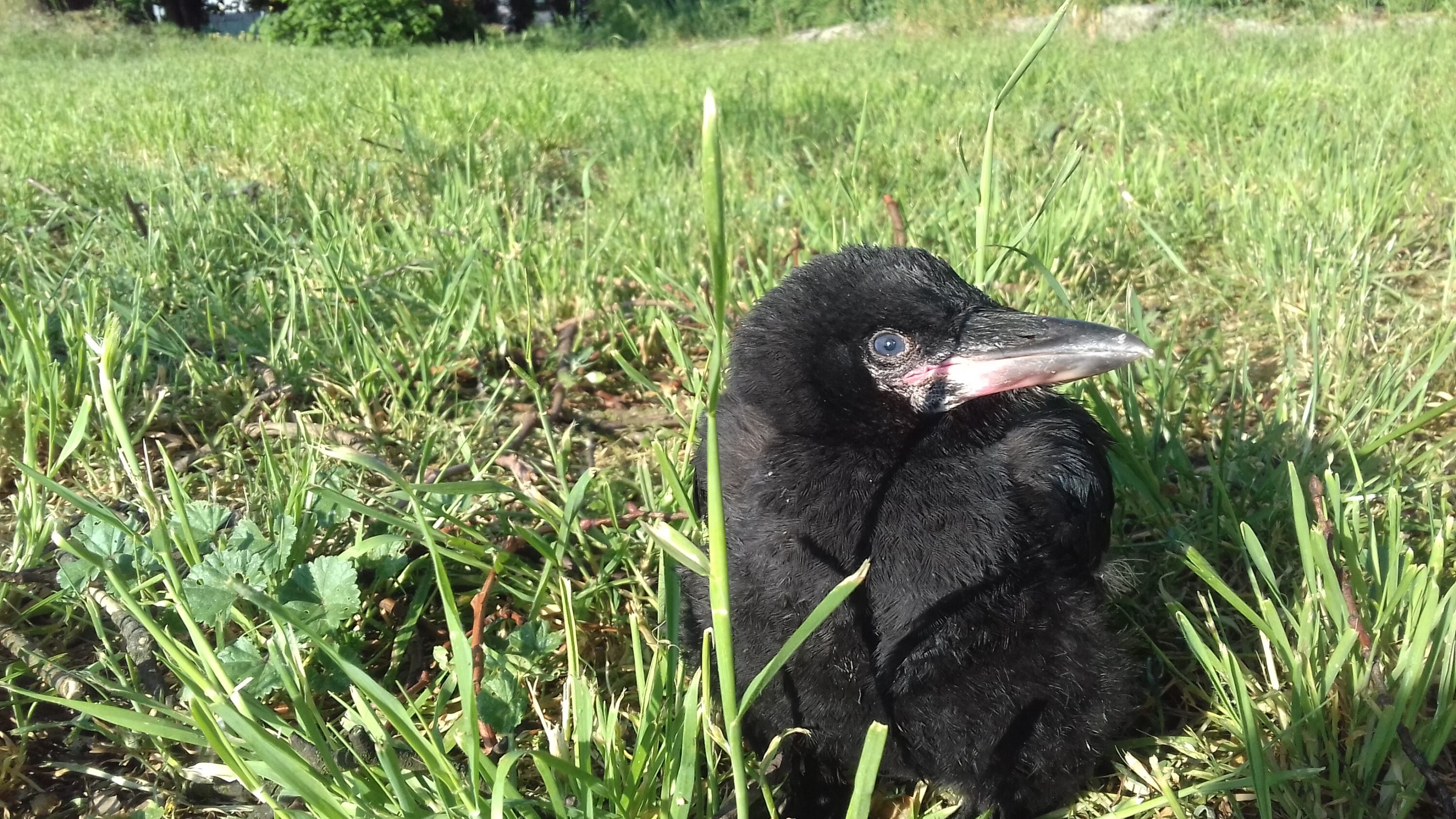
Rook Hind Limbs Grew Fastest Before Hatching, Forelimbs During Most Nestling Development
Measurements from rook embryos and nestlings revealed four shifts in body proportions: hind limbs had the highest relative…
Read story →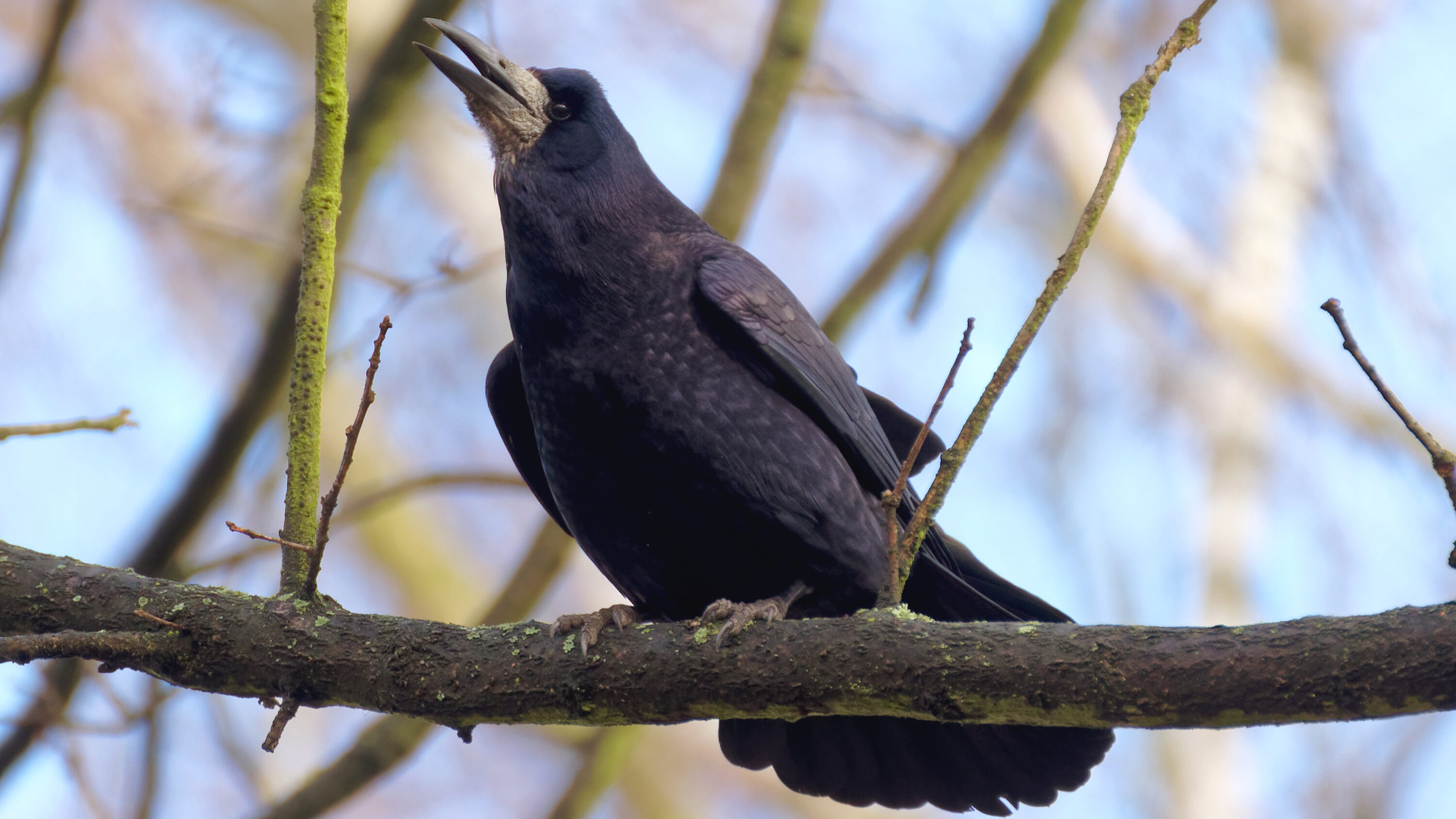
Rook Breeding Numbers Fell 42–62% in Several Regions of Northern and Western Poland
Surveys across northern and western Poland counted 26,318 occupied rook nests, while comparable regional datasets showed declines of…
Read story →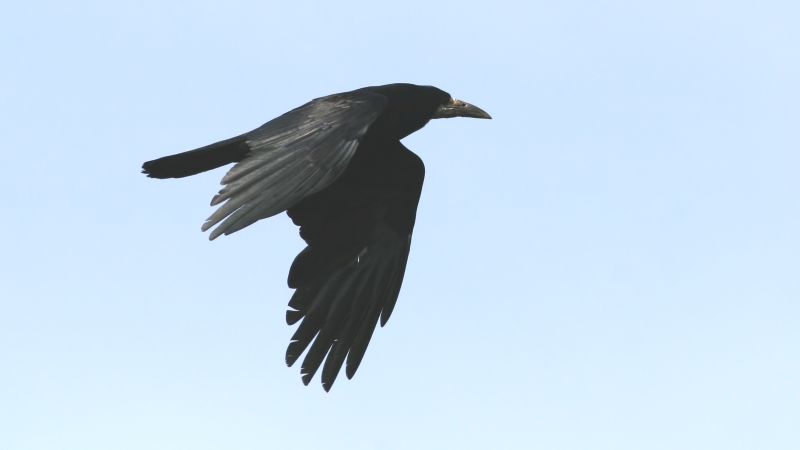
Wintering Eastern Rooks in Korea Shared Broadly Overlapping Breeding Origins
Stable isotopes and mitochondrial DNA indicated that eastern rooks wintering at four South Korean sites came from broadly…
Read story →SPECIES IN THIS STORY
Species in this story
Independent research and conservation news archive
Did you find this information useful?
Wildlife Vagabond is independently built and maintained. Voluntary support helps cover source verification, hosting and continued work on research and conservation news.
Support Wildlife VagabondThe news archive will remain freely available.