
Large Lodges Were Linked to Higher Faecal Glucocorticoid Metabolites in Serengeti Impalas
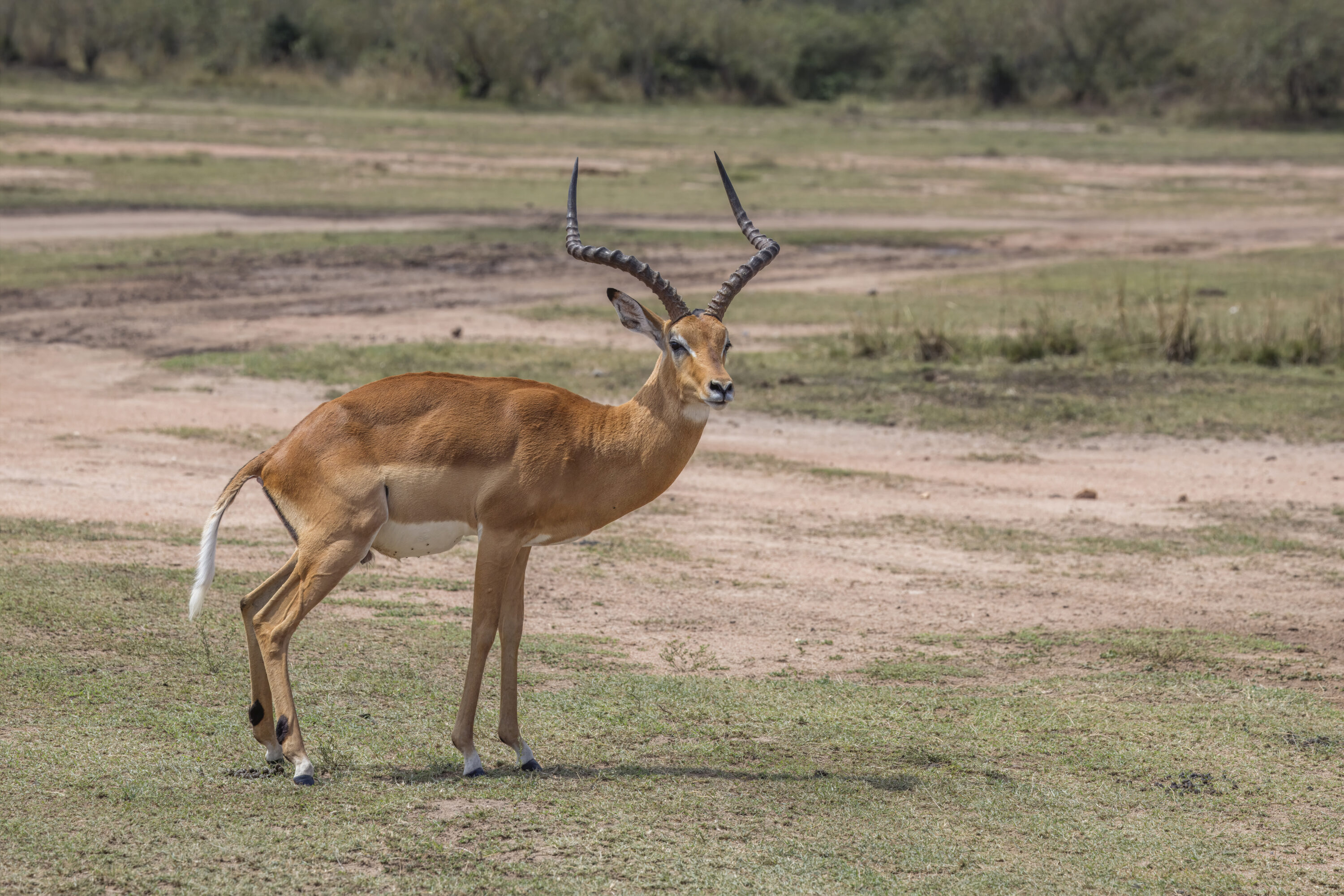
A 2026 study of free-ranging impalas (Aepyceros melampus) in Serengeti, Tanzania National Park found higher levels of faecal glucocorticoid metabolites near large permanent lodges than near permanent tented camps or seasonal campsites. The modelled difference remained at zero tourist occupancy, showing that the association with large lodges was not explained by visitor numbers alone. The study did not identify which features of the infrastructure were responsible for the higher faecal glucocorticoid-metabolite levels.
Researchers collected 213 fresh faecal samples from individually observed impalas in January and February 2025, during the Serengeti wet season. The samples came from 39 males and 174 females. Faecal glucocorticoid metabolites provide a non-invasive measure of adrenal activity and were analysed using a validated enzyme immunoassay.
The researchers compared impalas around three types of accommodation: permanent lodges, permanent tented camps and seasonal campsites. They also accounted for tourist occupancy, vegetation quality, land-surface temperature, time of day, group size, behaviour and age group. Impalas around the large lodges had significantly higher glucocorticoid-metabolite concentrations than animals near the smaller forms of accommodation.
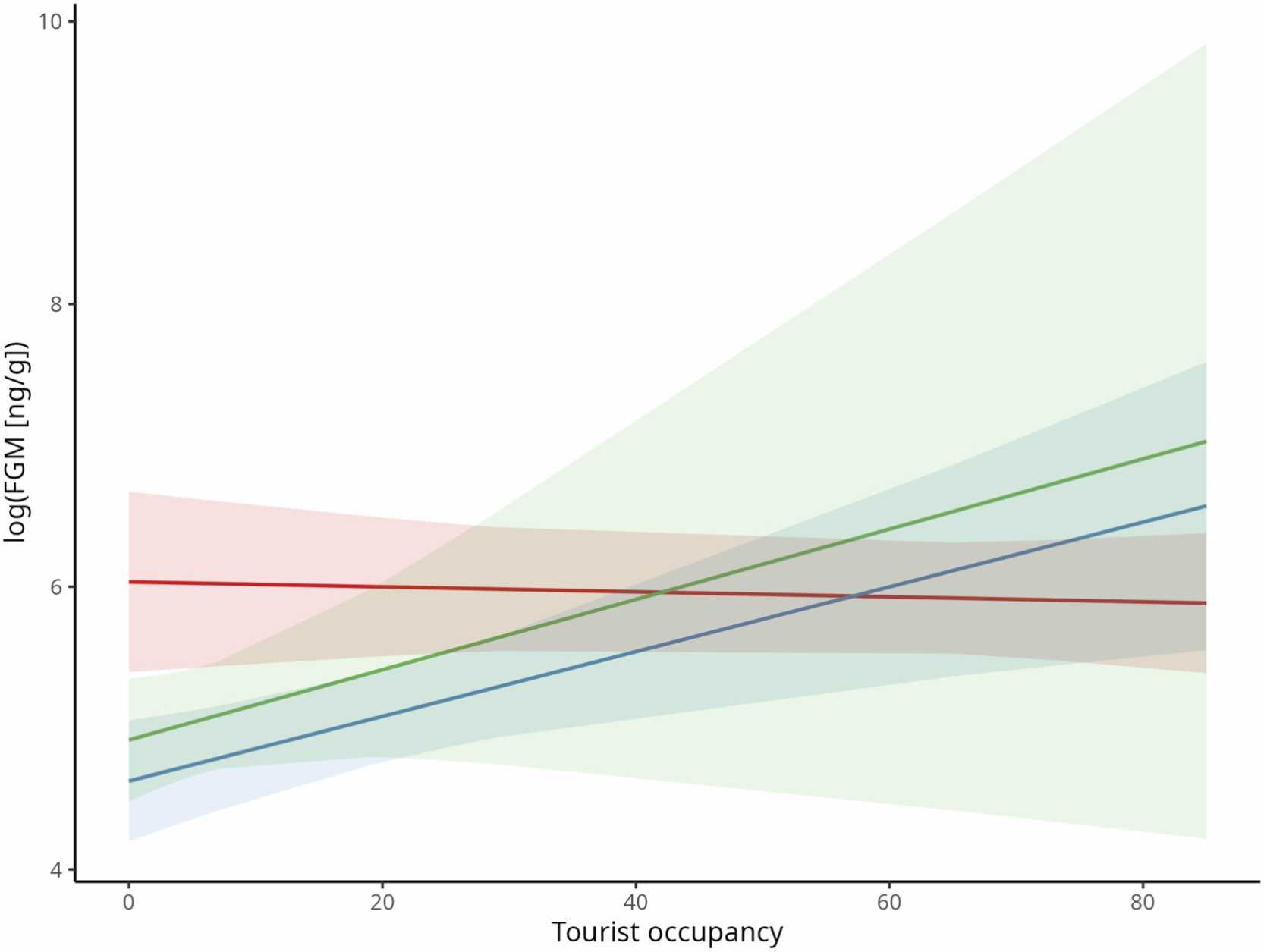
Large lodges were linked to higher glucocorticoid-metabolite levels even at zero tourist occupancy
The model showed that lodges had a high baseline association with stress-marker levels even at zero tourist occupancy. The authors therefore argue that infrastructure itself — not only the immediate presence of visitors — deserves attention when tourism facilities are planned in protected areas. They call for further research to identify which features of large facilities produce the strongest physiological responses.
Greener vegetation was linked to lower glucocorticoid-metabolite levels
Environmental conditions mattered as well. Glucocorticoid-metabolite levels decreased as NDVI, a satellite-based measure associated with greener and more productive vegetation, increased. The authors interpret this negative relationship as evidence that better forage quality can buffer physiological stress.
Because samples were collected during a single wet-season period, when vegetation was generally productive, the authors recommend longer-term work to examine how these relationships vary through the year. They conclude that tourism planning should consider both visitor numbers and the scale and design of permanent infrastructure when balancing conservation with tourism revenue.
Physiology
Related news
Faecal egg counts missed many nematode infections in African ungulates
In Kruger National Park, egg counts in faeces often detected fewer infections than counts of adult worms recovered…
Read story →
Food Leaves Its Mark on the Gut Bacteria of Kruger’s Wildlife
Gut bacteria in nine mammal species from Kruger National Park followed clear patterns linked to food and digestion.…
Read story →
First Reported Giardia Detections in Four Wild Herbivore Species in Kenya
Molecular screening of wildlife and livestock in Laikipia produced the first reported Giardia detections in African buffalo, plains…
Read story →SPECIES IN THIS STORY
Species in this story

Independent research and conservation news archive
Did you find this information useful?
Wildlife Vagabond is independently built and maintained. Voluntary support helps cover source verification, hosting and continued work on research and conservation news.
Support Wildlife VagabondThe news archive will remain freely available.