
Simple Route Averaging Was Sufficient to Reproduce Collective Improvements in Homing Pigeons
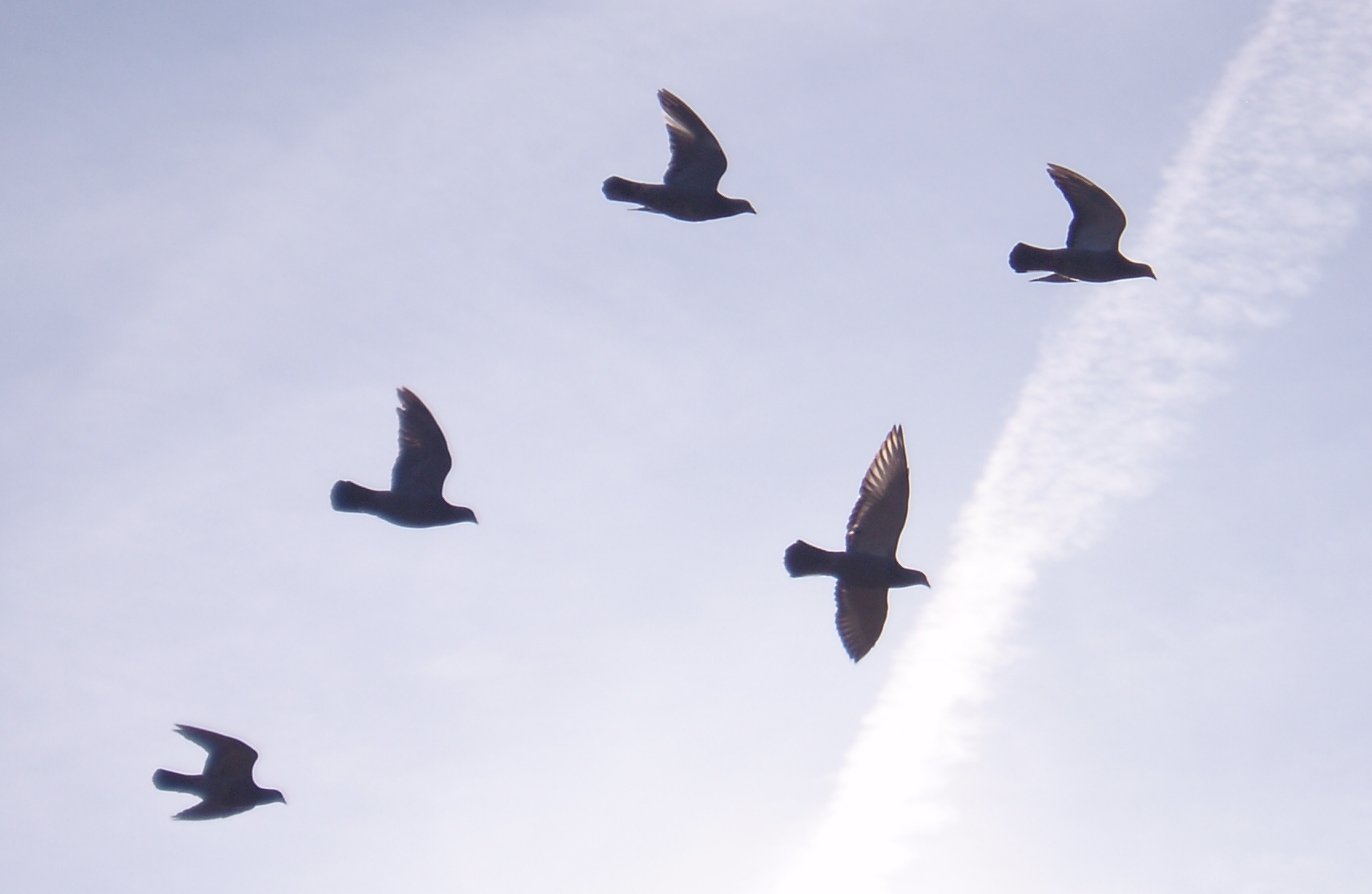
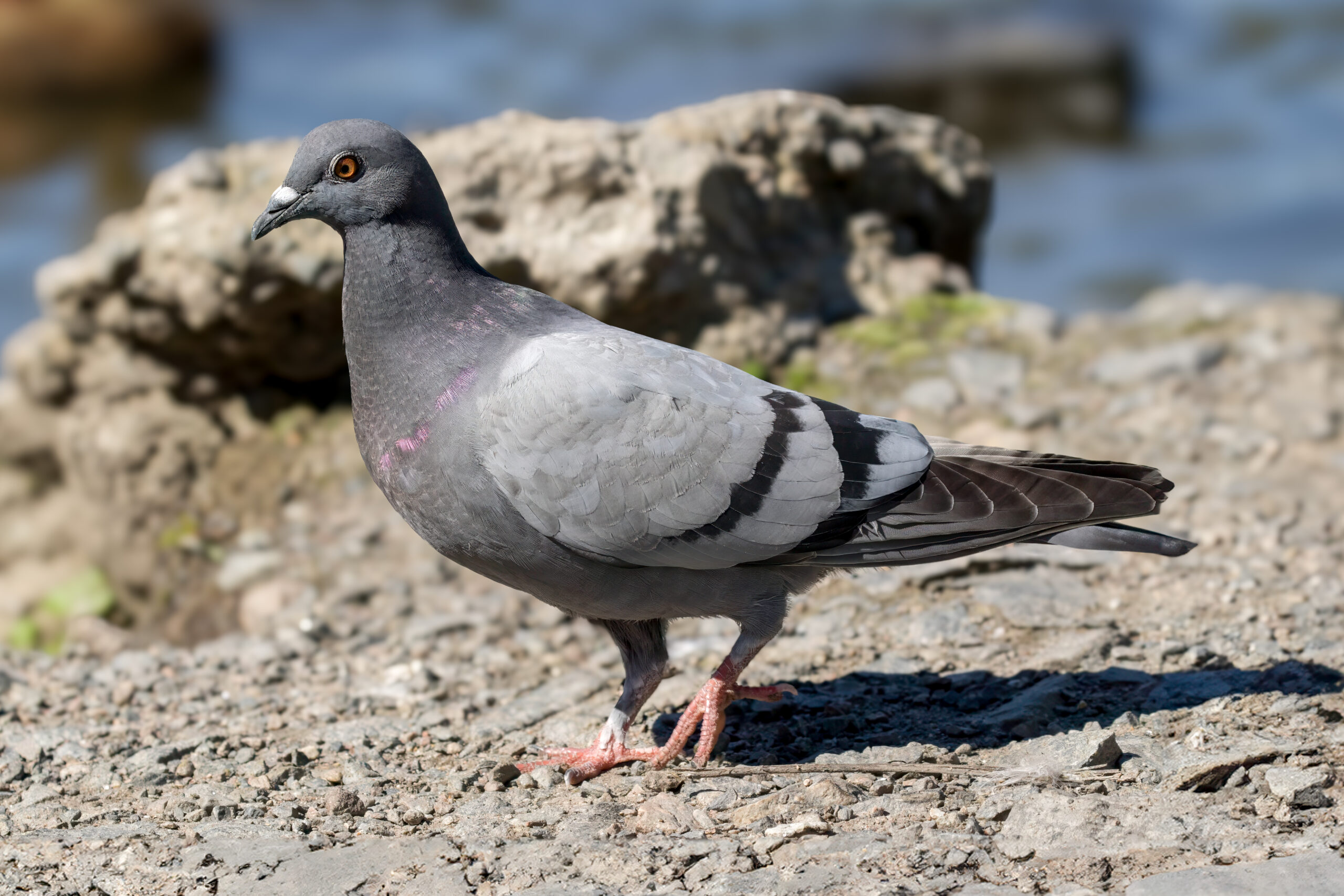
A UK modelling study of collective navigation suggests that homing pigeons, domesticated forms of the rock dove (Columba livia), may not need a complicated social strategy to improve a route across successive groups. By reanalysing GPS trajectories from an earlier experiment, researchers found that simply averaging the preferred routes of two birds could closely reproduce the cumulative improvement observed when experienced and inexperienced pigeons repeatedly flew home together.
The study was published as the Version of Record in eLife on 26 May 2026. It revisited a 2017 experiment in which pigeons flew home from a release site 8.6 km from their loft. The experimental chains lasted five successive experimental generations, with 12 releases in each. Here, a “generation” means one replacement step in the chain, not a biological generation of parents and offspring. An experienced bird was repeatedly paired with a new inexperienced partner, and the partner that gained experience then continued into the next generation.
Earlier chains became more efficient over generations
In the original experiment, these sequential pairs ended with shorter, more direct homeward routes than pigeons that flew alone or remained with the same partner throughout the experiment. This had been interpreted as a form of cumulative improvement in which information could be socially transmitted and refined across generations.
The 2026 study asked what minimum decision-making mechanism would be sufficient to reproduce that pattern. The researchers built artificial chains from the solo birds’ GPS trajectories and tested seven possible strategies that differed in how much information one pigeon would need about its partner’s experience or route quality.
The simplest strategy matched the data closely
The model that best matched the combined experimental patterns was also the cognitively simplest: equal route averaging. Under this strategy, the two pigeons did not need to know which bird was more experienced or which individual route was better. Their preferred trajectories were simply given equal weight, and the resulting shared route became the experienced bird’s route for the next experimental generation. This does not mean that pigeons literally calculate a mathematical average in flight; it shows that a trajectory-level averaging rule is sufficient to reproduce the observed group pattern without adding a mechanism for recognising expertise.
A more selective strategy in which only the better route was passed onward did not improve the match to the experimental results. Other mixed strategies could theoretically generate even greater route efficiency, but the authors found that these were not supported by the observed pigeon data.
The study changes the interpretation of how the earlier collective improvement may have arisen. Rather than requiring pigeons to recognise expertise and deliberately preserve the best route, the authors show that cumulative route improvement can emerge from a much simpler process in which individual biases are averaged through repeated social pairing. The work therefore links pigeon navigation with a broader question in animal behaviour: how complex group-level outcomes can arise from relatively simple individual rules.
Behaviour
Related news
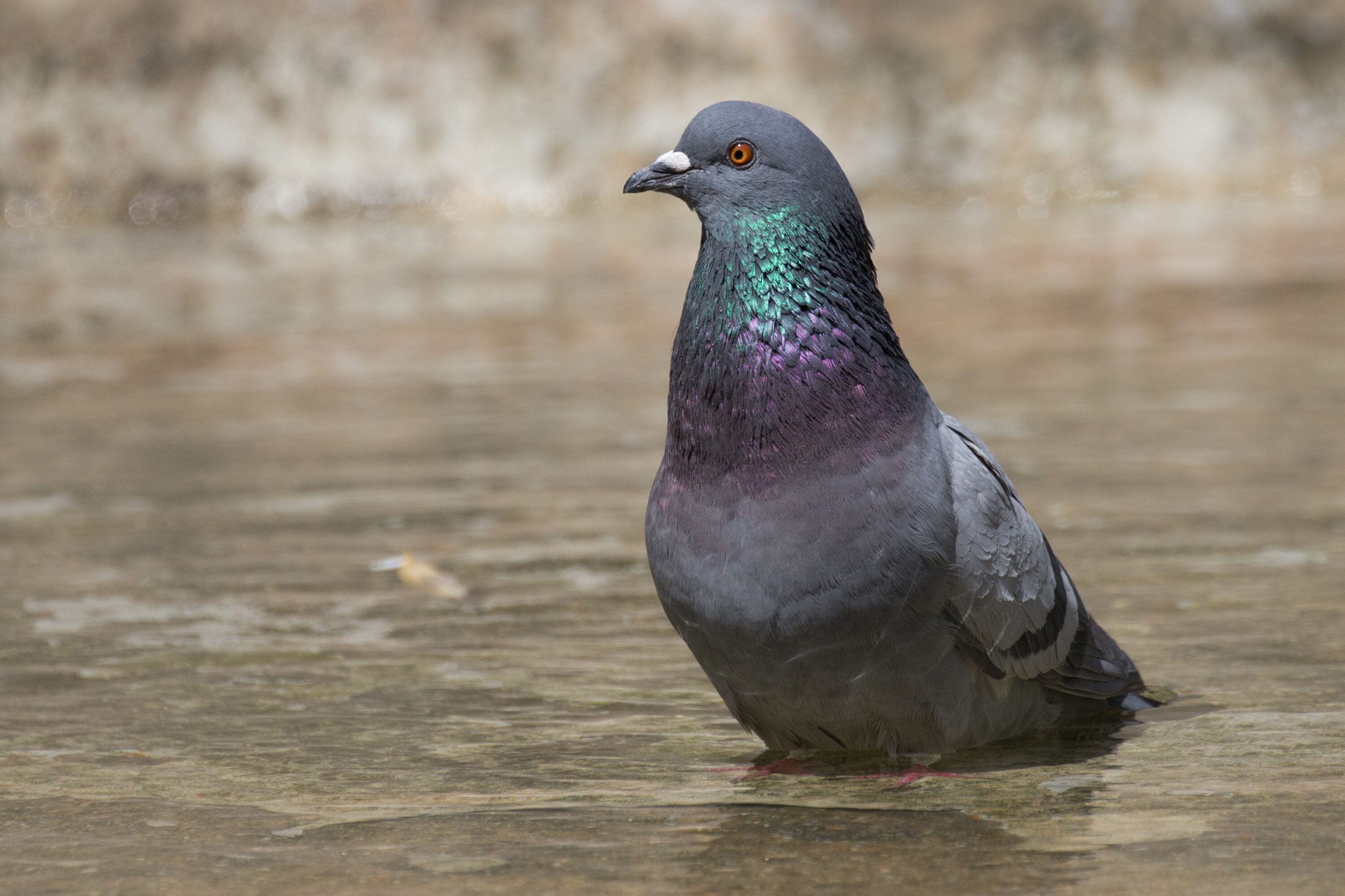
Rock Doves Preferred Predictive Information Despite a Lower Food Payoff
Seven rock doves preferred an informative option that paid on 20% of trials over a non-informative option that…
Read story →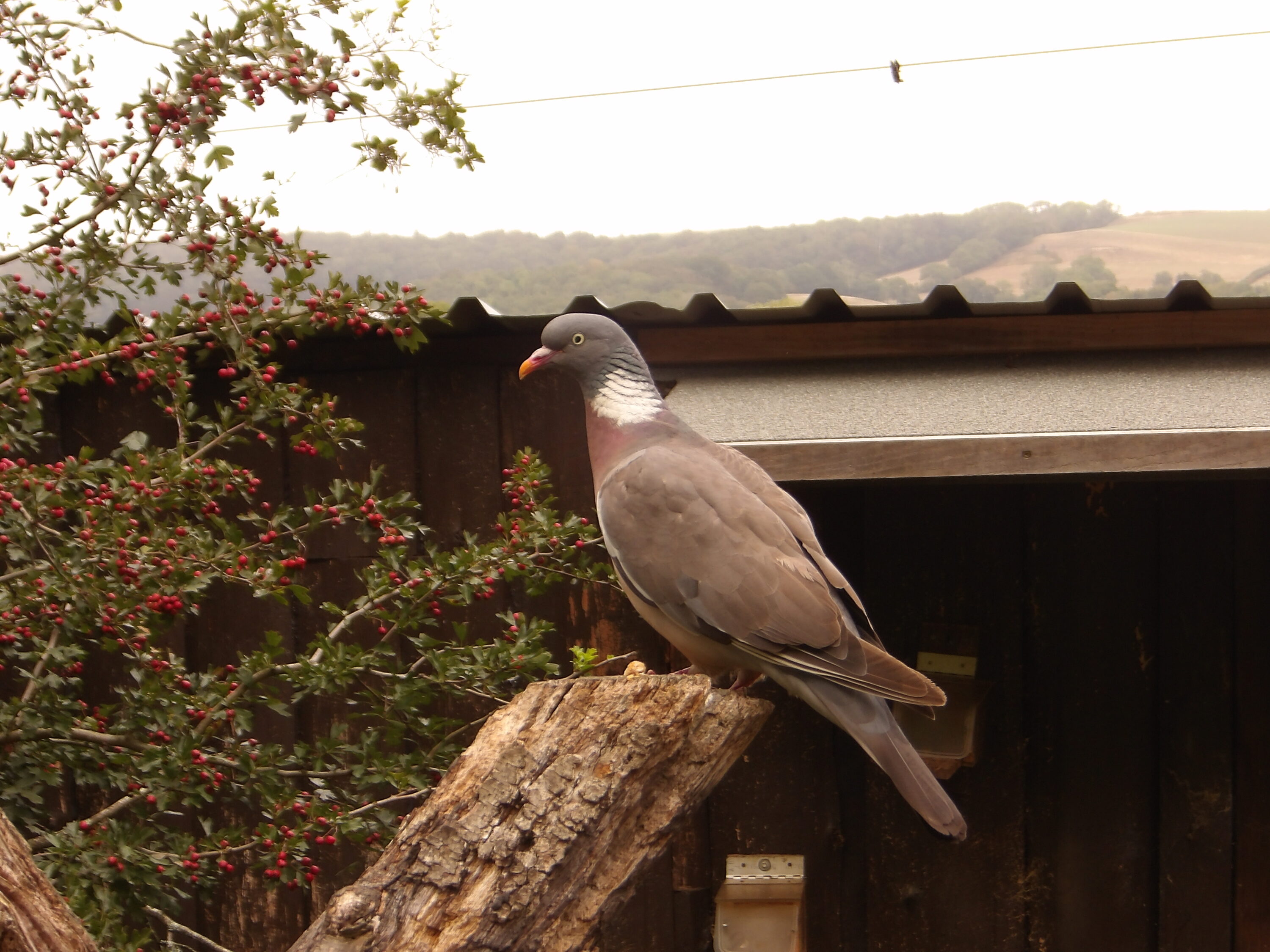
Rotavirus A Antibodies Were Common in Feral Pigeon Samples but Rare in Wood-Pigeon Samples in Germany
A German study detected rotavirus A-reactive antibodies in 79.2% of free-ranging feral pigeons and 77.0% of domestic pigeons,…
Read story →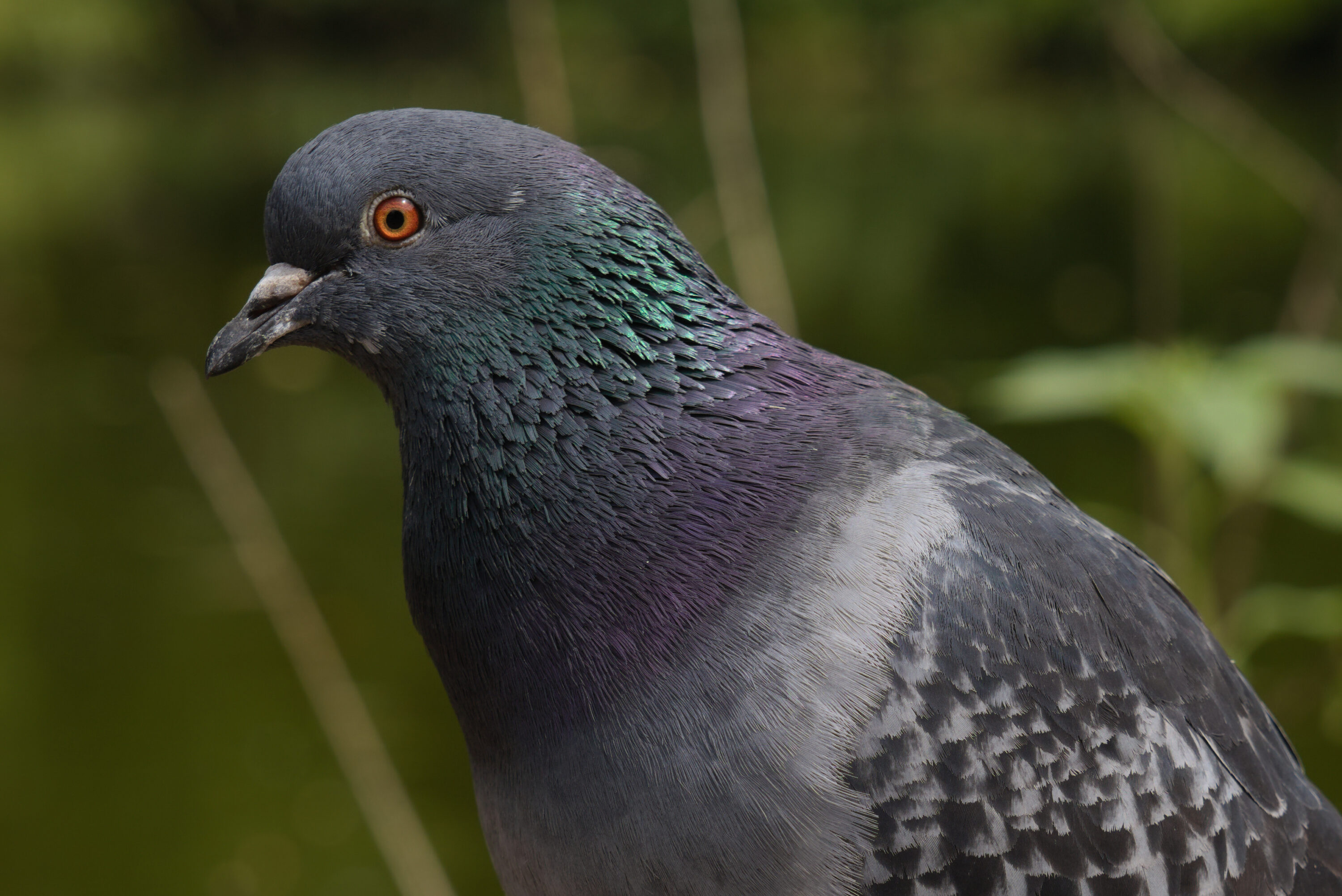
New Shiqi Pigeon Genome Placed 97.8% of Its Sequence on 41 Chromosomes
A chromosome-level genome from a female Shiqi pigeon in Zhongshan, China spans about 1.24 billion DNA bases, places…
Read story →SPECIES IN THIS STORY
Species in this story
Independent research and conservation news archive
Did you find this information useful?
Wildlife Vagabond is independently built and maintained. Voluntary support helps cover source verification, hosting and continued work on research and conservation news.
Support Wildlife VagabondThe news archive will remain freely available.