
Site-Specific Thresholds Improved Robin Detection Precision by 15–29 Percentage Points
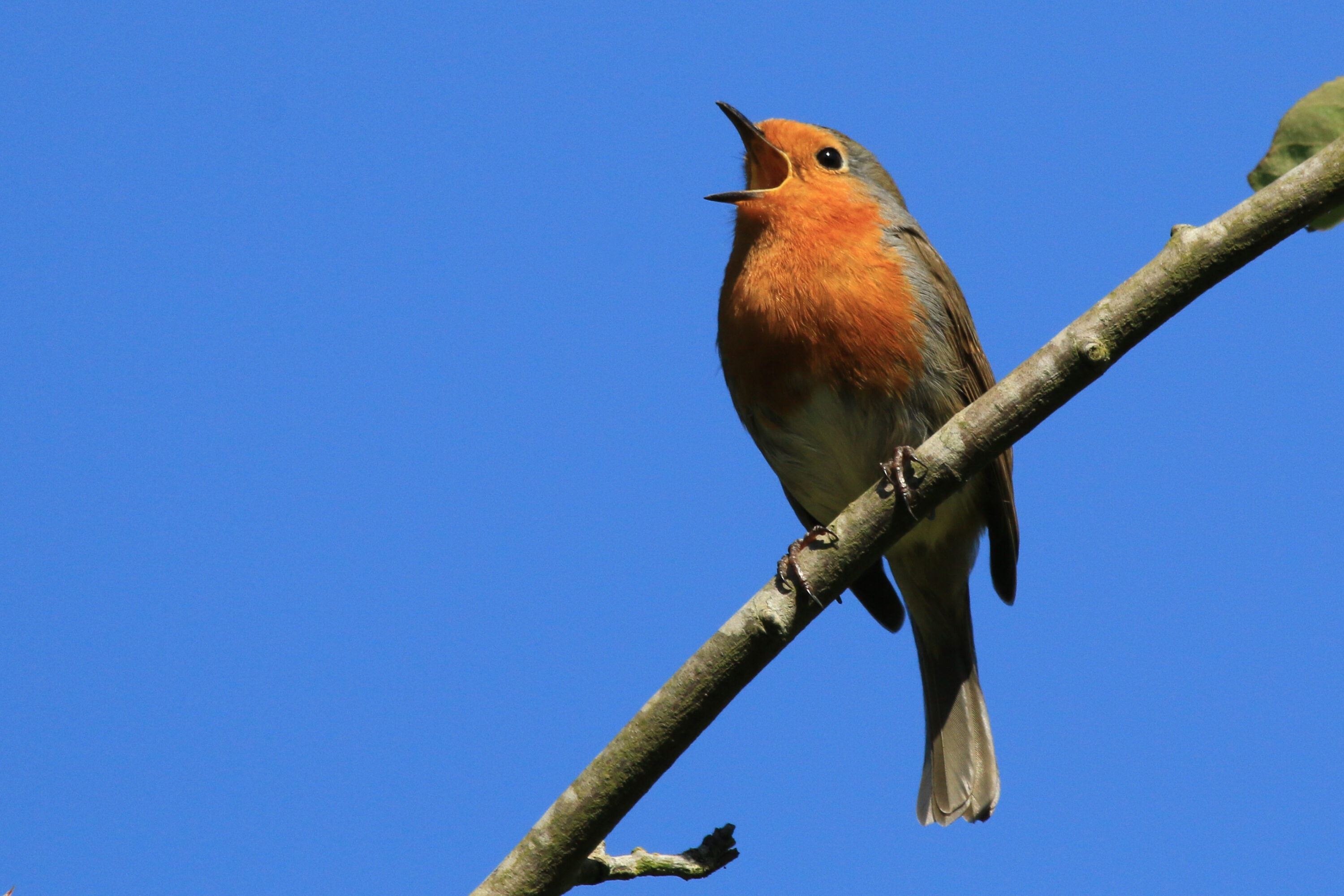
A machine-learning workflow using European robin (Erithacus rubecula) recordings improved the precision of automated bird-vocalisation detection across three British study sites. The protocol, published on 11 April 2026, combines automated detections with manual validation and logistic regression to calculate confidence-score thresholds tailored to the target species and, when necessary, to individual locations.
The researchers used passive acoustic recordings from a park in Liverpool, a site in the Cairngorms and a suburban site in Glasgow. Instead of applying the same default confidence threshold everywhere, they first checked a sample of detections manually and used those results to model how detection confidence was related to the probability that a recorded sound was genuinely a robin vocalisation.
Precision increased at all three sites
Applying the resulting thresholds substantially improved detection precision. With no overlap between analysed audio windows, precision rose from 66.6% to 92.7% at Liverpool, from 82.3% to 100% in the Cairngorms and from 72.3% to 89.3% in suburban Glasgow — gains of 26.1, 17.7 and 17 percentage points, respectively. With two seconds of overlap after threshold optimisation, final precision was 95.3% in Liverpool, 99.2% in the Cairngorms and 87.3% in Glasgow, corresponding to gains of 28.8, 16.9 and 15 percentage points relative to the initial default run. The 90% target was therefore reached at Liverpool and Cairngorms, but not at the acoustically more difficult Glasgow site.
The differences among sites are central to the method. Background sounds, local bird communities and recording conditions can alter the proportion of false detections produced by an automated classifier. At the Glasgow site, song thrush songs, introductory phrases of blue tit songs, rustling and rain were among the sounds misclassified as robin vocalisations, sometimes even at high confidence scores. The protocol therefore uses a statistical threshold derived from validated local recordings rather than assuming that one fixed confidence score will perform equally well everywhere.
Higher thresholds also create a trade-off. They remove many false positives, but some manually confirmed robin vocalisations fall below the new threshold and are lost, reducing recall — the proportion of true vocalisations that are detected. The overlap setting created a second trade-off: at Glasgow and Cairngorms, zero-second overlap gave higher precision but fewer detections, whereas two-second overlap recovered more detections at the cost of more false positives. The authors therefore present threshold optimisation as a practical balance between precision and recall rather than a way to make automated detection error-free.
A method for handling large acoustic datasets
Passive acoustic monitoring can collect far more audio than researchers can feasibly inspect by hand. The 2026 paper presents its robin case study as a reproducible workflow for converting large volumes of automated detections into a higher-quality annotated dataset while retaining manual validation as a quality-control step.
This is primarily a monitoring-method study rather than a study of robin vocalisation biology. Its contribution is a tested way to improve how confidently robin vocalisations can be extracted from large acoustic datasets, potentially making subsequent ecological analyses faster and more reliable.
Other research
Related news
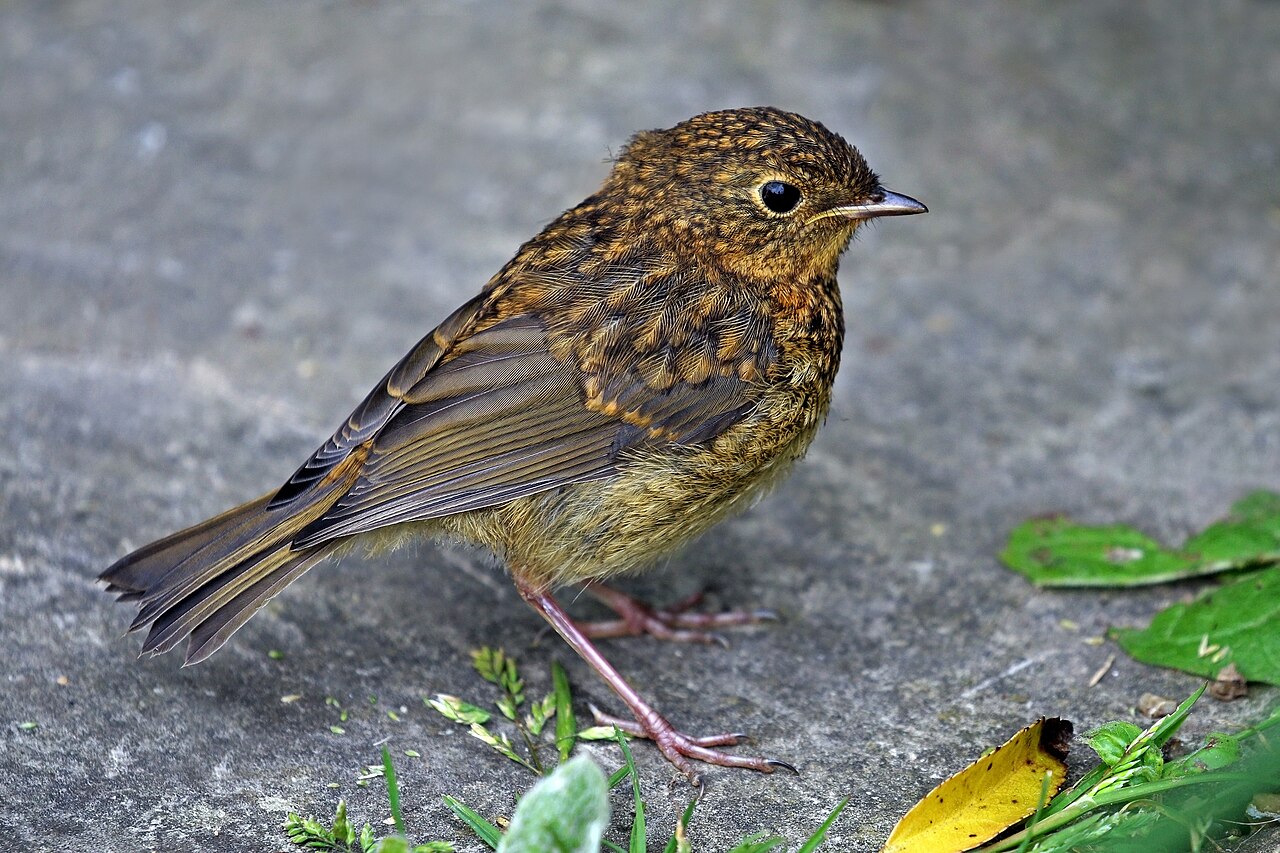
Shorter Days Altered Migratory Restlessness in Juvenile Robins but Not Garden Warblers
In a Lund experiment, juvenile robins exposed to a southern-France photoperiod showed a weaker rise in nocturnal migratory…
Read story →
European Robin Retina Study Mapped Transducin Subunits and Found No Gtγ10 in Photoreceptors
A molecular study of retinal tissue from European robins captured near Oldenburg, Germany, mapped the transducin subunits present…
Read story →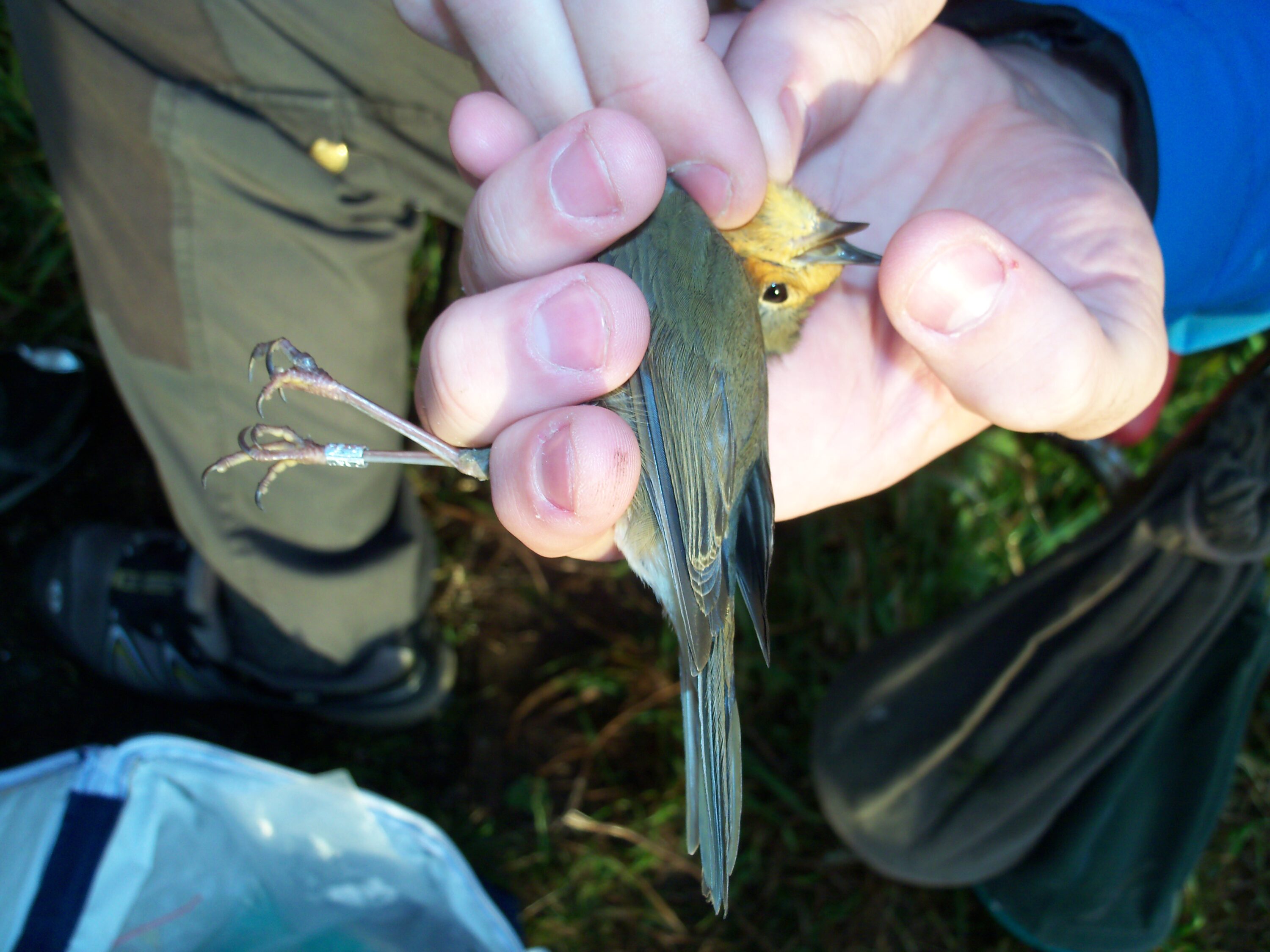
Early-Migrating Robins Carried More Ticks Than Late Migrants
Nearly half of 198 migrating European robins carried ticks, and early autumn migrants had significantly higher tick loads…
Read story →SPECIES IN THIS STORY
Species in this story
Independent research and conservation news archive
Did you find this information useful?
Wildlife Vagabond is independently built and maintained. Voluntary support helps cover source verification, hosting and continued work on research and conservation news.
Support Wildlife VagabondThe news archive will remain freely available.