
Sixteen New DNA Markers Produced Genotypes From Red Squirrel Hair in Southern France
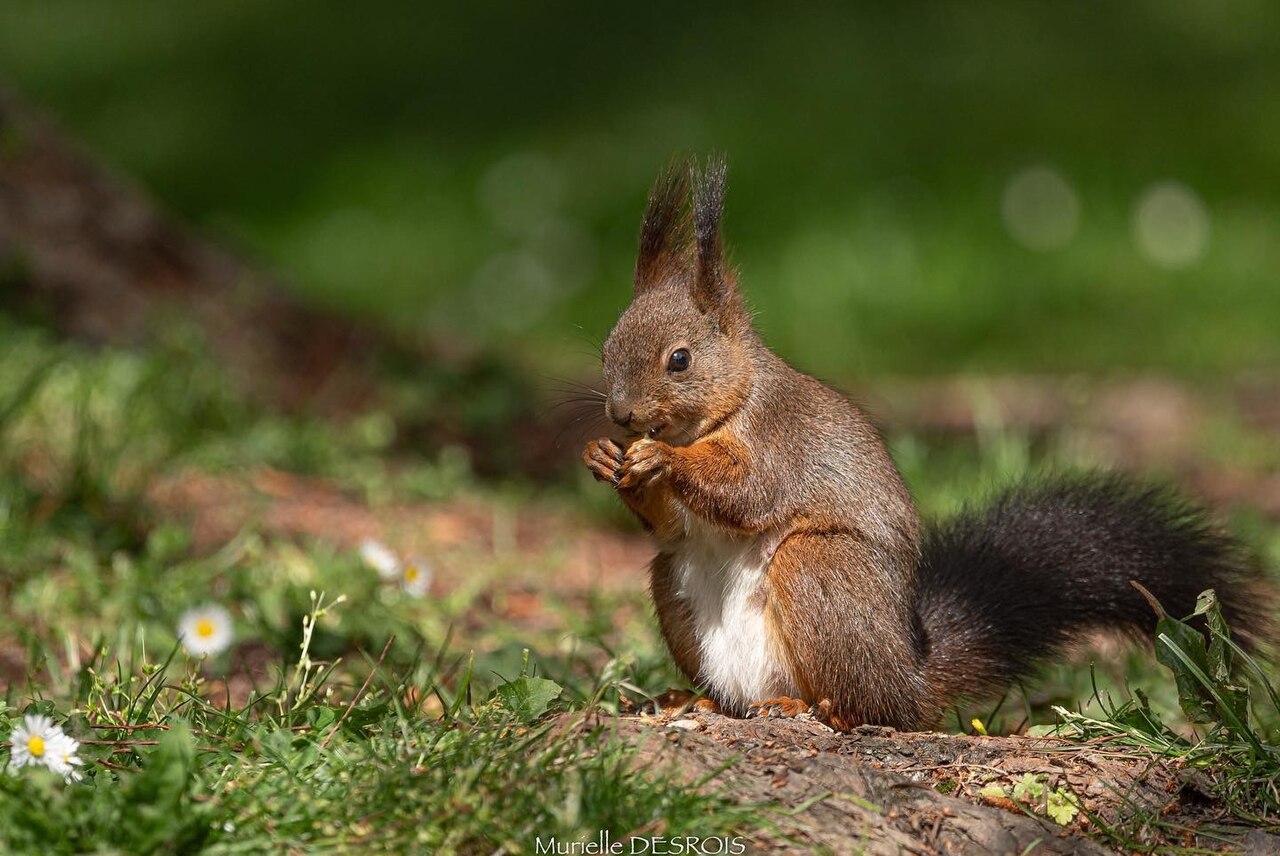
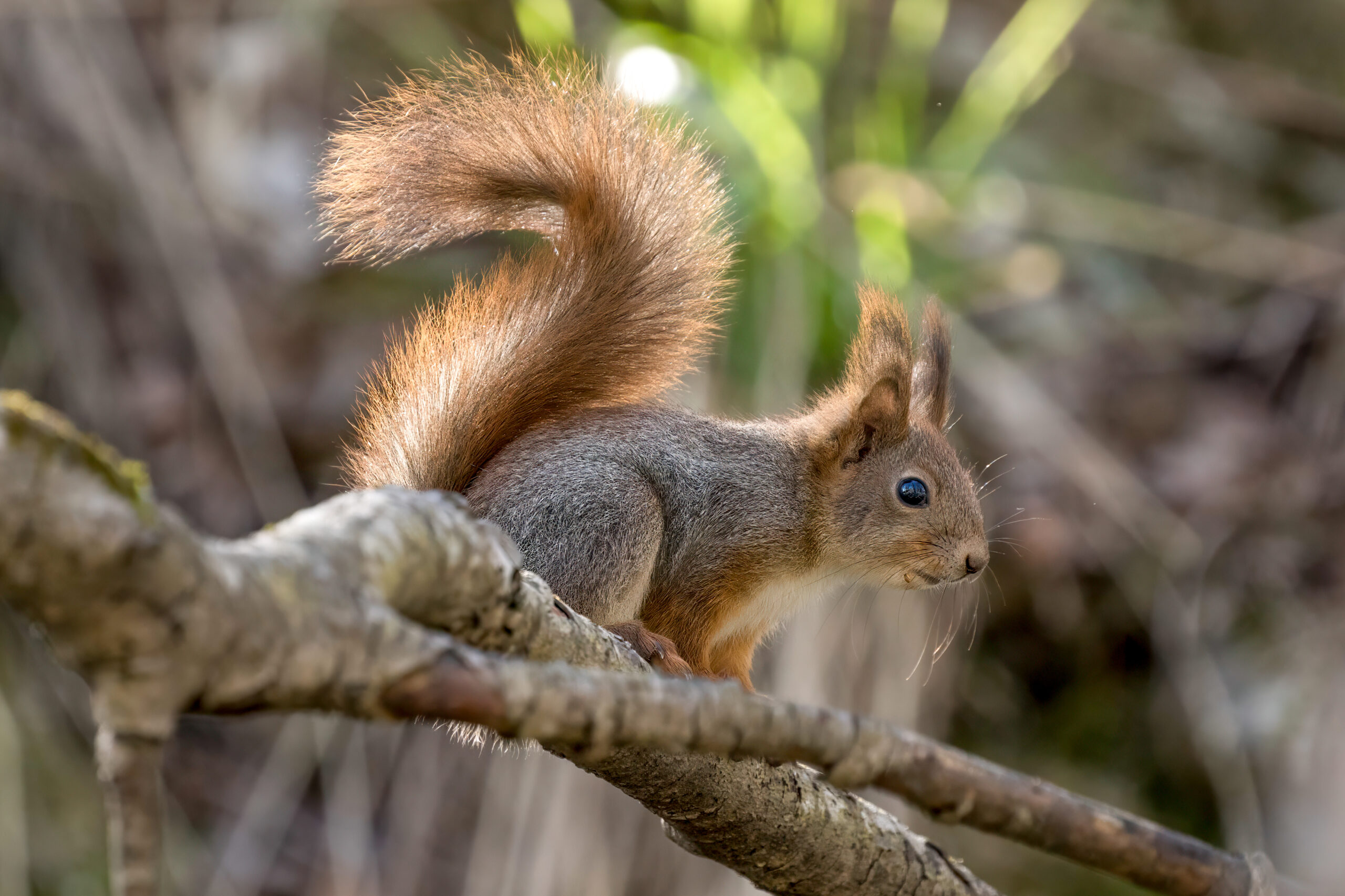
Researchers developed 16 new microsatellite markers for Eurasian red squirrels (Sciurus vulgaris) and tested them with non-invasive hair samples from four populations in southern France. The aim was to expand the genetic toolkit available for monitoring populations without having to capture the animals.
Using Illumina sequencing and tissue samples from seven squirrels, the team screened 48 candidate microsatellite regions and selected 16 for further testing. Those markers were then evaluated in hair samples from 120 squirrels.
Most hair samples produced usable genotypes
The marker set produced usable genotypes from 104 of the 120 hair samples, about 87%. The markers were polymorphic, averaging 6.1 alleles per locus, so they captured enough genetic variation to help distinguish individuals and compare genetic diversity and population structure.
Only one marker showed the same warning across all four populations: evidence of a likely null allele. A null allele is a genetic variant that is present in the DNA but may fail to be detected during genotyping, which can distort some population-genetic analyses. The authors therefore recommend caution when using that marker in analyses where undetected alleles would matter.
The markers are designed for non-invasive population genetics
Microsatellites are short, variable DNA sequences that can be used with lower-quality DNA such as hair samples. The 16 new markers give researchers more genetic information for distinguishing individuals and comparing red-squirrel populations across continental Europe.
The authors developed the set in response to the need for better population-genetic monitoring as red squirrels face habitat-related pressures and, in parts of Europe, competition and disease risks associated with introduced squirrel species.
Genetics & genomics
Related news
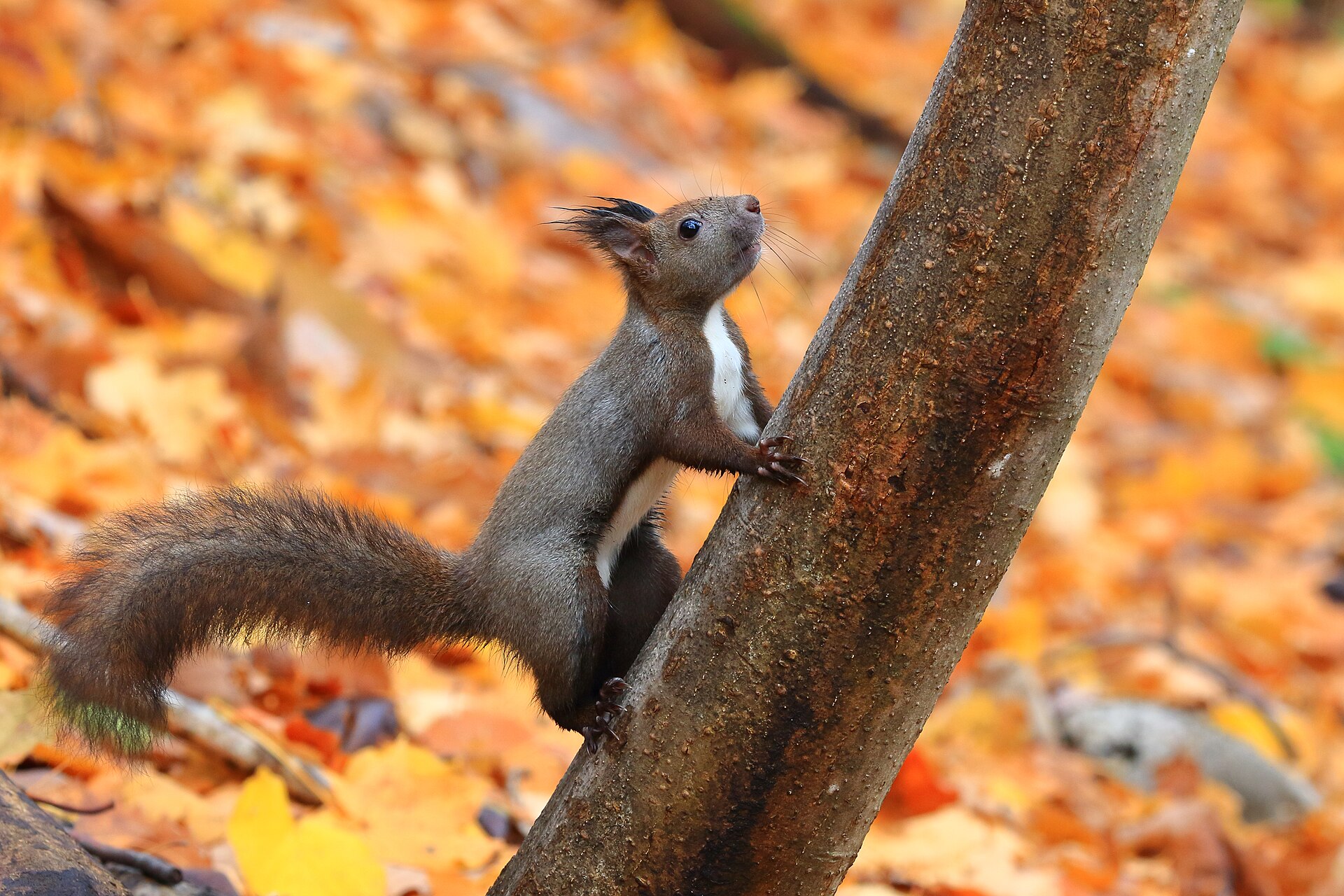
Red Squirrels Stayed at Urban and Rural Sites at Similar Rates on Hokkaido
Across nine sites on Hokkaido, red squirrels had nearly identical four-month probabilities of remaining in urban and rural…
Read story →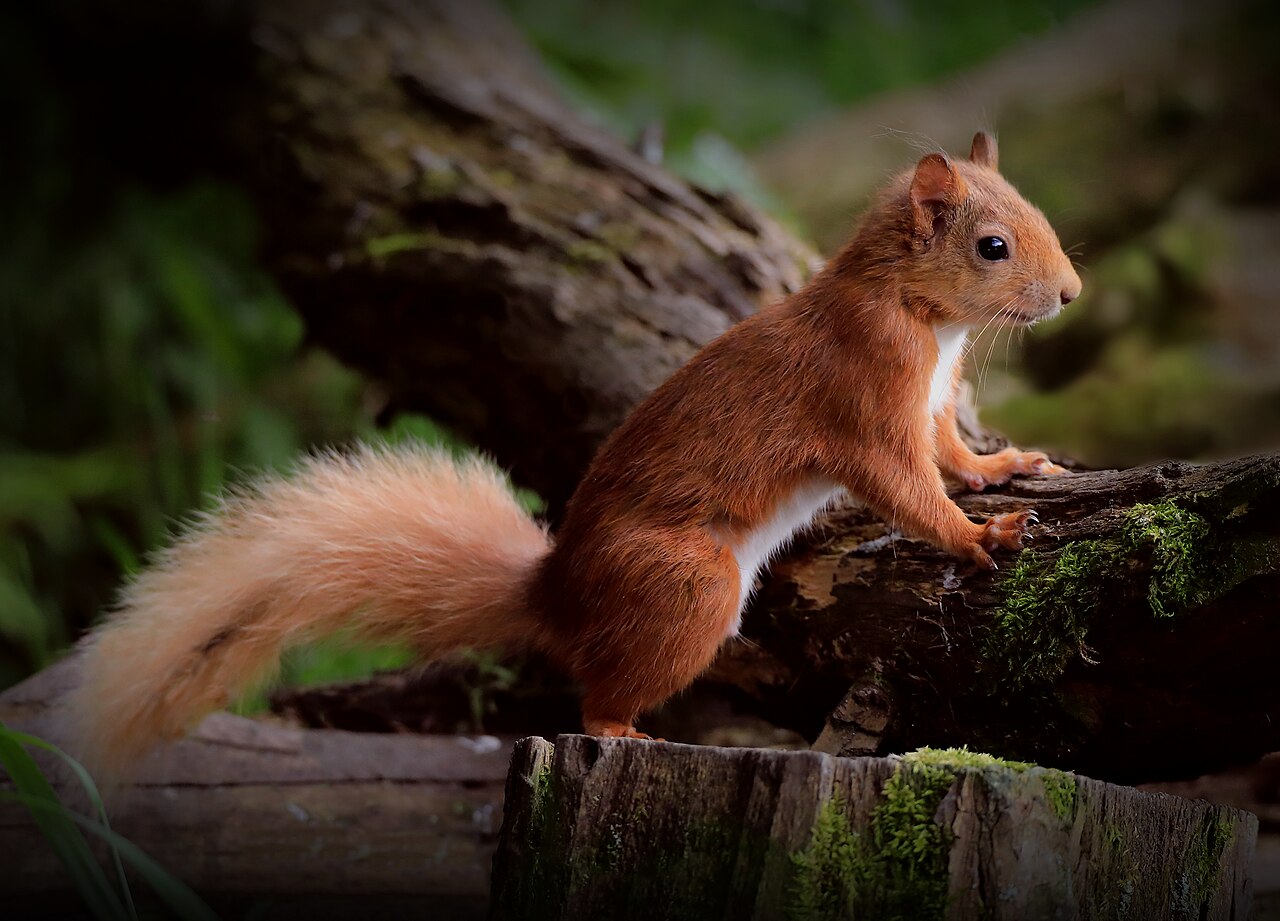
Squirrelpox in Dollar Became Scotland’s Northernmost Confirmed Case
A red squirrel from Dollar, Clackmannanshire, had squirrelpox confirmed by pathology and qPCR, making it the northernmost reported…
Read story →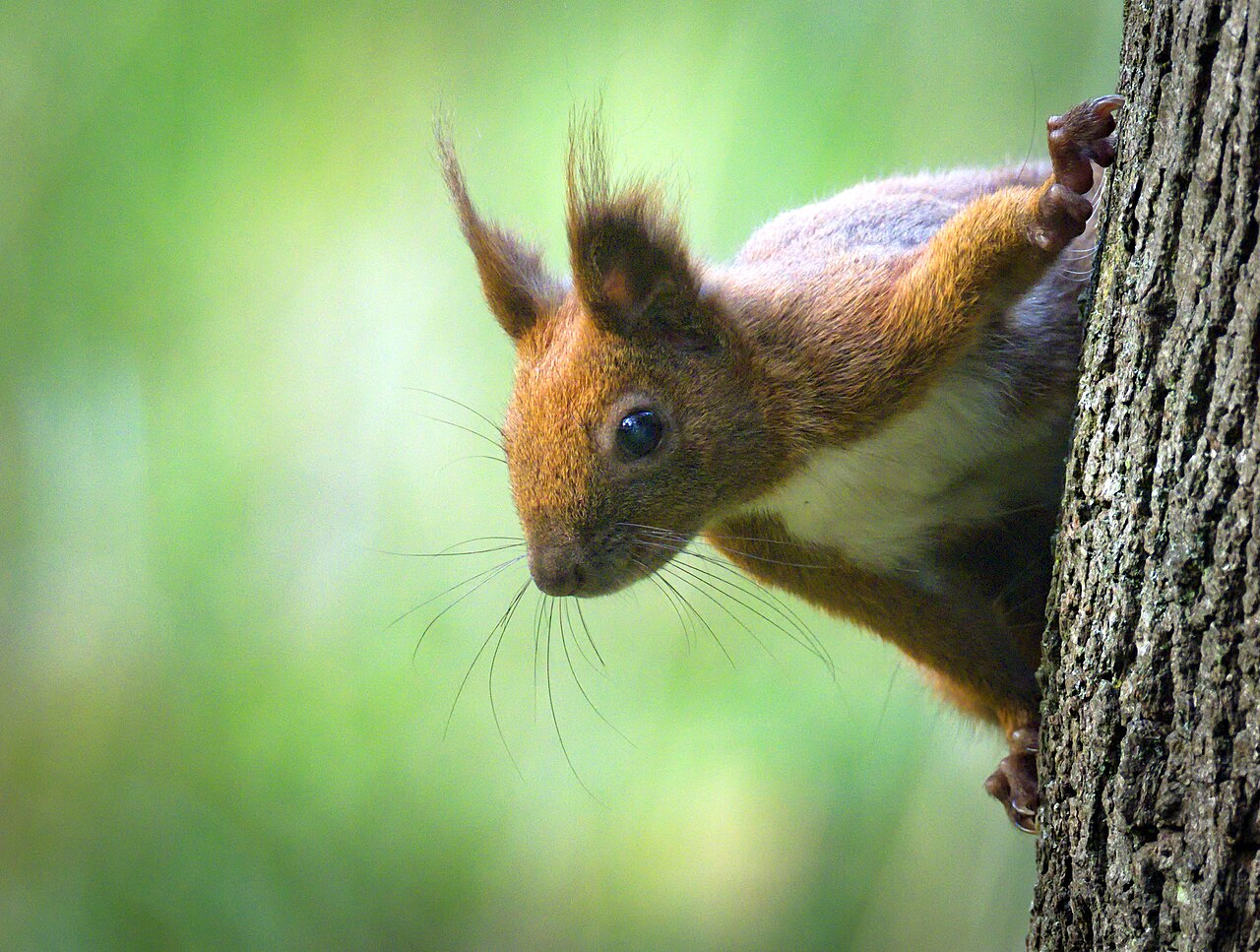
Portugal’s Eurasian Red Squirrels Showed Markedly Low Mitochondrial Diversity
The most comprehensive genetic sampling of Eurasian Red Squirrels in Portugal to date found markedly low mitochondrial diversity,…
Read story →SPECIES IN THIS STORY
Species in this story
Independent research and conservation news archive
Did you find this information useful?
Wildlife Vagabond is independently built and maintained. Voluntary support helps cover source verification, hosting and continued work on research and conservation news.
Support Wildlife VagabondThe news archive will remain freely available.