
Slow-Worm Detection Varied With Both Season and Refuge Material
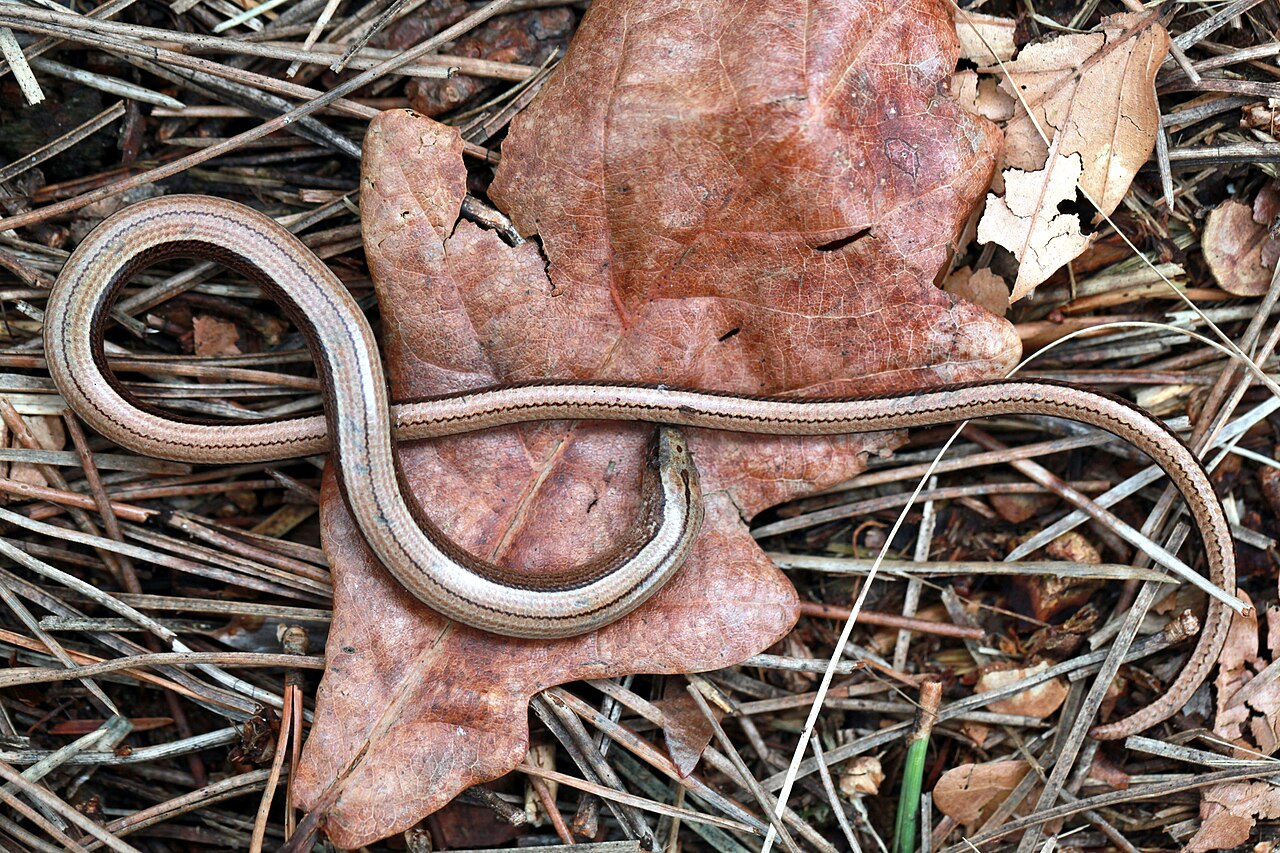
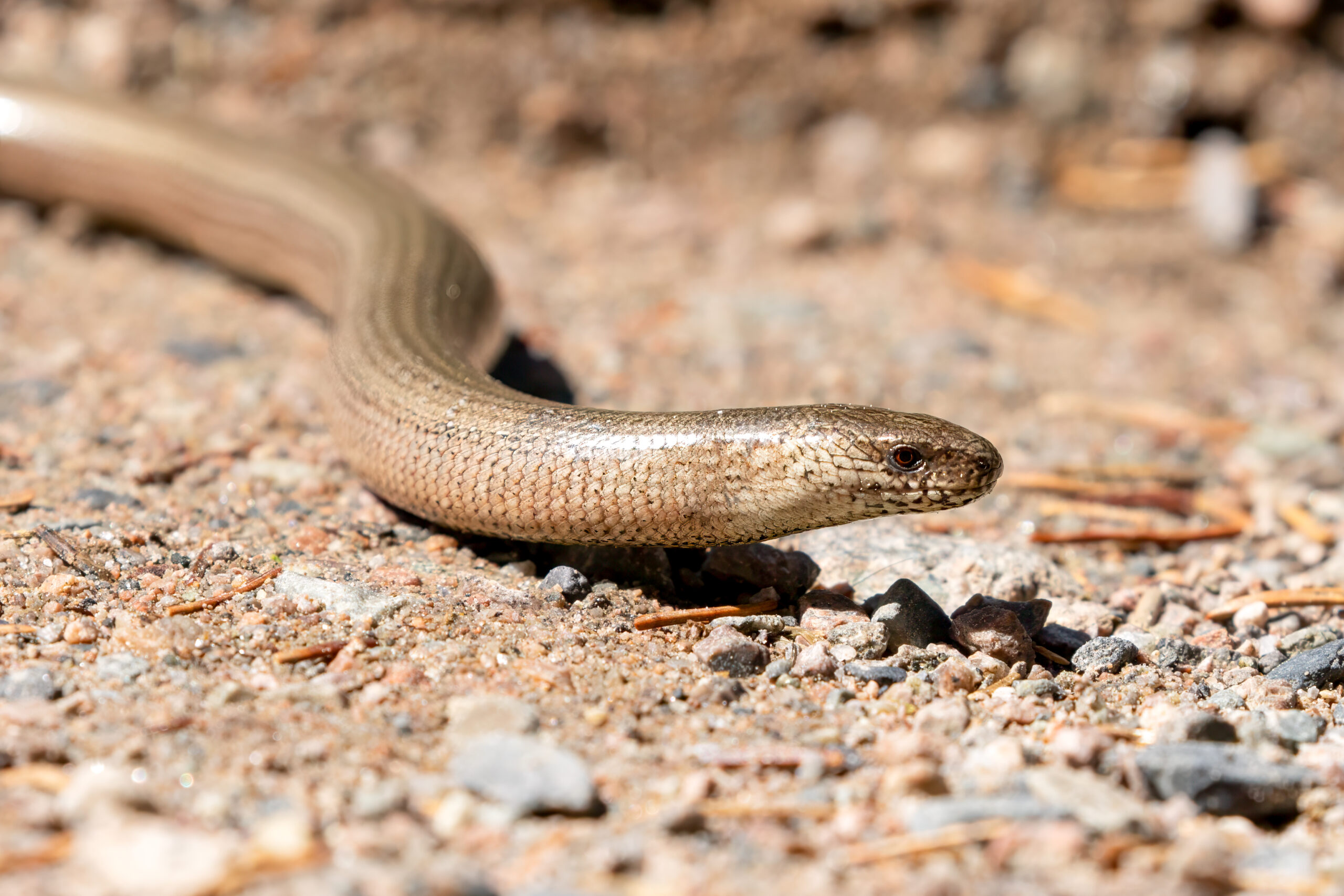
How often slow worms (Anguis fragilis) were found beneath artificial refuges depended strongly on the time of year, while the relative performance of different refuge materials also changed between months. A British field study published on 1 March 2026 compared four commonly used refuge types at three grassland sites near Hertford.
The researchers compared 120 refuges across the three sites: flat bitumen roofing felt, carpet tile, corrugated bitumen-soaked fibre and corrugated metal. Surveys ran from April to October 2016.
Slow-Worm Use of Refuges Peaked in June
The analysis focused on April to August; September and October were excluded because sampling was too sparse. The proportion of occupied refuges was highest in June, at 11.5%, followed by July at 7.7% and August at 5.3%. April and May had much lower occupancy. Sampling effort was uneven between months, so the seasonal differences require some caution in interpretation.
When all months were pooled, the two flat materials were occupied somewhat more often than the two corrugated materials, but refuge type alone did not consistently explain occupancy. Instead, the effect of refuge material changed with month.
Relative Performance Changed Through the Season
Differences among refuge types were clearest in May and July. In July, flat roofing felt, carpet tile and corrugated metal had a higher estimated probability of occupancy than corrugated roofing felt. In May, carpet tile and corrugated roofing felt formed the higher-probability group.
The researchers link these differences to the microclimates created beneath the refuges. Slow worms obtain much of their warmth through contact with warm surfaces, while moisture may also matter because prey such as slugs and earthworms favour damp conditions.
Artificial refuges are widely used in presence–absence surveys for slow worms. Because no single material performed best throughout the season, the authors suggest that using a mixture of refuge types simultaneously could increase detection under changing seasonal conditions.
Other research
Related news
Satellite Count Recorded 15.7% Fewer Elephants Than Aircraft in Botswana
A synchronous Botswana survey counted 816 elephants from aircraft but only 688 visible in 30 cm satellite imagery.…
Read story →
Lesser Black-backed Gulls Made Up 73% of Paresis Cases in Lisbon
A ten-year review of gull admissions from Lisbon and Setúbal found that lesser black-backed gulls dominated paresis cases,…
Read story →
Video Collars Showed GPS Methods Were Only About 70% Accurate at Detecting Caribou Calving
Video collars from 160 adult females in the Porcupine and Western Arctic herds showed that two GPS movement…
Read story →SPECIES IN THIS STORY
Species in this story
Independent research and conservation news archive
Did you find this information useful?
Wildlife Vagabond is independently built and maintained. Voluntary support helps cover source verification, hosting and continued work on research and conservation news.
Support Wildlife VagabondThe news archive will remain freely available.