
PIT Tags Were Retained in All Recaptured Slow Worms, While Photo-ID Ranked the Correct Individual First 96% of the Time
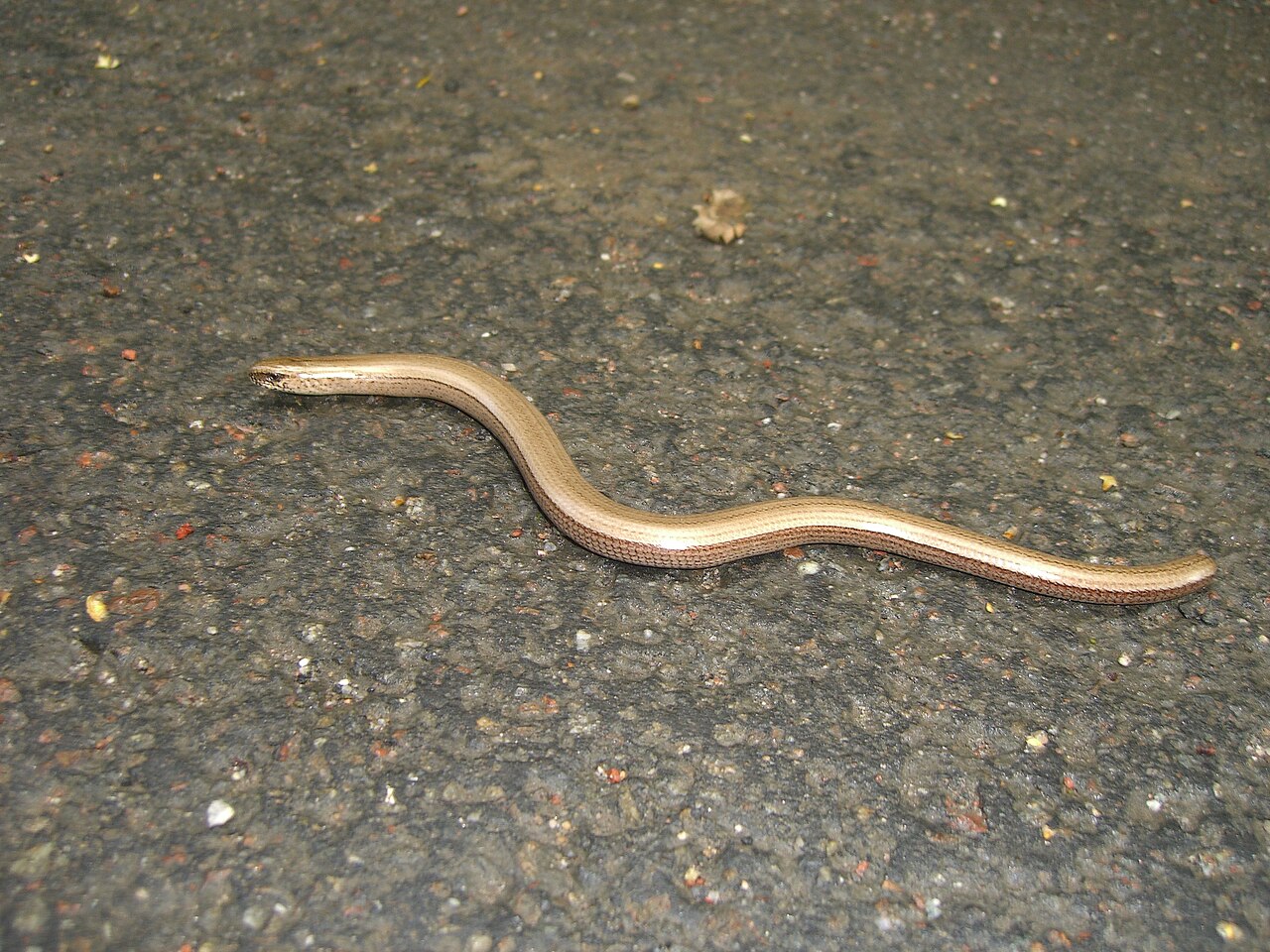
Researchers compared two ways of recognising individual common slow worms (Anguis fragilis) during a two-year field study at three sites in north-eastern France. Across the 2024 and 2025 field seasons they captured 624 slow worms. The study tested PIT tags — small passive electronic identity chips read with a handheld scanner — against software-assisted photo-identification based on natural markings under the jaw.
PIT tags were retained in every recaptured tagged animal
Animals heavier than 10 g could receive PIT tags, and 492 slow worms were tagged. Of these, 174 were later recaptured at least once. None had lost its tag, giving an observed retention rate of 100% over the study. The recaptured tagged animals also showed no signs of injury or abnormal behaviour. The authors nevertheless note that implantation is invasive, requires technical training and costs more than photo-identification.
Photo-ID recognised the correct individual first in 95.9%
Photo-ID recognised the correct individual first in 95.9% of matches
Photo-identification used the contrasting black-and-white markings on the underside of the head. Hotspotter compared recapture photographs with earlier images and placed the correct individual first in 302 of 315 comparisons, or 95.9%. The analysis did not show a clear overall reduction in matching success during shedding; most failed first-place matches involved blurred or partly obscured photographs, including some in which shedding obscured the pattern.
Photo-ID also allowed the researchers to follow animals too small for PIT tags. Adding it to the PIT-tag protocol increased the number of monitored individuals by 27%, from 492 to 624, and added 34 recaptured individuals to the dataset.
The two methods therefore offered different strengths. PIT tags gave durable identification and could be read quickly in the field, whereas photo-identification was inexpensive, required no artificial mark and could include smaller juveniles. The authors propose combining the approaches by photographing untagged animals and PIT-tagging those above the size threshold, so that each method covers limitations of the other.
Other research
Related news
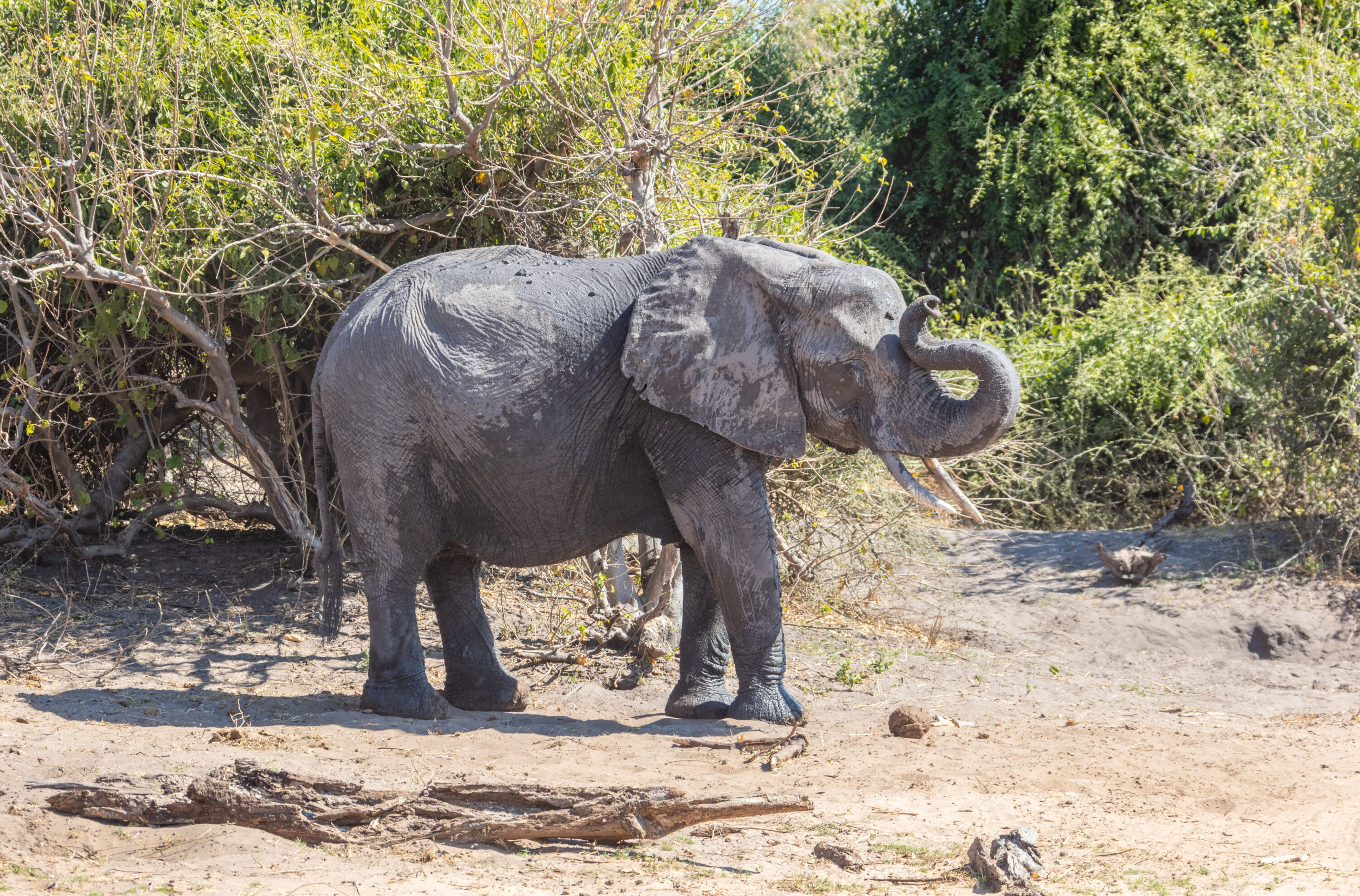
Satellite Count Recorded 15.7% Fewer Elephants Than Aircraft in Botswana
A synchronous Botswana survey counted 816 elephants from aircraft but only 688 visible in 30 cm satellite imagery.…
Read story →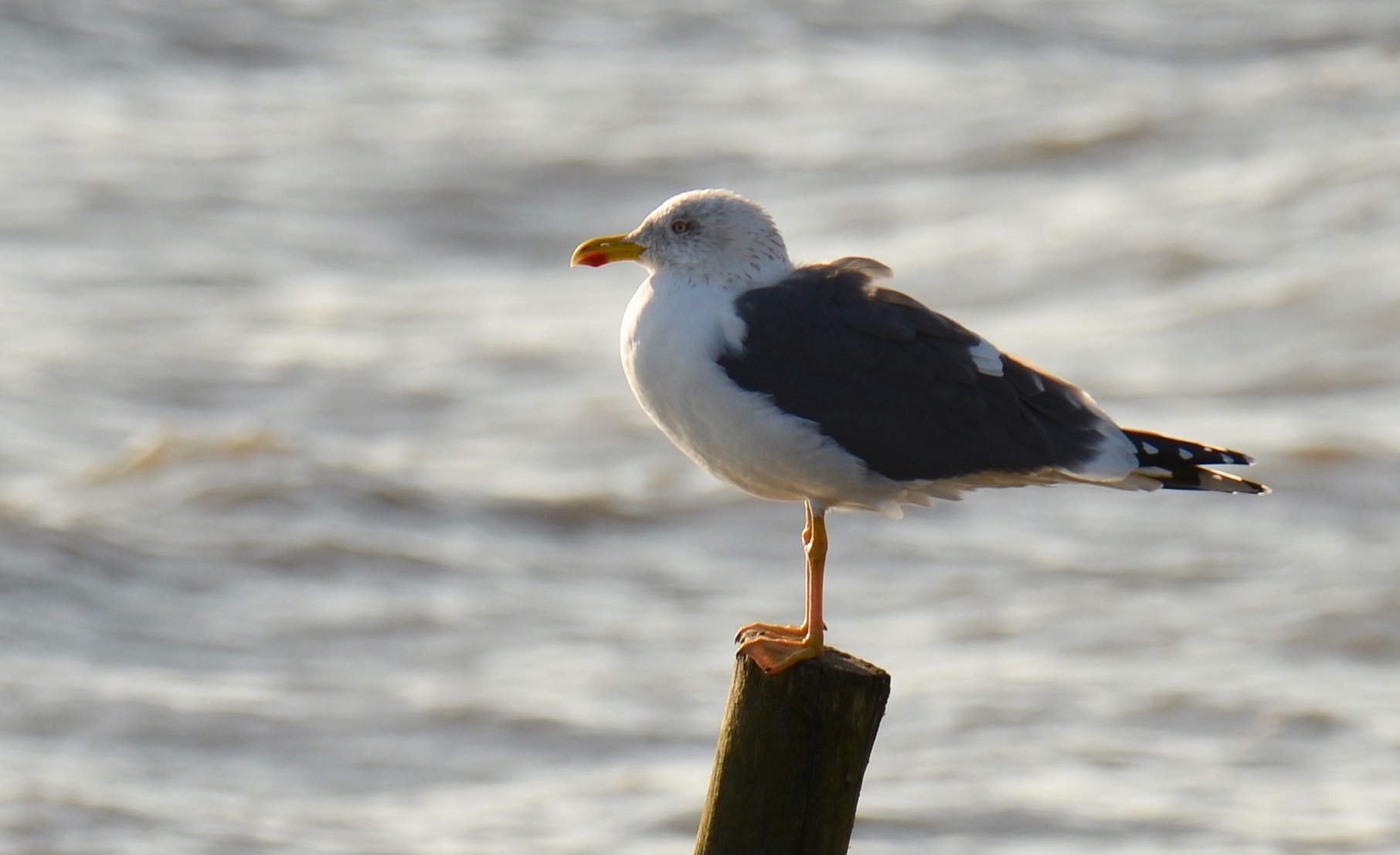
Lesser Black-backed Gulls Made Up 73% of Paresis Cases in Lisbon
A ten-year review of gull admissions from Lisbon and Setúbal found that lesser black-backed gulls dominated paresis cases,…
Read story →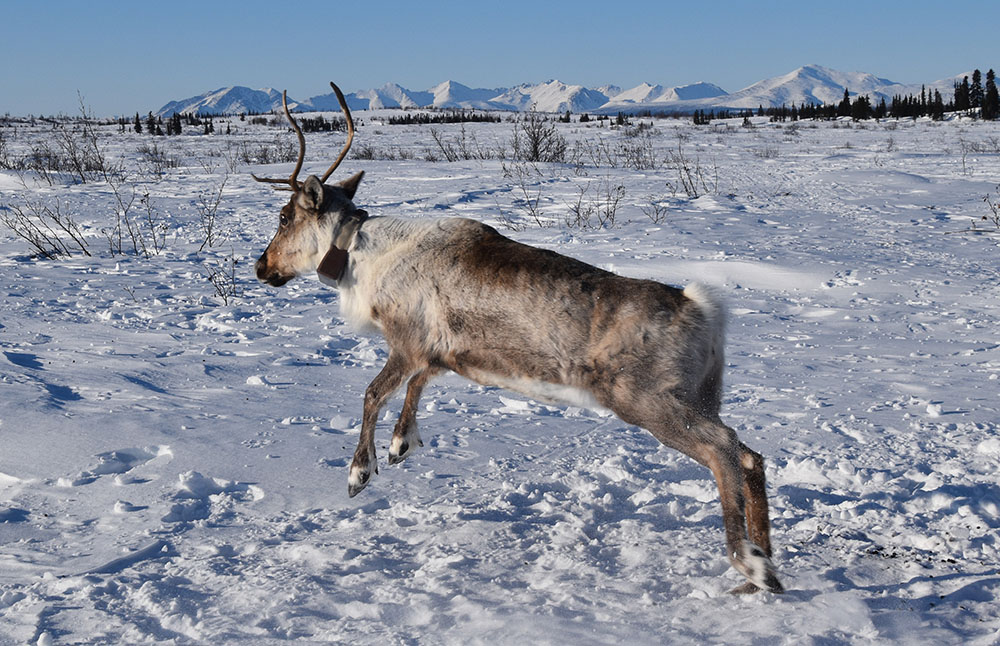
Video Collars Showed GPS Methods Were Only About 70% Accurate at Detecting Caribou Calving
Video collars from 160 adult females in the Porcupine and Western Arctic herds showed that two GPS movement…
Read story →SPECIES IN THIS STORY
Species in this story
Independent research and conservation news archive
Did you find this information useful?
Wildlife Vagabond is independently built and maintained. Voluntary support helps cover source verification, hosting and continued work on research and conservation news.
Support Wildlife VagabondThe news archive will remain freely available.