
Slow Worms Were Still Present at All Three Receptor Sites 11 Years After Translocation
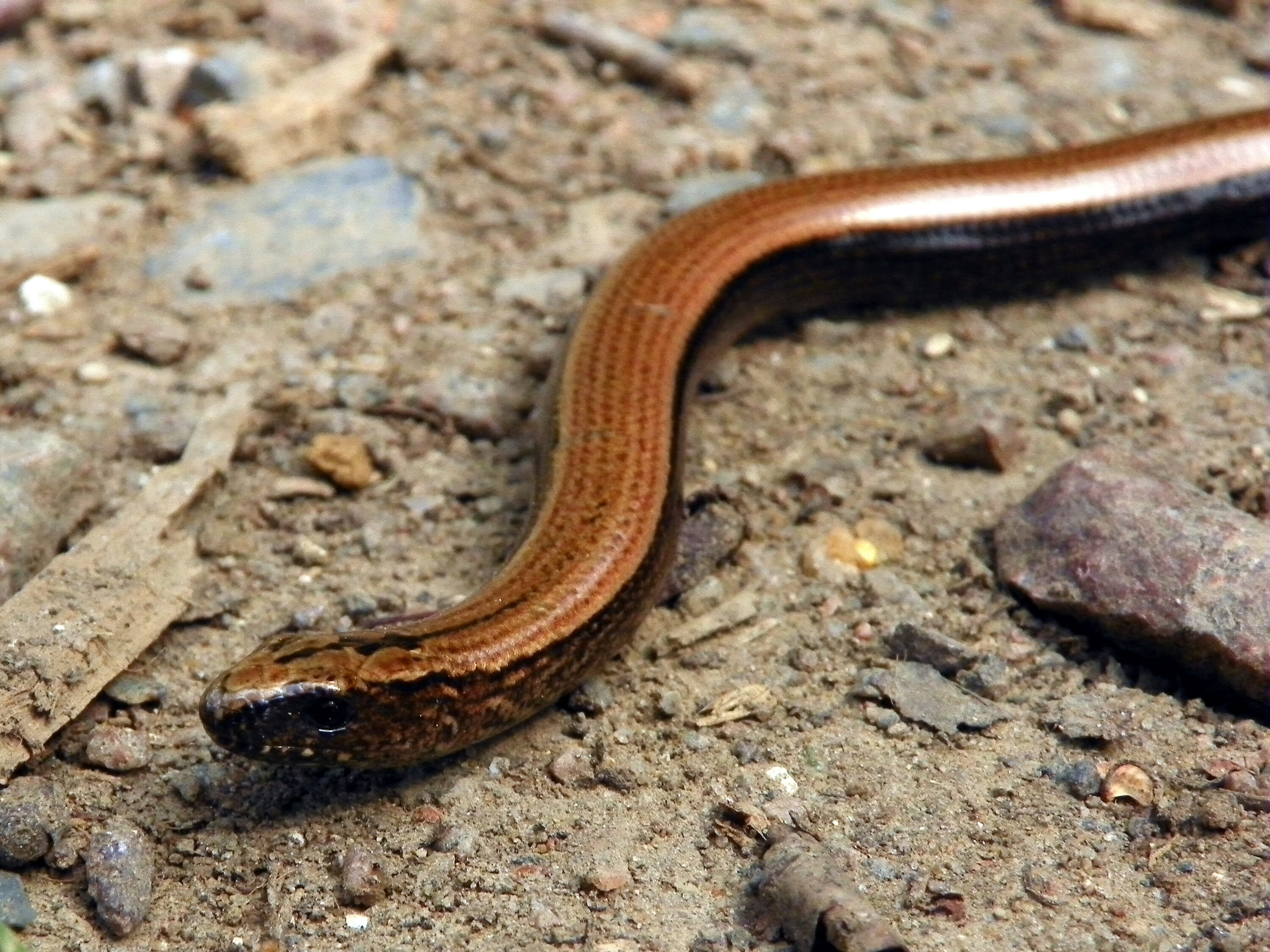
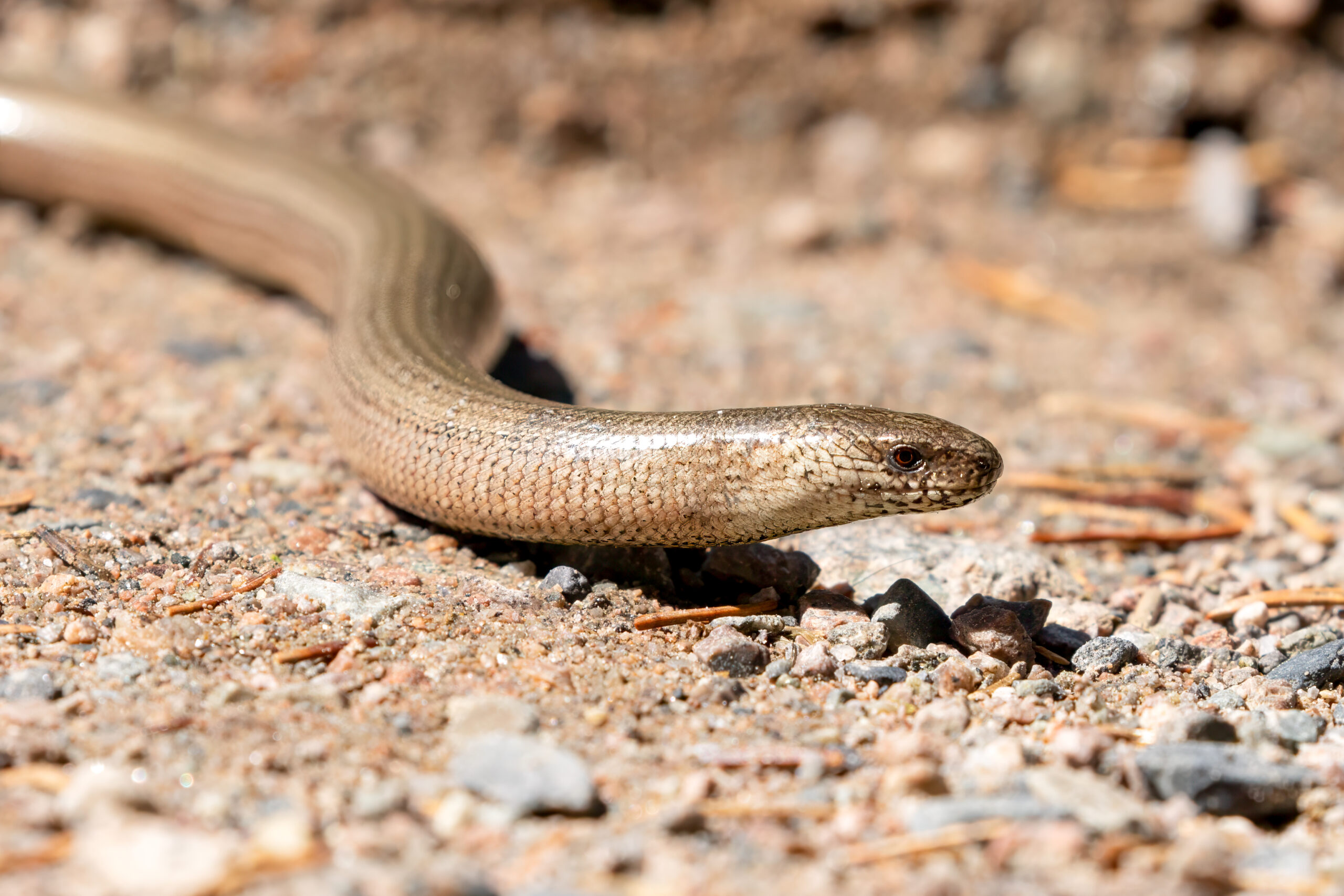
Slow worms (Anguis fragilis) were still present at all three main receptor sites 11 years after animals were moved away from the route of the Luton and Dunstable Guided Busway in England. A long-term monitoring report published in the March 2026 issue of In Practice also found that average body condition had remained stable and that breeding was continuing.
In total, 1,524 slow worms were translocated away from a disused railway line that was being converted into the guided busway. Most were released at Totternhoe Nature Reserve, Dallow Downs and Bradger’s Hill between 2009 and 2011, while a smaller number were moved to nearby Blow’s Downs.
Slow worms remained present for more than a decade
At Totternhoe, monitoring from 2010 to 2021 showed a sharp fall in records after the first two years, followed by an apparent stabilisation from 2015. After 11 years, slow worms were still being found across the release area and in adjacent habitat. Dallow Downs also showed continued presence through 2022, and later surveys at Bradger’s Hill likewise found slow worms.
The researchers also tracked body condition by weighing and measuring captured slow worms over the monitoring period at Totternhoe, Dallow Downs and Bradger’s Hill, with the source population at Blow’s Downs used for comparison. The report concludes that average body condition at the receptor sites remained stable despite year-to-year fluctuations.
Breeding was recorded at all three receptor sites
Pregnant females or juveniles were recorded across the receptor sites, providing evidence that reproduction continued after the translocations. At Totternhoe, the proportion of all juveniles remained relatively stable after the unusually high first year. Juveniles were also recorded repeatedly at Dallow Downs, while both pregnant females and juveniles were found at Bradger’s Hill.
The author notes that the sites were not all surveyed comprehensively before the translocations. Small pre-existing slow-worm populations were known at the Luton sites, and at Bradger’s Hill the resident and translocated animals probably mixed, making that site less conclusive. Totternhoe, by contrast, had no previous reptile records and had been heavily quarried.
Ongoing habitat management has been important in maintaining suitable conditions, according to the report. Monitoring also indicates that slow worms have expanded beyond the release areas. The author calls for more long-term studies of translocated populations to identify the conditions under which such projects succeed or fail.
Reintroductions & translocations
Related news
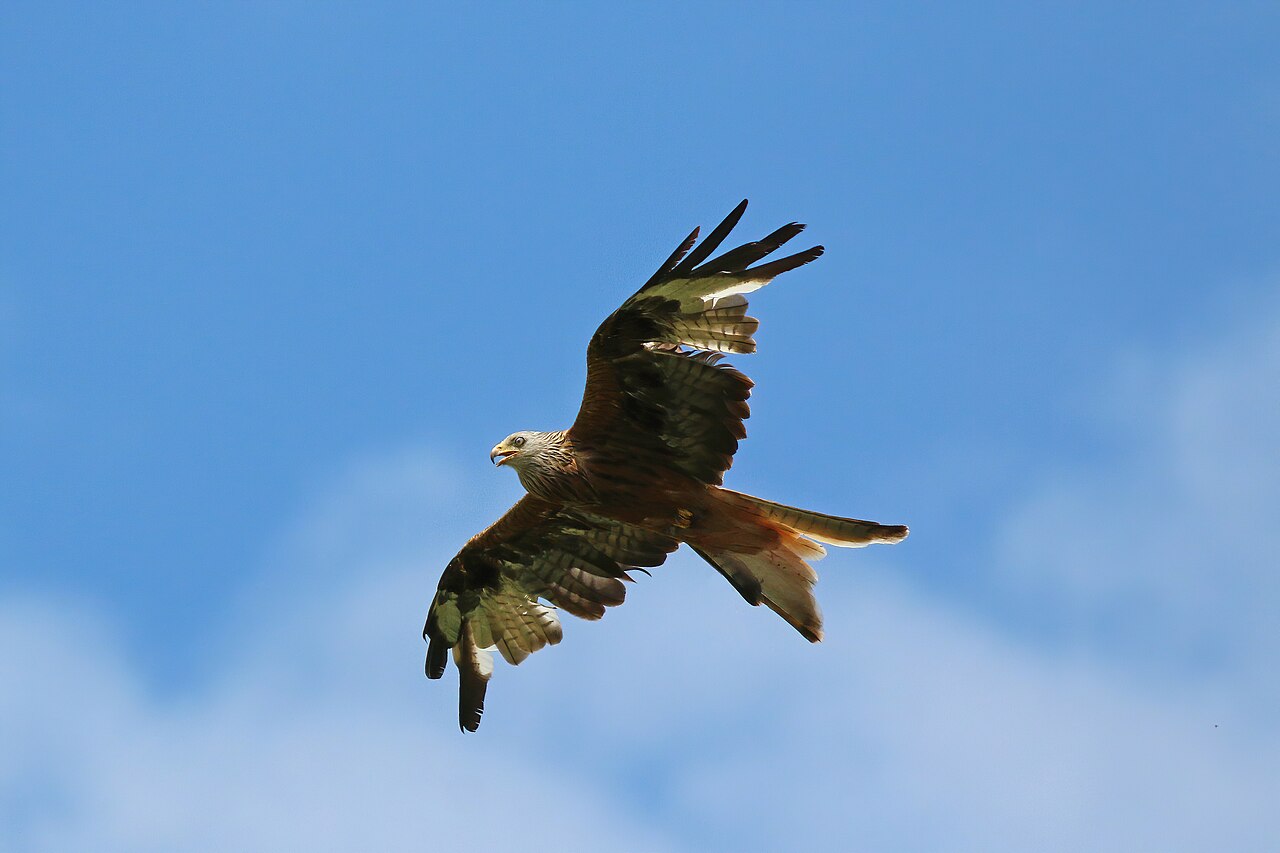
No Red Kite Deaths Were Recorded at a Retrofitted 48-Pylon Power Line Used by Reintroduced Birds
Twenty-one reintroduced red kites generated 802 GPS fixes around a 48-pylon power line retrofitted against electrocution in Jaén,…
Read story →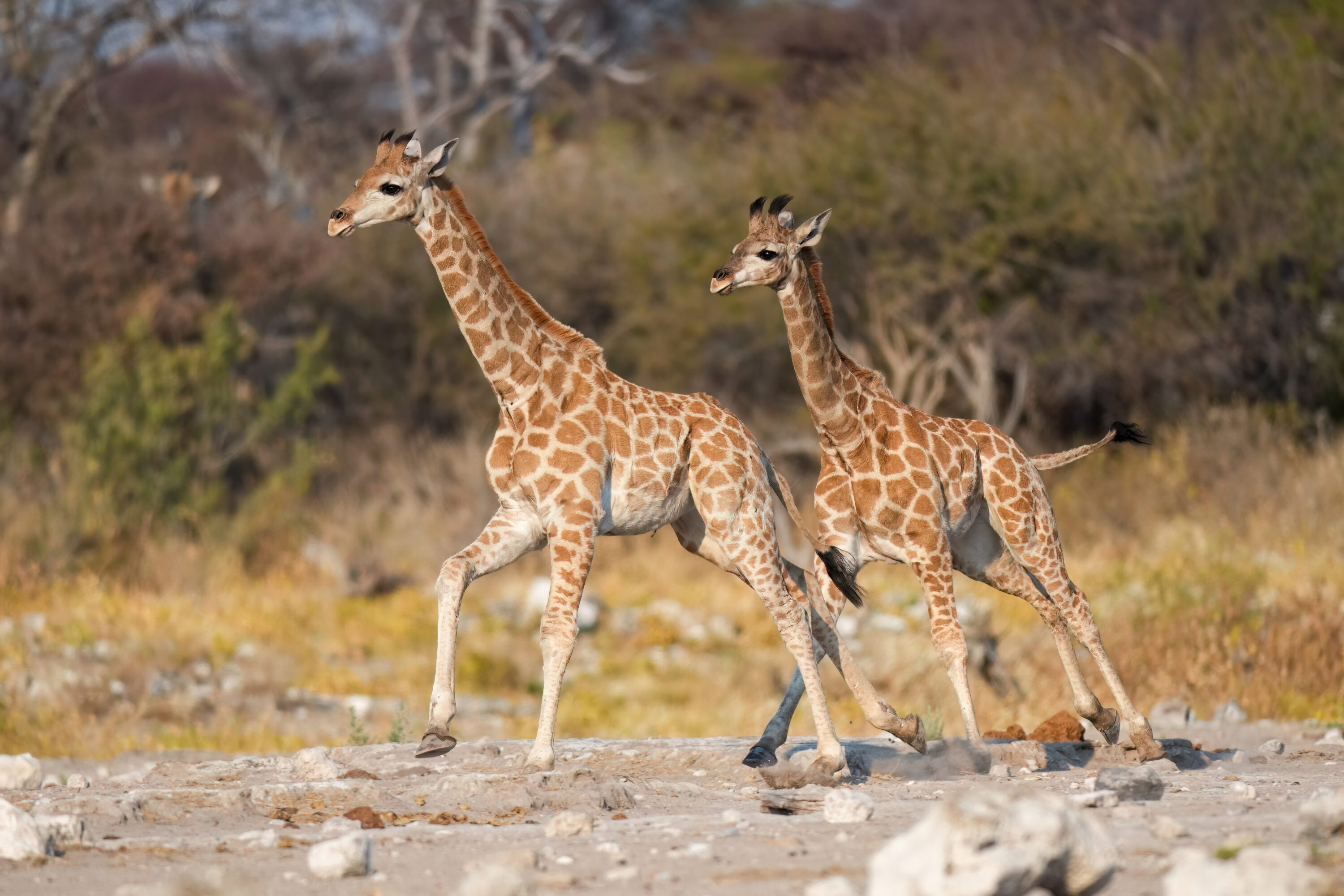
First Giraffe Calf Born in Iona Since Angolan Giraffes Were Reintroduced
A giraffe calf has been recorded in Angola’s Iona National Park for the first time since Angolan giraffes…
Read story →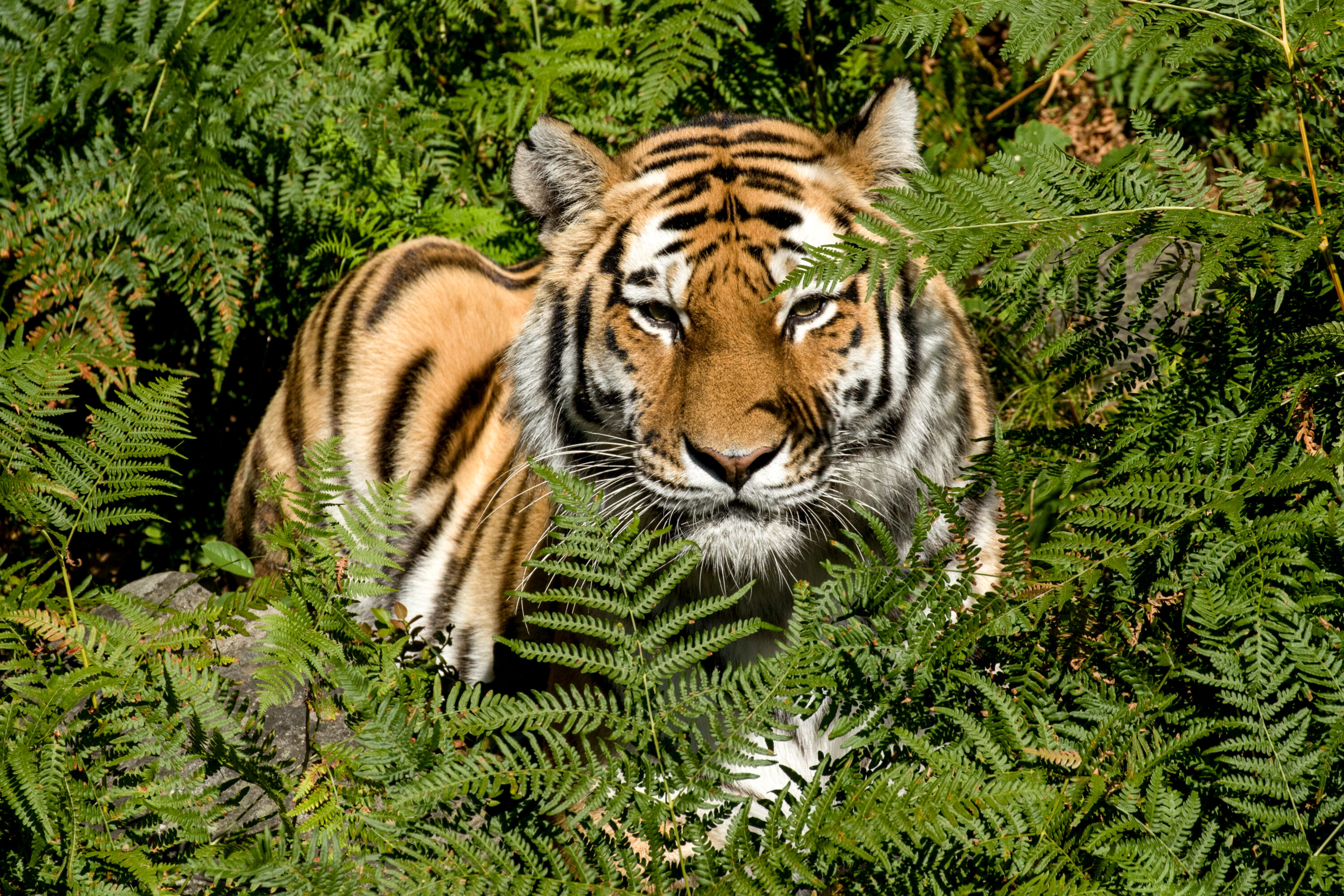
First tiger released into Kazakhstan’s wild in more than 70 years
A female Amur tiger named Ümit has been released into Kazakhstan’s Ile-Balkhash reserve, marking the first return of…
Read story →SPECIES IN THIS STORY
Species in this story
Independent research and conservation news archive
Did you find this information useful?
Wildlife Vagabond is independently built and maintained. Voluntary support helps cover source verification, hosting and continued work on research and conservation news.
Support Wildlife VagabondThe news archive will remain freely available.