
Immature Rhesus Macaques Interacted Most Intensely With People on Son Tra
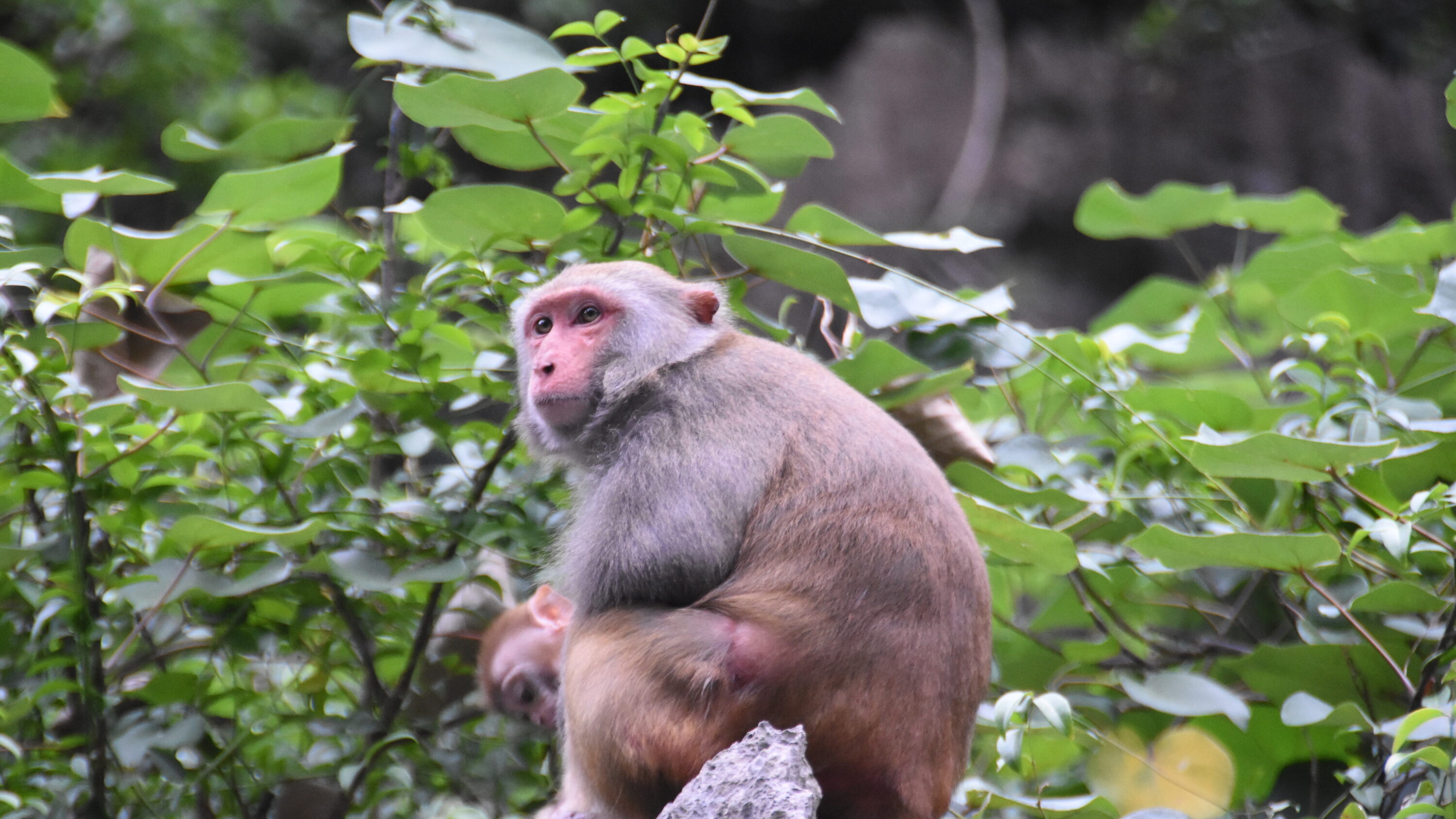
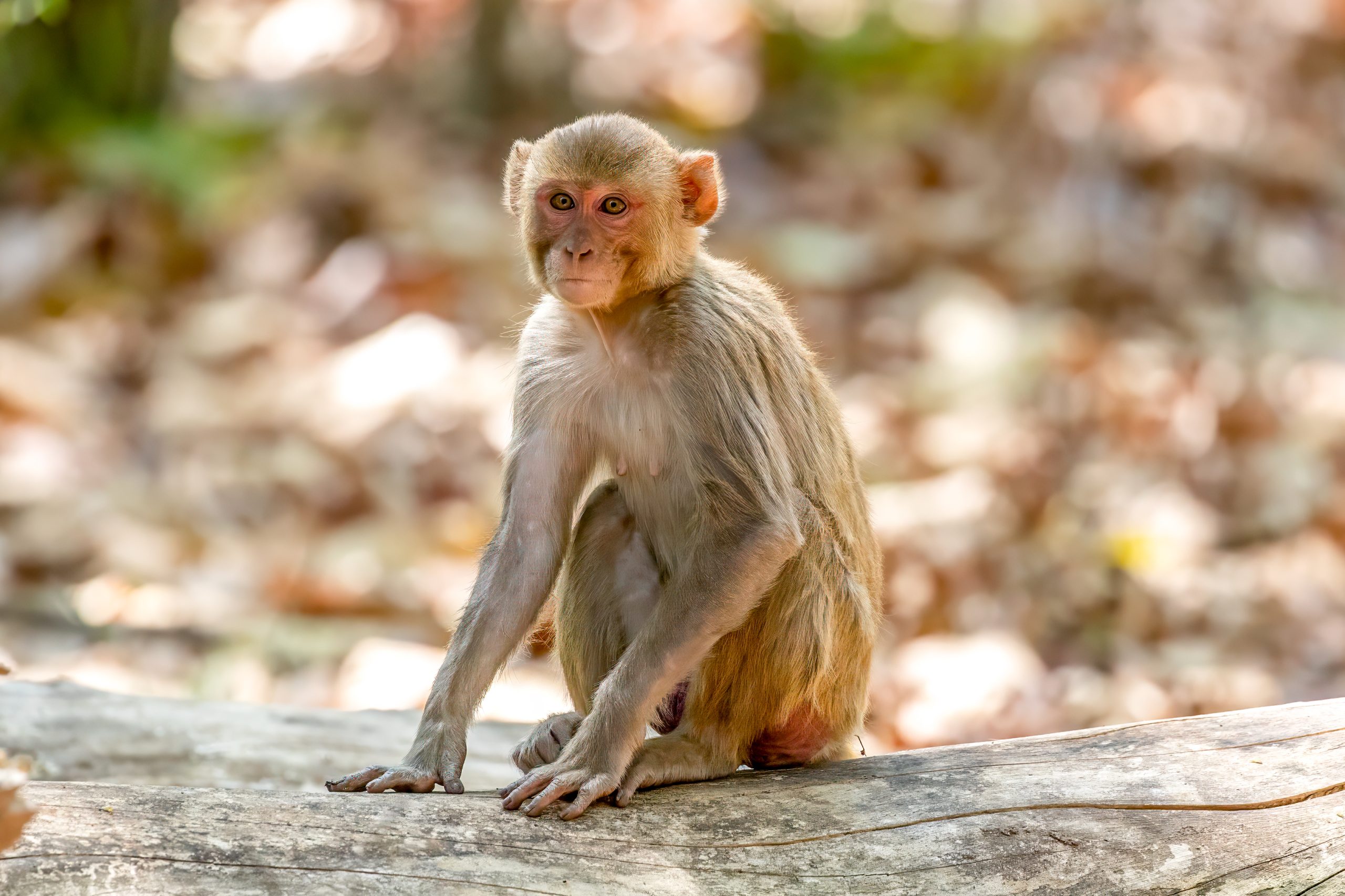
A field study on Son Tra Peninsula in Da Nang, Vietnam, found marked differences in how rhesus macaques (Macaca mulatta) interacted with people according to troop, age and visitor behaviour. Researchers observed nine troops at nine sites with frequent human–macaque contact during 120 field days from April 2024 to June 2025, recording interaction type, food, distance, age and sex class, time and visitor nationality.
Most interactions occurred at distances of about 2–3 metres, although approaches of 0.5–1 metre were frequently recorded during direct food provisioning. Interaction activity peaked between 09:00–11:00 and 15:00–17:00. Among the nine troops, Troops 8, 3 and 1 had the highest interaction intensities. Troop 8 showed the clearest habituation, while Troop 3 also repeatedly engaged in high-intensity contact near tourist areas.
Immature macaques interacted most intensely with people
Immature macaques interacted with people more frequently and more intensely than adults, while infants showed the least interaction. Domestic visitors provisioned macaques far more often than international visitors and mainly supplied processed human foods; international visitors were more often recorded observing or photographing the animals. Injured macaques also tended to approach people more closely, which the authors suggest may help them obtain easily accessible food despite physical limitations.
Two troops were especially habituated to people
The researchers identify Troops 3 and 8 as particularly habituated groups and recommend stricter enforcement of no-feeding rules at tourist sites, visitor communication tailored to different interaction patterns, and continued monitoring of the most habituated troops. They also note that close approaches create opportunities for physical injury and pathogen transmission between macaques and people.
Human–wildlife conflict
Related news
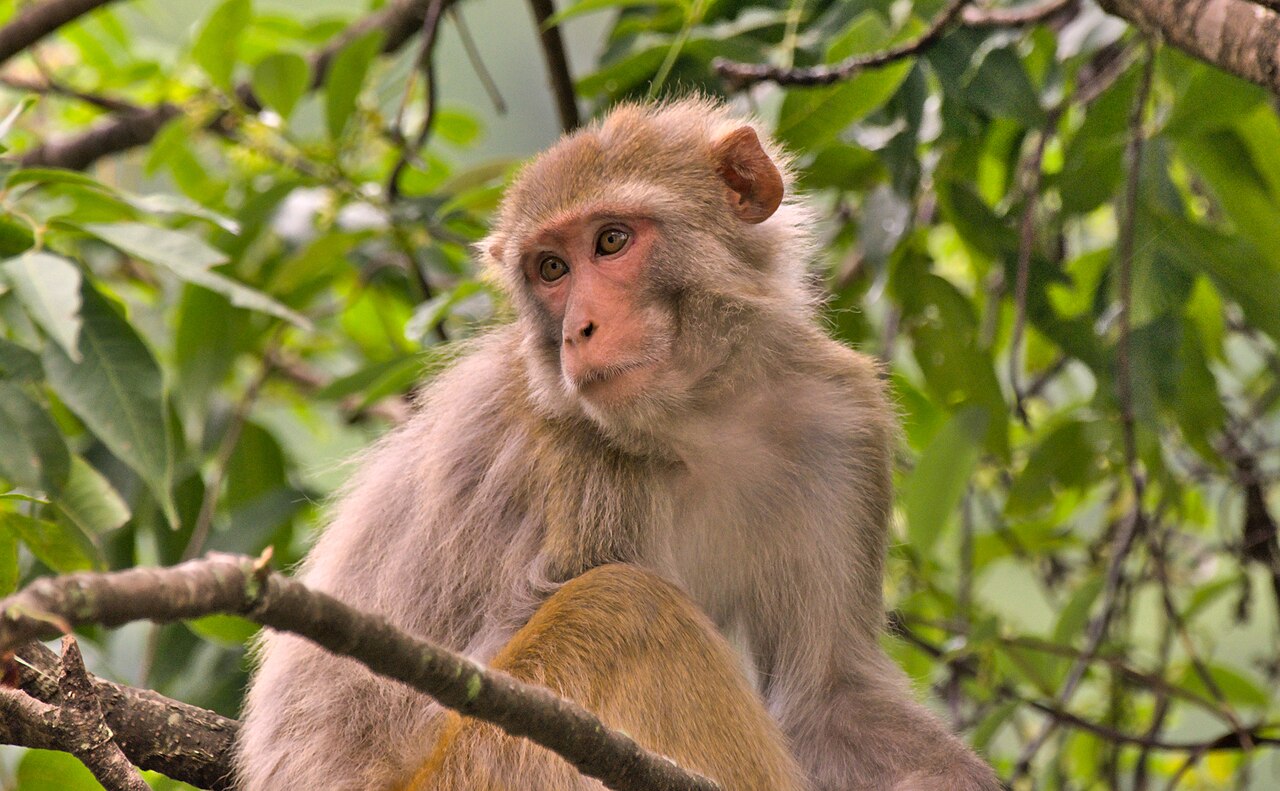
Female Rhesus Macaques That Watched Unfamiliar Female Faces Longer Were More Likely to Have Offspring the Following Year
At a semi-free-ranging population in Puerto Rico, females that spent longer looking at an unfamiliar female’s neutral face…
Read story →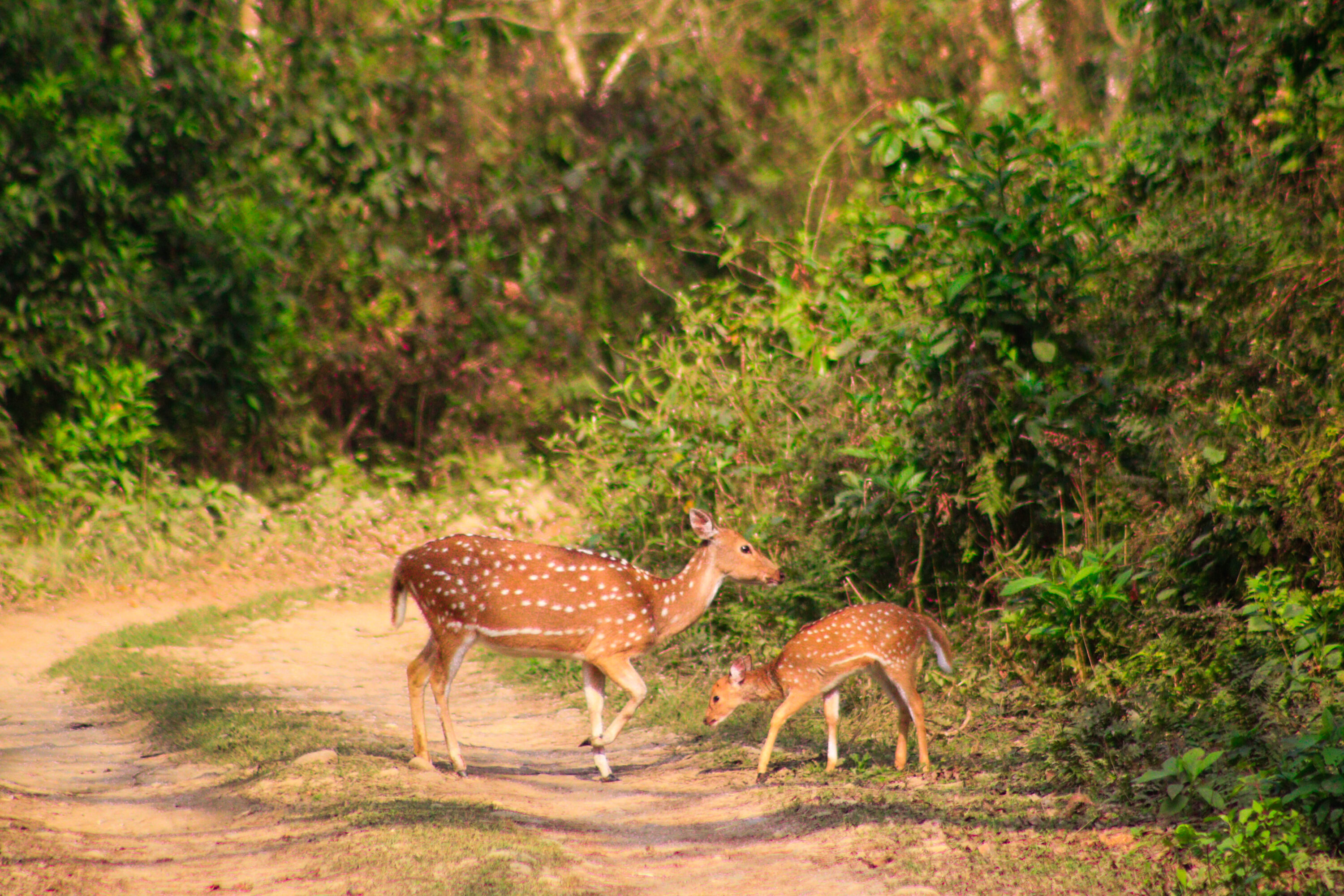
Human Activity and Large Wildlife Overlapped Most in Chitwan’s Buffer Zone
Camera traps across Chitwan National Park and surrounding forests showed the greatest overlap of human activity with large…
Read story →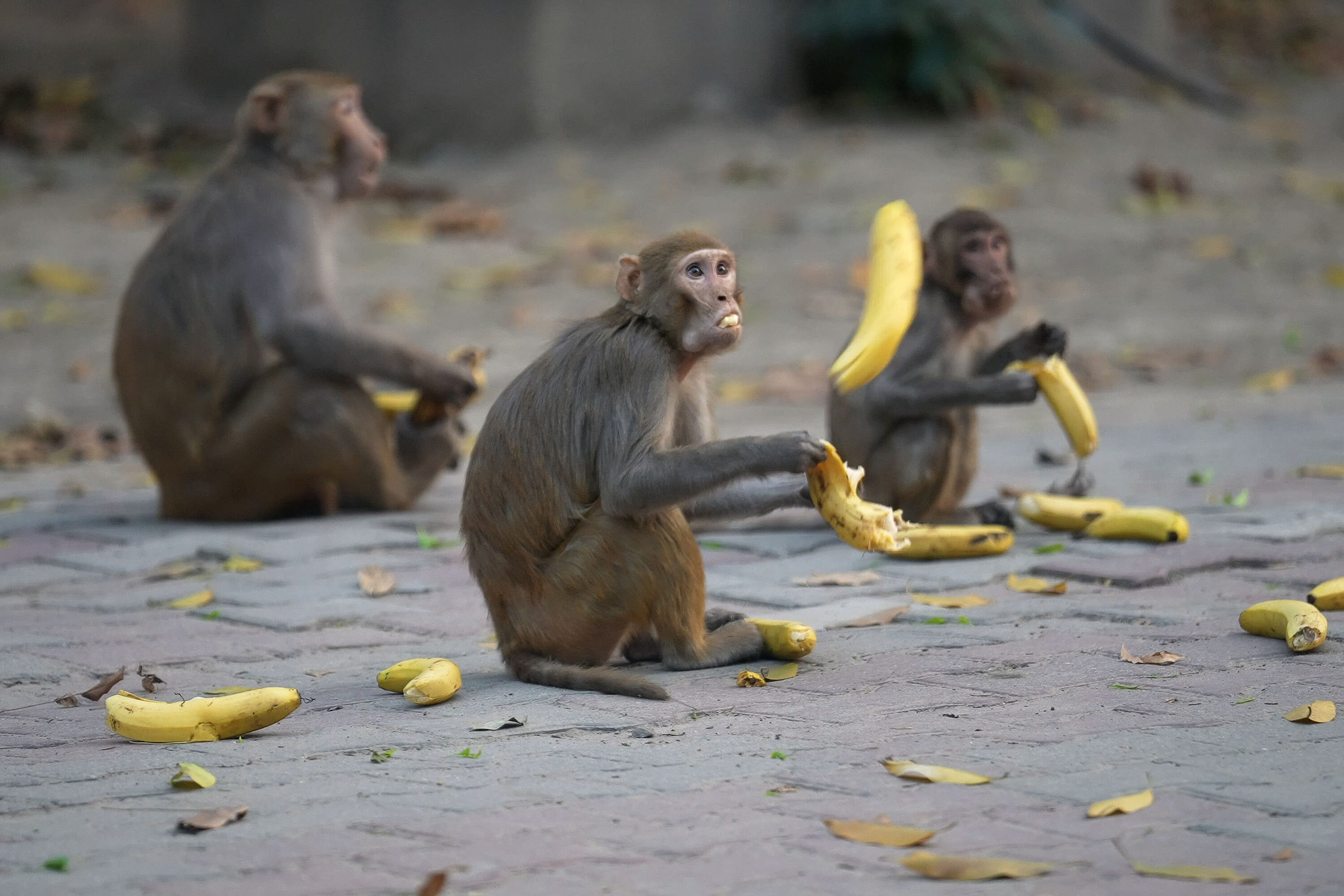
Aging rhesus macaques show broader protein changes in blood than in brain fluid
A study of 66 rhesus macaques found age-related differences in many more measured proteins in plasma than in…
Read story →SPECIES IN THIS STORY
Species in this story
Independent research and conservation news archive
Did you find this information useful?
Wildlife Vagabond is independently built and maintained. Voluntary support helps cover source verification, hosting and continued work on research and conservation news.
Support Wildlife VagabondThe news archive will remain freely available.