
Spotted Doves Showed Little Mitochondrial Genetic Differentiation Across Jiangsu
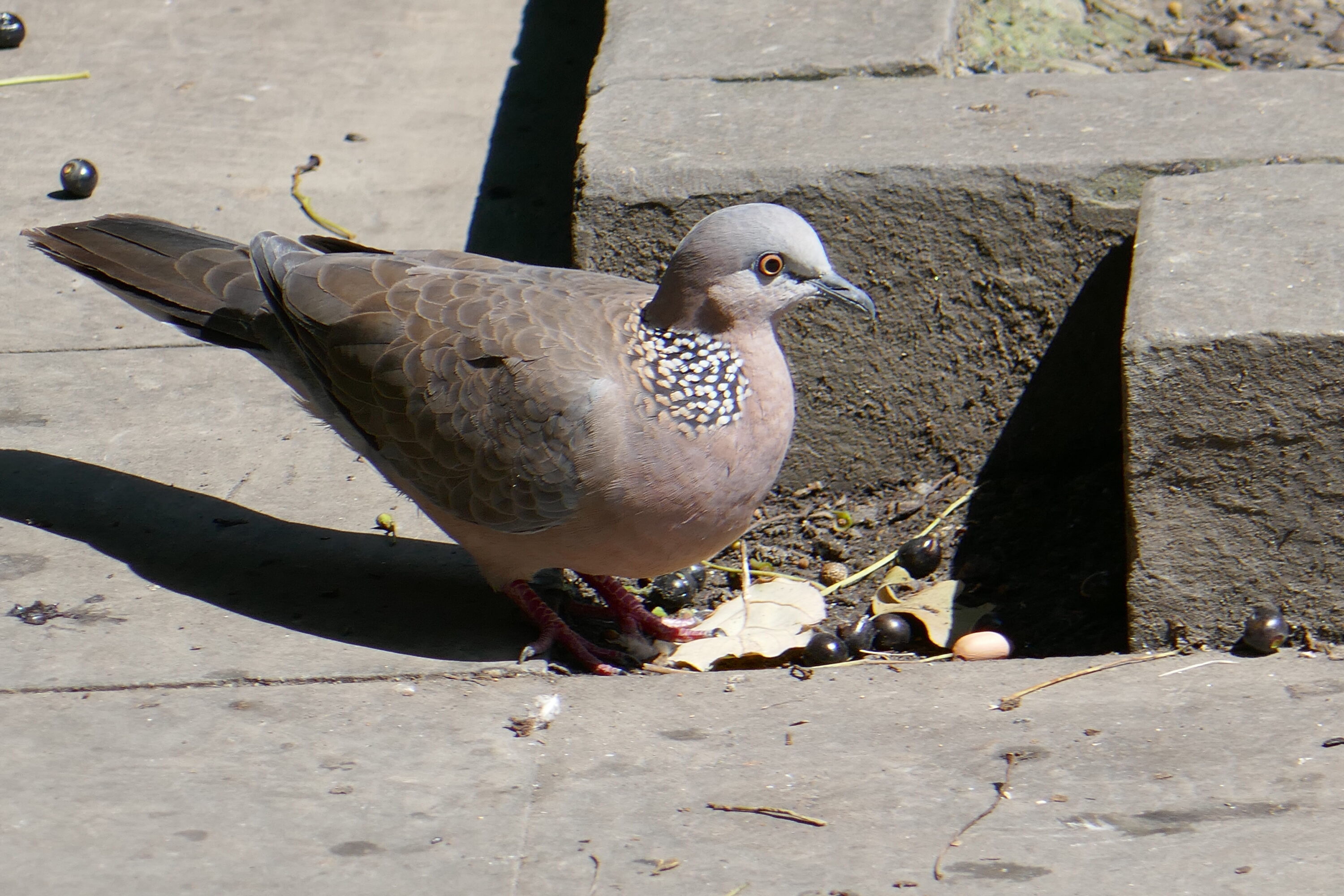
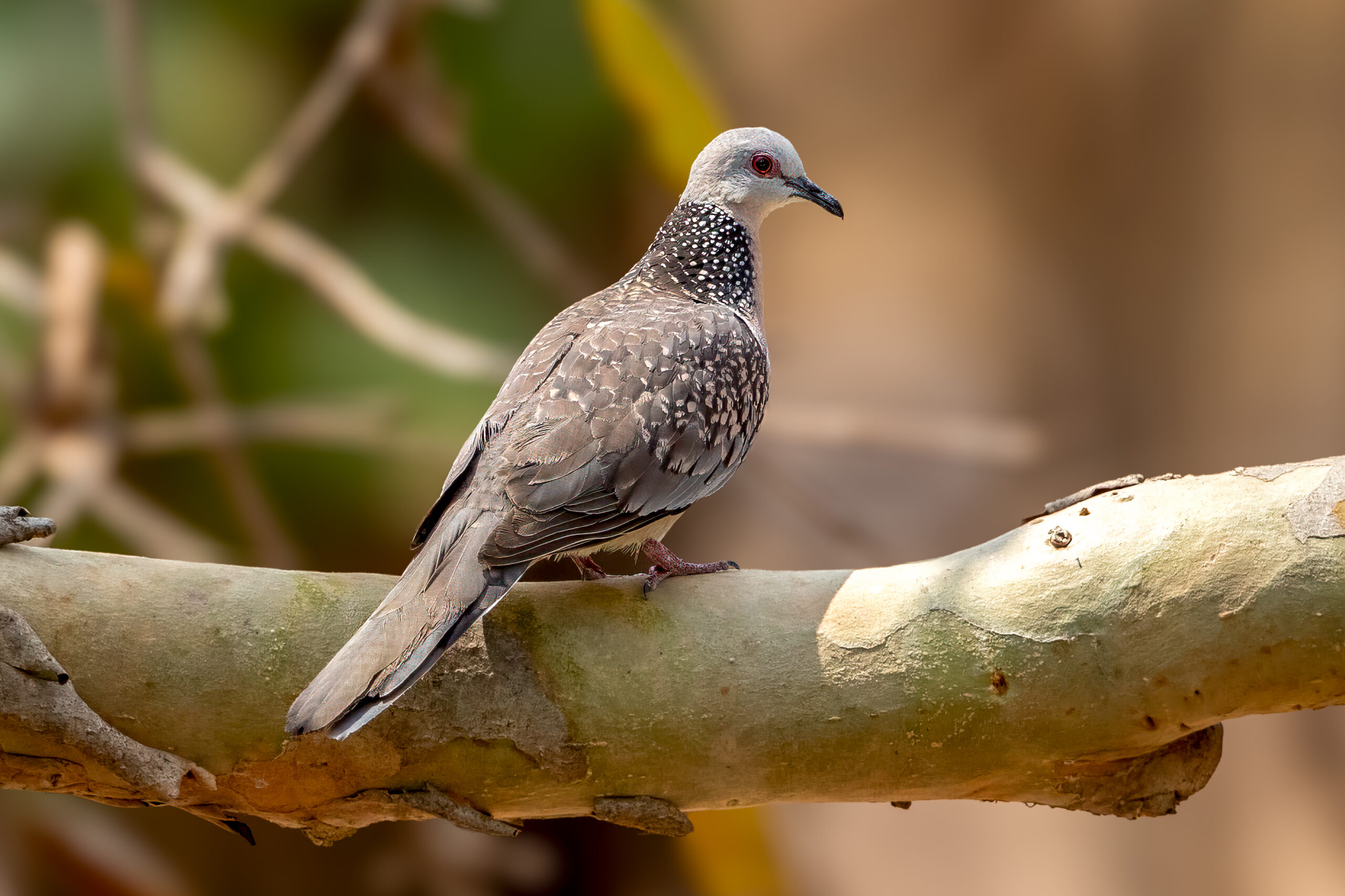
A mitochondrial DNA study of spotted doves (Spilopelia chinensis) across Jiangsu Province, China found little evidence that geography or urbanisation had divided the sampled birds into genetically distinct populations. The researchers analysed 139 doves from 13 sites spanning five avian geographical regions and detected 49 mitochondrial haplotypes.
All samples came from dead spotted doves confiscated by public-security agencies during investigations of illegal wildlife trade. Their capture locations had been documented, allowing the researchers to compare genetic variation across Jiangsu and to examine whether birds from more urbanised areas differed from those in moderately urbanised areas.
Many maternal haplotypes differed by relatively few DNA changes
The study combined sequences from two mitochondrial regions, cytochrome b and the D-loop. Across the concatenated sequences, haplotype diversity was high at 0.896, while nucleotide diversity was much lower at 0.00216. In practical terms, the sample contained many different maternal haplotypes, but the average sequence differences among them were relatively small.
The authors note that this combination of high haplotype diversity and low nucleotide diversity is a pattern often associated with relatively recent rapid population expansion: new haplotypes can accumulate faster than large sequence differences. They present this as an interpretation of the genetic pattern rather than a direct demographic reconstruction of the Jiangsu population.
Core haplotypes were shared across all five regions
The haplotype network contained three high-frequency core haplotypes that occurred in all five geographical regions. Neither the phylogenetic tree nor the network showed clear geographical clustering.
Pairwise FST values among regions were close to zero, giving no clear evidence of mitochondrial genetic separation among the five regions. Gene-flow estimates derived from FST were very high in every pairwise comparison. These are model-derived indicators of strong genetic connectivity, not counts of individual birds moving between regions.
The authors argue that Jiangsu’s largely flat terrain and lack of major geographical barriers, together with the dove’s strong dispersal ability, can help maintain this connectivity. They also suggest that urban green spaces, farmland and other linear or patchy habitats may provide dispersal pathways through human-modified landscapes.
Urbanisation level did not explain detectable mitochondrial structure
The researchers classified sampling sites as highly urbanised when the relevant city’s urbanisation rate was at least 70%, and moderately urbanised below that threshold. An analysis comparing these groups found negligible differentiation and no clear evidence of a difference between them.
The authors note an important feature of the sampling design: highly urbanised sites were concentrated mainly in southern Jiangsu, while moderately urbanised sites were mainly in the north. Urbanisation and north–south geography were therefore partly confounded. Even so, neither the urbanisation comparison nor the regional FST analyses found clear mitochondrial genetic subdivision in the study area.
The results inform where confiscated birds might be released
A practical aim of the study was to guide management of spotted doves confiscated in wildlife-law-enforcement cases. From the mitochondrial data, the authors conclude that release at or near the documented place of origin within Jiangsu is unlikely to create substantial genetic-contamination risk.
Until the result is validated with nuclear markers, they recommend prioritising release sites with habitat conditions similar to those at the seizure location. Birds that may have originated outside Jiangsu require separate, careful assessment. The authors also emphasise that genetics is only one part of a release decision; habitat quality and food resources remain important.
Mitochondrial DNA follows only the maternal lineage
The study’s release recommendation is explicitly limited by the marker type. Mitochondrial DNA is maternally inherited, so it describes maternal gene flow but cannot directly measure gene exchange mediated by males. If dispersal differs between the sexes, mtDNA can give a different picture from the nuclear genome.
The authors therefore recommend validation with nuclear markers such as microsatellites or single-nucleotide polymorphisms before the Jiangsu results are applied more broadly. Within the mitochondrial dataset itself, however, the conclusion is consistent across methods: spotted doves sampled across Jiangsu showed high haplotype diversity, little regional differentiation and no detectable genetic division associated with the measured urbanisation levels.
Genetics & genomics
Related news
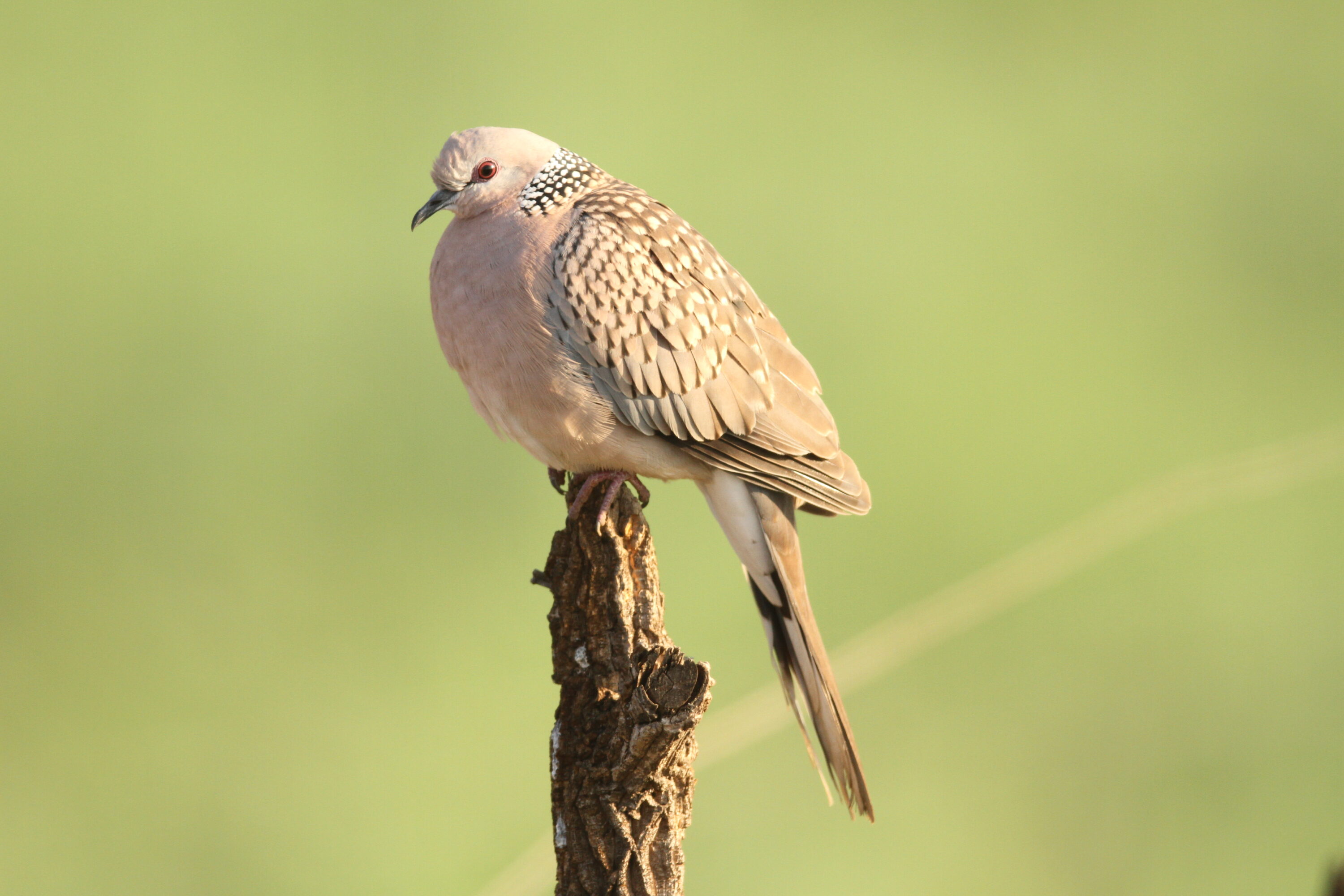
Updated India Index Estimated a 3.0% Annual Increase for Spotted Dove
The 2026 interim update to State of India’s Birds estimated a current annual increase of 3% in the…
Read story →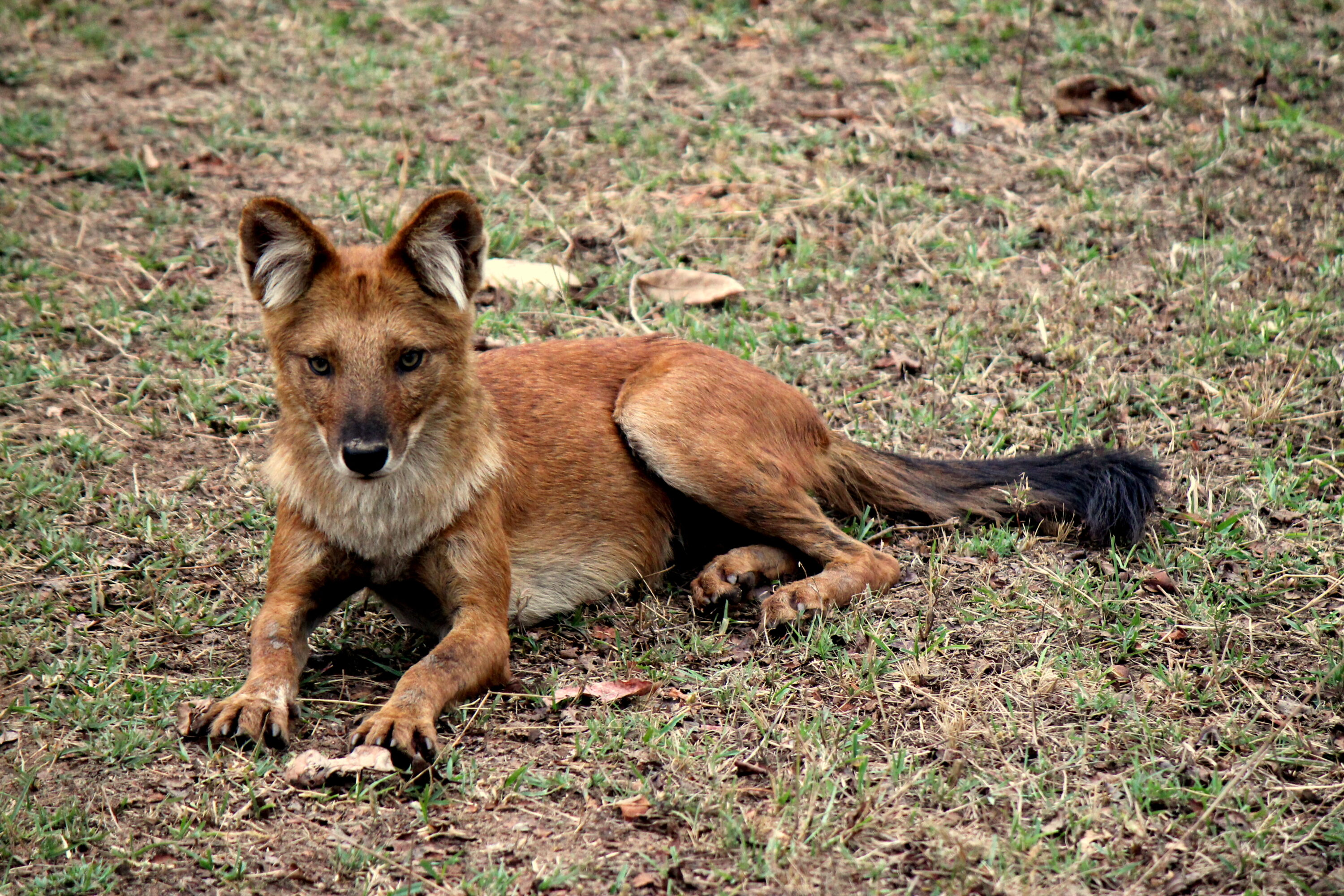
Dhole Gets Its First Chromosome-Level Genome Assembly
Researchers assembled a 2.42-billion-base genome for the dhole, anchoring 97.0% of its sequence to 39 chromosomes. The resource…
Read story →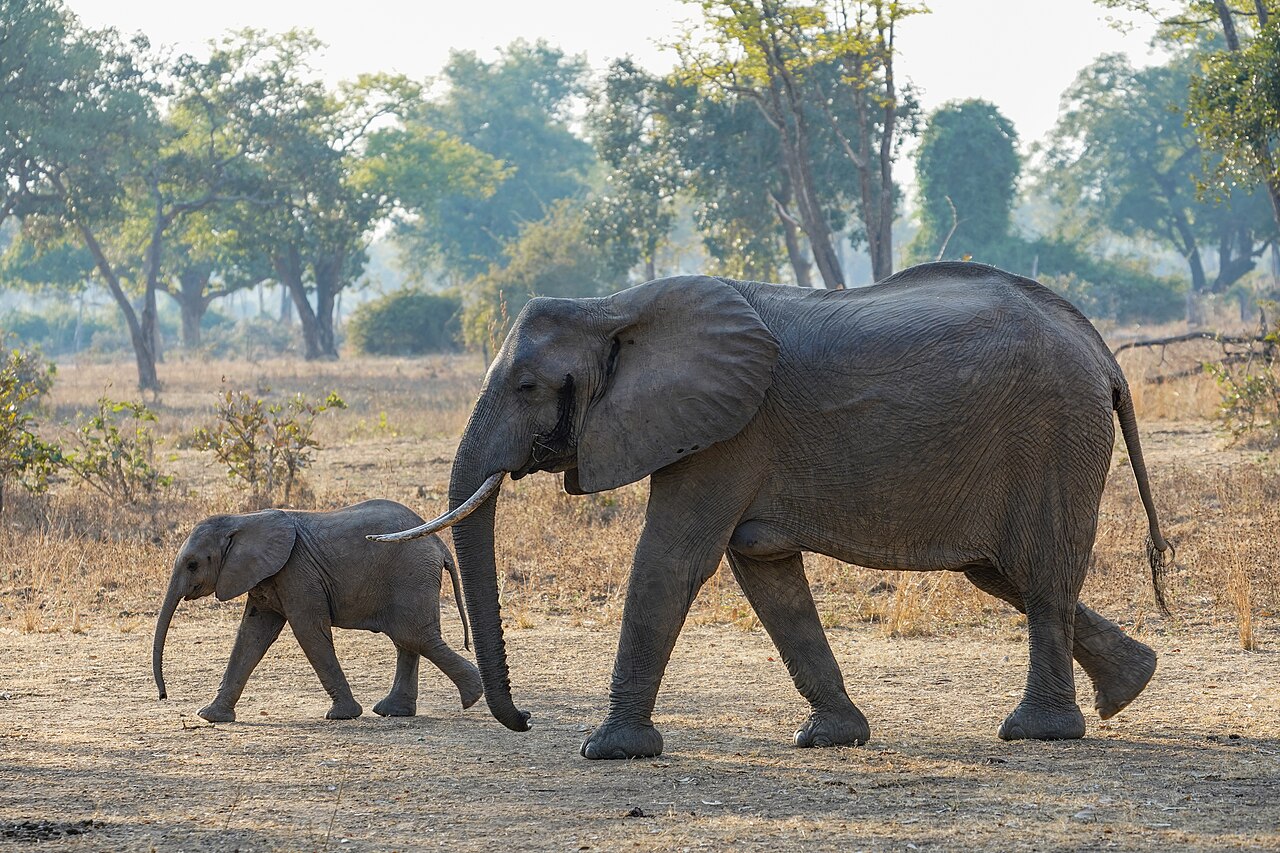
An ancient viral gene may have been repurposed in elephant placenta
An ancient viral gene that appears to have been inherited for at least 79 million years is strongly…
Read story →SPECIES IN THIS STORY
Species in this story
Independent research and conservation news archive
Did you find this information useful?
Wildlife Vagabond is independently built and maintained. Voluntary support helps cover source verification, hosting and continued work on research and conservation news.
Support Wildlife VagabondThe news archive will remain freely available.