
Updated India Index Estimated a 3.0% Annual Increase for Spotted Dove
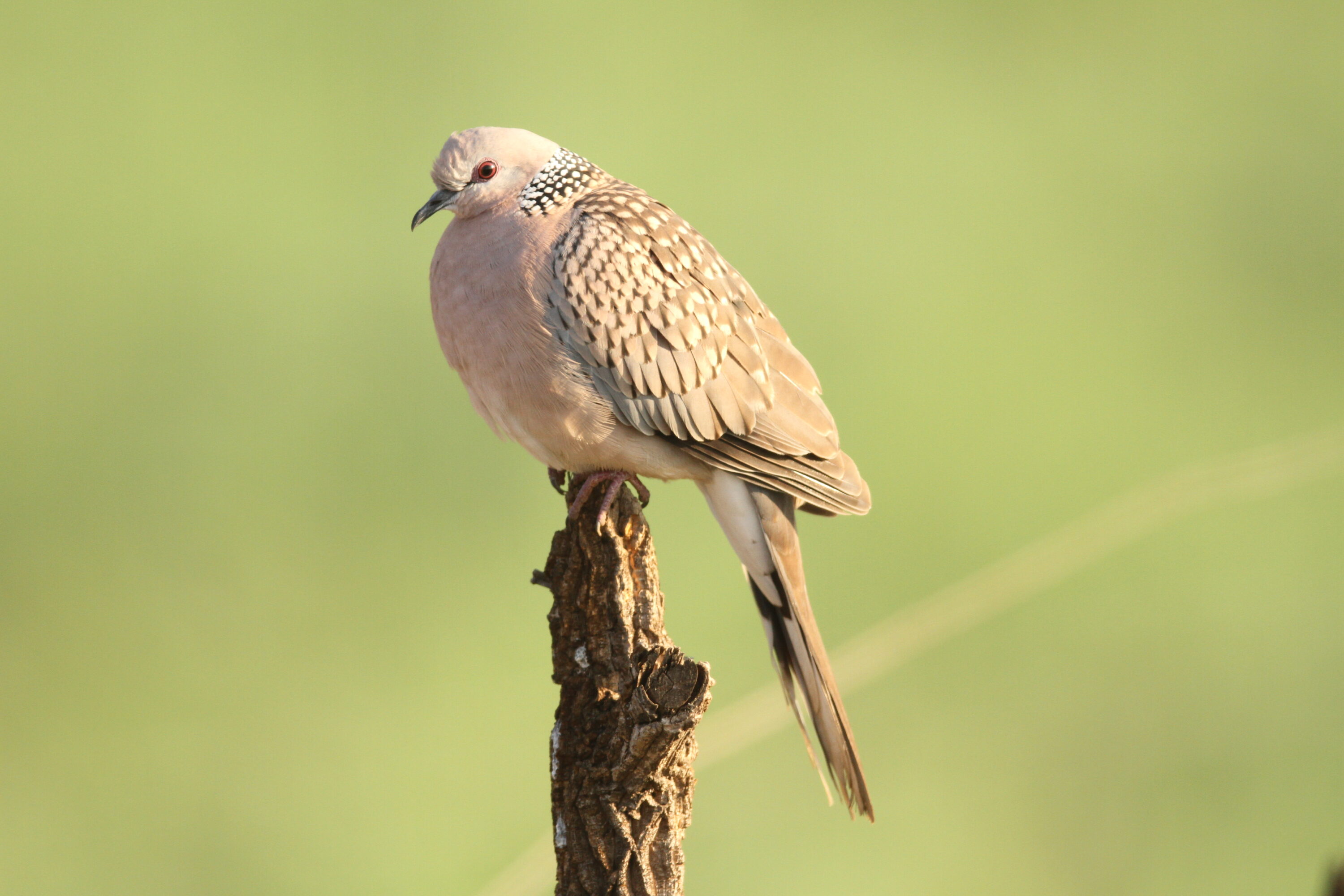
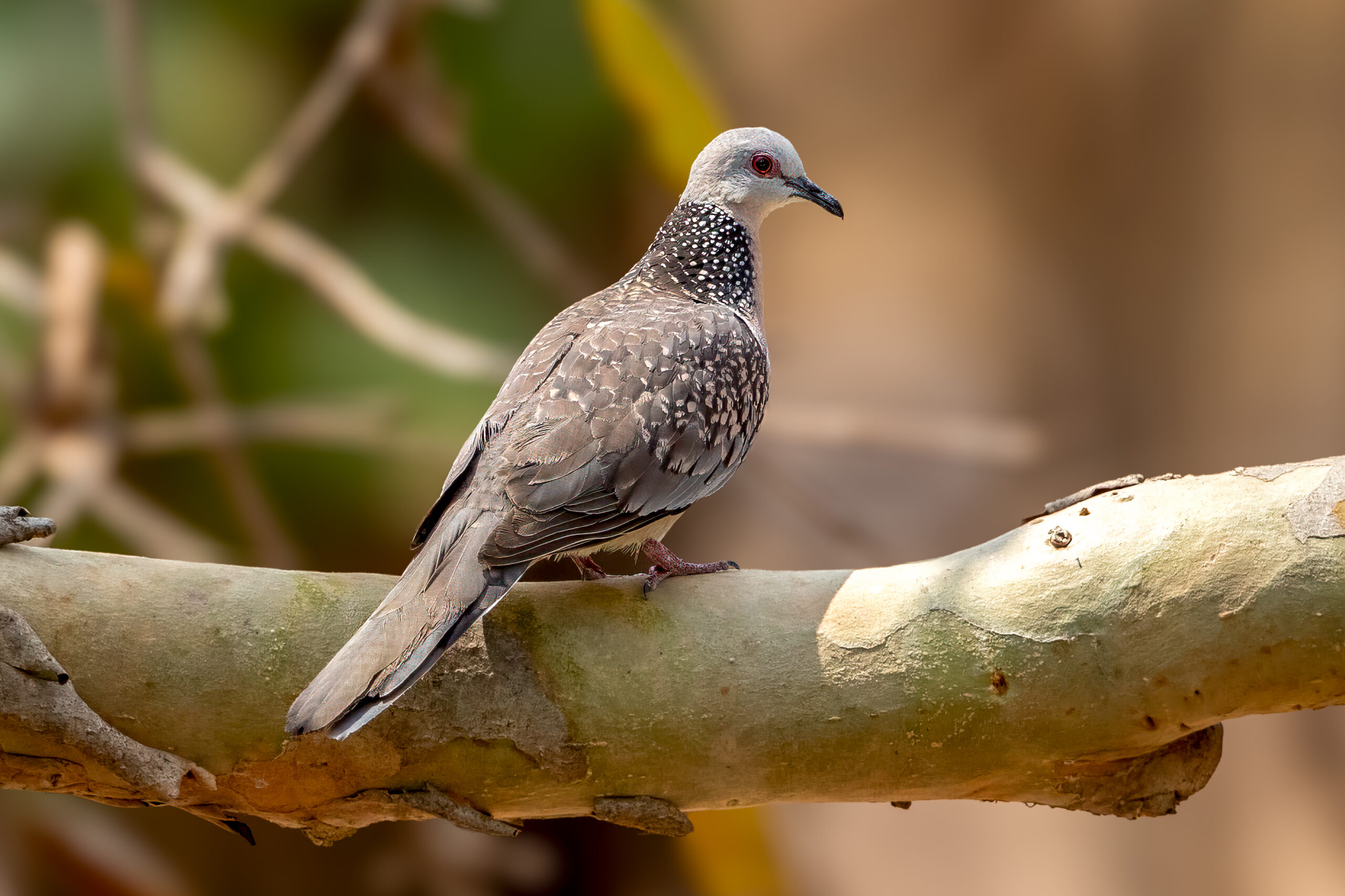
The 2025 interim update to State of India’s Birds, released on 6 May 2026, estimated that the national abundance index for spotted dove (Spilopelia chinensis) had increased by an average of 3% per year over the recent assessment period. The updated estimate clearly supported an increase, while the carried-over category for current annual trend remains “Increase”.
The update is based on a substantially enlarged dataset of about 48 million eBird observations from across India, covering records available through 31 May 2025. State of India’s Birds uses frequency of reporting in complete bird lists as an abundance index, so the trend describes change in that index rather than a direct census of individual birds.
The numerical long-term estimate was also strongly positive
For the long-term comparison, the updated numerical estimate placed the spotted dove index 72.5% above the pre-2000 baseline, clearly supporting a long-term increase. The species page nevertheless retains the categorical long-term assessment “Trend Inconclusive” because the interim update did not recalculate the earlier categories.
This difference reflects how the 2025 interim update was produced. The new version recalculated the numerical values for long-term trend, current annual trend and distribution range using the larger dataset and an updated uncertainty procedure, while the categorical assessments from the earlier report were not changed.
A very large estimated range in India
The updated analysis estimated the spotted dove’s Indian distribution range at 2,246,884 km², which State of India’s Birds classifies as very large. The species remains in the report’s low conservation-priority category and is globally listed as least concern.
Population & status
Related news
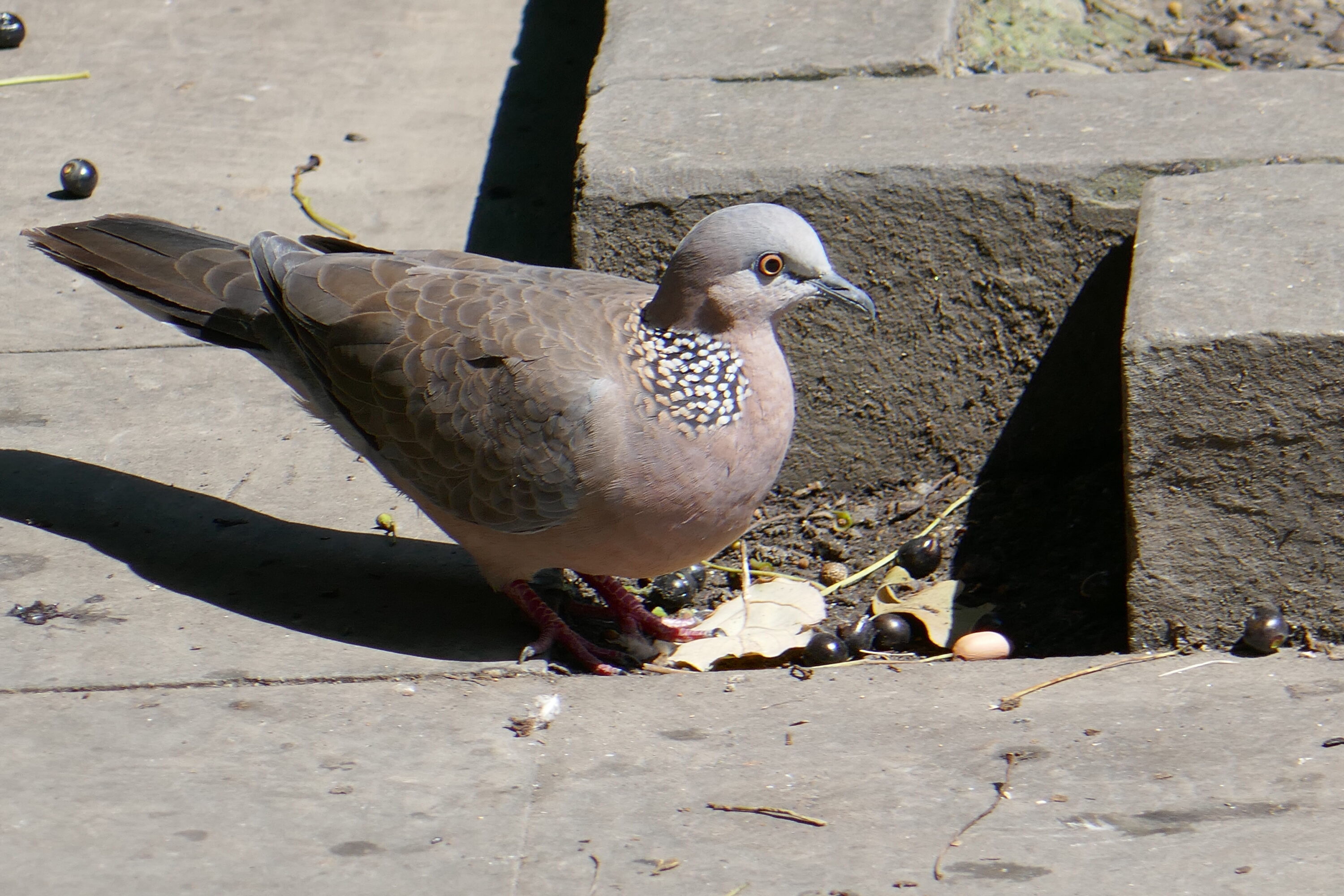
Spotted Doves Showed Little Mitochondrial Genetic Differentiation Across Jiangsu
Mitochondrial DNA from 139 confiscated spotted doves across 13 sites in Jiangsu showed 49 haplotypes but little genetic…
Read story →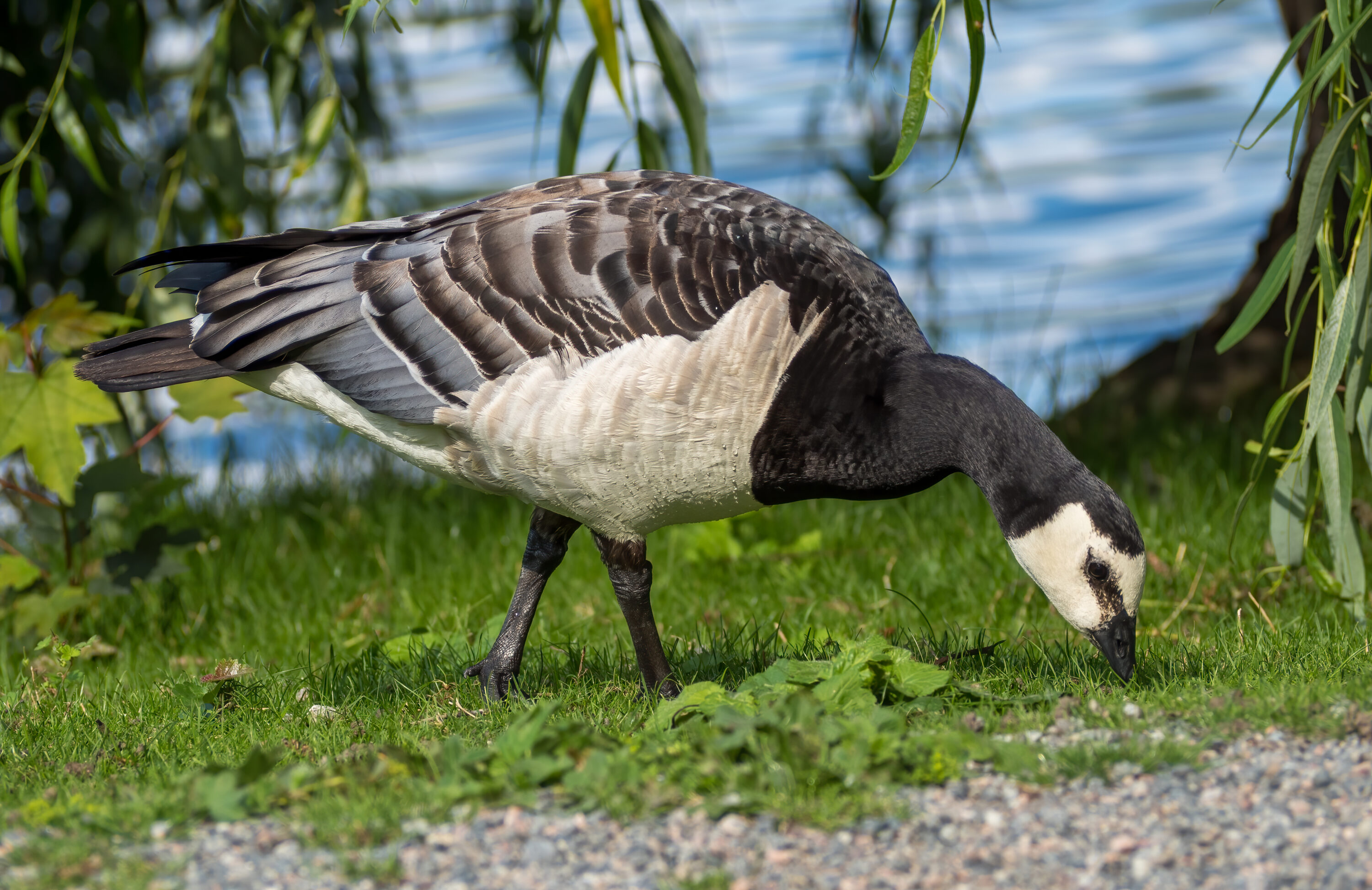
Barnacle Goose Breeding Population Fell 98% on Gotland and Öland – Eagle Predation a Likely Factor
Breeding pairs of Barnacle Geese on Gotland and Öland fell from about 5,290 in 2002 to roughly 100…
Read story →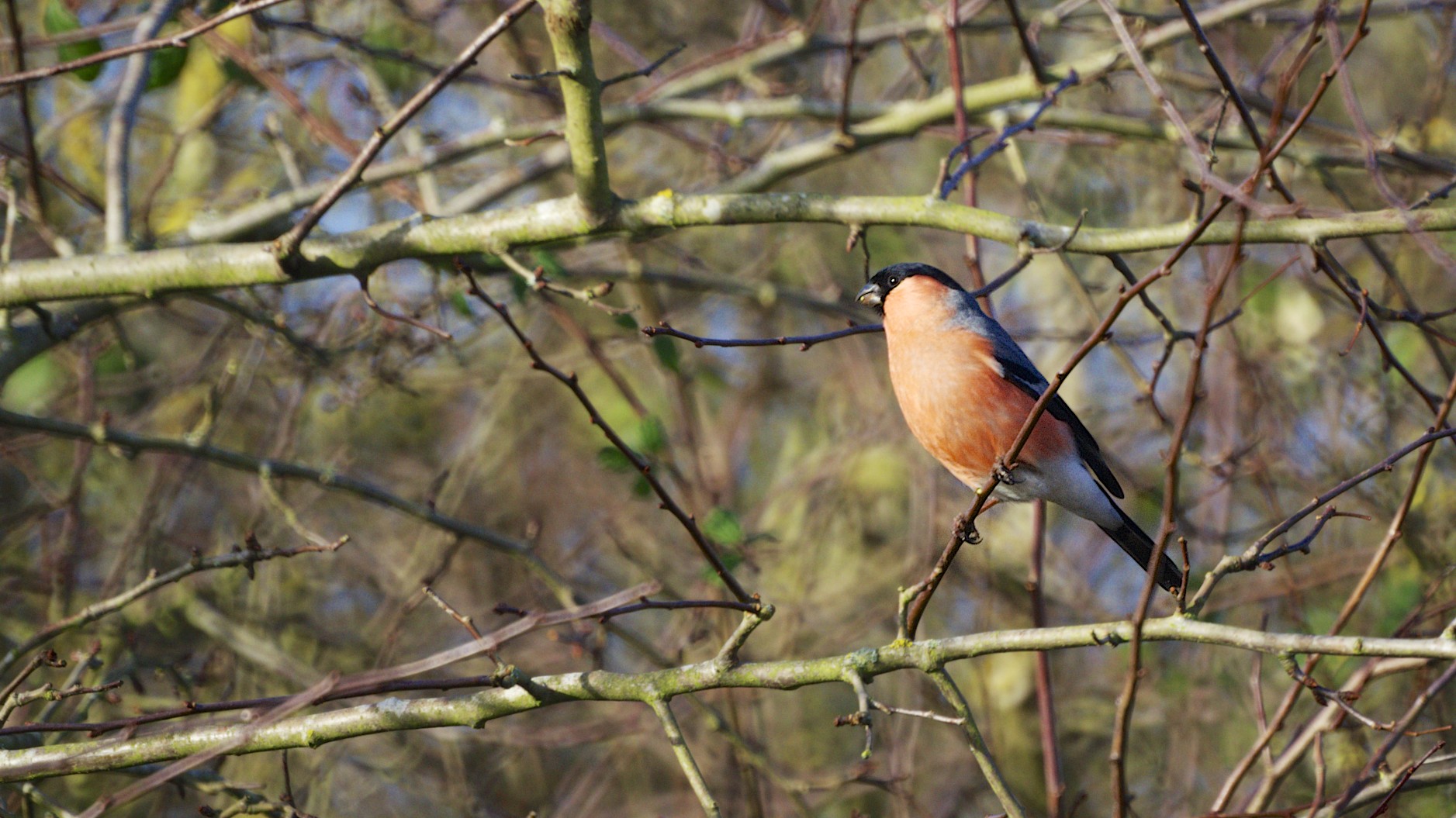
51 Years of Bullfinch Monitoring Revealed Decline, Male Bias and Age-Matched Pairs
A 51-year study in Treswell Wood, England, recorded a strong Eurasian Bullfinch decline. Among 2,065 ringed birds, males…
Read story →SPECIES IN THIS STORY
Species in this story
Independent research and conservation news archive
Did you find this information useful?
Wildlife Vagabond is independently built and maintained. Voluntary support helps cover source verification, hosting and continued work on research and conservation news.
Support Wildlife VagabondThe news archive will remain freely available.