
Different Parts of the Same Starling Flock Used Different Escape Patterns Simultaneously
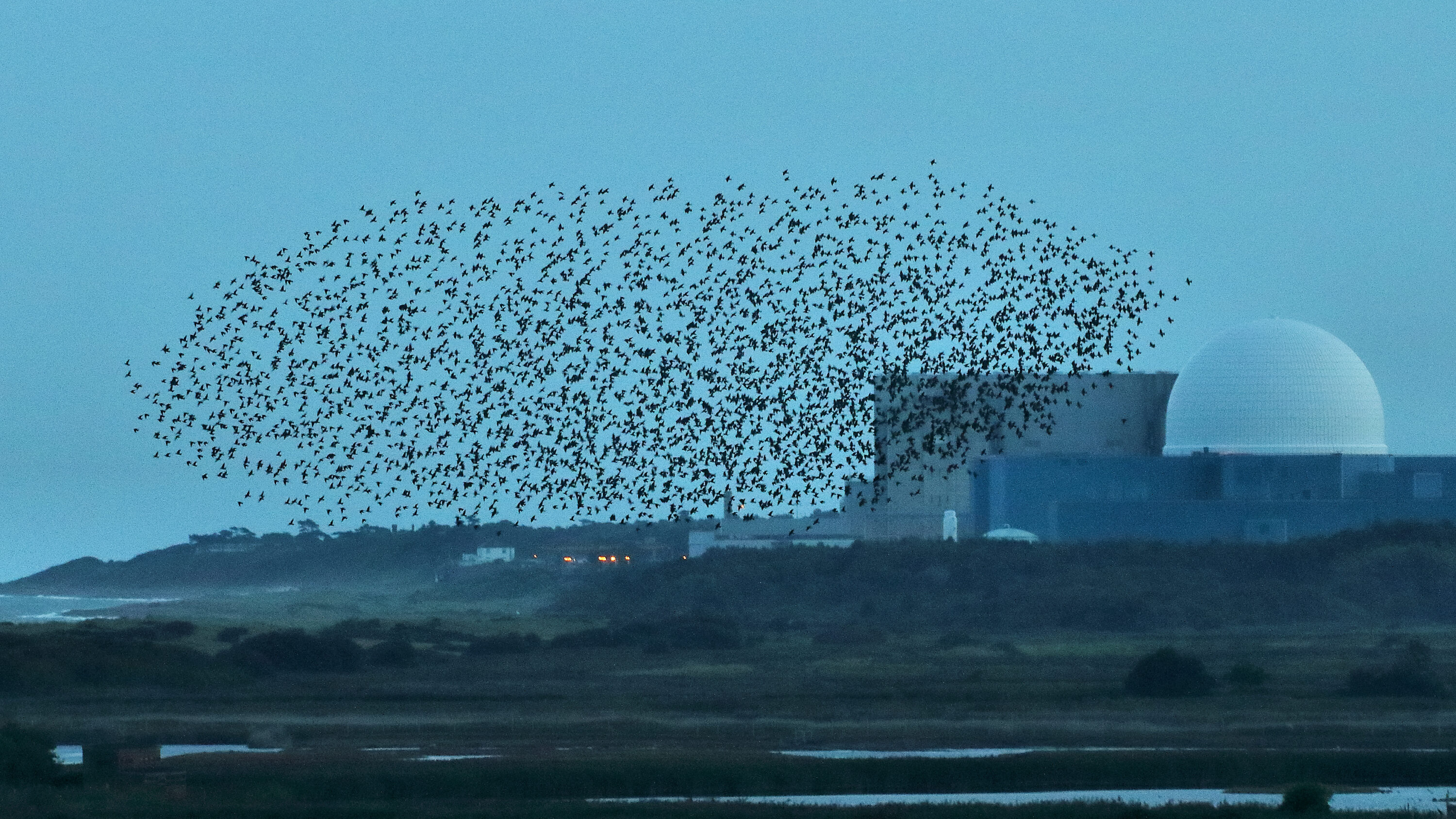
A study published on 18 May 2026 found that different parts of the same European starling (Sturnus vulgaris) flock can perform different escape manoeuvres at the same time when pursued by an aerial predator. The result shows that a flock’s collective response does not require every bird to make the same movement simultaneously.
The researchers analysed field video of 19 starling flocks, ranging from roughly 20 to 2,000 birds, at agricultural sites in the northern Netherlands in 2019. They used the remotely controlled RobotFalcon, an aerial device designed to resemble a peregrine falcon in size and appearance. The pilot approached flocks while they were on the ground and continued the pursuit after the birds took off.
Different parts of one flock could escape differently
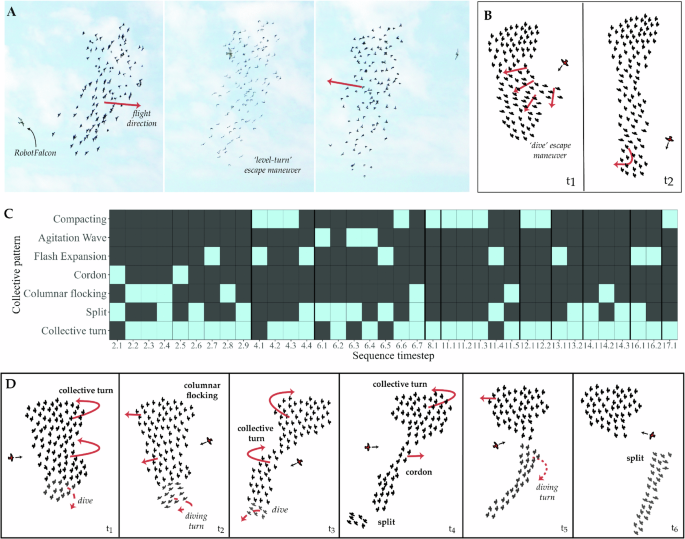
The detailed analysis focused on ten flocks in which at least two collective escape patterns occurred at the same time. Individual birds used level turns, dives and combinations of the two, while these local responses combined into several larger flock patterns.
One part of a flock could turn while another split away or compacted into a denser group. Sudden “flash expansions” occurred near the predator’s attack point as birds rapidly moved apart, while other regions of the flock could be turning or becoming denser at the same moment. The researchers also observed columnar flocking, in which the group became elongated vertically, and narrow connecting bands or “cordons” between differently moving parts of a flock.
A 3D model tested how local rules can create flock-level patterns
The researchers then built a three-dimensional agent-based model called StarEscape. In an agent-based model, each simulated bird follows rules as an individual rather than the flock being given a pre-programmed overall shape. The artificial starlings responded to nearby neighbours through attraction, repulsion and alignment, while a simulated predator pursued and attacked the flock.
These simple local interactions were sufficient to generate several large-scale patterns resembling those seen in the videos, including collective turns, splits, columnar flocking and cordons. The model therefore provided a way to test how individual evasive decisions can scale up into complex flock behaviour.
Information flow, predator position and previous flock state all mattered
The simulations pointed to three especially important ingredients: how rapidly escape information propagates through the flock, where individuals are positioned relative to the predator and the state the flock was already in immediately beforehand.
The last effect is called hysteresis. It means that the same immediate conditions do not always produce the same flock shape or density because the group carries a short-term “memory” of its previous state. A flock that has just expanded, compacted or turned may therefore respond differently from one starting in another configuration.
The model identifies individual-level rules capable of producing dynamics similar to those observed in wild starlings; it does not prove that real birds use exactly those rules. Different combinations of individual behaviour can sometimes generate similar flock-level outcomes. The strongest empirical result remains the field observation that several escape patterns can occur simultaneously within one flock.
Behaviour
Related news
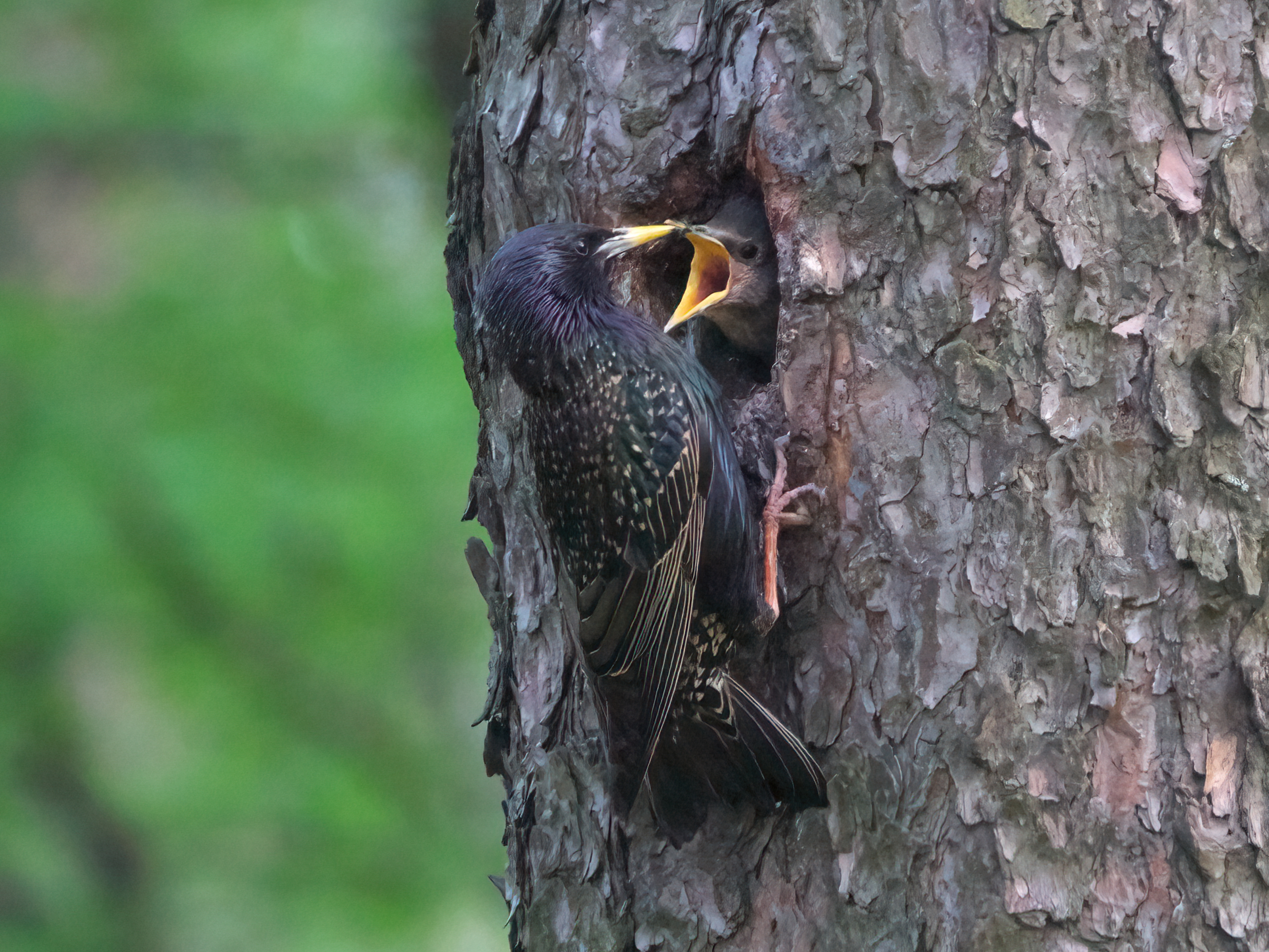
Common Starling Parents Called Less Often as Their Nestlings Grew Older
Common starling parents called on 62% of feeding visits when chicks were two days old but only 4%…
Read story →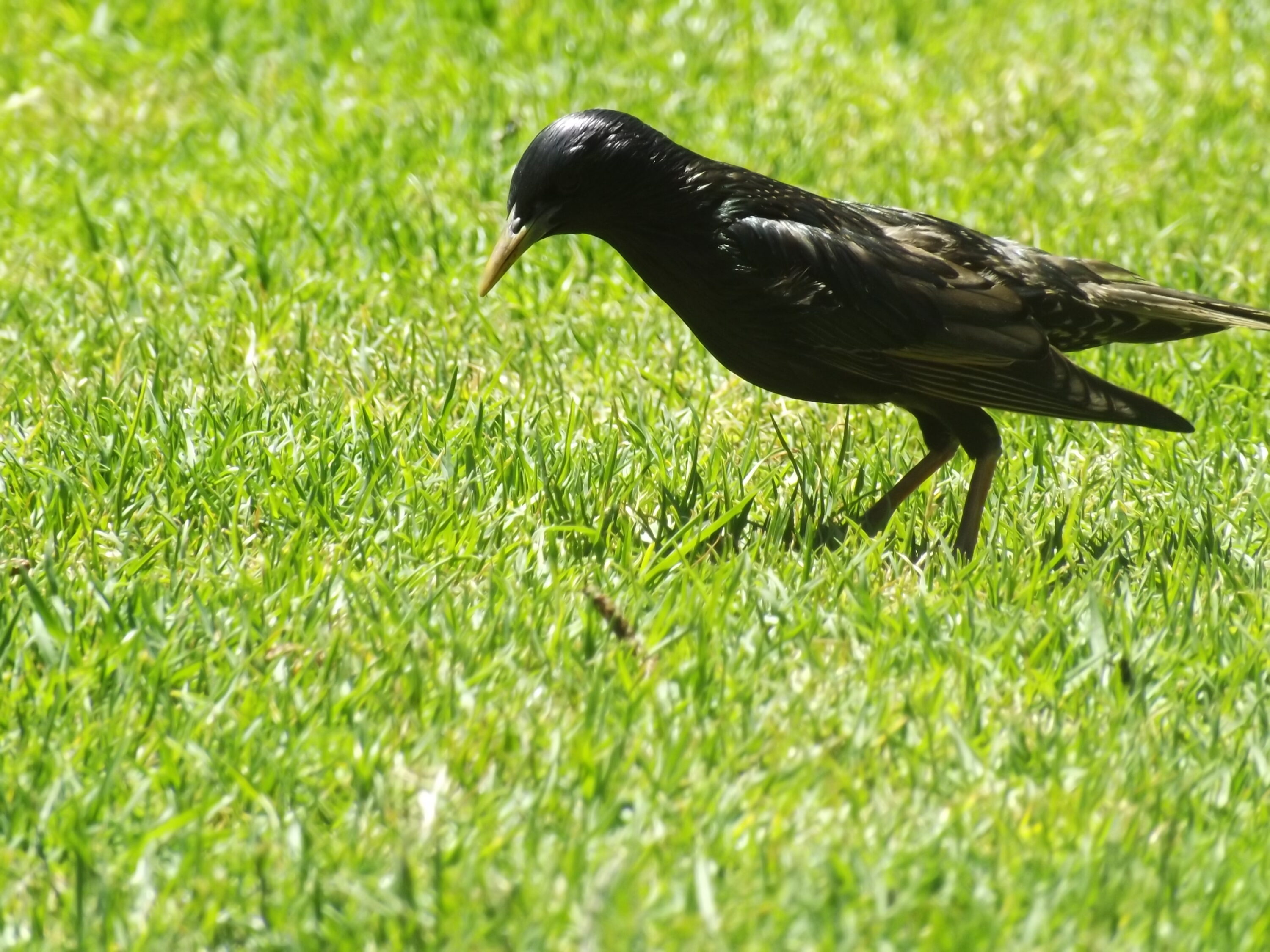
Recent Starlings in Western Australia Differed Genetically from the 2000s Population
Starlings detected in Western Australia in 2017–2024 were genetically distinct from birds sampled there in the 2000s, a…
Read story →
PFAS Exposure Was Linked to Oxidative Stress in Starling Chicks, but Not to Similar Changes in Great Tits
Eggs near an Italian fluoropolymer plant contained up to ten times more PFAS. Starling nestlings showed signs of…
Read story →SPECIES IN THIS STORY
Species in this story
Independent research and conservation news archive
Did you find this information useful?
Wildlife Vagabond is independently built and maintained. Voluntary support helps cover source verification, hosting and continued work on research and conservation news.
Support Wildlife VagabondThe news archive will remain freely available.