
Only Two Svalbard Reindeer Carcasses Were Found in Adventdalen, the Fewest Since 1979
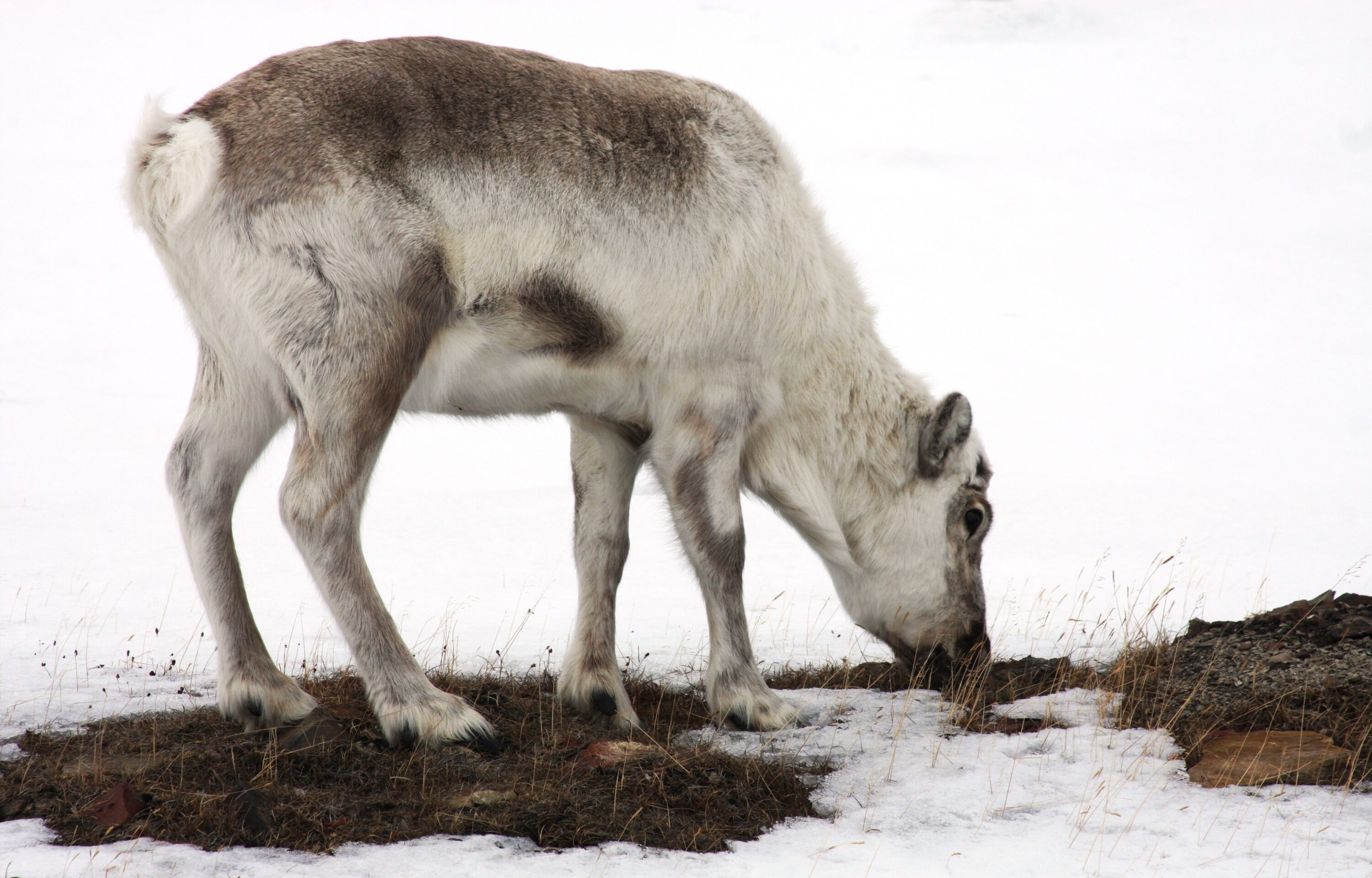
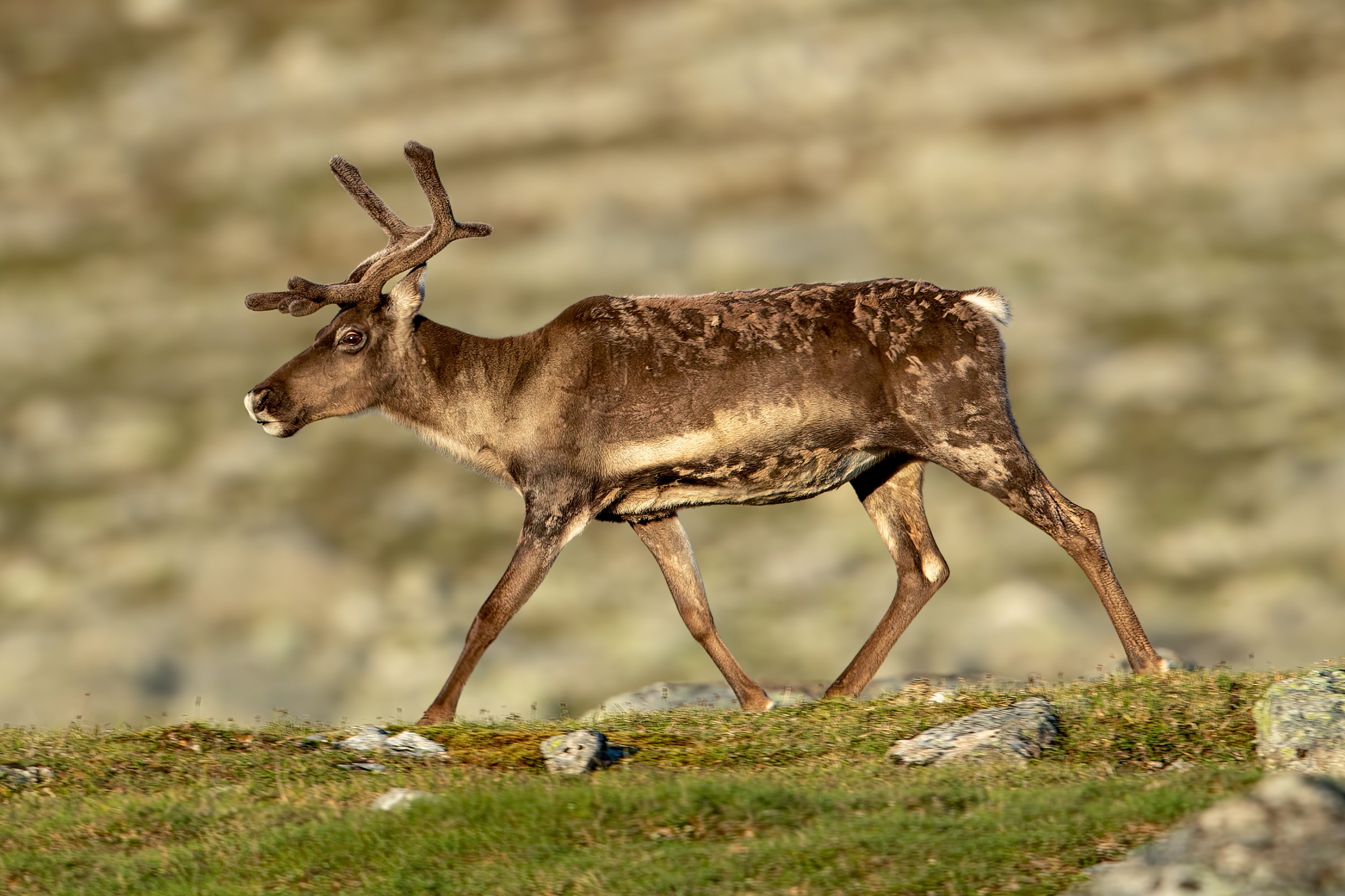
The 2026 summer count in Adventdalen, Norway outside Longyearbyen recorded 1,503 Svalbard reindeer (Rangifer tarandus platyrhynchus) and only two carcasses. The Norwegian Polar Institute described this as the lowest mortality recorded since monitoring began in 1979. In this annual field count, carcass finds are the direct indicator of mortality rather than a record of every individual death. By comparison, the 2025 count found 302 carcasses.
The number of living animals was also high. The 1,503 reindeer counted in 2026 were up from 1,348 the previous year and made this the fourth-highest count in the time series, after 2018, 2021 and 2023. Eight of ten females had calves, one of the highest reproductive rates recorded in the programme. The counted population in Adventdalen has roughly tripled since monitoring began.
Last Year’s High Mortality Also Changed the Population
The Polar Institute cautions that the exceptionally low number of carcasses cannot be attributed to one factor. One part of the explanation is the very high mortality in 2025. After a year in which many animals die, mortality will normally fall the following year because many of the weakest individuals, particularly young and old animals, have already been lost. The age structure of the population therefore changes as well.
Winter and spring conditions may also have made forage unusually accessible. Adventdalen had little snow through the winter, and April had 16 days with temperatures above freezing even though it is normally still a winter month. Late winter and spring are a nutritional bottleneck for Svalbard reindeer because forage is scarce or difficult to reach while body energy reserves are depleted. The researchers suggest that the strong April thaw reduced snow and ice cover and made plants more accessible.
Many animals were counted on plateaus and mountain slopes rather than in the lowlands where they are usually found at this time of year. Females with calves were seen both in inner valleys and at higher elevations. The early spring may have brought plant growth forward, allowing reindeer to follow fresh vegetation — a “green wave” — uphill through the summer.
Fewer Reindeer Carcasses Also Mean Less Food for Arctic Foxes
The unusually low reindeer mortality has consequences for another species. Arctic foxes (Vulpes lagopus) on Svalbard feed partly on reindeer carcasses. In 2025, Polar Institute researchers found pups in more than half of the fox dens they examined in Adventdalen, Eskerdalen and Sassendalen. By the time of the 2026 update, pups had been documented in only 10% of dens in the same area.
The institute describes this as a natural link between the two monitoring results: fox breeding tends to fall when few reindeer carcasses are available and to rise when reindeer mortality is high. The 2026 monitoring therefore shows very low reindeer mortality while also documenting much less carrion availability for Arctic foxes.
A Warmer Climate Can Bring Both Benefits and Uncertainty
Svalbard reindeer have sometimes been described as “climate winners” because warmer conditions can increase plant growth and lengthen the grazing season. Warm summers can allow animals to enter winter in better condition, and winters that are mild enough to melt snow and ice can open rather than seal grazing areas.
Researchers nevertheless stress that this does not establish how the subspecies will fare under continued warming. Svalbard reindeer are strongly adapted to a cold climate, and the Polar Institute points to limited knowledge about their tolerance of summer heat stress and how quickly they can adjust to rapidly changing habitats. The 2026 count therefore documents exceptionally low recorded mortality in Adventdalen, not a simple long-term forecast.
Population & status
Related news
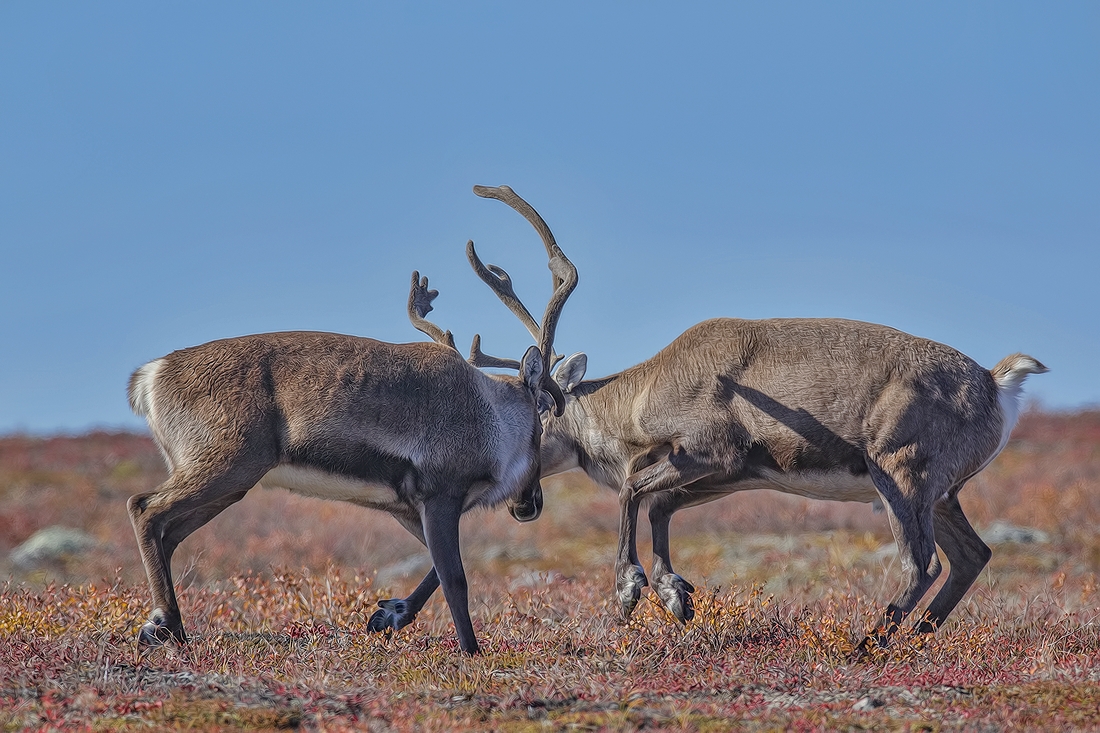
Inuit harvesters help detect an emerging parasitic disease in Arctic caribou
Near Kugluktuk in Nunavut, Inuit harvesters reported unusual tissue changes in caribou. Tests found DNA from two parasitic…
Read story →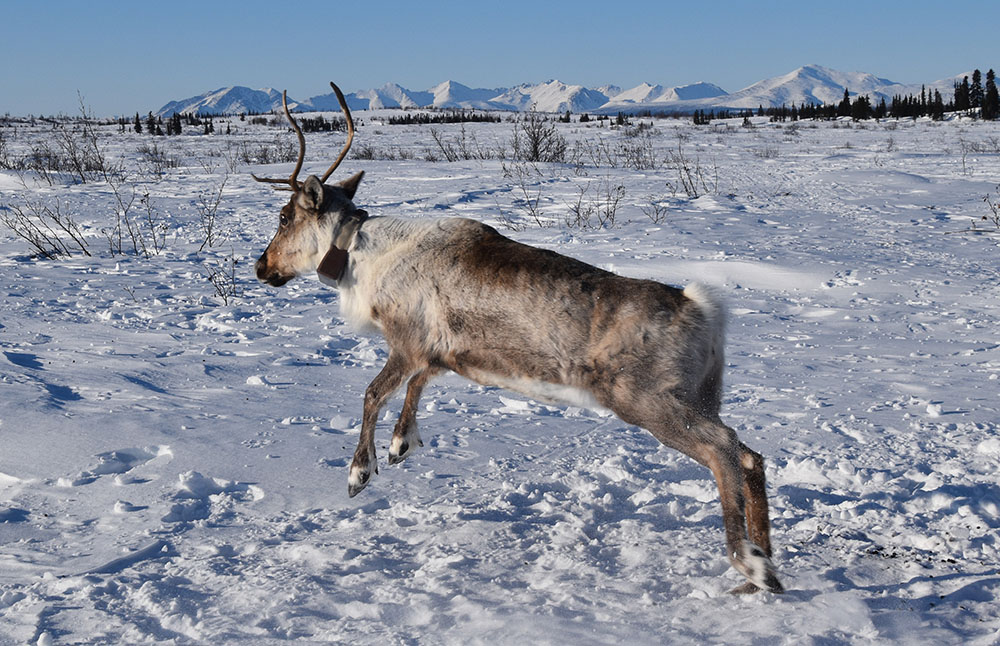
Video Collars Showed GPS Methods Were Only About 70% Accurate at Detecting Caribou Calving
Video collars from 160 adult females in the Porcupine and Western Arctic herds showed that two GPS movement…
Read story →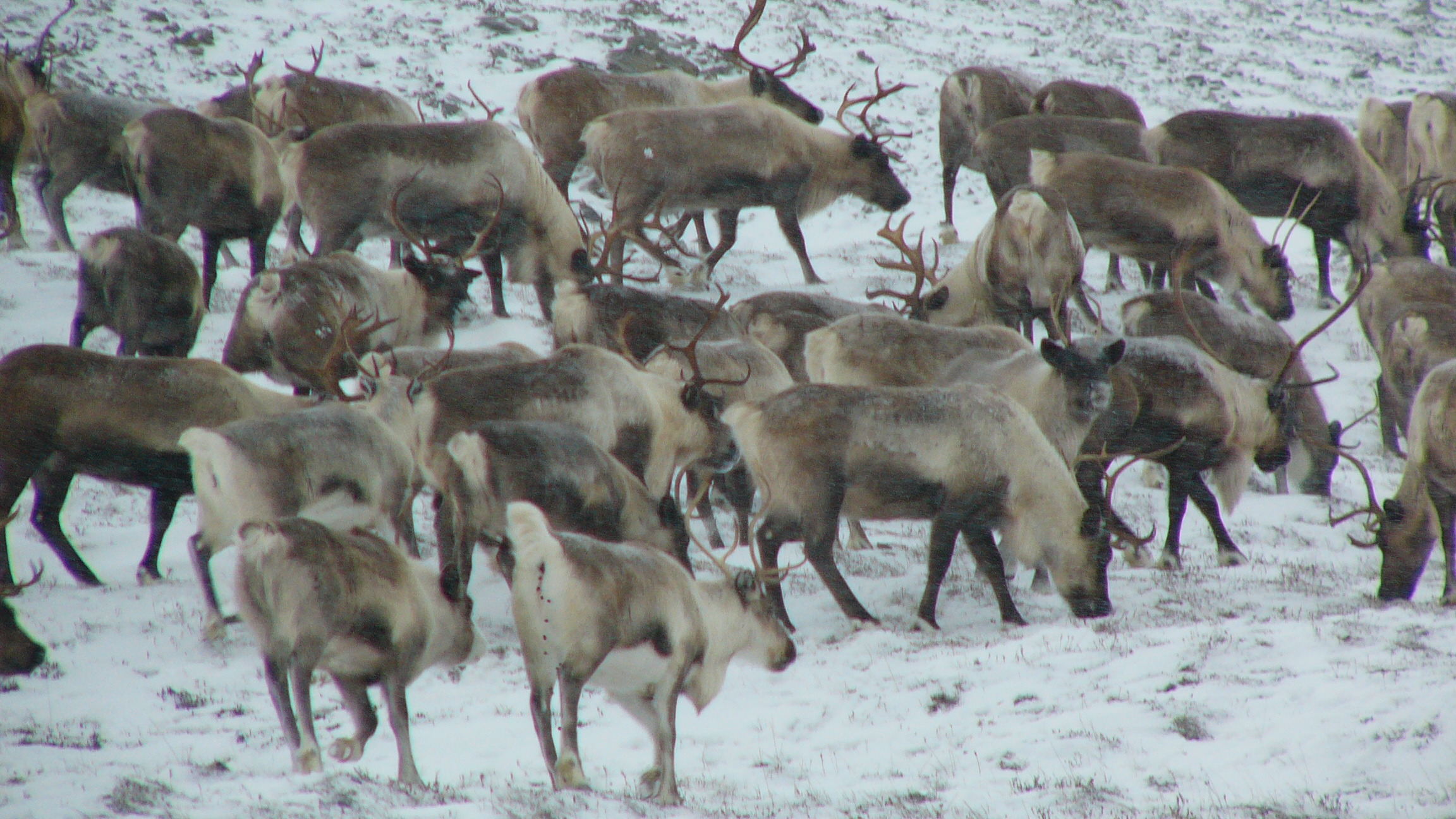
Reindeer and Caribou Showed Broad Genetic Differences Across Russia, Alaska and Canada
Microsatellite data from 1,544 reindeer and caribou in 42 populations showed broad genetic differentiation among Russia, Alaska and…
Read story →SPECIES IN THIS STORY
Species in this story
Independent research and conservation news archive
Did you find this information useful?
Wildlife Vagabond is independently built and maintained. Voluntary support helps cover source verification, hosting and continued work on research and conservation news.
Support Wildlife VagabondThe news archive will remain freely available.