
Chital Alarm Calls Were Used to Map Predator Risk Near Bardia

A field study in southern Nepal showed that alarm calls from chital (Axis axis) can be detected automatically and used as a proxy for mapping areas of higher predator risk. The system was developed mainly with tiger (Panthera tigris) conflict in mind, but the researchers note that the same alarm calls may also be triggered by leopards.
Before deploying the sensor network, the researchers tested whether three common prey species responded vocally to a simulated tiger. They completed seven successful presentations to chital, five to rhesus macaques (Macaca mulatta) and two to Nepal grey langurs (Semnopithecus schistaceus). In every successful presentation where the animals saw the tiger model before fleeing, they produced characteristic alarm calls. Only one of 35 control presentations with the same human but no tiger model produced an alarm call.
Chital calls became the basis of the field system
Of the three prey species, chital most often alarm called in response to the tiger model. The automated detector was therefore built specifically around chital vocalisations. Ten interconnected acoustic sensors were deployed in Dalla Community Forest from December 2024 to March 2025.
When a sensor detected a likely chital alarm call, the event could be passed through the mesh network to a cellular-connected repeater and then to a remote monitoring station. The detections were displayed as a changing heatmap of predator risk, allowing alarm activity from remote forest to be monitored without manually retrieving and processing recordings.
Field tests detected most reviewed alarm bouts, but false alarms remained
Manual review of a subset of the field recordings identified 23 separate bouts of chital alarm calling. Across the detection thresholds tested, the highest true-positive rate corresponded to 20 of those 23 bouts. At the threshold that gave the best overall balance between detecting calls and limiting false detections, the false-alarm rate was 2.5 per hour.
The authors therefore present the network as a proof of concept rather than a finished warning system. Reducing false alarms is important before repeated detections can be turned into practical warnings for forest users.
Alarm calls indicate predator risk, not tiger identity
The study also shows why the maps must be interpreted as risk maps rather than confirmed tiger locations. In 30 of 79 attempted predator presentations, prey fled before a successful test could be completed and did not vocalise. The researchers could not determine whether this reflected recognition of the experimenters or whether prey sometimes also flee silently from real tigers.
Chital alarm calls are also unlikely to identify which large cat caused the response. Leopards can trigger similar alarms, although the authors regard this as useful because leopards also pose a risk to people using the forest.
The researchers propose that a refined system could help local forest rangers identify areas of elevated predator risk and direct warnings to people entering the forest for grazing, fodder collection and other daily activities. They identify lower false-positive rates and robust reporting and alert protocols as key next steps.
Human–wildlife conflict
Related news
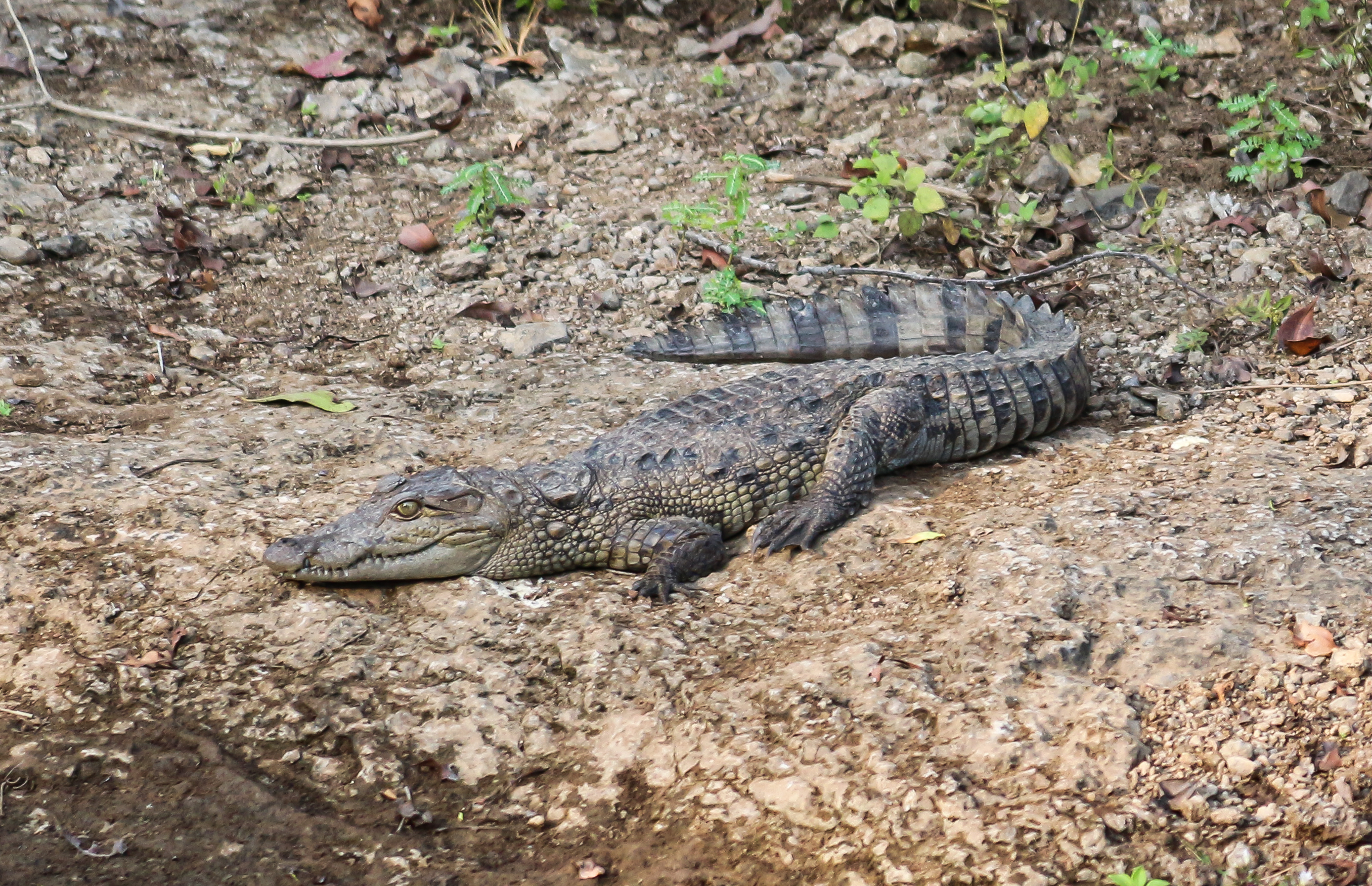
Falling Tungabhadra Water Levels Brought Mugger Crocodiles Onto Riverbanks in Kurnool
Receding water in the Tungabhadra brought mugger crocodiles onto exposed banks in Kurnool, where one was attacked by…
Read story →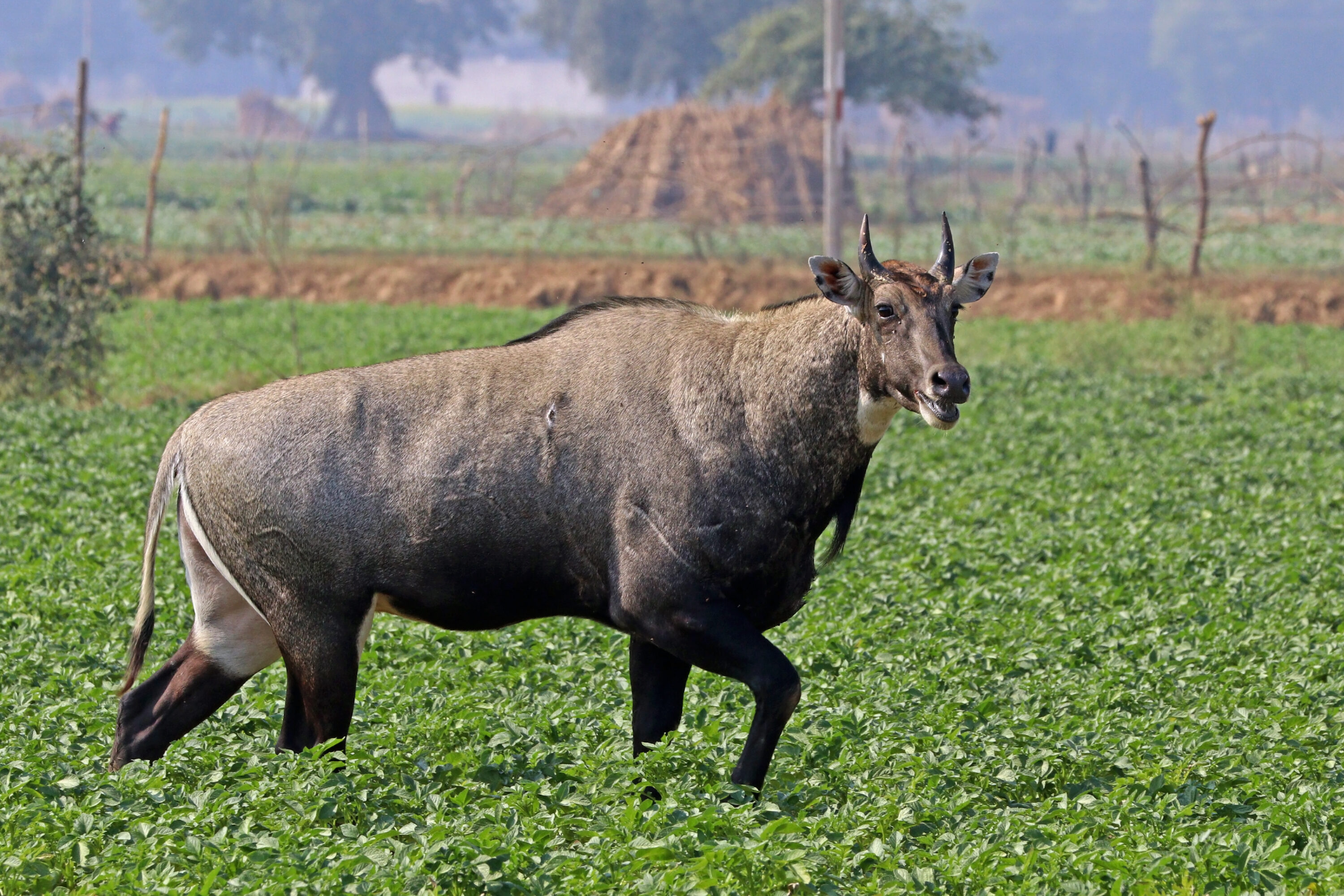
Farmer Survey Estimated Annual Nilgai Crop Destruction Near Junagadh at 63%
A farmer survey across eight villages near Junagadh estimated annual nilgai crop destruction at 63%, with groundnut particularly…
Read story →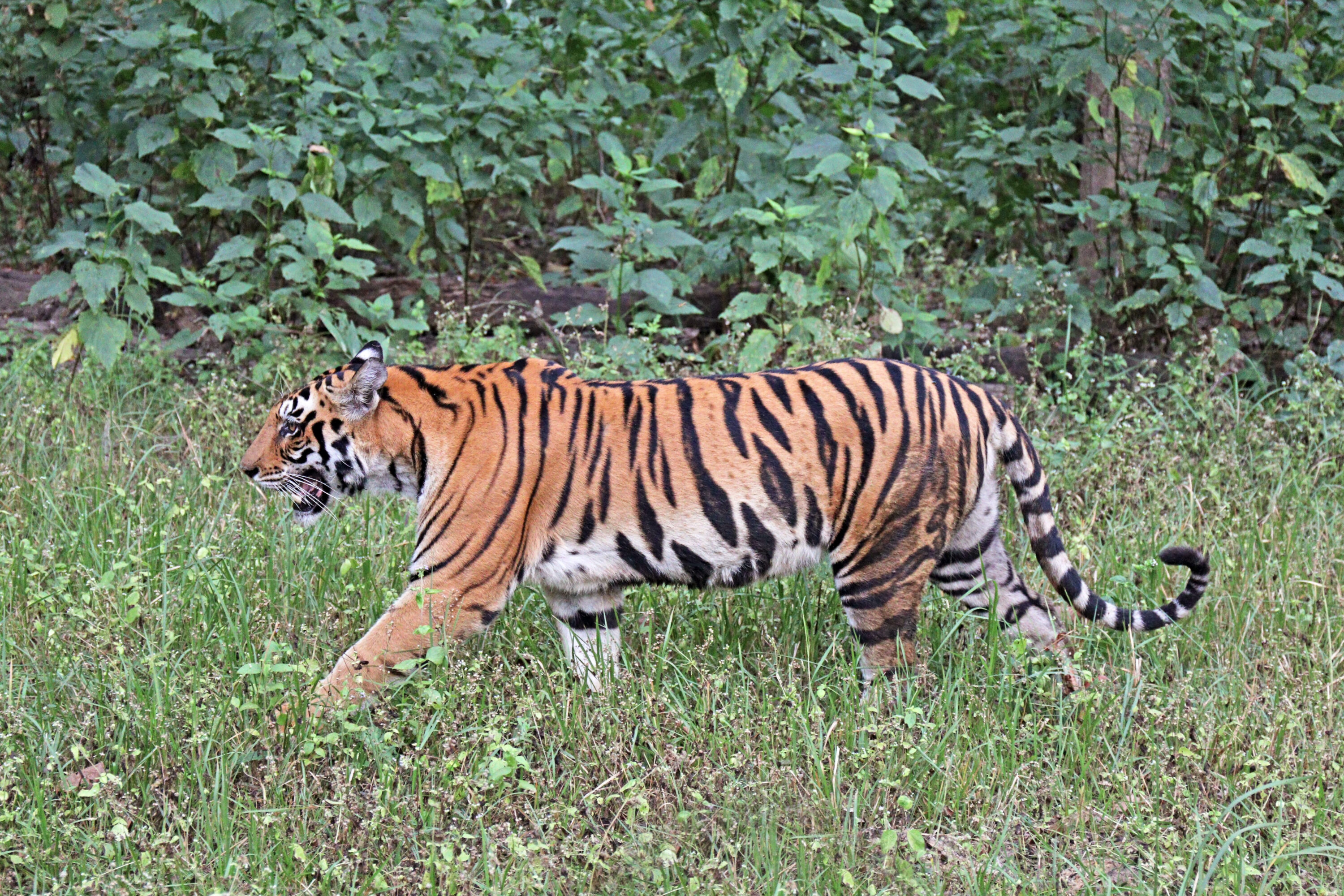
Tiger Recovery Was Not Consistently Linked to More Human–Tiger Conflict
A 2010–2025 synthesis from ten tiger range countries found no consistent relationship between tiger population size and total…
Read story →SPECIES IN THIS STORY
Species in this story


Independent research and conservation news archive
Did you find this information useful?
Wildlife Vagabond is independently built and maintained. Voluntary support helps cover source verification, hosting and continued work on research and conservation news.
Support Wildlife VagabondThe news archive will remain freely available.