
Tracking a macaque’s brain as it handles objects
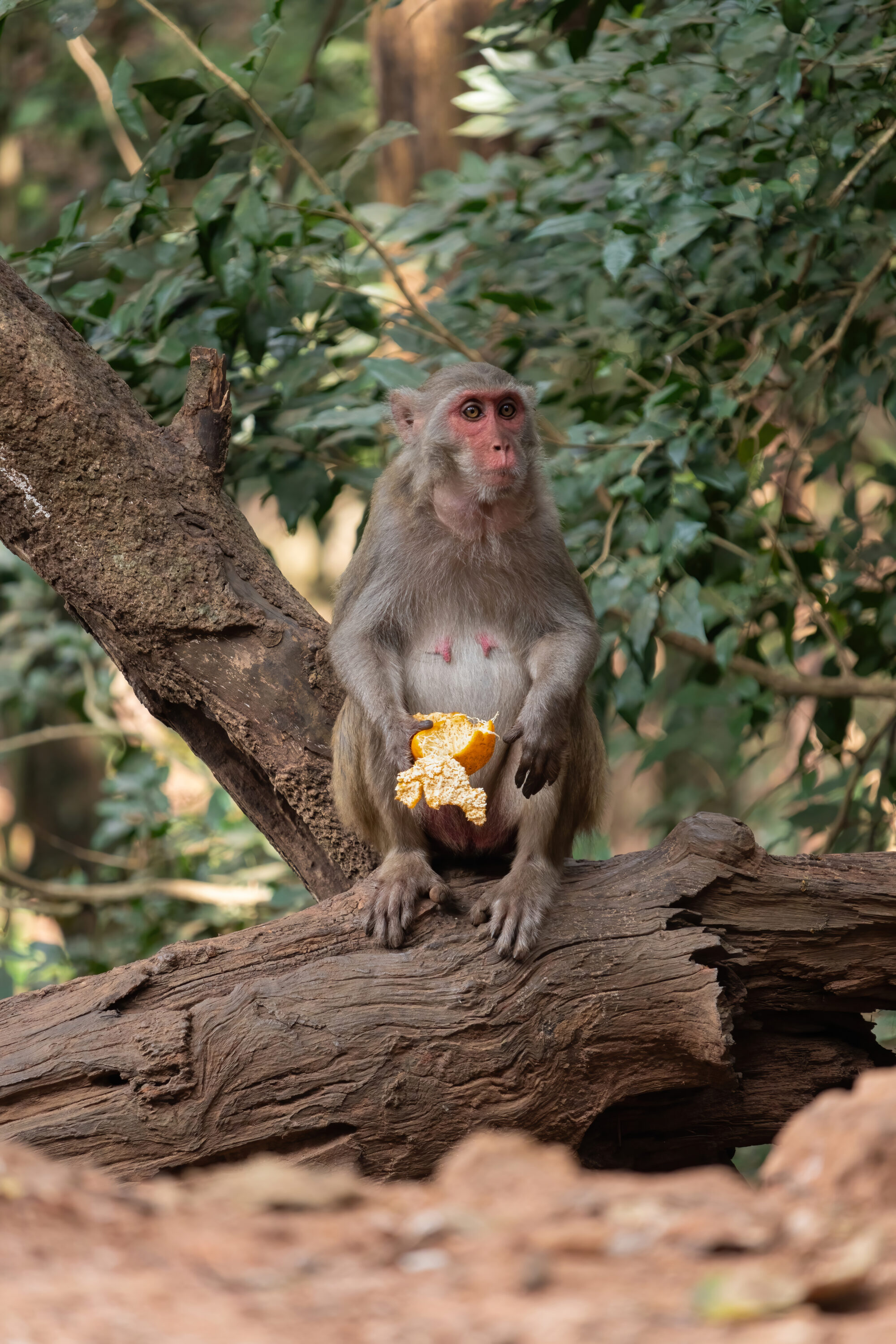
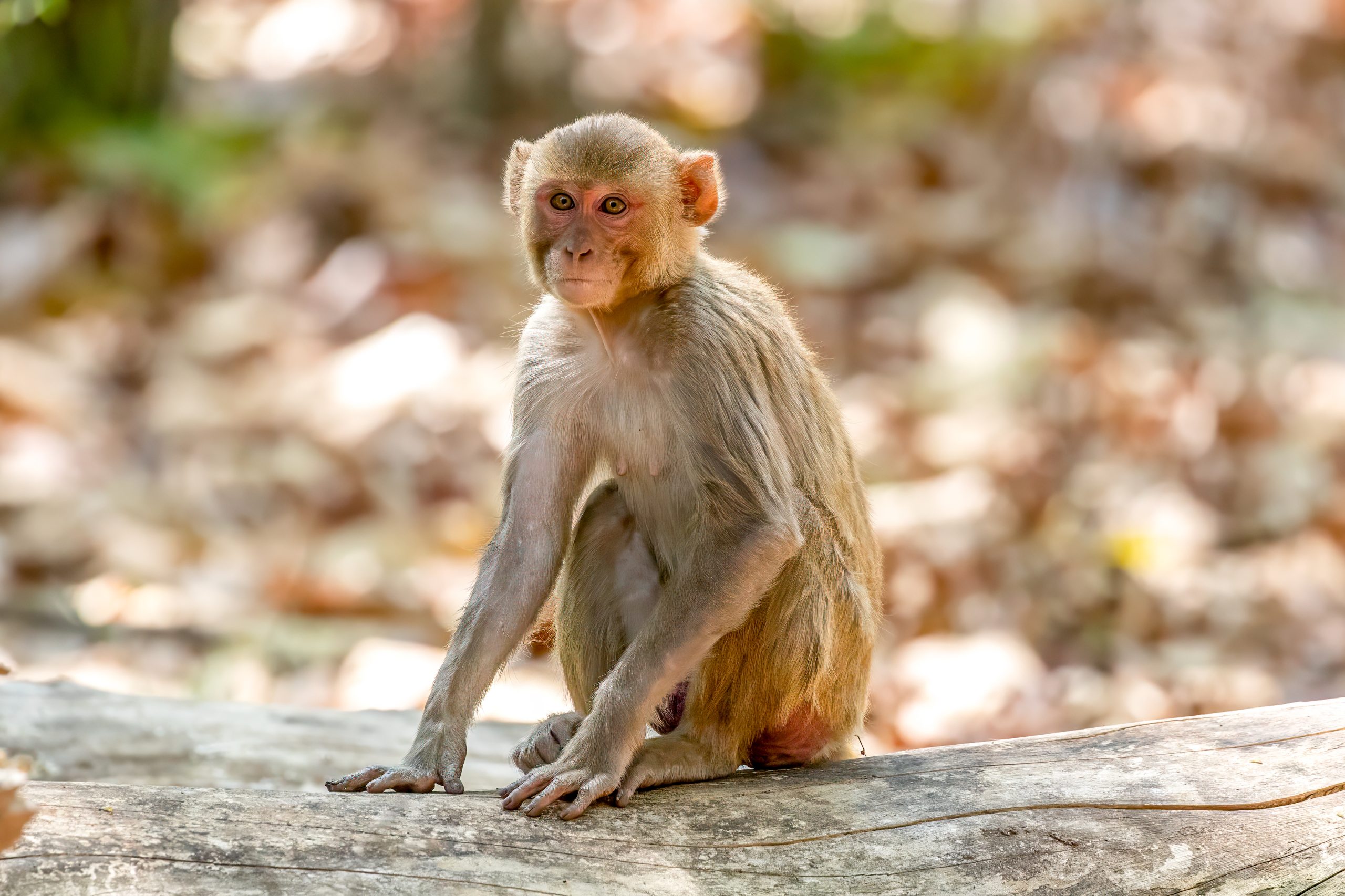
Grasping and manipulating objects calls for coordinated hand movements, but datasets that capture natural, varied hand use alongside activity across several brain areas remain scarce. A 2026 bioRxiv preprint presents one such resource: synchronized brain and movement recordings from a rhesus macaque (Macaca mulatta) handling objects in 40 different task conditions.
During 20 sessions, microelectrode arrays recorded neural activity simultaneously in three areas: primary motor cortex, the anterior intraparietal area and ventral premotor cortex. Together, these areas are part of the interconnected frontoparietal network involved in dexterous hand control. The arrays spanned 1,920 recording channels. Meanwhile, a multi-camera, markerless motion-capture system recorded the macaque’s movements; researchers later used the video to calculate three-dimensional positions of key points on its hand and elbow.
Putting neural signals to the test
The researchers tested whether algorithms could use the recorded brain activity to reconstruct how the hand and elbow moved together over time. This kind of decoding benchmark connects neural signals to measurable movement, making it possible to compare how well different approaches capture hand coordination. The authors report that decoding performance varied between algorithms across days and tasks. When fewer recording channels were available, performance also declined differently for different algorithms.
These comparisons matter because fine hand control is distributed across connected brain areas, while many earlier brain-computer-interface studies have relied mainly on signals from one cortical area. Motor brain-computer interfaces use brain signals to help control movement, and restoring dexterous hand use is a priority for people with tetraplegia. By pairing varied object interactions with recordings from several areas, this dataset gives researchers a resource for studying the neural basis of hand control and testing approaches to movement decoding. It contains 20 sessions from one macaque, rather than a sample for comparing differences between animals.
Physiology
Related news
Older rhesus macaques show hundreds of gene-expression differences in blood
In a study at a research facility in Sochi, Russia, 741 genes differed in expression between young and…
Read story →
Oxytocin’s effect on macaques’ brain responses to sound depended on visual context
In two awake rhesus macaques, oxytocin dampened sound-evoked brain responses when sounds were presented alone. The dampening disappeared…
Read story →
Some rhesus macaques kept SIV in check after antibody treatment and ART interruption
Eight of 21 macaques given SIV-targeting antibodies met the study’s definition of post-treatment control. Their CD4+ T cells…
Read story →SPECIES IN THIS STORY
Species in this story
Independent research and conservation news archive
Did you find this information useful?
Wildlife Vagabond is independently built and maintained. Voluntary support helps cover source verification, hosting and continued work on research and conservation news.
Support Wildlife VagabondThe news archive will remain freely available.