
Reinforced Barasingha Population in Manas Nearly Tripled From 2017 to 2023
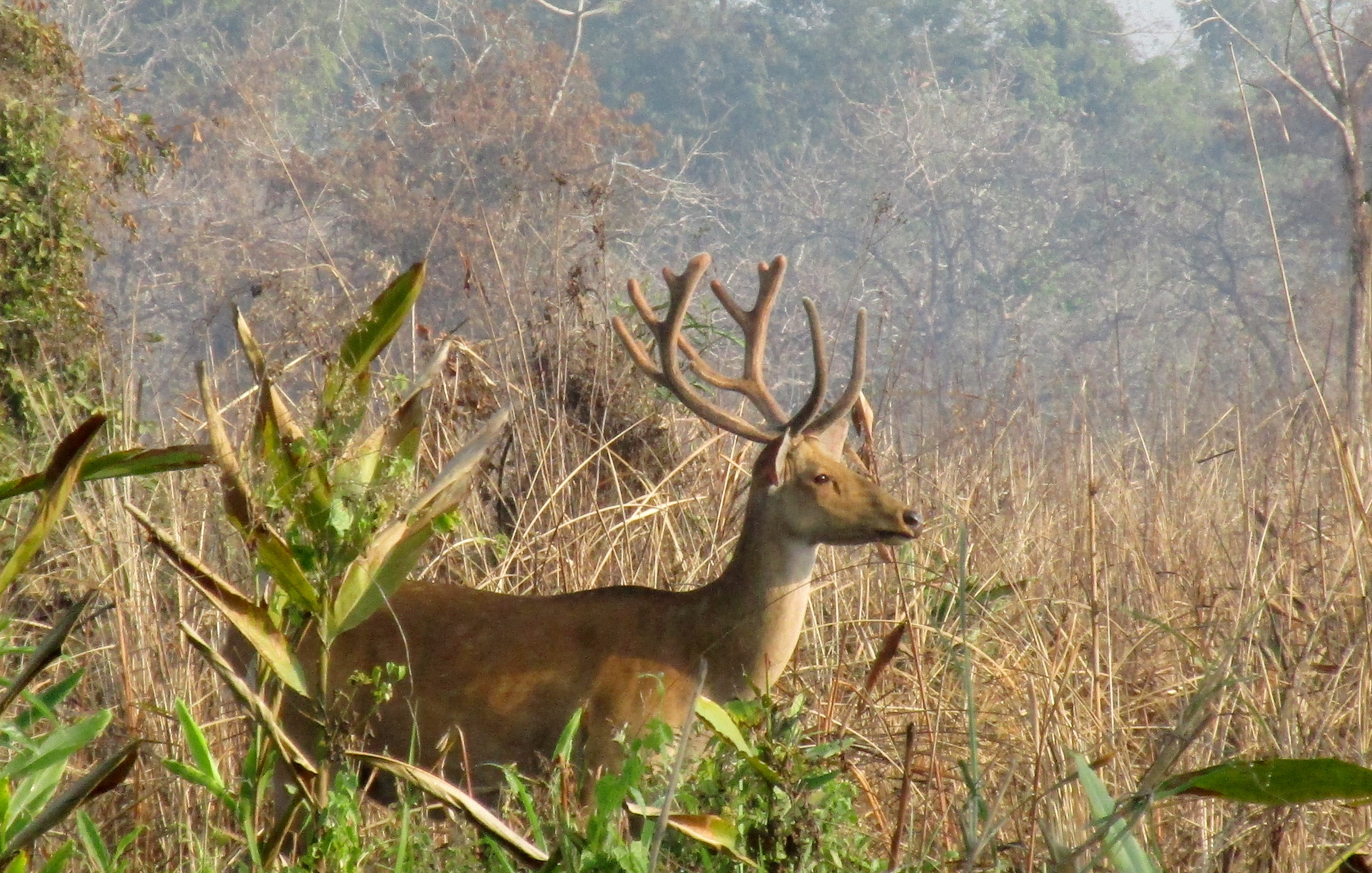
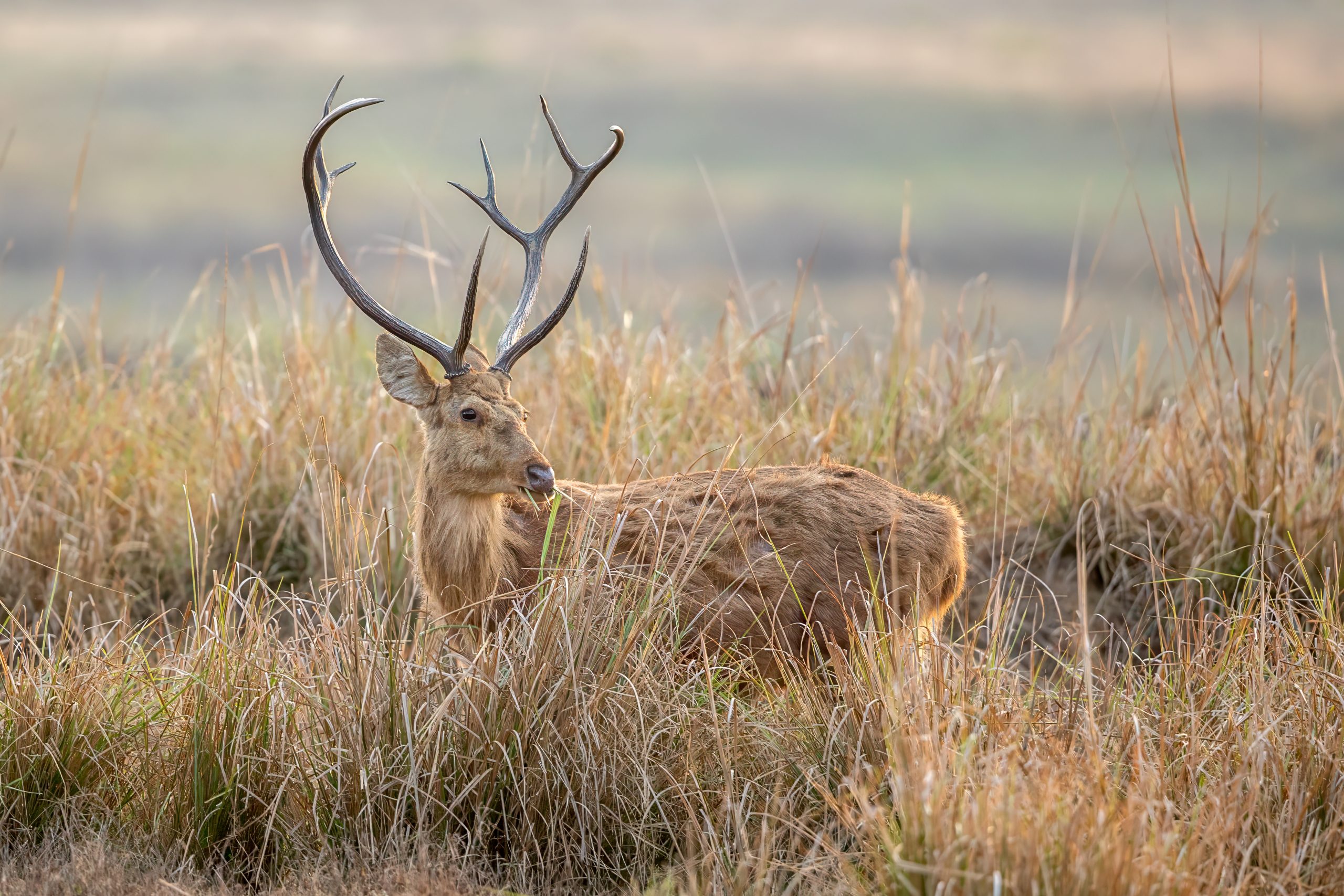
The reinforced population of barasingha (Rucervus duvaucelii) in Manas National Park, Assam, India, nearly tripled between 2017 and 2023. The animals belong to the eastern subspecies Rucervus duvaucelii ranjitsinhi, which is now restricted to Manas and Kaziranga National Parks in Assam.
The Manas population had been reduced to fewer than 20 animals after prolonged hunting, poaching and civil unrest. To strengthen this remnant population, conservationists moved 36 barasingha from Kaziranga to Manas in two groups: 19 in December 2014 and 17 in February 2017.
The population rose from 62 to 174 animals
Monitoring records showed an increase from an estimated 62 animals in April 2017 to 174 in April 2023. This corresponds to an average exponential growth rate of about 17.1% per year over the period. In practical terms, the monitored population was almost three times as large after six years.
The 2023 population consisted of roughly 56% adult females, 21% adult males, 14% subadults and 9% fawns. The deer had also spread into additional suitable parts of the park, consistent with a recovering population occupying more of the available grassland and wetland habitat.
Counts were synchronised across grassland blocks
Population estimates were based on a block-count method suited to animals that gather in tall, swampy grasslands. The park’s grasslands were divided into blocks averaging about 5.3 km², and teams counted directly observed deer in the blocks at the same time during morning surveys. Synchronising the counts helps reduce the chance that animals moving between areas are counted twice.
Additional observations from watchtowers and elephant-back surveys were used to follow distribution, group composition and seasonal patterns. The study therefore combined repeated field monitoring with official population estimates from 2017 to 2023.
The positive projection depends on continued low mortality
The researchers also used a population-viability model to explore possible futures rather than simply extending the observed growth line. The simulations included demographic data from the monitoring period, the historical population bottleneck, possible catastrophes and an assumed carrying capacity of about 750 deer.
Under the baseline assumptions, the model produced continued growth and no simulated extinction over 100 years. This does not mean the population is guaranteed to remain secure. Scenarios with high adult mortality or severe, frequent fires produced sharply worse outcomes, showing that the positive outlook depends on continued protection and suitable habitat conditions.
Late burning can overlap with the fawning season
Grassland management was one of the main concerns identified in the study. Barasingha females give birth from mid-winter into the pre-monsoon period, and young fawns remain concealed in tall grass for weeks. Burning grasslands late in the season, particularly in February and March, can therefore overlap with this vulnerable period and may also encourage invasive plants.
The authors recommend low-intensity patch burning earlier in the season, in November and December, rather than extensive late fires. They also emphasise continued protection of grasslands, swamps and water bodies, anti-poaching work and long-term monitoring.
The observed increase after reinforcement is substantial, but it reflects more than the translocation alone. The moved animals were added to a surviving remnant population while protection and habitat management also improved. The study therefore presents the Manas recovery as the result of population reinforcement supported by continued conservation management.
Reintroductions & translocations
Related news
No Red Kite Deaths Were Recorded at a Retrofitted 48-Pylon Power Line Used by Reintroduced Birds
Twenty-one reintroduced red kites generated 802 GPS fixes around a 48-pylon power line retrofitted against electrocution in Jaén,…
Read story →
First Giraffe Calf Born in Iona Since Angolan Giraffes Were Reintroduced
A giraffe calf has been recorded in Angola’s Iona National Park for the first time since Angolan giraffes…
Read story →
First tiger released into Kazakhstan’s wild in more than 70 years
A female Amur tiger named Ümit has been released into Kazakhstan’s Ile-Balkhash reserve, marking the first return of…
Read story →SPECIES IN THIS STORY
Species in this story
Independent research and conservation news archive
Did you find this information useful?
Wildlife Vagabond is independently built and maintained. Voluntary support helps cover source verification, hosting and continued work on research and conservation news.
Support Wildlife VagabondThe news archive will remain freely available.