
Two Lesser Whitethroats Held Territory in Planted Scrub at Brownside Braes
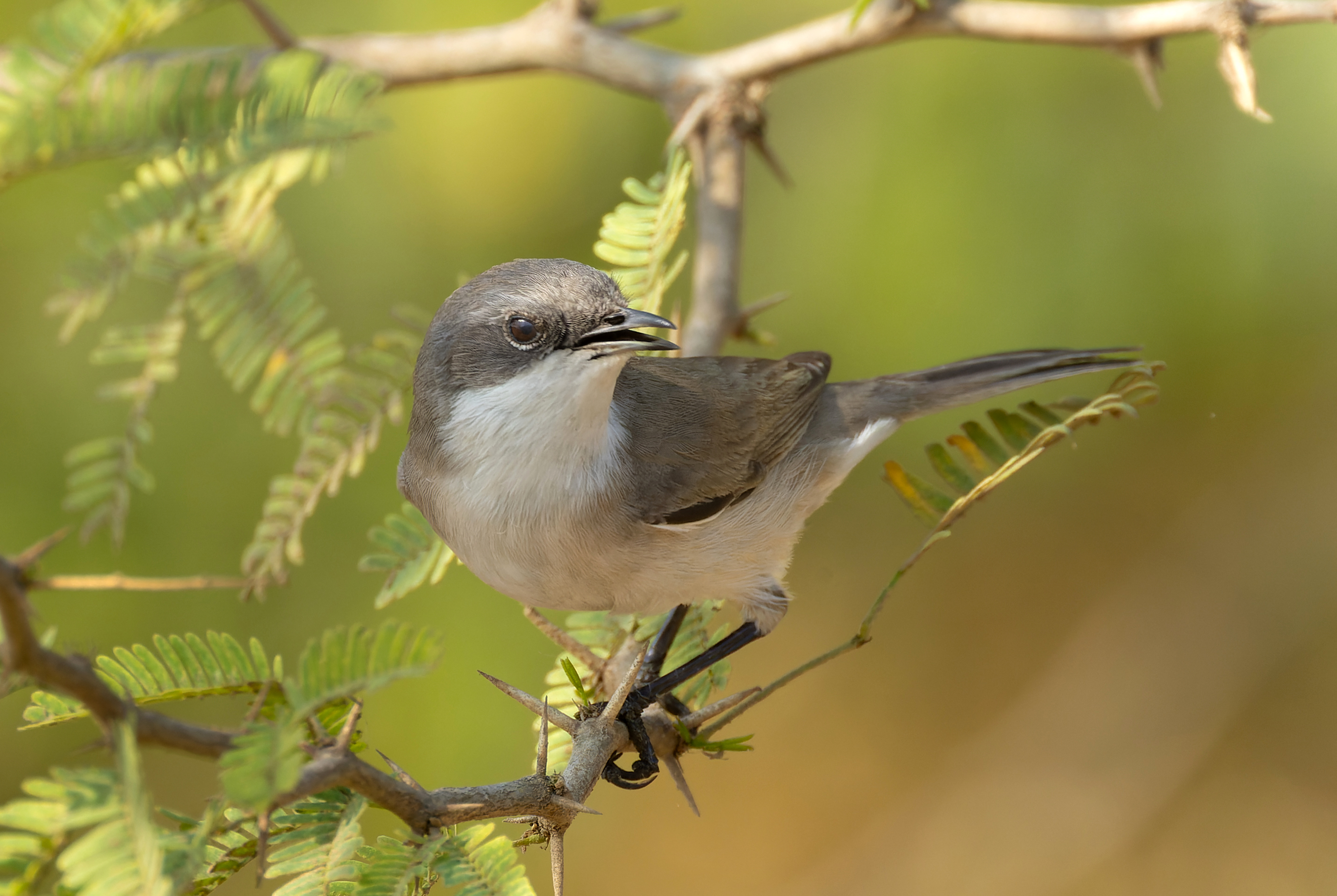
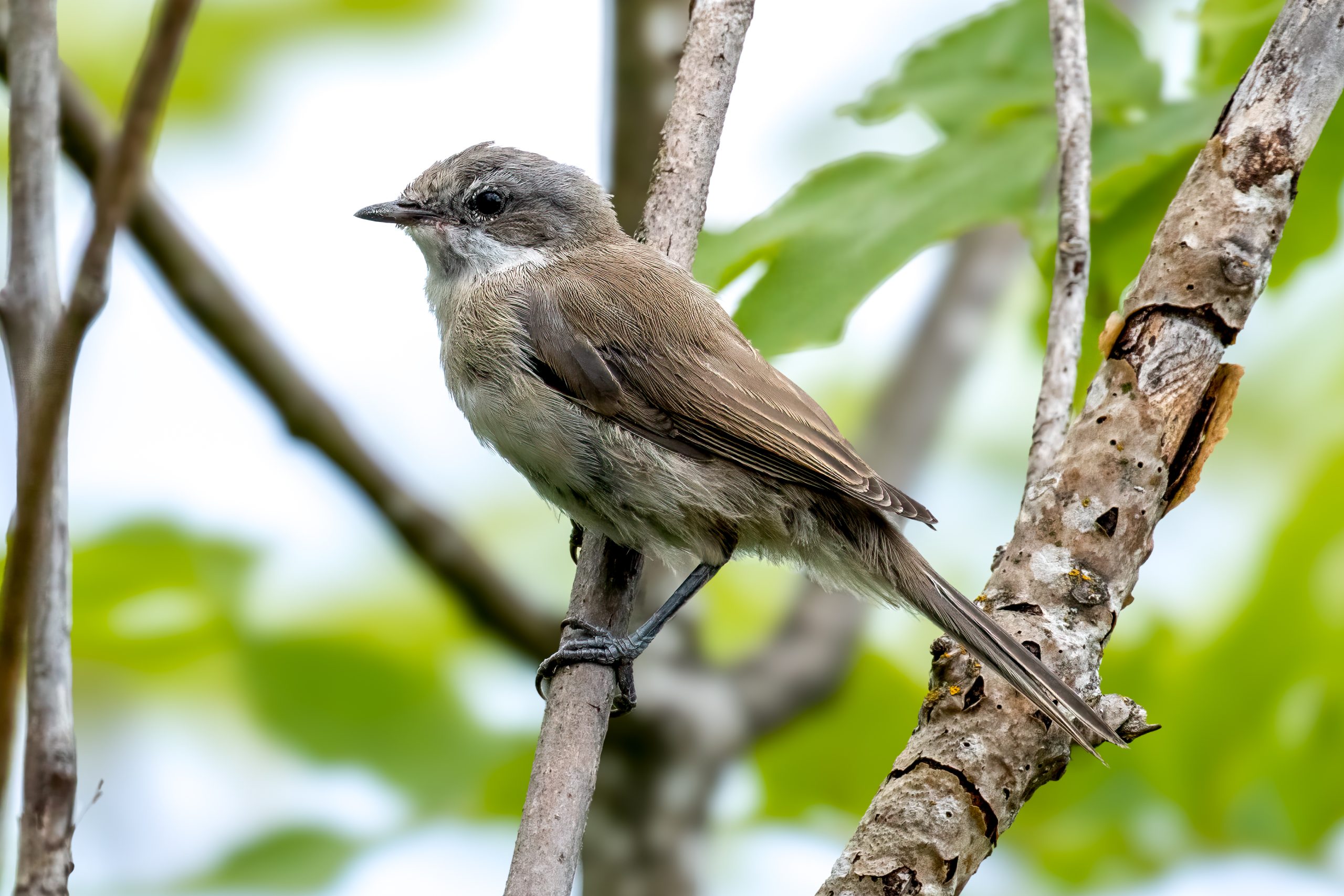
Two singing Lesser Whitethroats (Curruca curruca) held territories in May 2026 within deliberately planted thorn scrub at Brownside Braes near Paisley, Scotland. Paisley Natural History Society (PNHS), which has monitored the species and its habitat locally for decades, reported the observation on 27 June.
The record is important because the birds were using habitat that had been created and managed specifically for Lesser Whitethroat. The 2026 report documents territorial occupation, however, not confirmed nesting: no nest, eggs or fledged young from these two birds were reported.
The project was designed around the species’ scrub requirements
Lesser Whitethroat is a very scarce breeder in Renfrewshire and has historically used Brownside Braes. PNHS describes suitable local habitat as relatively open mature hawthorn and blackthorn above a dense lower layer of bramble, dog rose and gorse, where birds can nest within thick cover.
After breeding disappeared from the traditional Brownside territories in the early 2000s, PNHS developed a long-term scrub-management project with local authorities and community groups. A grant received in 2008 supported enhancement of existing scrub and creation of new scrubland, and further large planting work was carried out in later years, including 2020 and 2021.
The 2026 birds used the deliberately created habitat
PNHS reports that the two singing birds in May 2026 occupied the planted project area. The society interprets this as evidence that the developing thorn-scrub structure had become suitable for territorial Lesser Whitethroats.
The wider local record is more complicated than the source headline’s claim of an 18-year absence. PNHS records a pair feeding young at Brownside in 2009, Clyde records include a Brownside sighting in 2013, and two Lesser Whitethroats — one singing — were reported at the former Brownside breeding site in May 2024. The defensible new result in 2026 is therefore occupation of the deliberately planted habitat, not a precise number of years since the species was last present locally.
Territory occupation is not the same as successful breeding
Song and territorial behaviour show that the habitat was being treated as potential breeding territory. They do not demonstrate that a pair formed, a nest was built or young were produced.
The observation is nevertheless a useful result for a long-running habitat project: it shows that a rare local breeder selected the created scrub. Continued monitoring will be needed to establish whether territorial use develops into repeated occupation and successful nesting.
Management
Related news
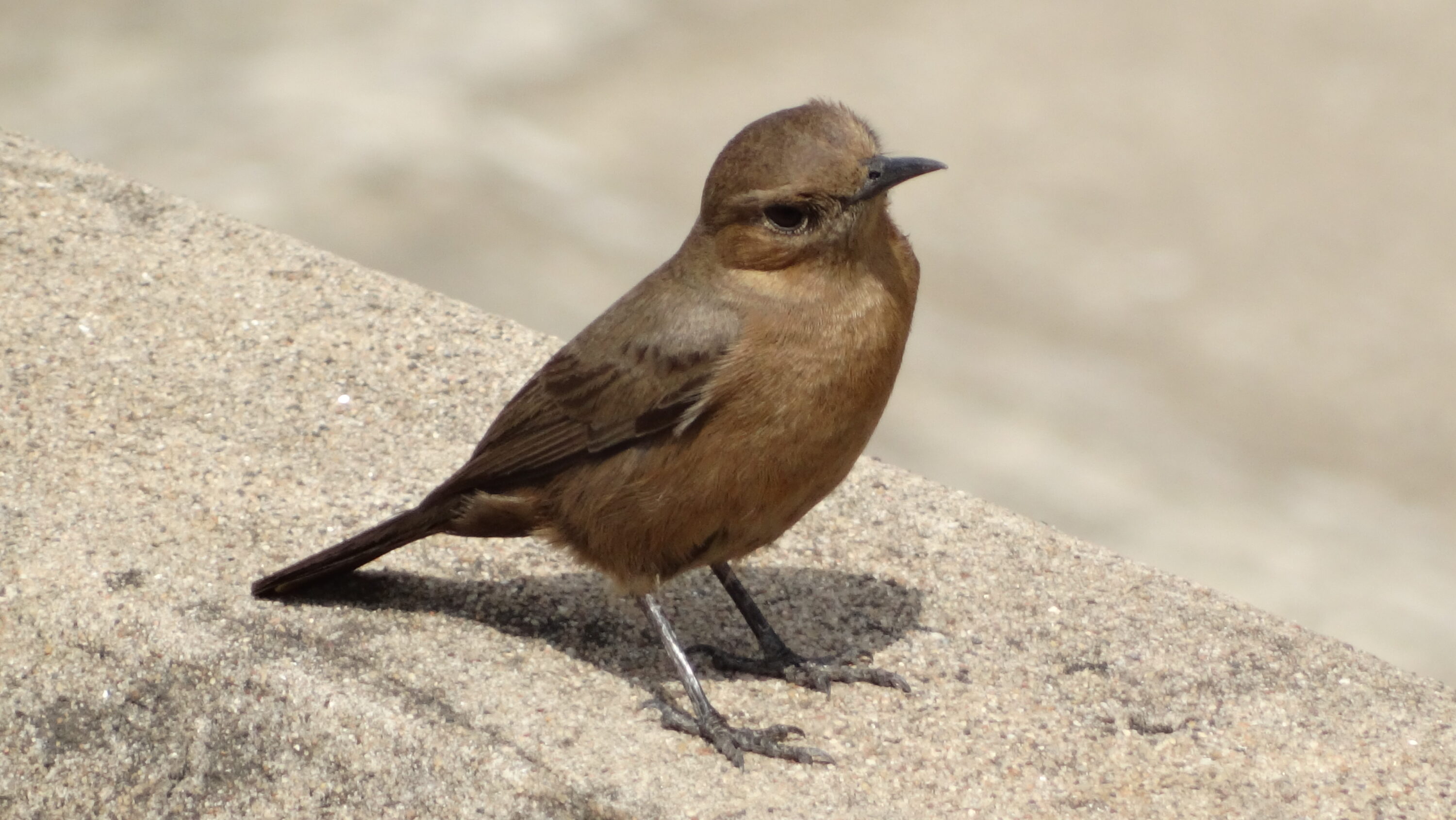
Toxoplasma Antibodies Found in 14 of 35 Wild Bird Species Sampled Around Lahore
A study published in 2026 detected antibodies against Toxoplasma gondii in 18 of 176 wild birds around Lahore,…
Read story →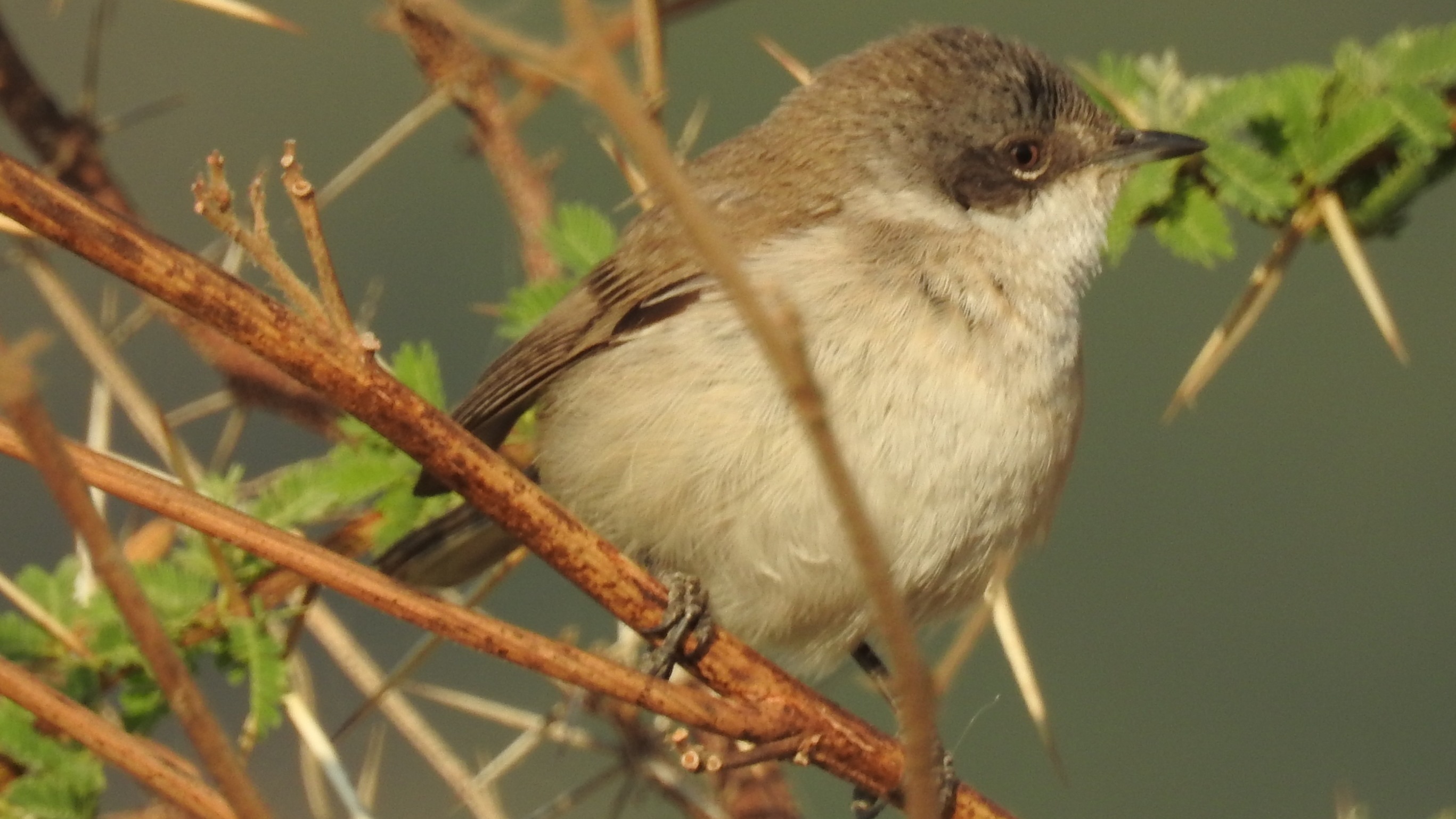
Lesser Whitethroat and Wren Captures Increased While Icterine Warbler Captures Declined at a Hungarian Ringing Site
A standardized 2016–2024 ringing study in southeastern Hungary found significant increases in lesser whitethroat and Eurasian wren captures,…
Read story →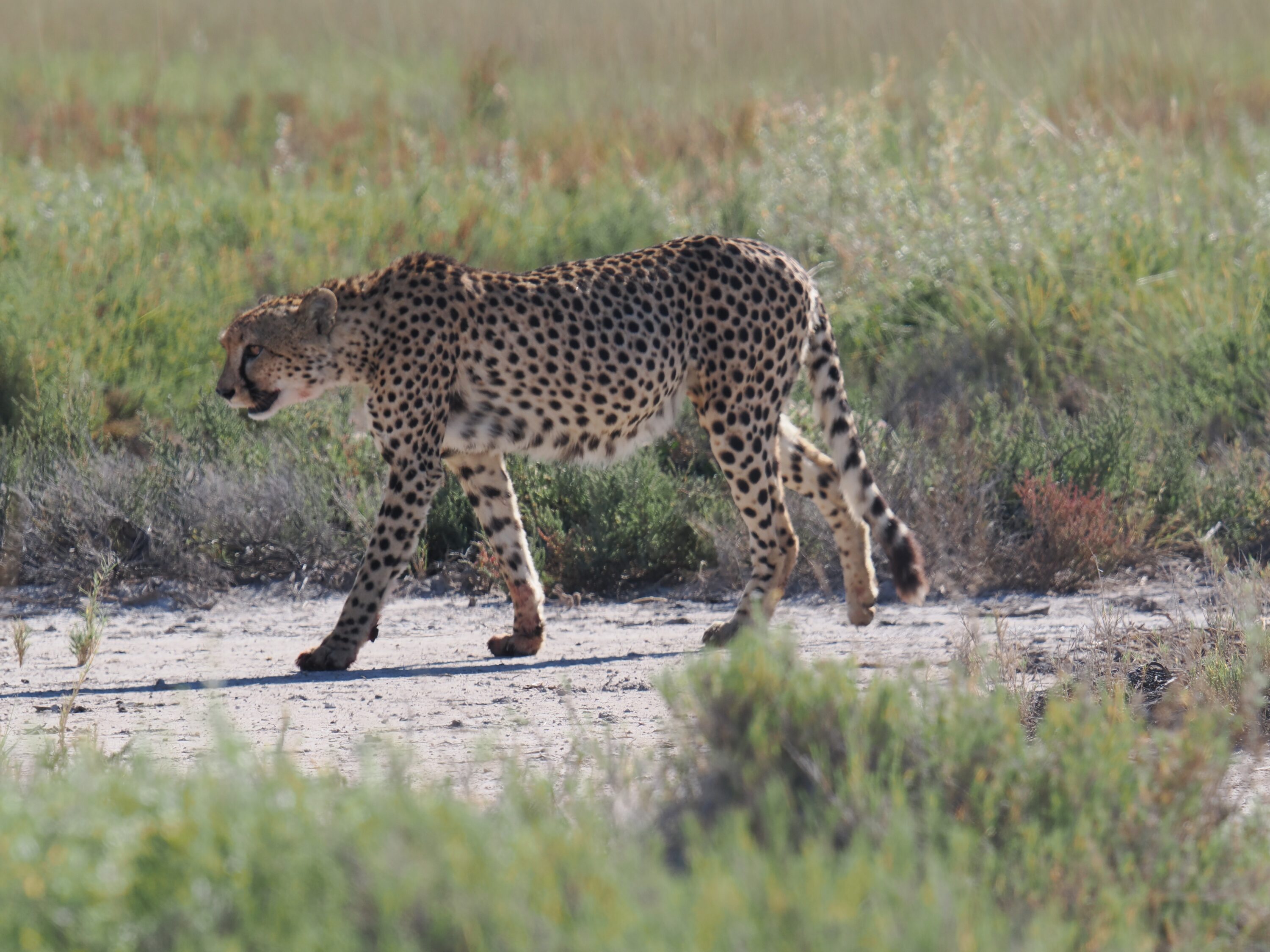
India’s Cheetah Project Sparked Debate Over Deaths, Transparency and Whose Expertise Counted
A review of 28 documents about Project Cheetah in India found sharply different accounts of its conservation goals,…
Read story →SPECIES IN THIS STORY
Species in this story
Independent research and conservation news archive
Did you find this information useful?
Wildlife Vagabond is independently built and maintained. Voluntary support helps cover source verification, hosting and continued work on research and conservation news.
Support Wildlife VagabondThe news archive will remain freely available.