
Urban Noise Was the Strongest Predictor of Rufous-Collared Sparrow Numbers; House Sparrow Abundance Also Mattered
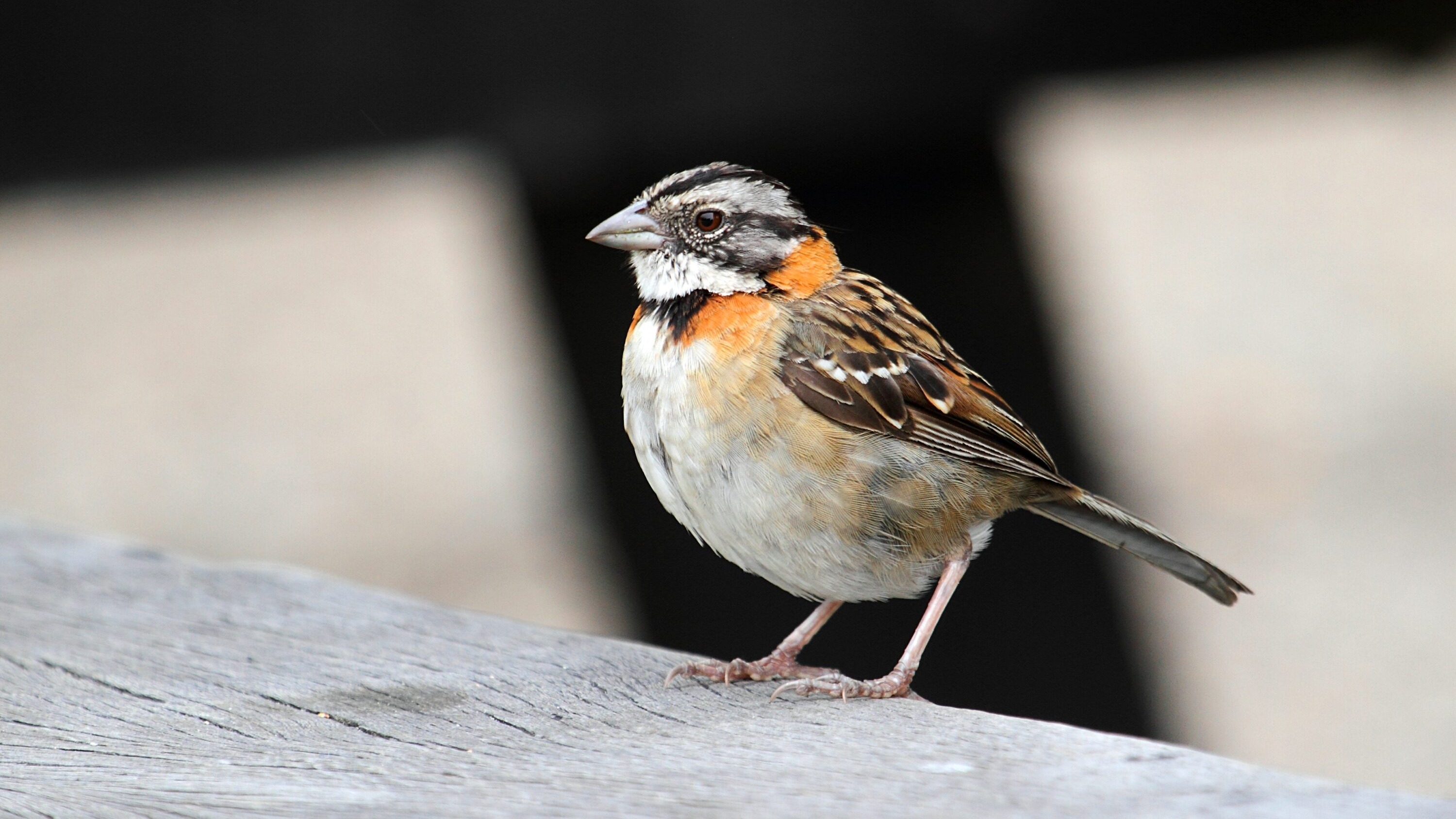
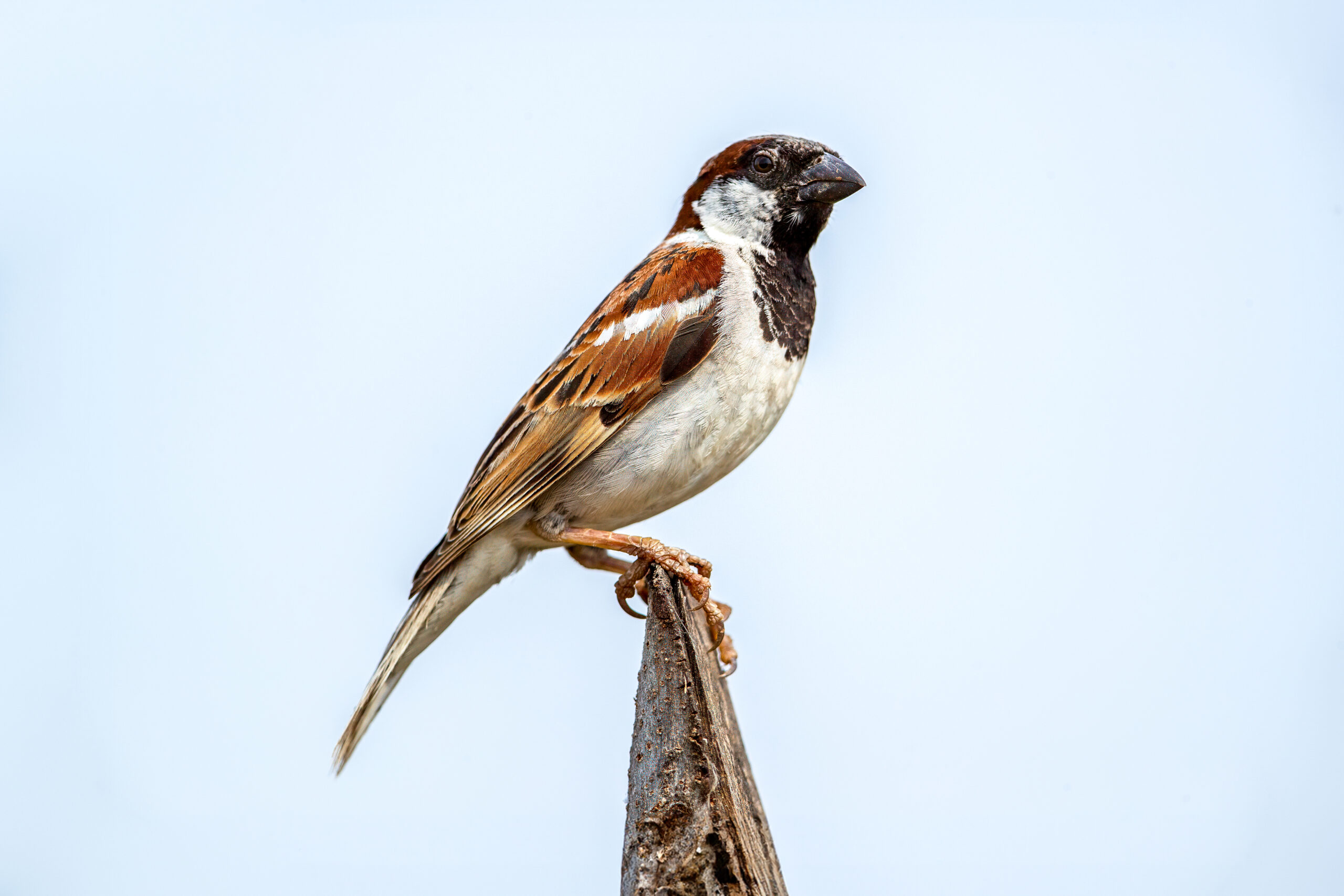
A city-wide bird survey in southern Mexico found the lowest numbers of native rufous-collared sparrows at heavily built-up, noisy sites. At quieter sites where the native bird was more common, its numbers were also lower when at least six house sparrows (Passer domesticus) were recorded.
The study examined a potential ecological overlap between the introduced house sparrow and the native rufous-collared sparrow (Zonotrichia capensis) in San Cristóbal de Las Casas, Chiapas. The two species have a similar body size, use urban environments and share parts of their grain-rich diet. House sparrows reached southern Mexico around 70–80 years ago, but their possible relationships with native birds there have received less attention than in central and northern Mexico.
Researchers divided the city’s 28-square-kilometre urban area into a grid and selected 224 survey sites at least 250 metres apart. During the breeding season in March and April 2024, one observer visited each point between sunrise and 11:00. The observer counted both sparrows for ten minutes within a radius of 25 metres.
The team also recorded average ambient noise for five minutes and counted passing pedestrians and vehicles. Measurements of the surrounding habitat included numbers and maximum height of buildings, built cover, trees and herbaceous vegetation. These variables were analysed together to determine which were associated with the number of rufous-collared sparrows.
Noise was the strongest predictor of native sparrow numbers
In the first statistical model, ambient noise was the only variable with a significant relationship: native sparrow numbers declined as noise increased. Herbaceous plant cover showed a positive trend, but it was not statistically significant. The model explained only a relatively small share of the overall variation.
A regression-tree analysis also placed noise first. At sites with average noise of at least 63 decibels, rufous-collared sparrow counts were lowest, especially where built cover reached 89 per cent. Under quieter conditions, built cover, a second noise threshold, house sparrow abundance and tree numbers divided the observations into different patterns.
More house sparrows were linked to fewer native sparrows at quieter sites
Within those quieter sites, points with at least six house sparrows averaged 1.9 rufous-collared sparrows. Where house sparrows were absent or fewer, averages reached 2.6 native sparrows at sites with at least ten trees and 3.8 at sites with fewer than ten trees. The authors describe this as a negative relationship that could be consistent with competition for food, nesting places or space.
The study did not test competition directly
The study did not test competition directly. The researchers explicitly describe the patterns as correlative and note that direct aggression, shared habitat preferences and other mechanisms could also contribute. They call for field and laboratory experiments to separate these possibilities. For now, the work shows that urban noise was the clearest factor associated with the native sparrow, while local house sparrow abundance added another layer to how the two species coexisted across the city.
Ecology
Related news
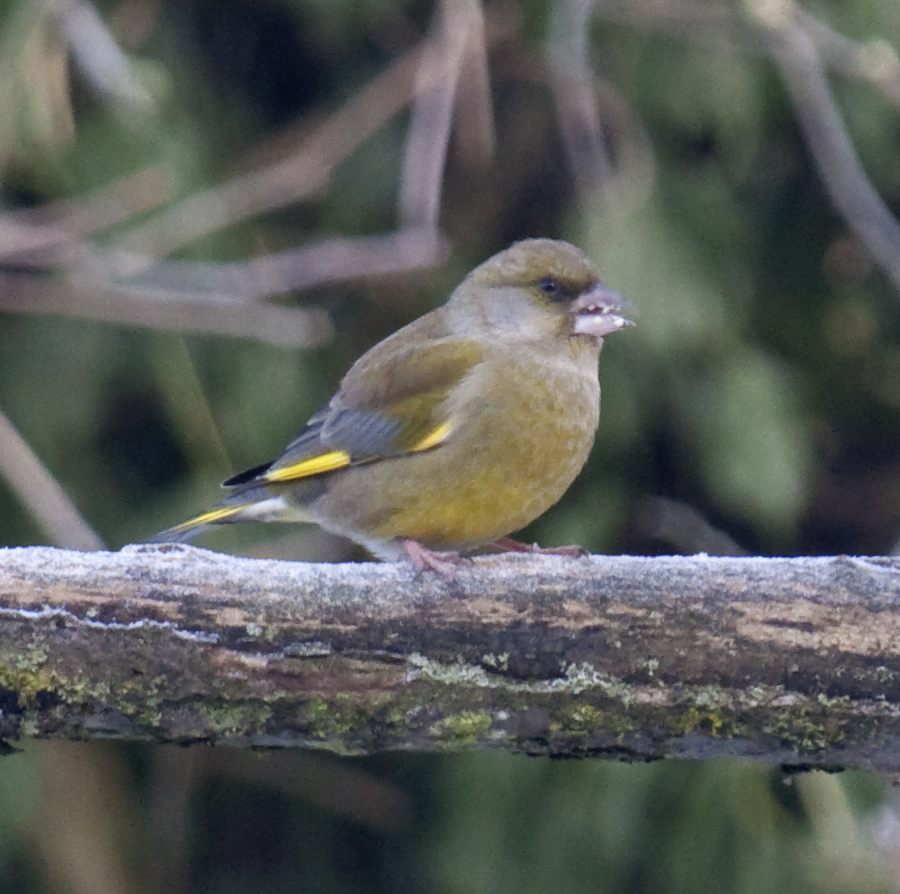
Type A Trichomonas Was More Than Twice as Prevalent in British Birds at Supplementary-fed Sites
Type A of the bird parasite Trichomonas gallinae was more than twice as prevalent in British birds at…
Read story →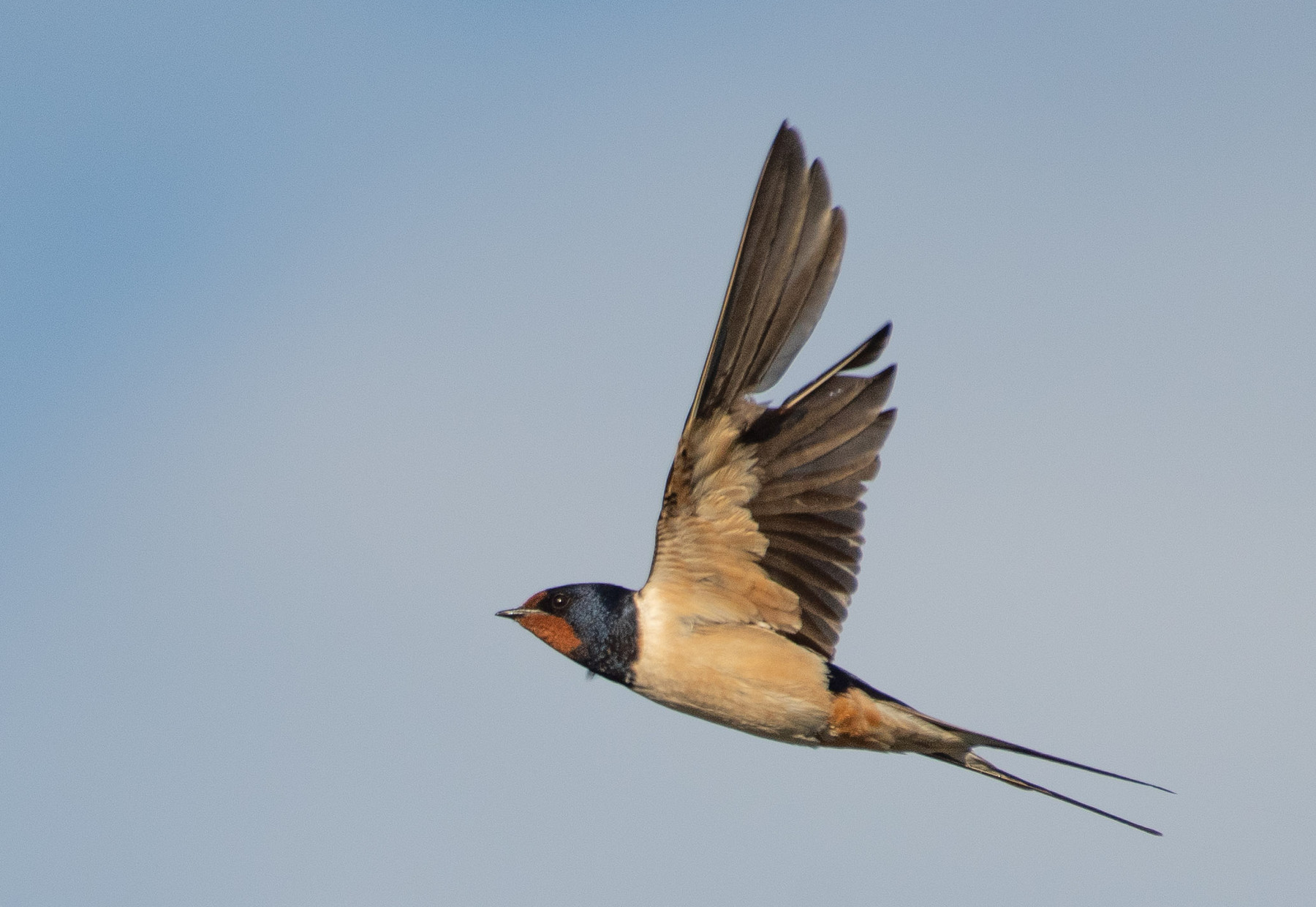
Usutu Virus RNA Was Found Nearly Three Times as Often as West Nile Virus RNA in Southern France
Among 2,533 wild birds from 69 species in southern France, Usutu virus RNA was detected in 12.0% and…
Read story →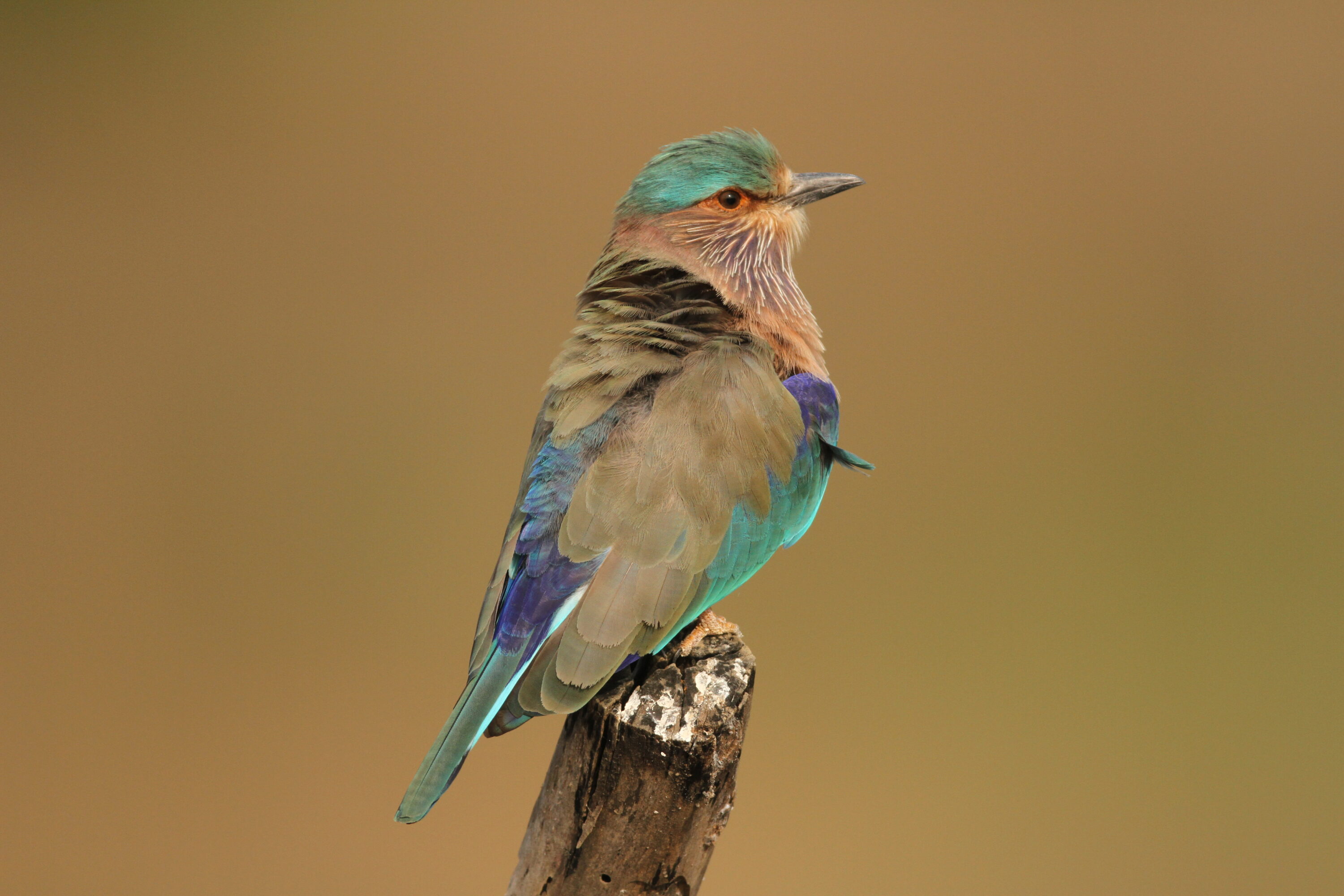
Six Cavity-Nesting Bird Species Bred Successfully in Artificial Nests in Punjab
Punjab Agricultural University reported successful breeding in artificial nests by six cavity-nesting species, including Indian roller, spotted owlet…
Read story →SPECIES IN THIS STORY
Species in this story
Independent research and conservation news archive
Did you find this information useful?
Wildlife Vagabond is independently built and maintained. Voluntary support helps cover source verification, hosting and continued work on research and conservation news.
Support Wildlife VagabondThe news archive will remain freely available.