
Long-established Urban Fox Populations Showed More Exploration and Problem Solving
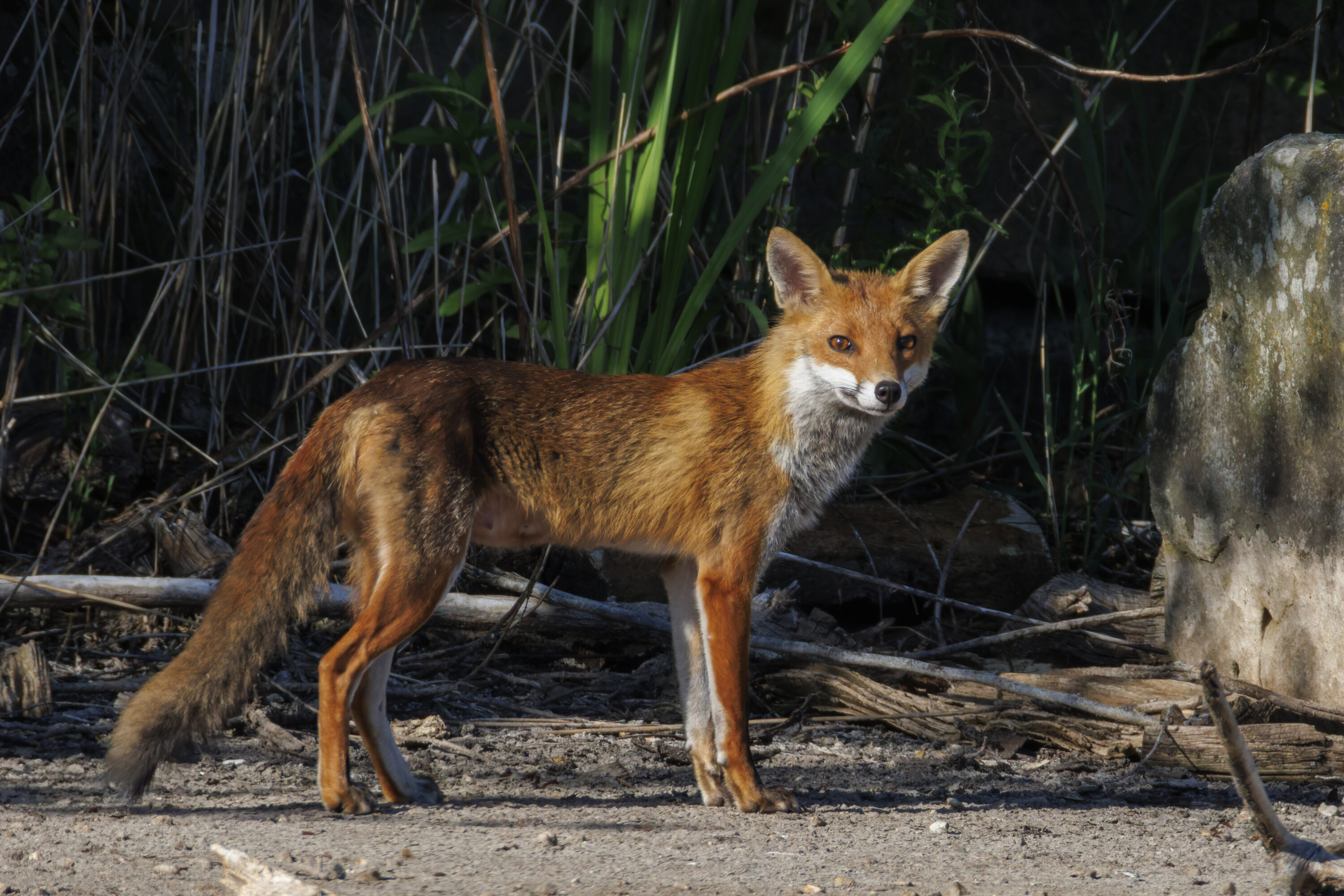
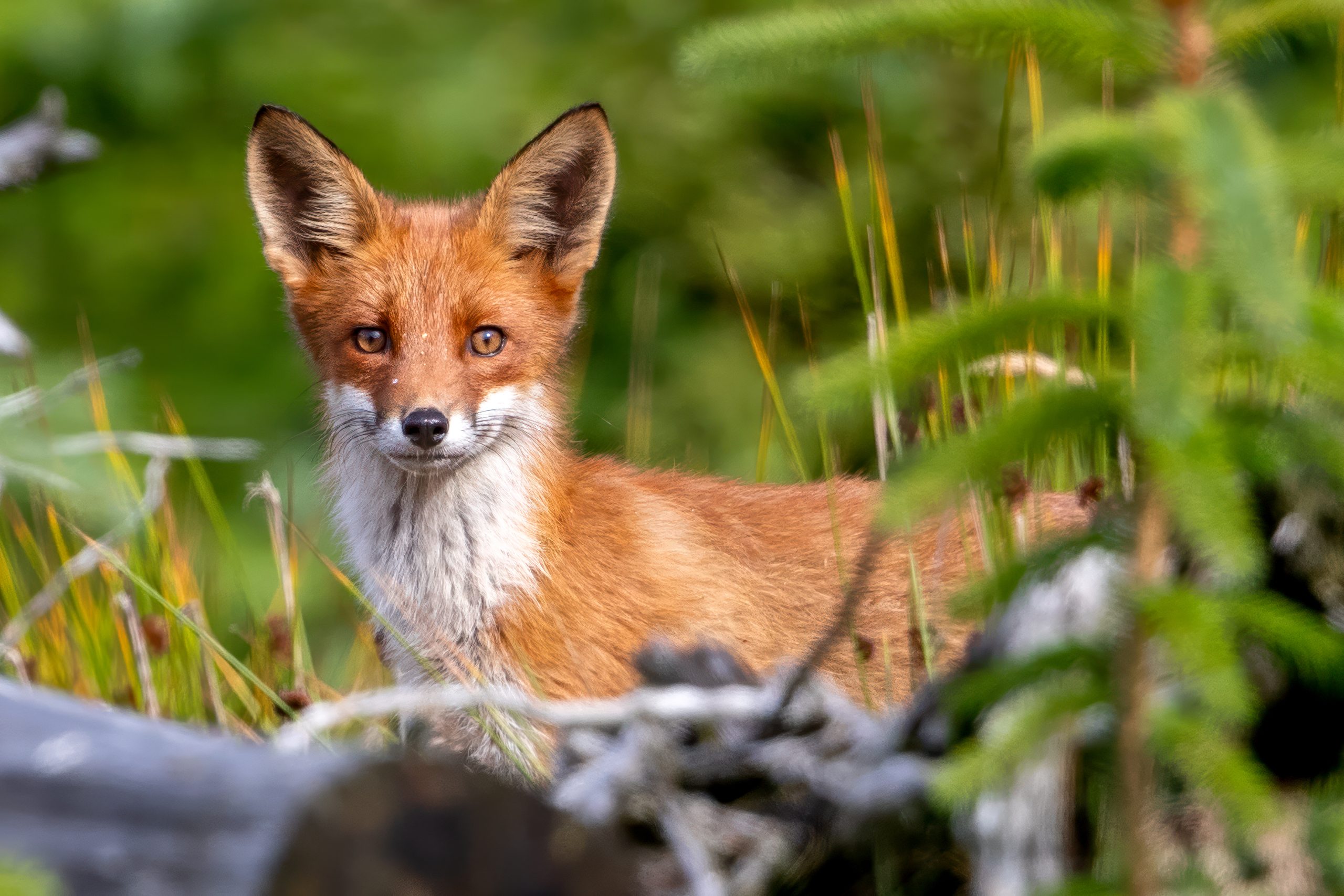
Red fox populations (Vulpes vulpes) in cities with a long history of urban foxes showed more extensive exploration of unfamiliar objects and higher success with novel food-related problems than rural or more recently urbanised populations. The study treats these as population-level behavioural differences across locations, not stable personality measurements of individual foxes. A 2026 study tested wild foxes across Great Britain using standardized puzzle tasks rather than relying only on observations of ordinary urban behaviour.
Researchers placed novel food-related objects at 284 sites and compared responses from rural populations, recently established urban populations and places where foxes have lived in cities for more than 40 years. Foxes at 27.4% of the sites touched the experimental objects, while foxes at 12.4% successfully solved the tasks.
Long-established urban foxes explored more and solved more tasks
Urban foxes were more likely than rural foxes to make physical contact with the unfamiliar objects. Additional differences appeared within the urban populations. Foxes from places with the longest history of urban occupation — particularly London — spent more time exploring the tasks, used a greater variety of exploratory behaviours and showed higher problem-solving success.
Some urban differences appeared earlier than others
Not every measure followed the same pattern. Recently established urban populations were just as likely as older urban populations to touch the objects, and the rate of urbanisation between 1994 and 2020 did not by itself predict whether foxes would touch or solve the tasks. This suggests that some behavioural differences may appear relatively early after urban colonisation, while others become more pronounced only in populations exposed to city environments over many decades.
The duration of urban exposure therefore helped explain behavioural variation that a simple urban-versus-rural comparison would miss.
Behaviour
Related news
Similar Mammal Diversity, Different Activity Patterns in Grazed and Ungrazed Areas
Camera traps in four northern Israeli reserves found similar numbers of mammal species with and without livestock grazing.…
Read story →
Wolf Kills Provided Plenty of Food for Red Foxes
Red foxes visited all 26 wolf-killed red deer monitored in Stelvio National Park. The amount of meat left…
Read story →
Red Foxes and Stone Martens Share Places at Different Times
Red foxes and stone martens often used the same sites in central Spain. Their daily activity differed more…
Read story →SPECIES IN THIS STORY
Species in this story
Independent research and conservation news archive
Did you find this information useful?
Wildlife Vagabond is independently built and maintained. Voluntary support helps cover source verification, hosting and continued work on research and conservation news.
Support Wildlife VagabondThe news archive will remain freely available.