
Dutch Models Indicated the Blackbird–Mosquito Cycle Could Not Sustain Usutu Virus Alone
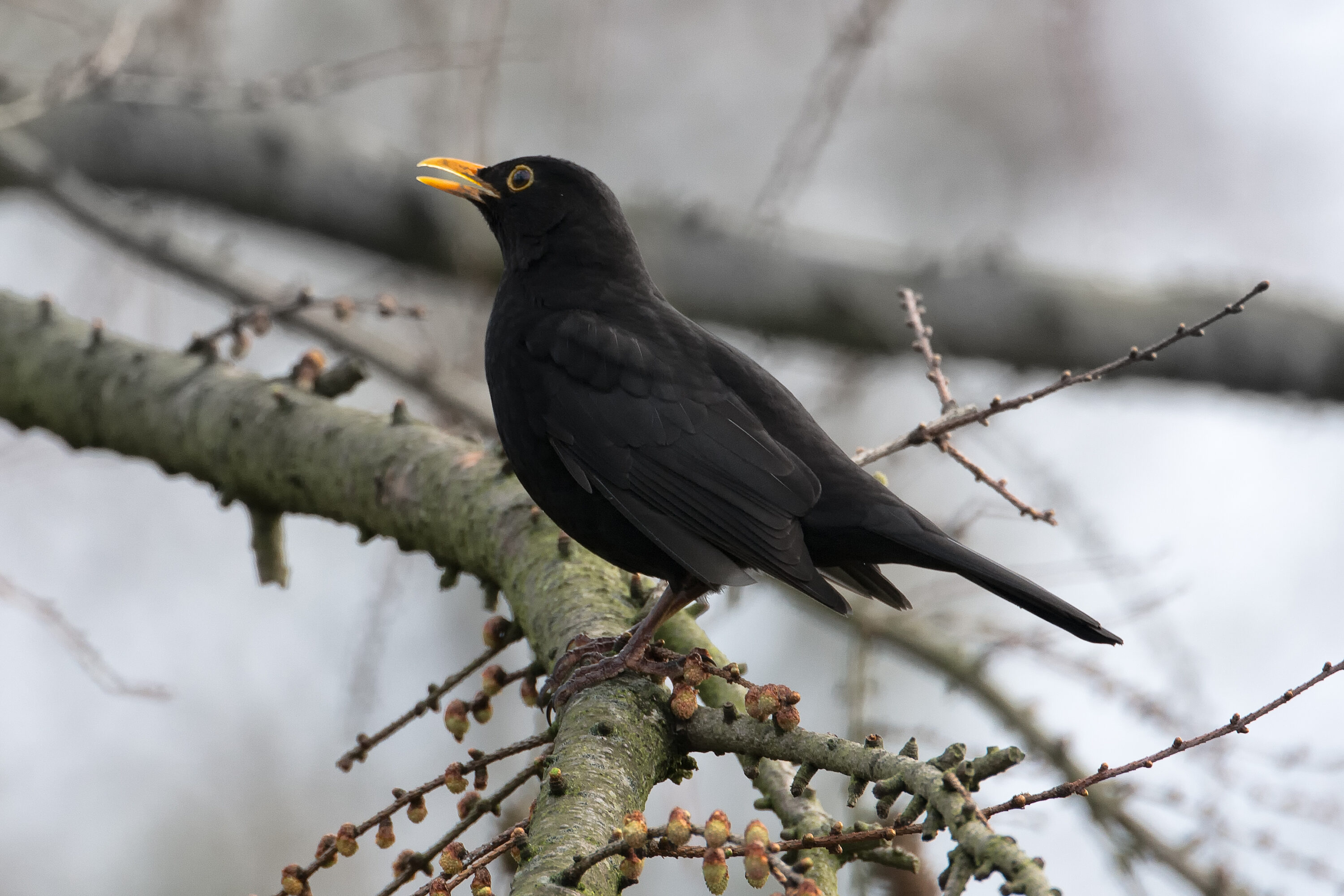
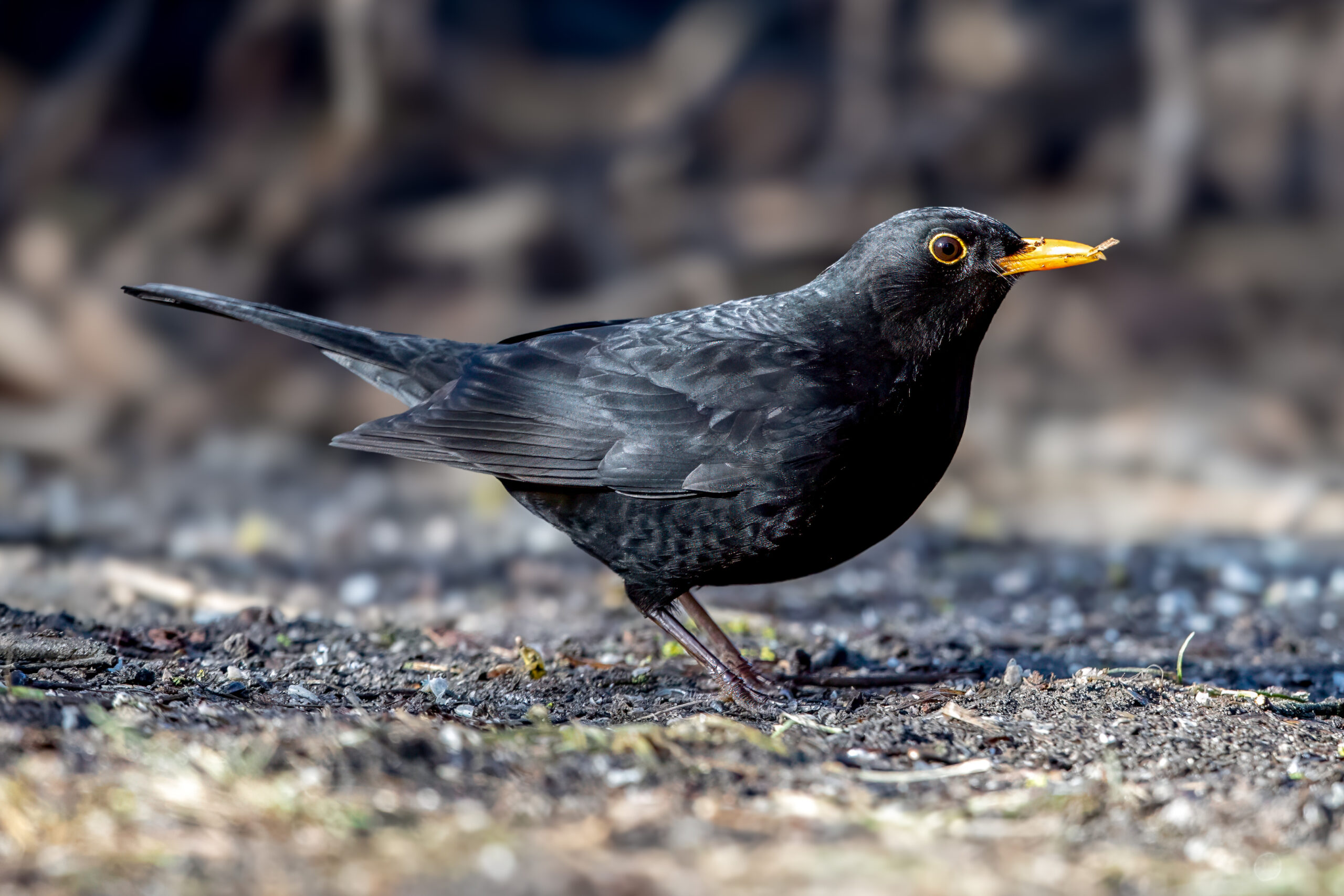
Eurasian blackbirds (Turdus merula) were the bird species most visibly affected when Usutu virus emerged in the Netherlands, but transmission models indicate that the blackbird–mosquito cycle could not maintain the virus on its own. The study, published in Nature Ecology & Evolution on 3 March 2026, found support for additional, less visibly affected bird hosts contributing to transmission.
Usutu virus is a mosquito-borne virus transmitted in a cycle between birds and Culex mosquitoes. Blackbirds can suffer high infection-related mortality, while other bird species may contribute to transmission with much less visible disease, which is why identifying the full reservoir community matters.
The researchers reconstructed Usutu-virus emergence from 2016 to 2022 using mechanistic models of transmission between birds and Culex pipiens mosquitoes. The models combined several kinds of blackbird surveillance and population data, including PCR testing, antibody surveys, testing of dead birds, population monitoring and public reports of dead blackbirds.
Models With Additional Hosts Fitted the Outbreak Better
Models that included an additional reservoir population — one or more other bird populations able to take part in transmission and help maintain the virus — reproduced the observed outbreak patterns better than models based on blackbirds alone. In the best-fitting model, these reservoir birds had little or no infection-related mortality, lived longer and dispersed farther than blackbirds.
The model indicated that transmission through the blackbird–mosquito cycle was far too weak to sustain the virus on its own, whereas the inferred reservoir–mosquito cycle was strong enough to maintain transmission. Juvenile blackbirds were estimated to contribute about 50% more to transmission than adults, but the blackbird contribution remained too small to explain persistence.
Reservoir Immunity Was Much Higher
Mean modelled seroprevalence — the proportion estimated to carry antibodies indicating previous infection — reached 68.1% in the reservoir population, compared with 13.4% in blackbirds. As immunity accumulated in the longer-lived reservoir hosts, the model reproduced the reduction in transmission after the first outbreak years. The authors interpret this as population immunity in other hosts helping to limit later virus circulation and further blackbird declines.
The Reservoir Birds Remain Unidentified
The study does not identify a single reservoir species. Instead, it infers the properties of one or more additional host populations from the observed surveillance patterns. The proportion of mosquito bites received by each host depends on both mosquito preference and host abundance, which the analysis could not separate.
The model also assumed the same transmission probabilities for the reservoir population as for blackbirds, and estimates of reservoir lifespan and immunity remained uncertain. The authors therefore describe the reservoir as an inferred multi-host component rather than a named species.
Disease, parasites & microbiology
Related news
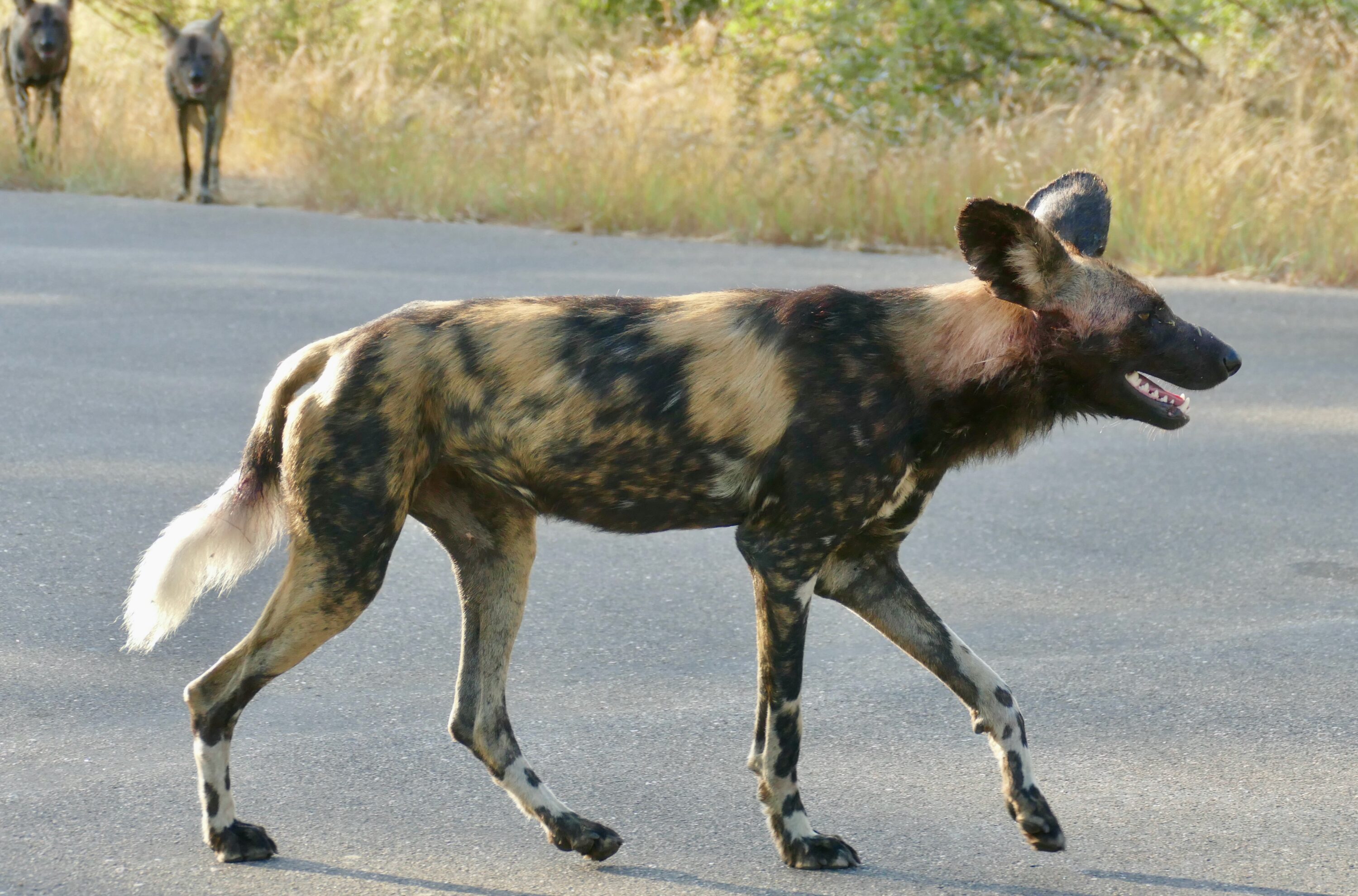
Gut Microbiomes Across Nine Kruger Mammals Clustered More Strongly by Dietary Group Than Species
A study of 89 quality-filtered faecal samples from nine wild mammals in Kruger National Park found that carnivores,…
Read story →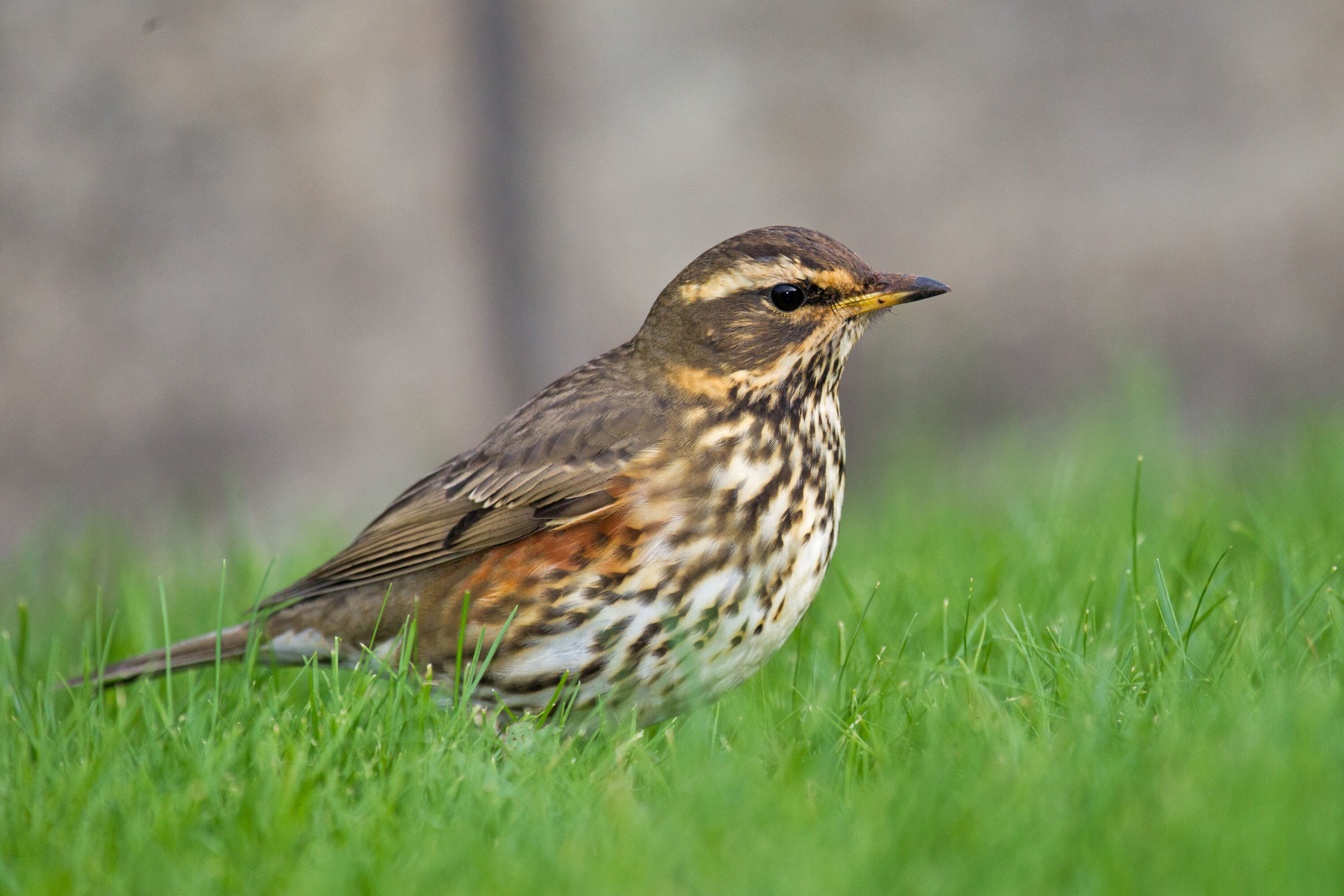
Nearly Three-quarters of Migrating Redwings Carried Ticks During Two Mild Belgian Autumns
Ticks were found on 72.9% of 284 redwings sampled during late-autumn migration in Belgium; 12.9% of 698 screened…
Read story →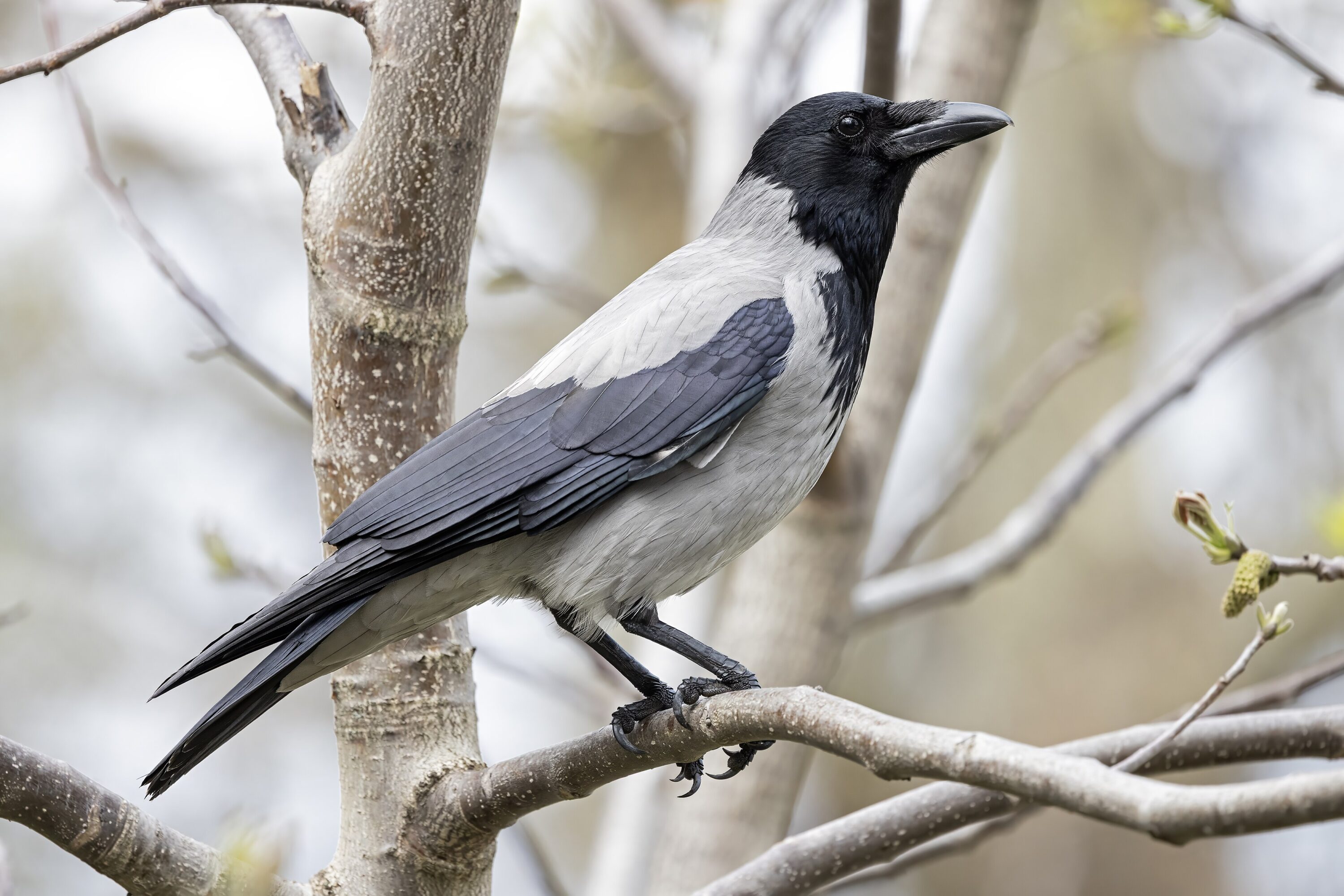
Hooded Crows Were Linked to 87 Reported West Nile Virus Bird Outbreaks in Europe
The September ECDC–EFSA report linked hooded crows to 87 reported West Nile virus bird outbreaks, Eurasian magpies to…
Read story →SPECIES IN THIS STORY
Species in this story
Independent research and conservation news archive
Did you find this information useful?
Wildlife Vagabond is independently built and maintained. Voluntary support helps cover source verification, hosting and continued work on research and conservation news.
Support Wildlife VagabondThe news archive will remain freely available.