
Denmark’s First Detected Usutu Virus Outbreak Primarily Affected Eurasian Blackbirds
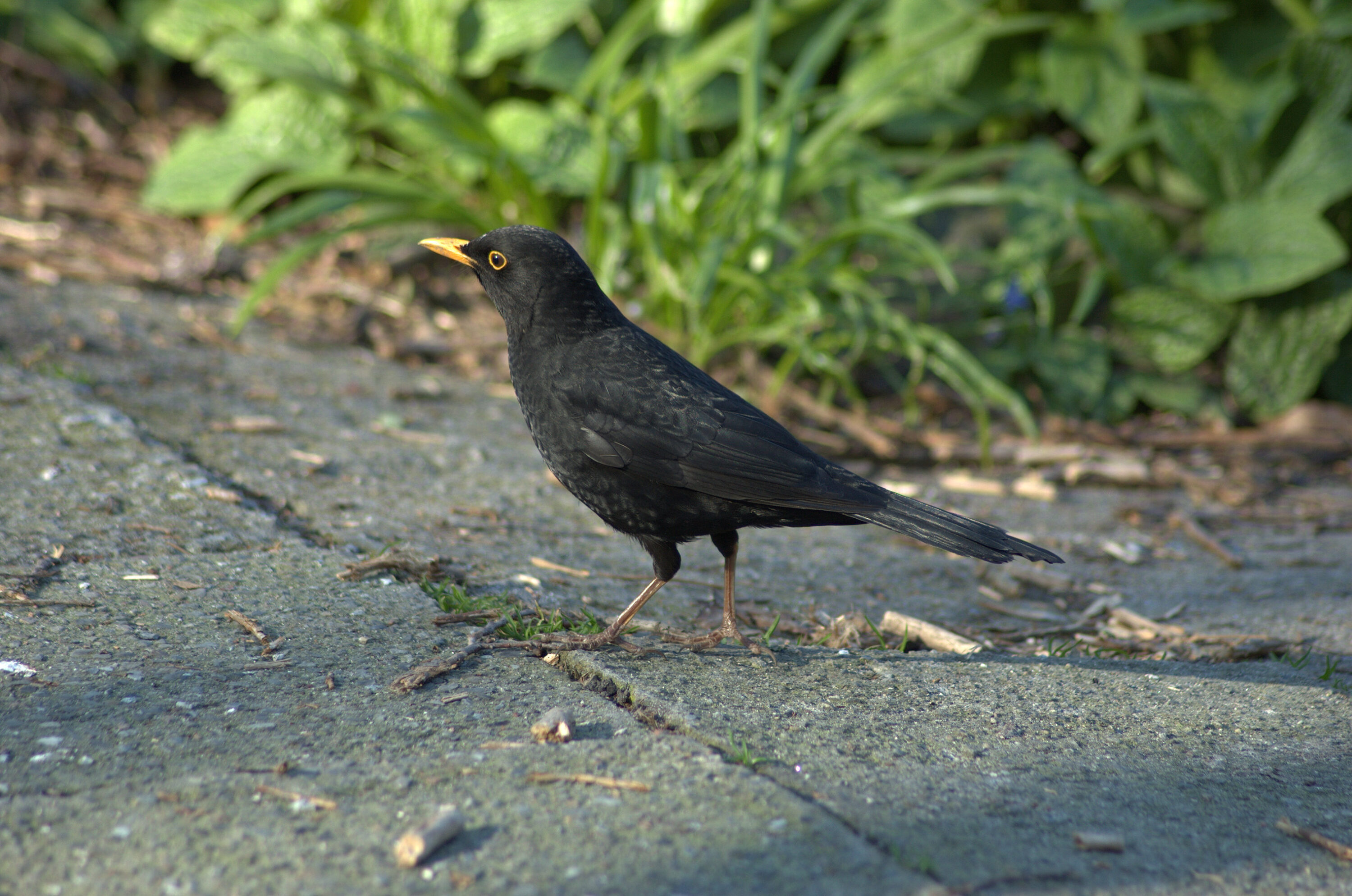
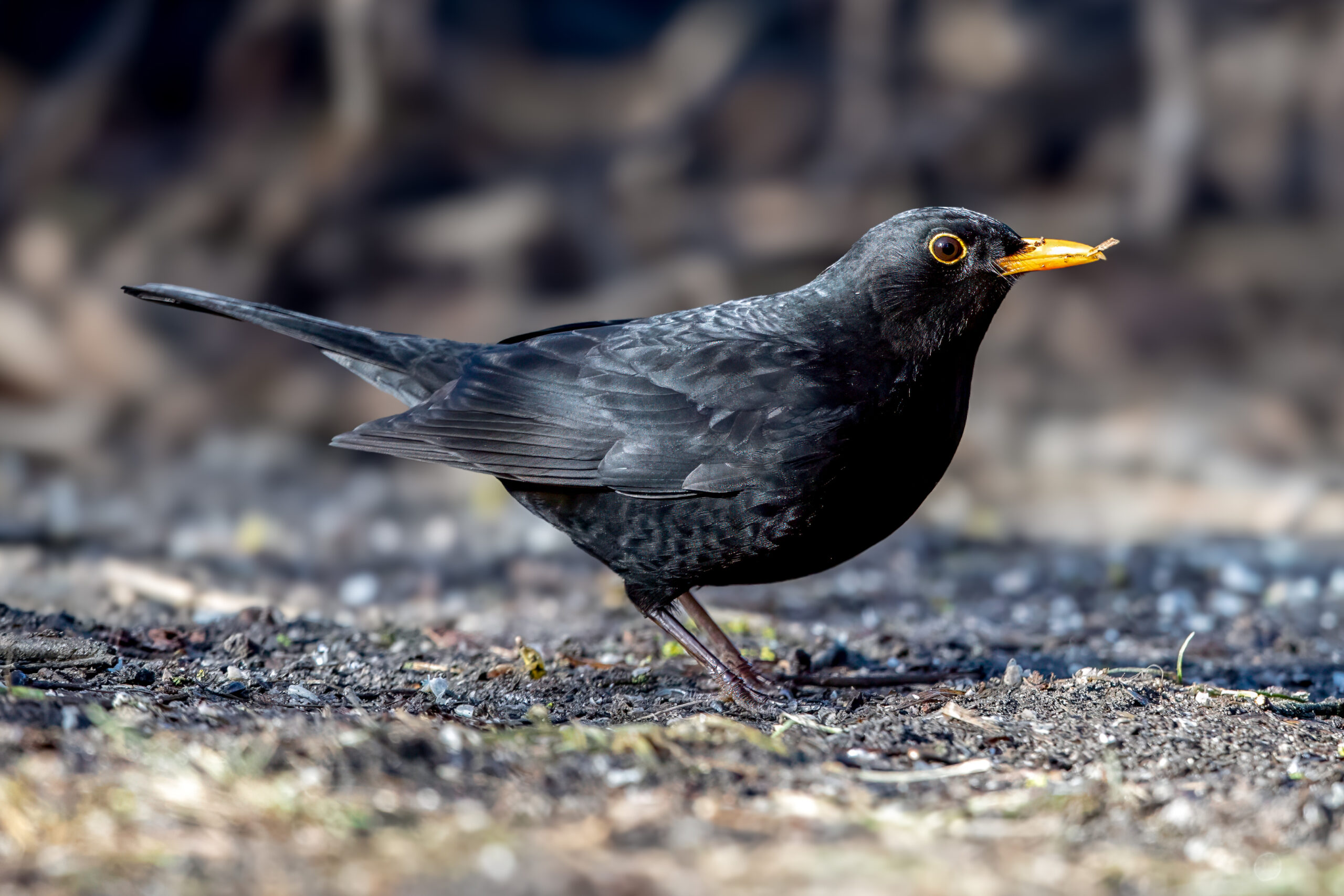
Denmark’s first detected outbreak of Usutu virus in wild birds was documented in 2024, with Eurasian blackbirds (Turdus merula) by far the most affected species in the material examined. Of 85 blackbirds suitable for testing, 56 were positive for Usutu virus RNA in brain tissue.
Usutu virus is a mosquito-borne flavivirus that circulates mainly between birds and Culex mosquitoes. In birds it can cause systemic disease and high mortality, particularly in passerines such as blackbirds, and the virus also has zoonotic potential.
The study examined 149 dead wild birds submitted through national surveillance. Two great spotted woodpeckers (Dendrocopos major) and one red kite (Milvus milvus) also tested positive, but with much lower viral-RNA levels than most affected blackbirds. All 149 birds tested negative for West Nile virus RNA.
Blackbirds showed the clearest disease pattern
Many infected blackbirds were emaciated, with poor plumage and empty stomachs. Common pathological findings included enlarged spleens, intracranial bleeding and tissue congestion, while members of the public often described weak or apathetic birds and occasional coordination problems.
The pathological picture resembled earlier European Usutu outbreaks. Some birds also had injuries, parasites or other abnormalities, so the researchers could not prove that every positive bird died directly from Usutu infection. Taken together, however, the high viral loads and pathology made the virus the most plausible cause of death in the affected blackbirds.
Three virus lineages were present in Denmark
Sequencing produced 20 complete Usutu virus genomes. Fourteen belonged to the Europe 2 lineage, five to Africa 3 and one to Europe 3. All three lineages were already known elsewhere in Europe.
The presence of three distinct lineages suggests that the Danish outbreak did not arise from a single introduction. The exact routes could not be reconstructed, but the authors consider multiple introductions likely.
Warm, wet conditions and abundant mosquitoes may have favoured the outbreak
Denmark experienced an unusually warm and wet year in 2024, and Culex mosquitoes reached their highest recorded abundance since national mosquito monitoring began in 2011. The authors argue that these conditions probably helped the virus establish and spread.
They also stress that 2024 cannot be proven to have been the first year Usutu virus was present in Denmark. Very few blackbirds had been tested in preceding years, while the virus was already circulating in neighbouring countries and in regions visited by migratory birds. The study therefore documents the first detected outbreak, not necessarily the virus’s first arrival.
Usutu virus has zoonotic potential, although most human infections are asymptomatic. The authors conclude that continued surveillance of wild birds, mosquitoes and human cases is important, especially because Usutu and West Nile viruses share mosquito vectors and have both expanded in Europe.
Disease, parasites & microbiology
Related news
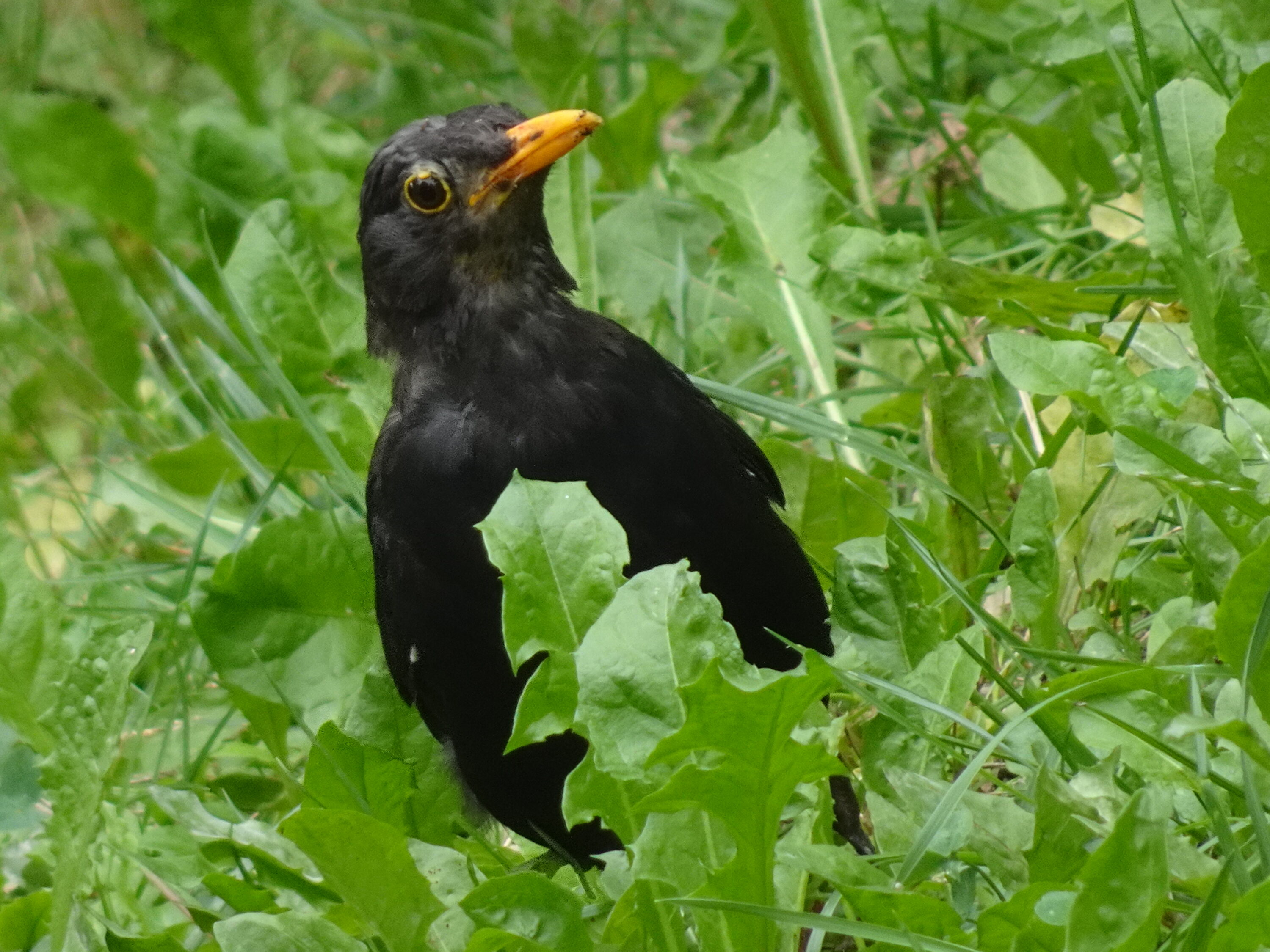
Urban Bird Diversity Was More Strongly Linked to Forest Structure Than the Surrounding City
Across 12 urban forests in three Italian cities, researchers recorded 2,035 birds from 52 species. Local forest structure…
Read story →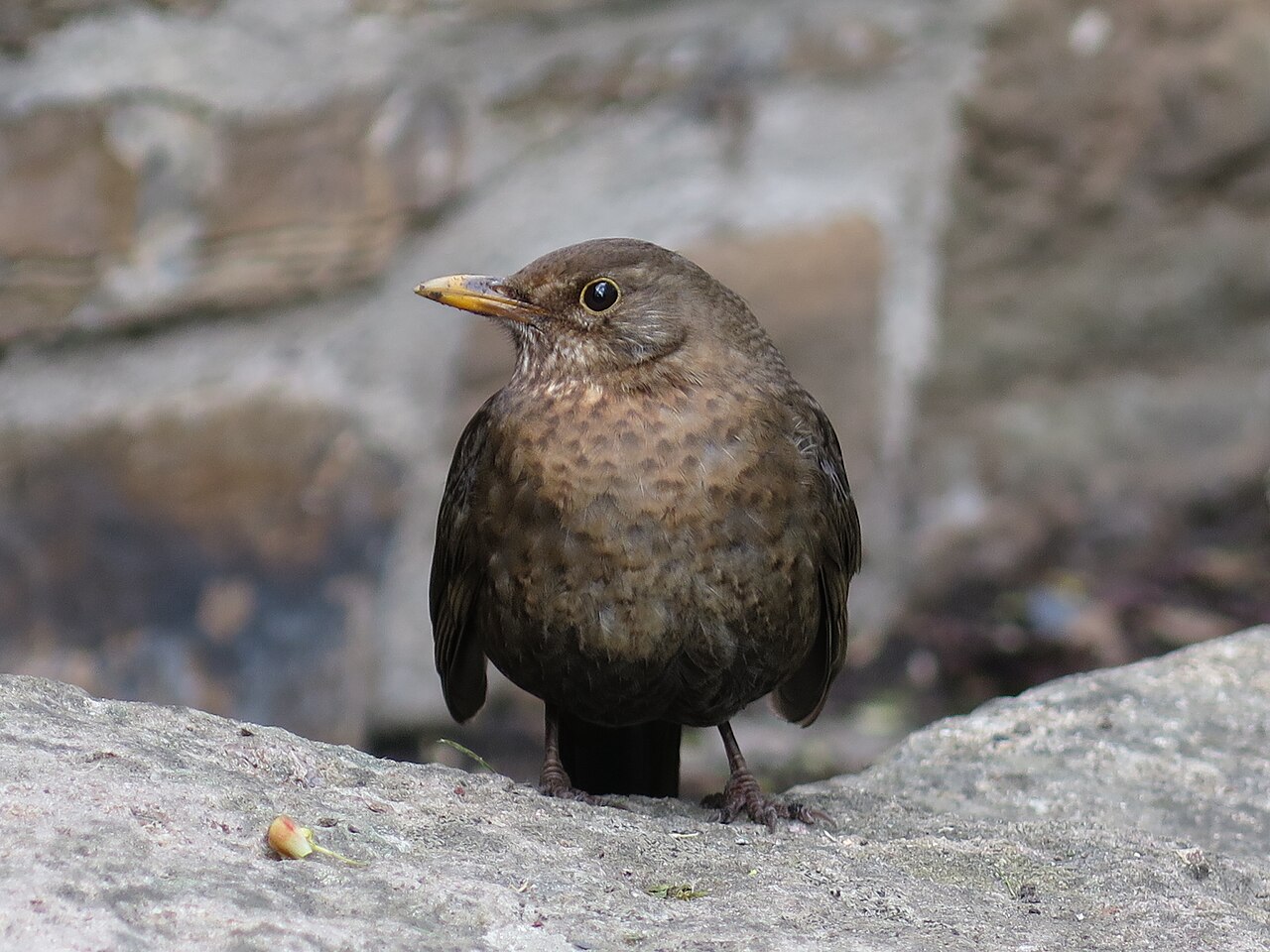
Older Female Blackbirds Built More Debris Into Their Nests
Plastic strips, strings and other human-made materials appeared especially in the bases of Blackbird nests in a Polish…
Read story →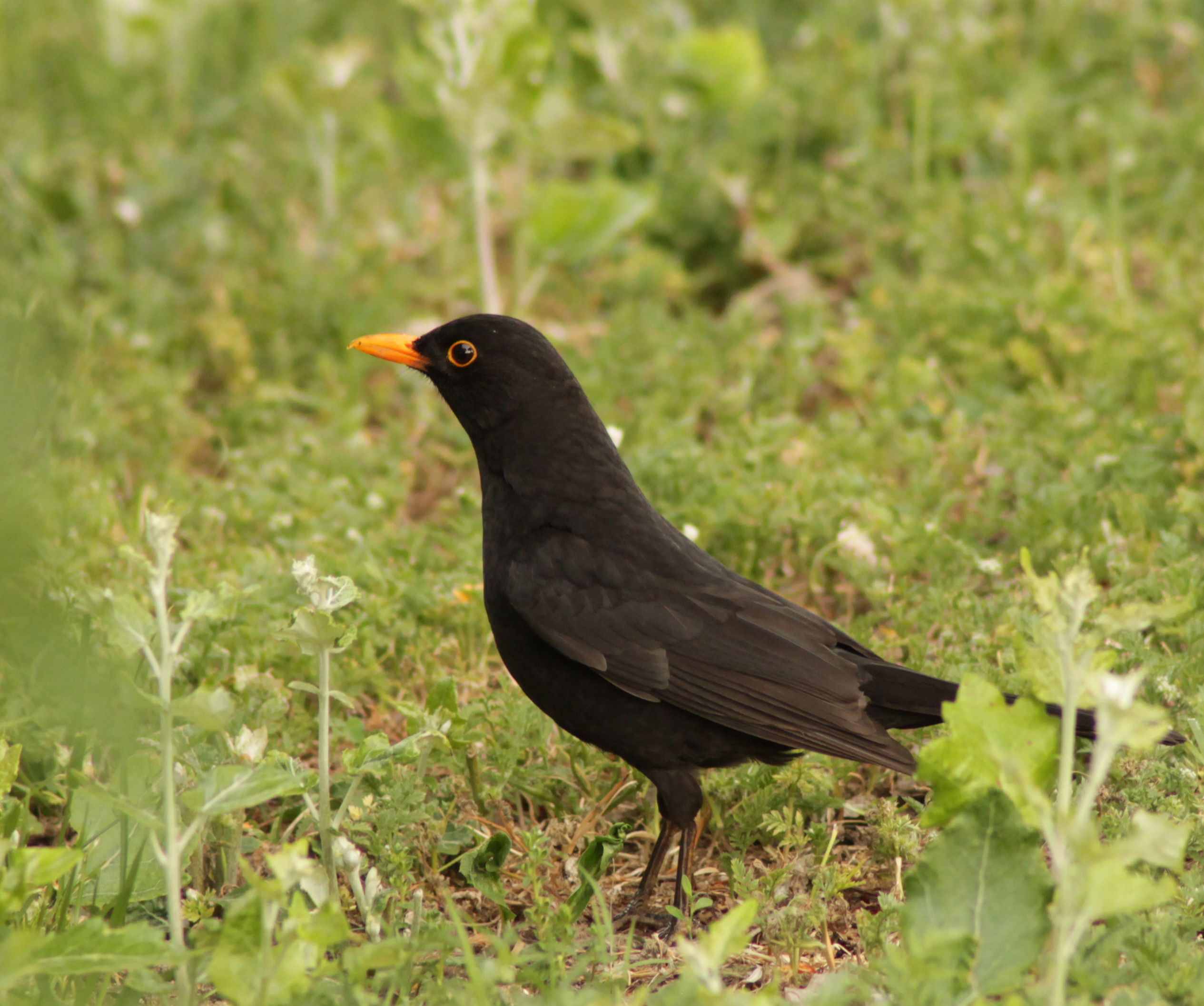
Targeted Restoration Raised the Modelled Share of Functionally Connected Blackbird Breeding Habitat to 90.8% in Gijón
VHF telemetry from 13 adult Eurasian blackbirds in Gijón was used to model breeding habitat and connectivity. Under…
Read story →SPECIES IN THIS STORY
Species in this story
Independent research and conservation news archive
Did you find this information useful?
Wildlife Vagabond is independently built and maintained. Voluntary support helps cover source verification, hosting and continued work on research and conservation news.
Support Wildlife VagabondThe news archive will remain freely available.