
Vermont Allocated 85 Moose Permits to Limit Winter-tick Impacts
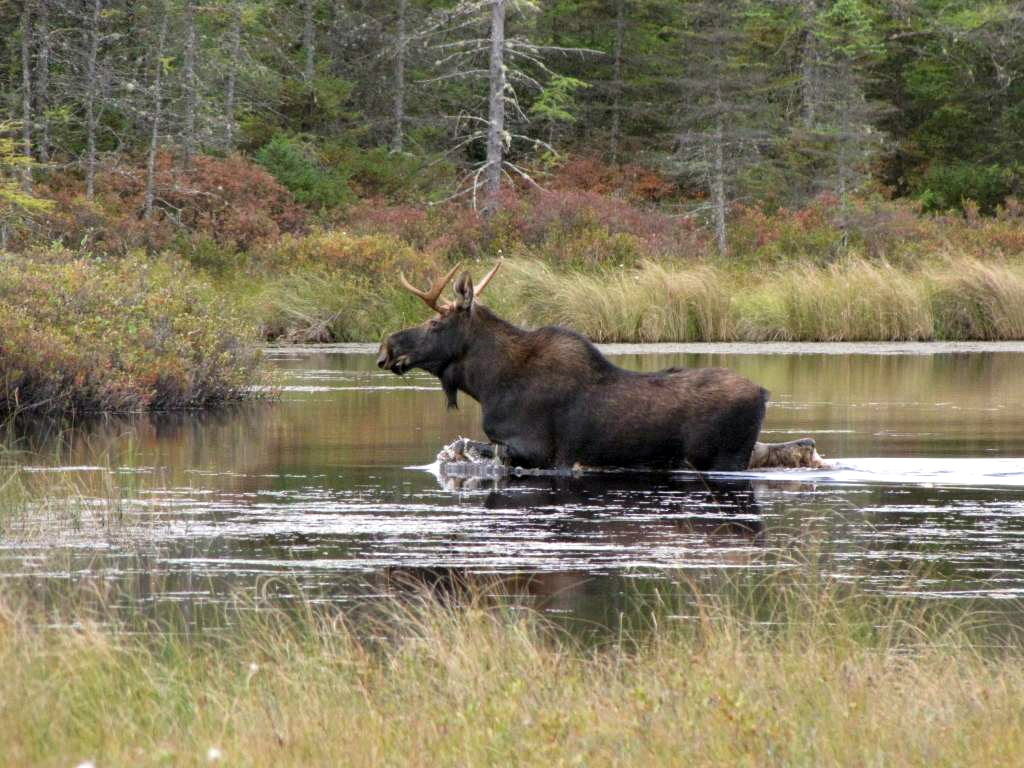
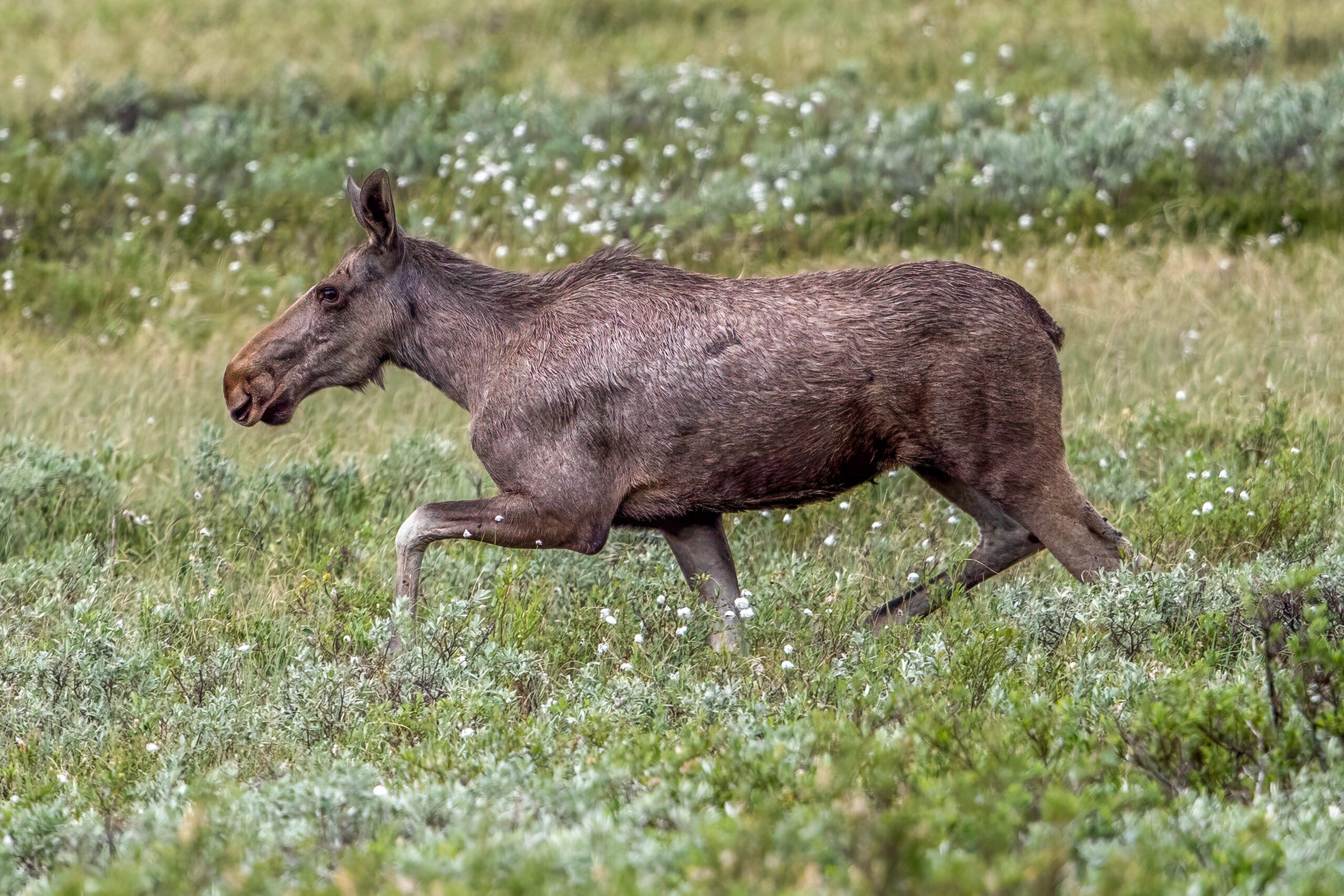
Vermont, USA approved 85 moose hunting permits for Wildlife Management Unit E (WMU E) in the northeastern part of the state for 2026. The Vermont Fish and Wildlife Board voted on 1 April to make 65 either-sex permits and 20 antlerless permits available, and the decision was announced the following day. The department expects the hunt to result in a harvest of about 40–50 moose, or roughly 6% of the current population in the unit.
The management goal is to keep moose (Alces alces) numbers lower in WMU E and thereby reduce the abundance and impact of winter ticks. The Vermont Fish & Wildlife Department says moose density in the unit remains substantially higher than elsewhere in the state, and ongoing health monitoring shows that winter ticks are still affecting the population. Birth rates remain low, and many calves do not survive their first winter.
The department links the problem to host density. Moose project leader Nick Fortin has explained that lower moose densities leave winter ticks with fewer available hosts, reducing the number of ticks on the landscape. The 2026 recommendation aims to keep the population near the department’s target density of about one moose per square mile rather than begin another broad reduction.
The 85 permits are fewer than the 180 approved in each of the previous three years. The smaller allocation reflects a shift from stronger population reduction toward trying to stabilise the herd near the target density, while continuing to use hunting as one part of the state’s response to winter-tick impacts in WMU E.
Management
Related news
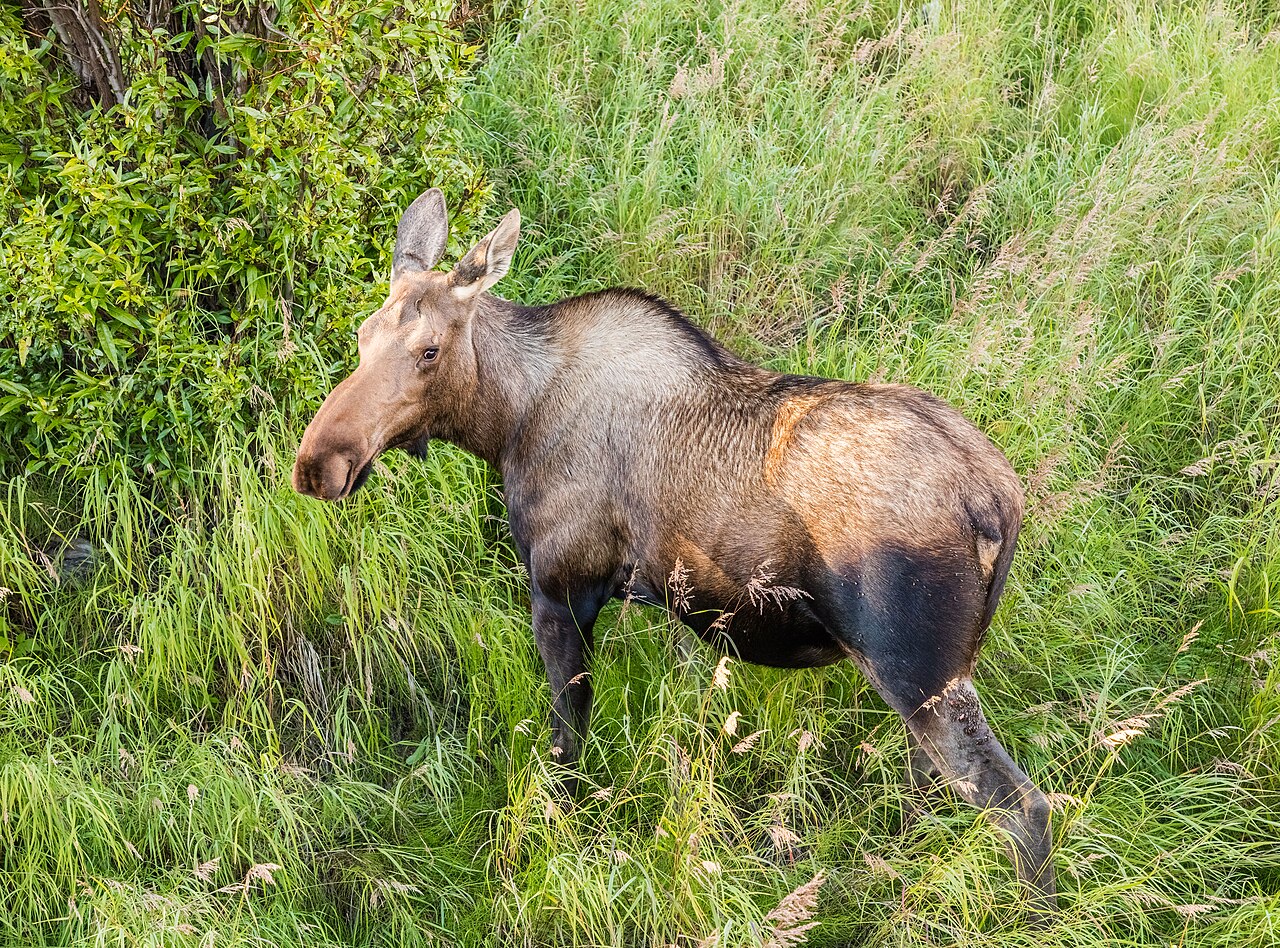
Arctic Moose Follow the River Valleys
GPS tracking in Alaska showed that half of 24 female moose migrated between summer and winter ranges. Migrants…
Read story →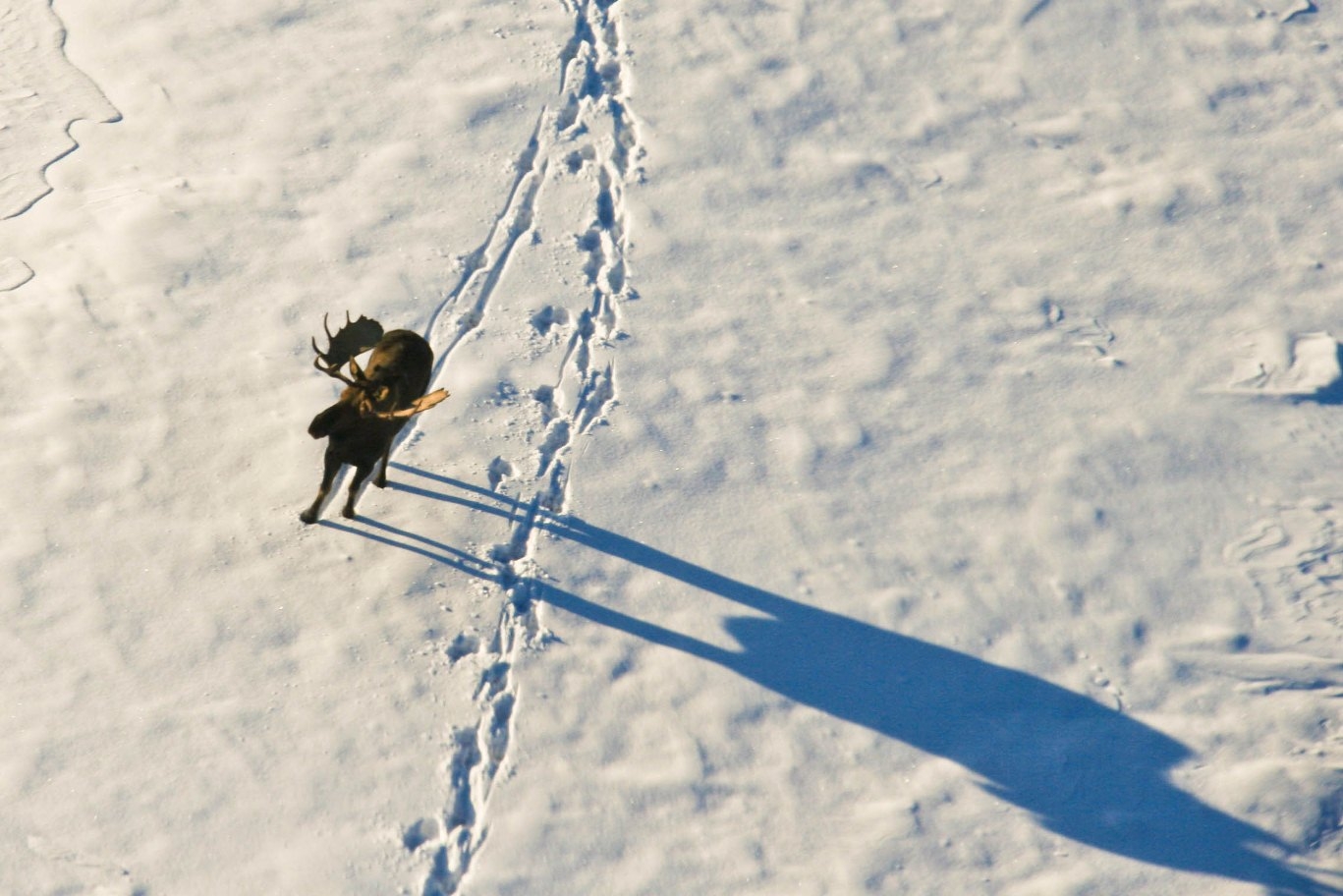
Thermal Drones Found Nearly All Moose in Favourable Winter Weather
Swedish trials found detection close to 100% in cold, overcast winter conditions, but the survey effort needed for…
Read story →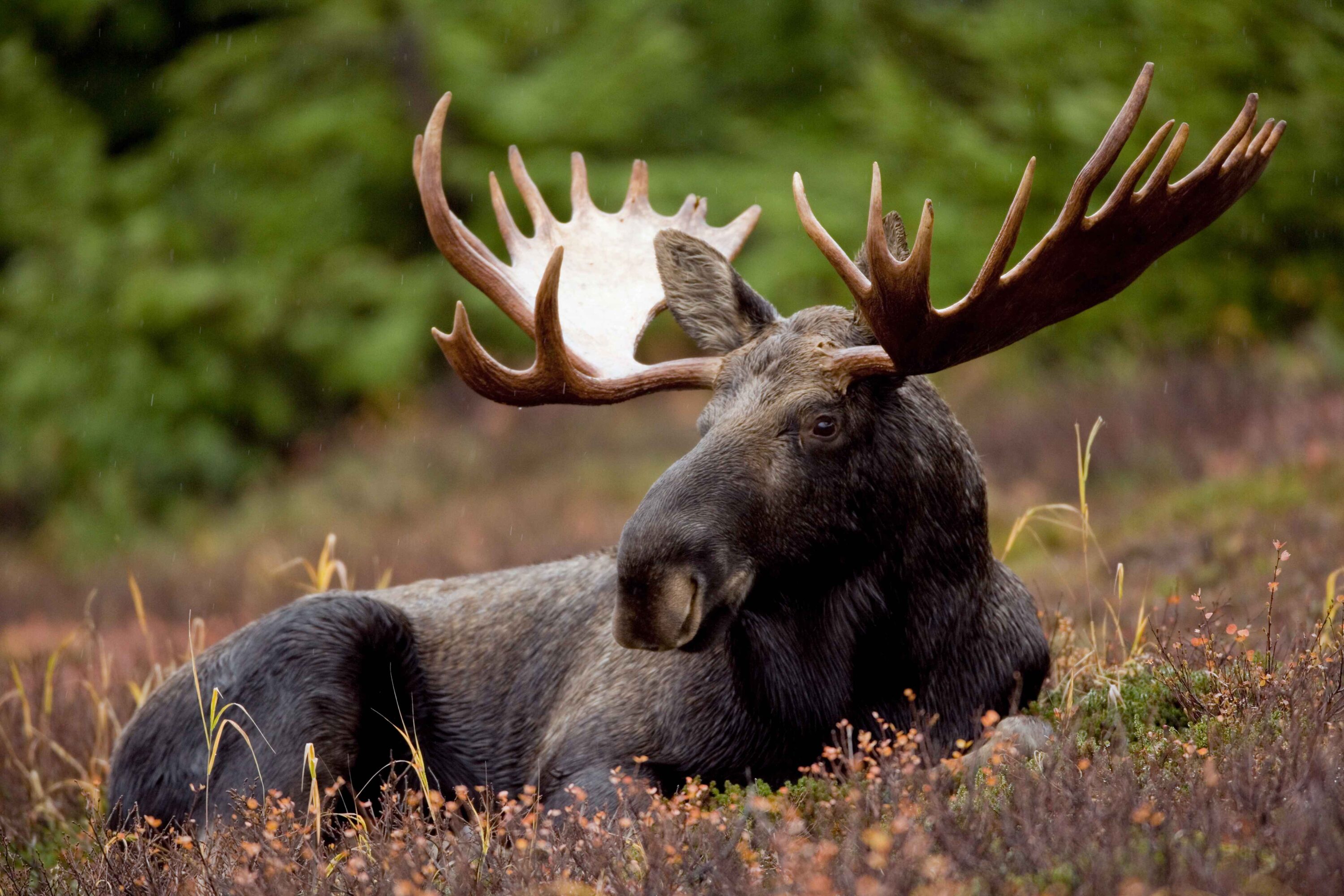
Even Adirondack Park’s Densest Moose Area Was Too Sparse for Precise Aerial Estimates
Helicopter surveys estimated about 92 moose in the Adirondack core in 2024 and 112 in 2025, but broad…
Read story →SPECIES IN THIS STORY
Species in this story
Independent research and conservation news archive
Did you find this information useful?
Wildlife Vagabond is independently built and maintained. Voluntary support helps cover source verification, hosting and continued work on research and conservation news.
Support Wildlife VagabondThe news archive will remain freely available.