
Authors Reported 5,441 Wet-Season Western Cattle Egret Observations at Chelekleka Wetland
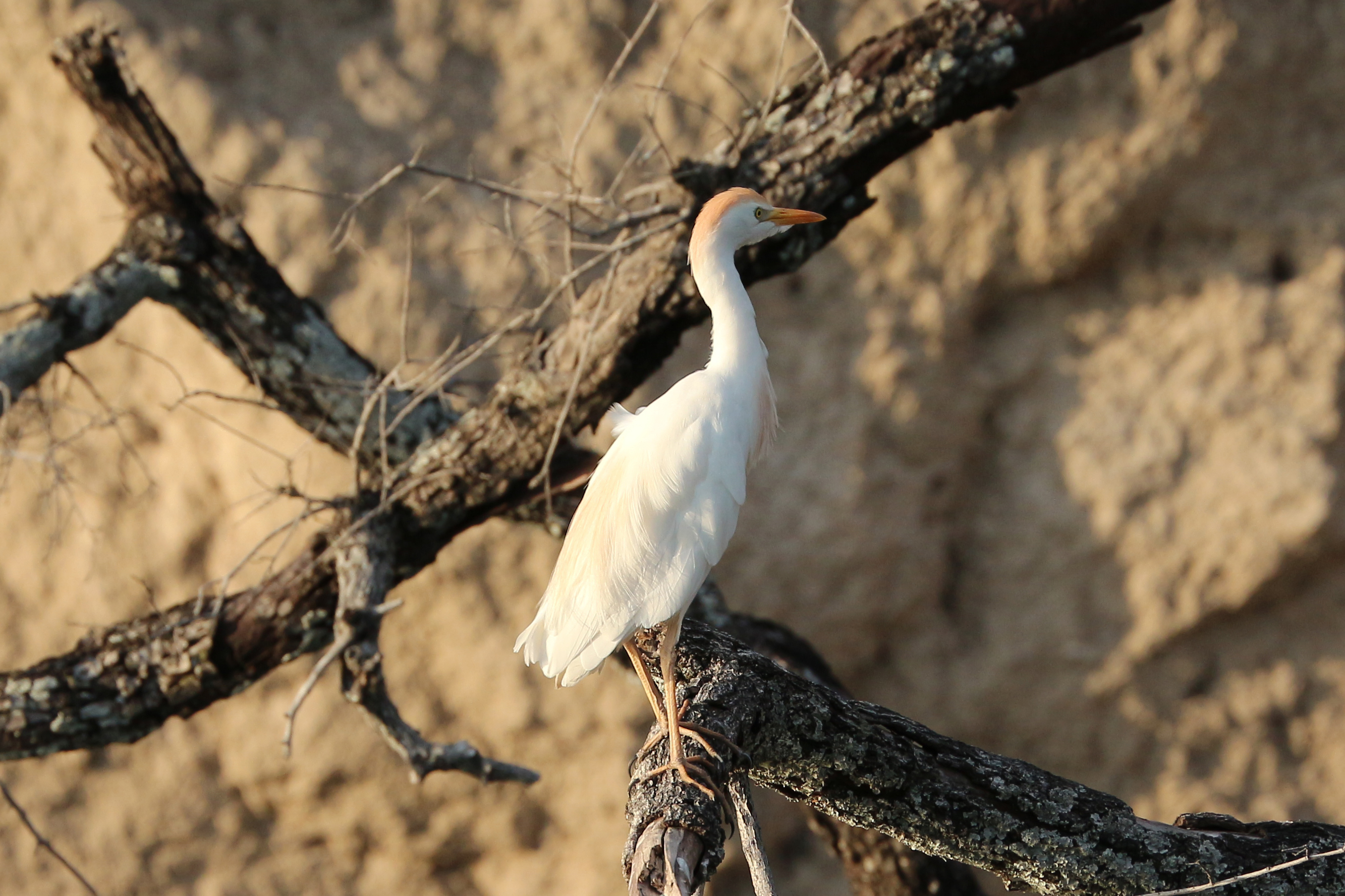
A field study at Chelekleka Wetland in Ethiopia reported substantially more western cattle egret (Ardea ibis) observations during the wet season than during the dry season. The study, published online on 15 February 2026, combined seasonal counts with observations of daily activity, foraging and habitat use in the Ethiopian Rift Valley.
In scan sampling, observers record the behaviour of many visible birds at set moments, whereas focal observations follow selected individuals more continuously for a defined period.
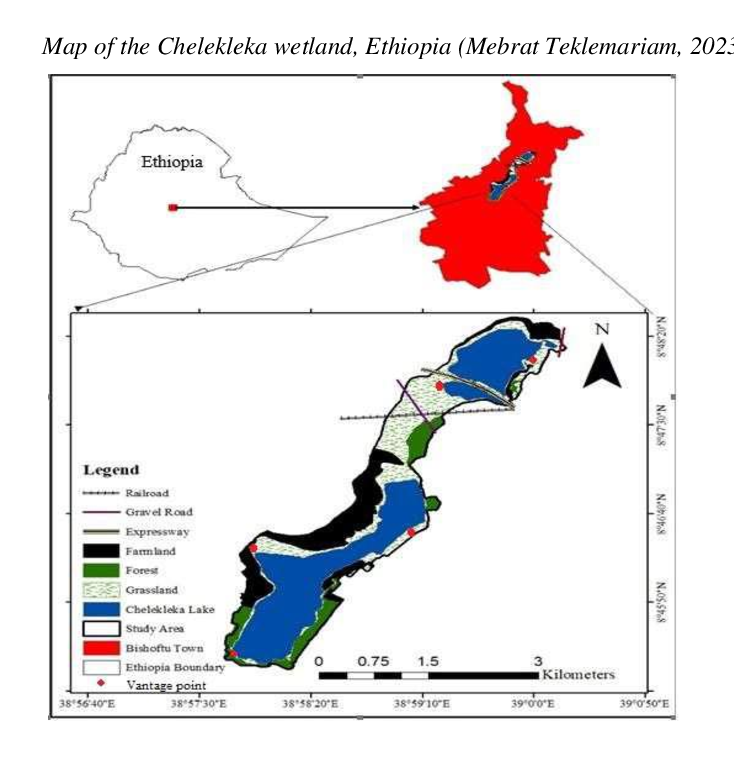
Authors reported 5,441 wet-season observations
Fieldwork covered the wet season from June to August 2023 and the dry season from January to February 2024. Researchers divided the study area into habitat blocks and used direct counts, scan sampling and focal observations. The methods describe 32 survey days in total, while the result for the number of birds is presented in the paper as three-day count data. The authors report 5,441 egret observations for the wet season and 3,335 for the dry season. However, the wet-season block counts shown in their table do not add consistently to the published total, so 5,441 should be treated as the authors’ reported figure rather than an independently verifiable sum or a regional population estimate.
Feeding accounted for 87–91% of recorded activity
Feeding dominated the birds’ daily activity in both seasons. It accounted for 86.9% of recorded activity during the wet season and 91.2% during the dry season. Feeding was most prominent in the early morning, particularly between 08:00 and 10:00, while flying, preening and resting became more prominent around midday.
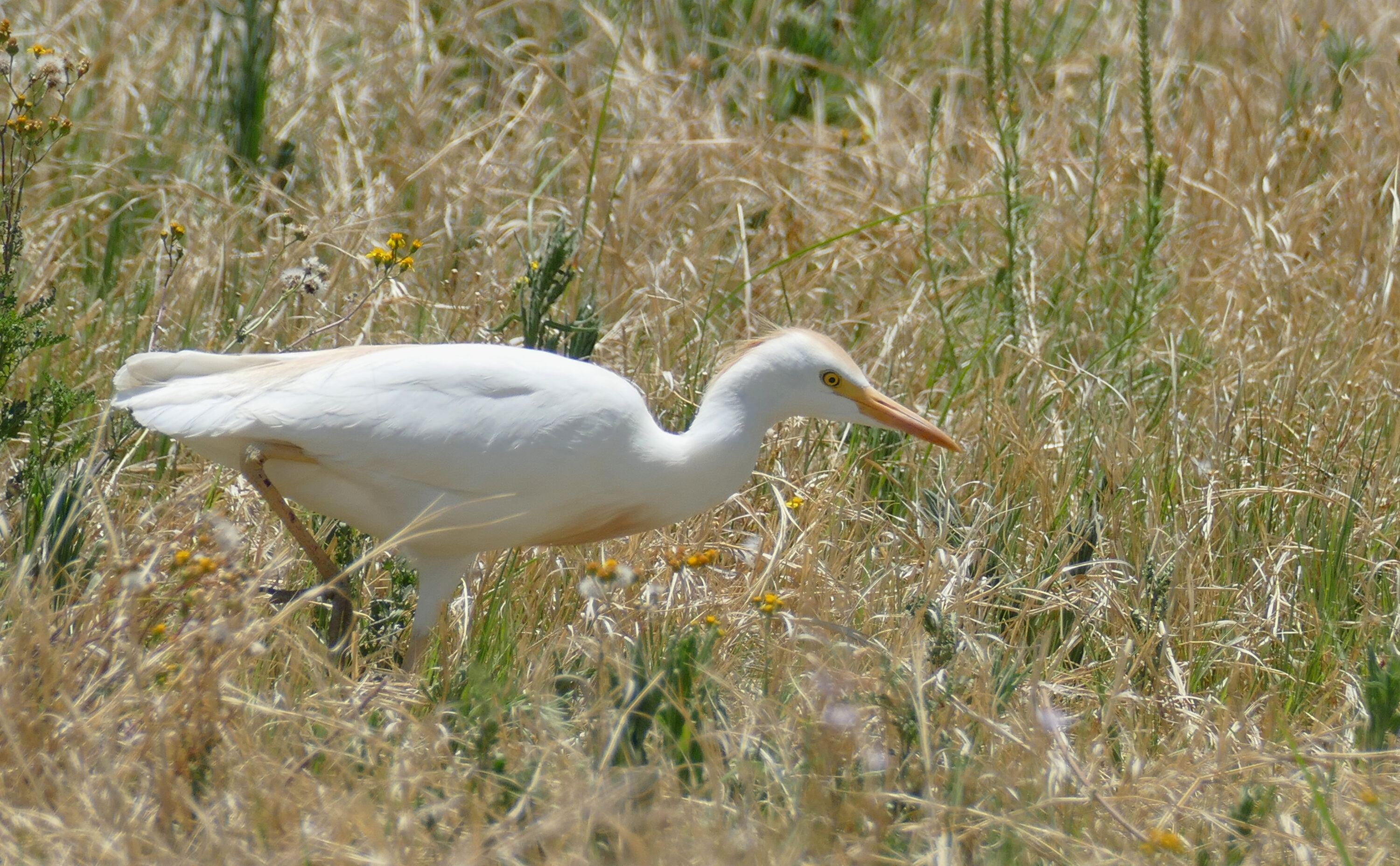
The egrets mainly foraged in open grasslands, pastures and farmland and were frequently observed following grazing livestock. As livestock move through vegetation, they can disturb insects and make them more accessible to the birds. The researchers also recorded potential invertebrate food resources in the habitat, including grasshoppers, beetles, flies and spiders.
Chelekleka functions both as a wetland and as part of a wider landscape of grazing and agricultural areas. The authors link the seasonal differences in egret numbers and activity to changing water conditions and resource availability. They emphasise the importance of maintaining connections between open feeding areas and nearby wetland roosting habitat.
Based on their findings, the researchers recommend maintaining the wetland’s hydrological balance by protecting inflow channels, reducing sedimentation and preventing excessive water extraction, while also limiting habitat degradation from agricultural expansion, pollution and urban encroachment.
Ecology
Related news
Cattle Egrets Find New Feeding Opportunities Around Farms and Towns
Cattle egrets exploit insects flushed by livestock and machinery. A review of 173 studies links this flexibility with…
Read story →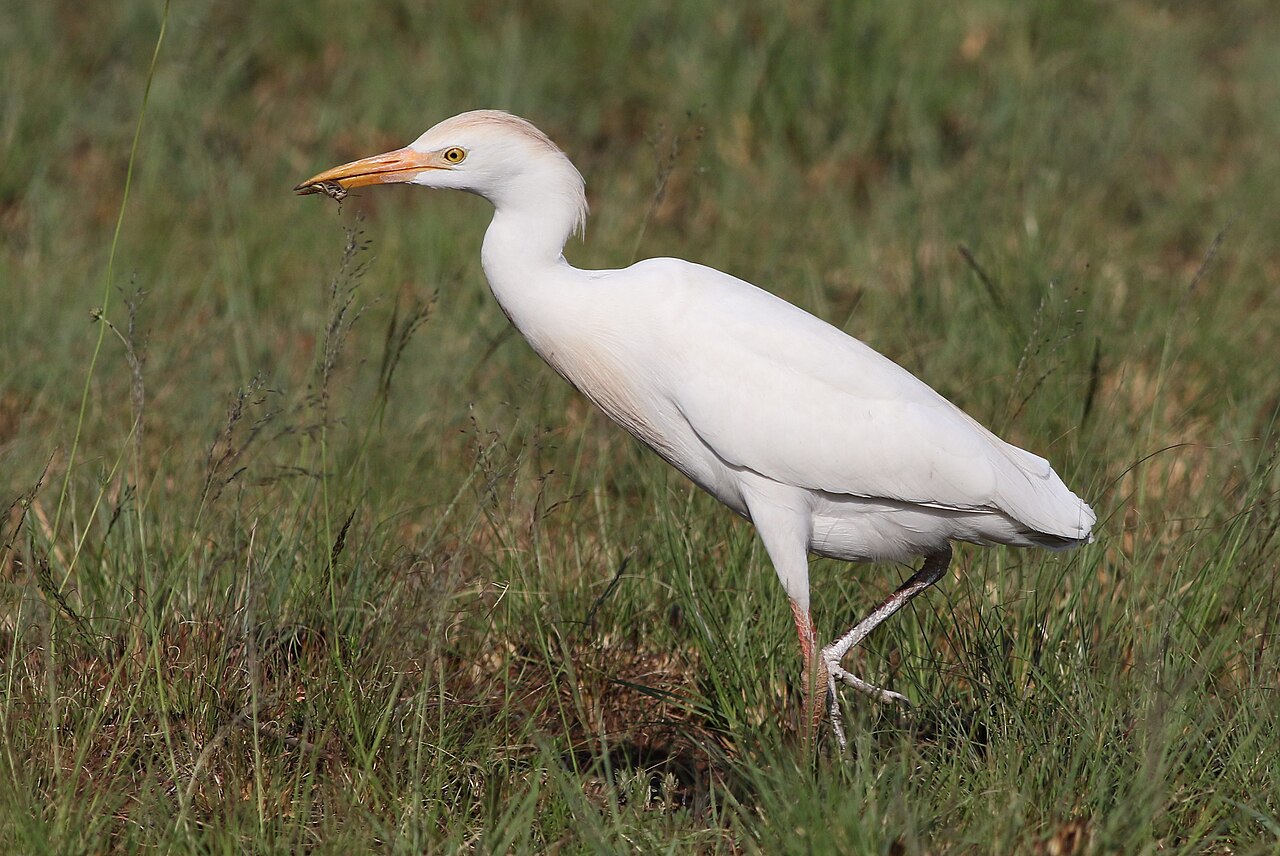
Beetles Dominated Western Cattle Egret Diet Across Nine Algerian Colonies
Across 241 pellets from nine breeding colonies in northeastern Algeria, 98.3% of identified animal prey were invertebrates and…
Read story →
Earlier Laying, Larger Clutches and Better Habitat Were Linked to Higher Western Cattle Egret Breeding Success
A five-year study of 1,779 Western Cattle Egret nests in northeastern Algeria found that breeding performance varied strongly…
Read story →SPECIES IN THIS STORY
Species in this story
Independent research and conservation news archive
Did you find this information useful?
Wildlife Vagabond is independently built and maintained. Voluntary support helps cover source verification, hosting and continued work on research and conservation news.
Support Wildlife VagabondThe news archive will remain freely available.