
Five-Year Whinchat Study Suggests Delaying Mowing Until After 23 July
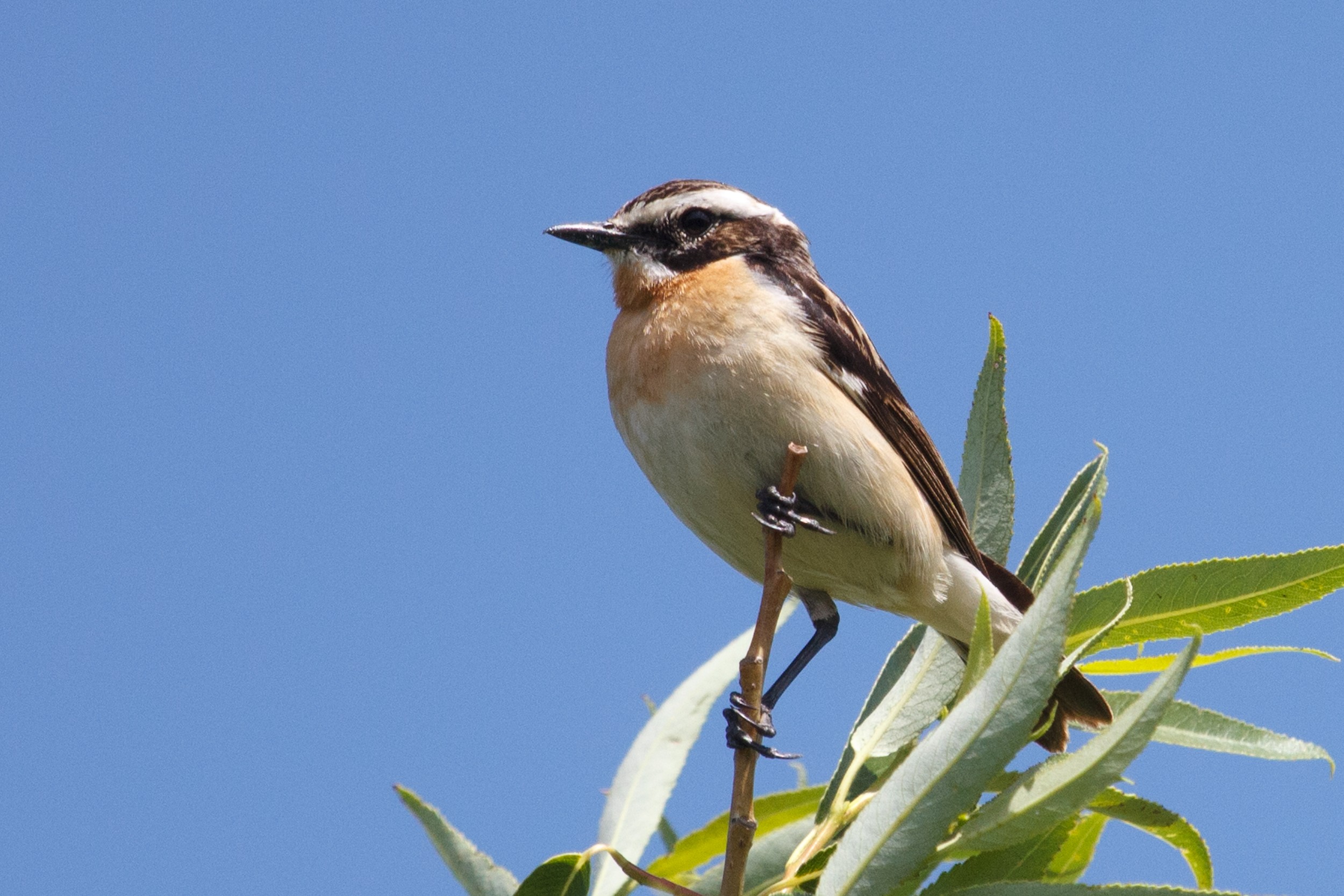
Five breeding seasons of monitoring in Ireland’s Shannon Callows produced a framework for timing meadow mowing around whinchat (Saxicola rubetra) breeding. The study, published on 7 January 2026, monitored 181 territories and combined the local breeding data with published demographic rates to estimate what proportion of broods would need to survive for a theoretically stable population.
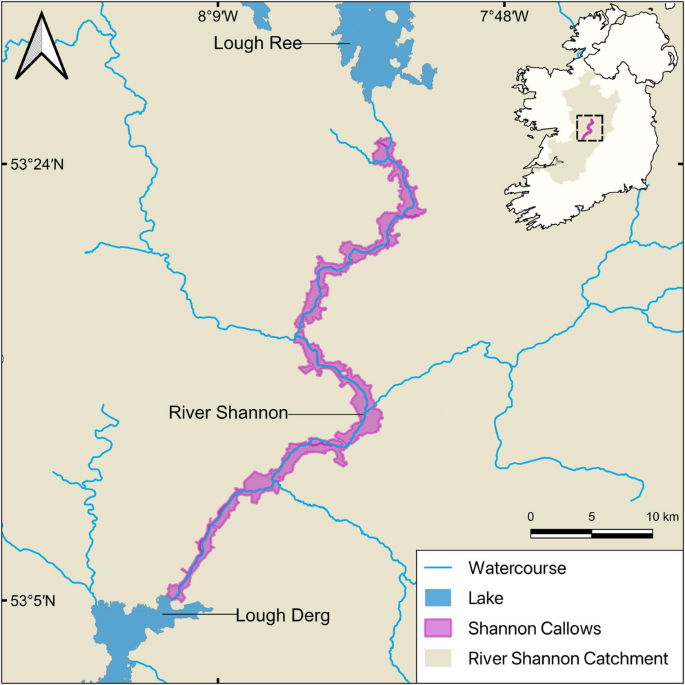
Across the five survey years, 157 breeding pairs and 24 single males were recorded. Between 2018 and 2020, 68% of nests produced fledglings. Using demographic rates from earlier studies, the authors calculated that a theoretical stable population would require 80.6% of broods to survive. In their five-year fledging dataset, that threshold was reached on 14 July.
Annual variation shaped the mowing recommendation
Because fledging dates varied among years, the researchers built that annual variation into the recommendation. This moved their suggested mowing date to after 23 July to reduce the risk to later broods. They also proposed protecting roughly 90% of broods as a pragmatic compromise between the calculated minimum of 80.6% and full protection.
The authors stress that the 80.6% threshold is an informed estimate rather than a precise prediction for the Shannon Callows. The demographic rates used in the calculation came from studies elsewhere in the species’ range because equivalent estimates are not yet available for the Irish population. The framework can therefore be updated if Irish survival and productivity estimates become available.
Mowing date alone weakly predicted breeding success
The direct link between mowing date and breeding success was weak. Later mowing initially appeared to coincide with greater breeding success, but this pattern was not robust when the researchers tested it further. The authors therefore caution that mowing timing alone is unlikely to explain breeding success in the Shannon Callows; habitat structure, prey availability, predation and weather may also matter.
Management
Related news
Ten Migrants Followed Early-slow and Late-fast Passage Strategies Through Nigeria
Twenty-four years of ringing data from Jos showed striking species differences in migration timing: Icterine Warblers were among…
Read story →
Golden Plover Among Upland Birds That Declined Markedly at Pumlumon Over 40 Years
Forty years of surveys in the Pumlumon uplands found marked declines in characteristic upland birds including European Golden…
Read story →
Six of Seven Alpine Whinchats Began Spring Migration With a 37–45-Hour Sahara Flight
Multi-sensor loggers on seven French Alpine whinchats showed a short-step autumn route around western Sahara, while six birds…
Read story →SPECIES IN THIS STORY
Species in this story

Independent research and conservation news archive
Did you find this information useful?
Wildlife Vagabond is independently built and maintained. Voluntary support helps cover source verification, hosting and continued work on research and conservation news.
Support Wildlife VagabondThe news archive will remain freely available.