
Six of Seven Alpine Whinchats Began Spring Migration With a 37–45-Hour Sahara Flight
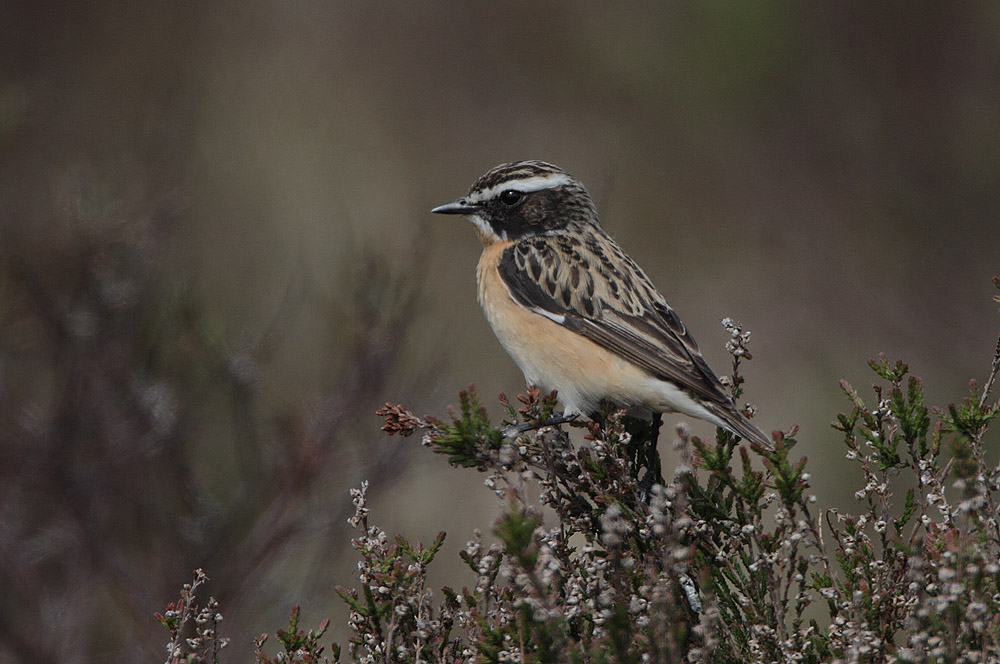
Seven whinchats (Saxicola rubetra) breeding in the French Alps followed an anti-clockwise loop migration between Europe and West Africa, using different routes and flight strategies in autumn and spring. A loop migration means that the return journey follows a different broad route from the outward journey rather than retracing the same path.
The birds carried multi-sensor loggers combining light, acceleration and barometric-pressure data. Light levels provided approximate geographical positions from day length and the timing of sunrise and sunset, accelerometers revealed periods of active flight, and changes in air pressure were used to estimate flight altitude. Together, the sensors allowed the researchers to reconstruct flights, stopovers and non-breeding movements in more detail than light geolocation alone.
Autumn migration was built from many short steps
After leaving the French Alps, the birds travelled west through France and the Iberian Peninsula, entered Africa near the Strait of Gibraltar and continued south along the western edge of the Sahara. Autumn migration lasted 17–50 days.
The most common active flights were short nocturnal bouts averaging about nine hours. The birds made roughly 15 stops on average, and the median stop lasted 16 hours. Most stopovers were therefore brief pauses between relatively short migration steps rather than long refuelling periods.
Autumn desert crossing was flexible. Some birds crossed in short stages, while others used longer flights; one recorded autumn crossing lasted more than 42 hours. The autumn strategy was therefore less uniform than the spring crossing.
Spring return was faster and more direct
Spring migration lasted 12–24 days and followed a more easterly route across the Sahara toward Europe. Six of the seven birds began spring migration with one uninterrupted trans-Saharan flight lasting 37–45 hours. The seventh crossed the desert in several stages.
These long spring flights also reached the greatest recorded altitudes. All birds climbed to around 4,000 m above sea level, and one exceeded 6,000 m. The authors suggest that high flight altitudes can help small migrants cross the desert while also reducing heat load during daylight, but the study did not experimentally test why each bird selected a particular altitude.
Winter movements were flexible
The seven birds used one or two main non-breeding sites in West Africa, principally in Guinea, Sierra Leone, Ivory Coast, Senegal and Mauritania. Four shifted to a second site during mid-winter, while the others either remained at one site or moved locally before spring departure.
Compared with previously tracked British whinchats, the Alpine birds were more spatially clustered on the non-breeding grounds, suggesting a moderate degree of migratory connectivity. In biological terms, birds from this Alpine breeding population were not scattered randomly across the whole West African winter range, but neither did they all use one tightly defined wintering area.
Seven birds provide detailed tracks, but a small sample
The multi-sensor data revealed striking individual detail, especially the short-step autumn strategy and the very long spring Sahara flights. The sample nevertheless consisted of only seven recovered loggers, so the exact frequencies of each strategy cannot be assumed to represent all whinchats breeding in the Alps.
The authors emphasise the importance of a network of stopover sites along the western migration route and of late-winter feeding areas in West Africa. Because spring desert crossing often began immediately after departure from the final winter site, conditions at those late-winter areas may be especially important for accumulating the energy needed for the non-stop flight.
Ecology
Related news
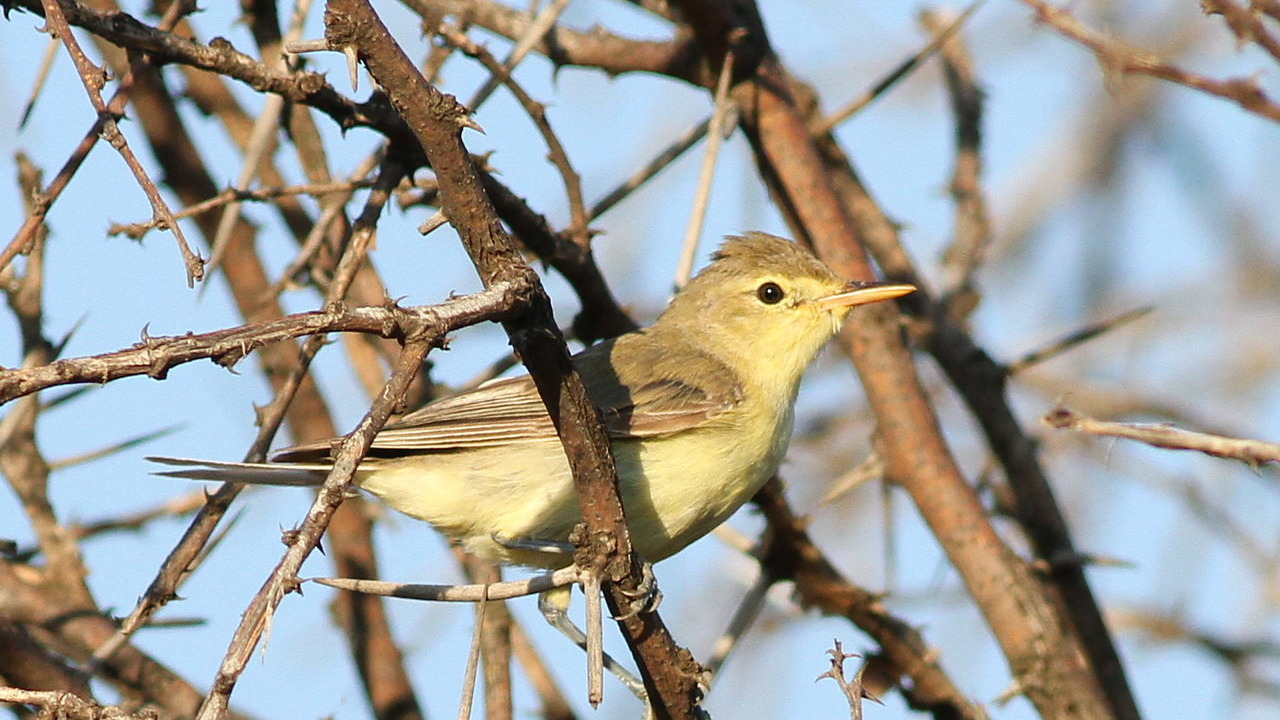
Ten Migrants Followed Early-slow and Late-fast Passage Strategies Through Nigeria
Twenty-four years of ringing data from Jos showed striking species differences in migration timing: Icterine Warblers were among…
Read story →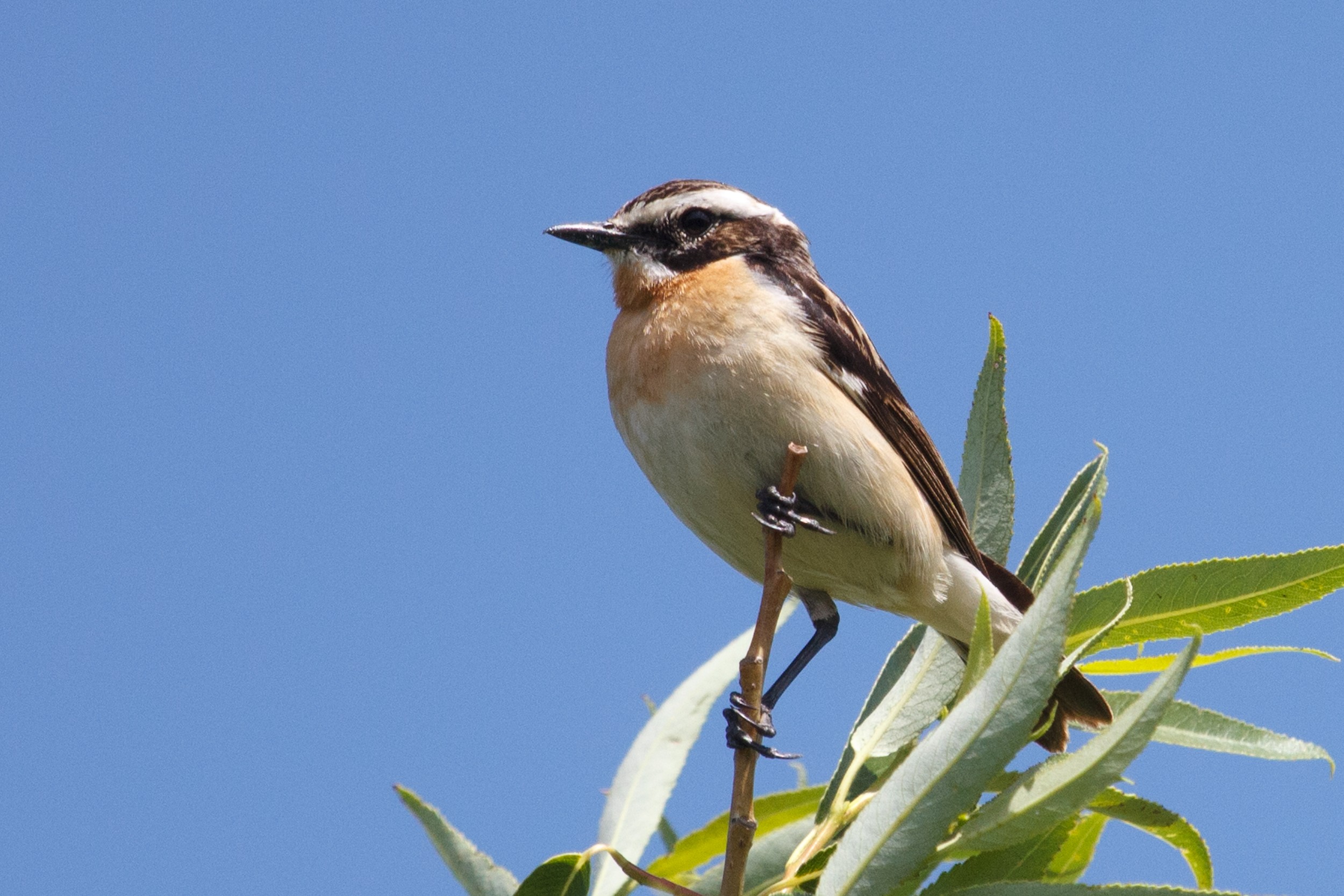
Five-Year Whinchat Study Suggests Delaying Mowing Until After 23 July
Using five breeding seasons in Ireland’s Shannon Callows, the authors estimated that a stable population would require 80.6%…
Read story →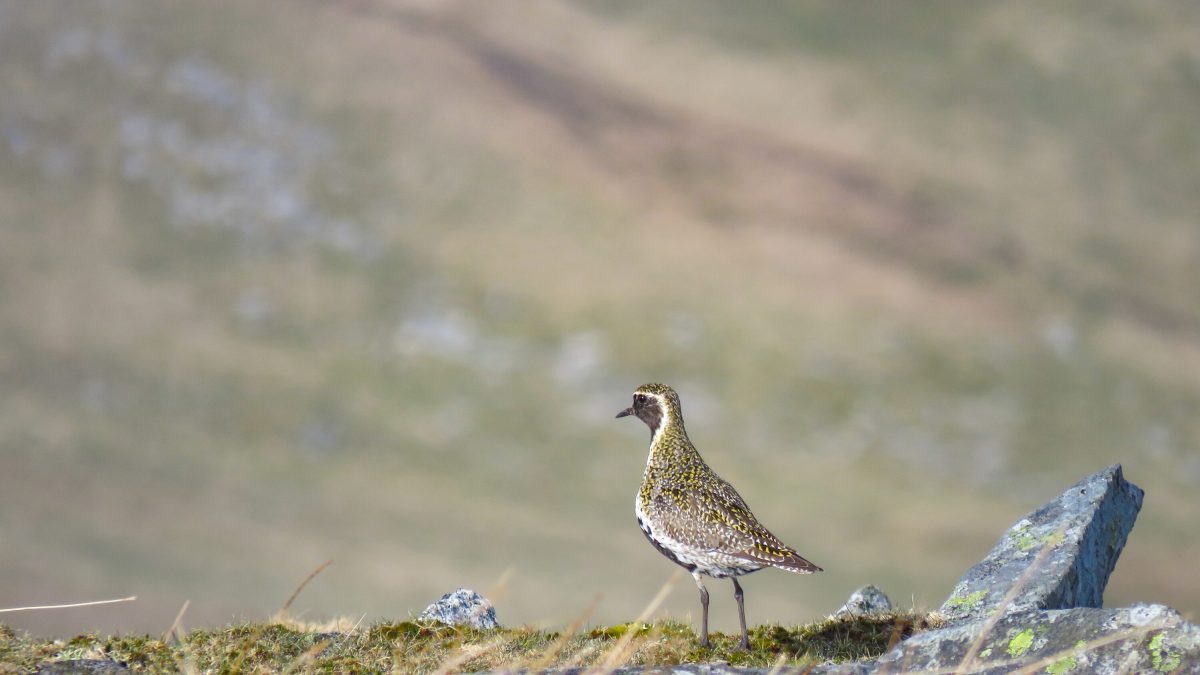
Golden Plover Among Upland Birds That Declined Markedly at Pumlumon Over 40 Years
Forty years of surveys in the Pumlumon uplands found marked declines in characteristic upland birds including European Golden…
Read story →SPECIES IN THIS STORY
Species in this story

Independent research and conservation news archive
Did you find this information useful?
Wildlife Vagabond is independently built and maintained. Voluntary support helps cover source verification, hosting and continued work on research and conservation news.
Support Wildlife VagabondThe news archive will remain freely available.