
White-backed Vulture Nest Encounters More Than Halved in Western Serengeti Surveys
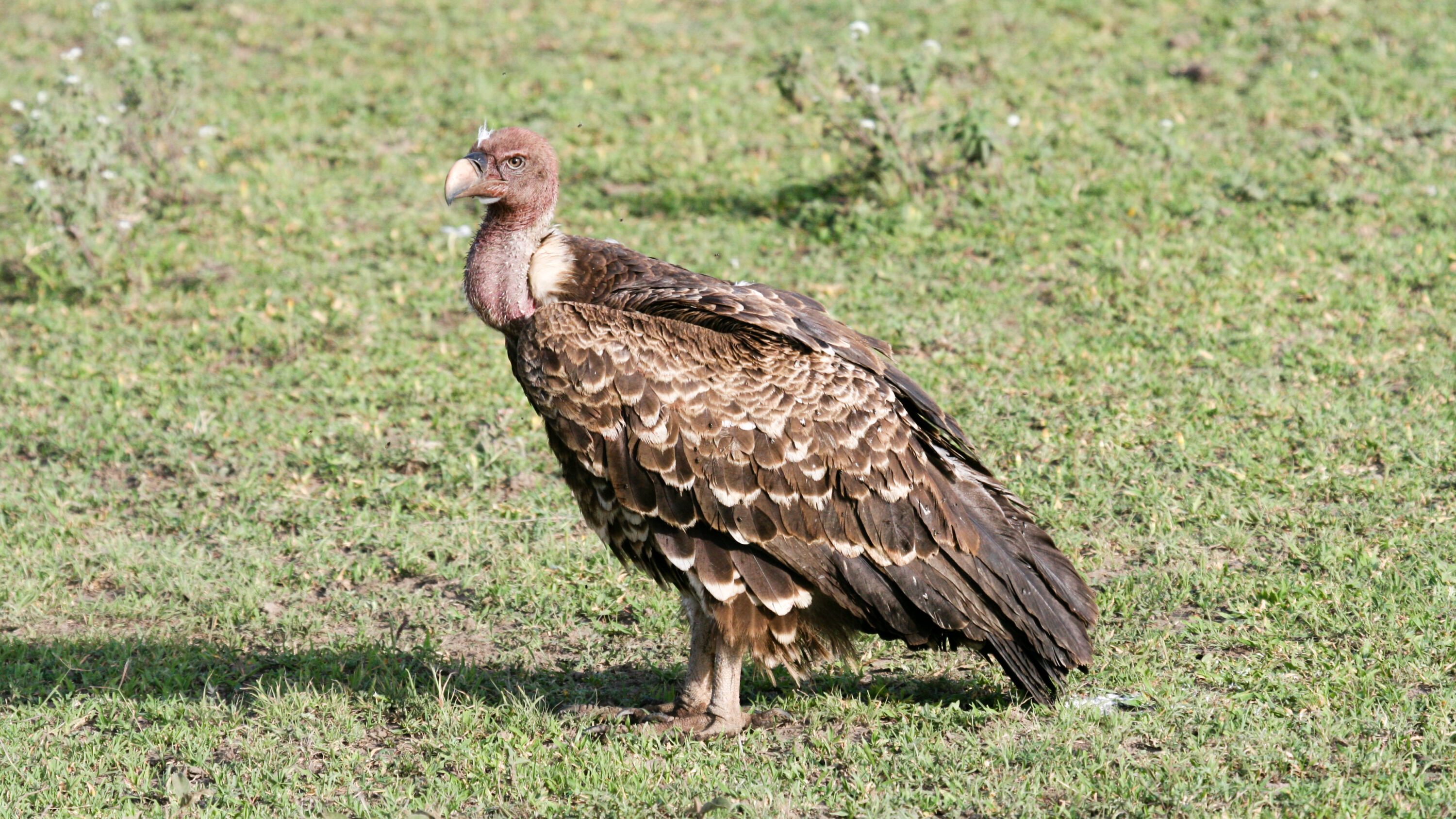
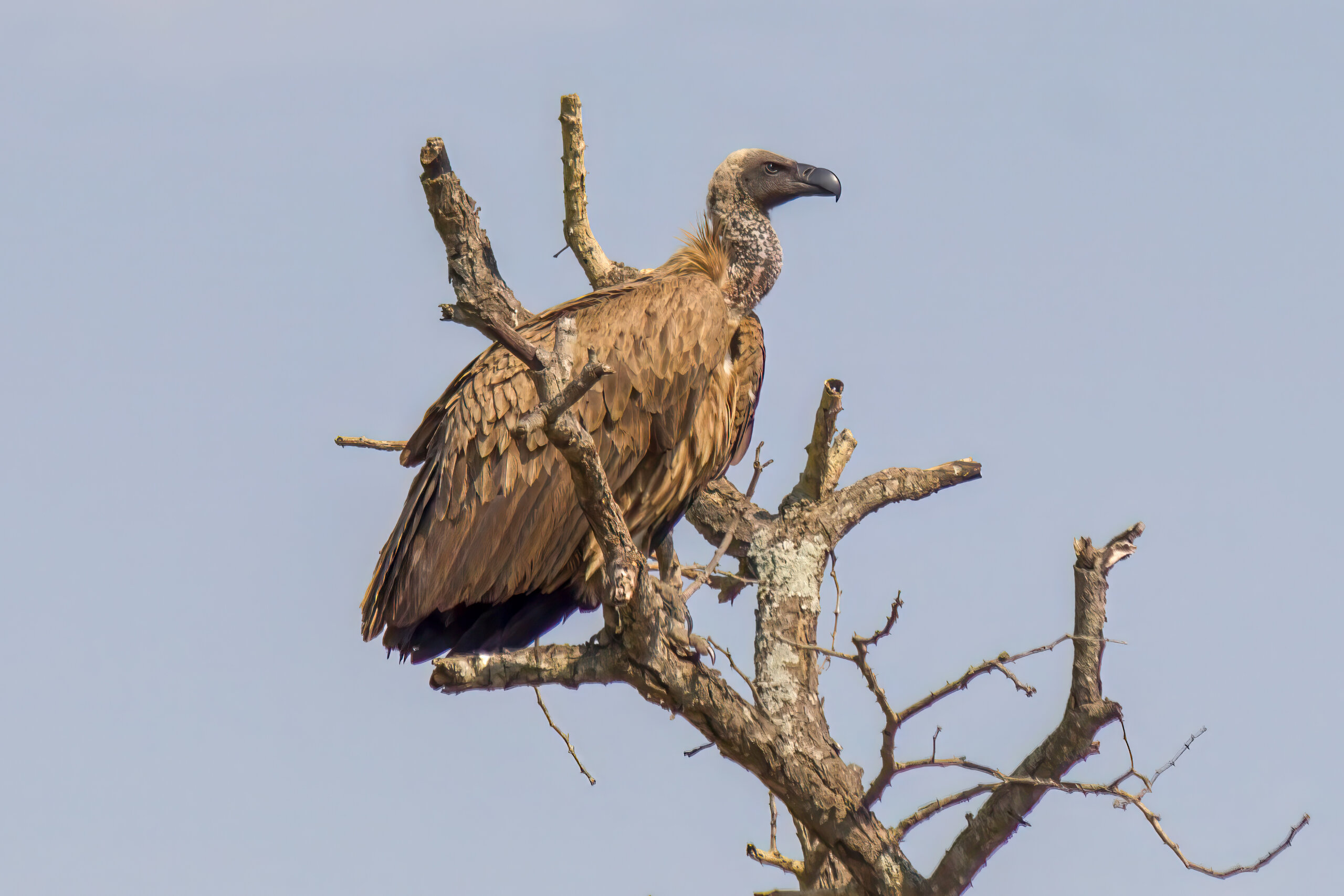
Long-term surveys in the western Serengeti recorded a marked decline in nest encounters of white-backed vultures (Gyps africanus), alongside low measured breeding success and a substantial loss of riparian tree cover.
Researchers analysed five aerial surveys carried out between 2013 and 2021 along rivers in Ikorongo and Grumeti Game Reserves and the adjoining Ikona Wildlife Management Area in northern Tanzania. They also conducted ground-based nest surveys in 2021 and 2022 to assess breeding success and nesting habitat, and used satellite data to examine changes in tree cover between 2012 and 2020.
The rate at which vulture nests were encountered during the aerial surveys fell from 0.99 nests per kilometre in 2013 to 0.43 nests per kilometre in 2021. The study therefore documents a substantial decline in the nest encounter rate along the surveyed riparian corridors over the eight-year period.
Measured breeding success was 29.4%
Breeding success measured during the nest surveys was 29.4%. The authors report that this was significantly lower than values reported from other study sites, adding concern about the condition of the breeding population in the western Serengeti.
Nests were concentrated in tall riparian trees
The ground surveys also showed a clear nesting pattern that is important for interpreting the habitat loss. Nests occurred along rivers in Ficus and Vachellia/Senegalia woodland, and 57% of the recorded nests were in sycamore fig (Ficus sycomorus). Among the measured tree characteristics, tree height showed the strongest association with use as a nesting tree.
Riparian tree cover fell by 28%
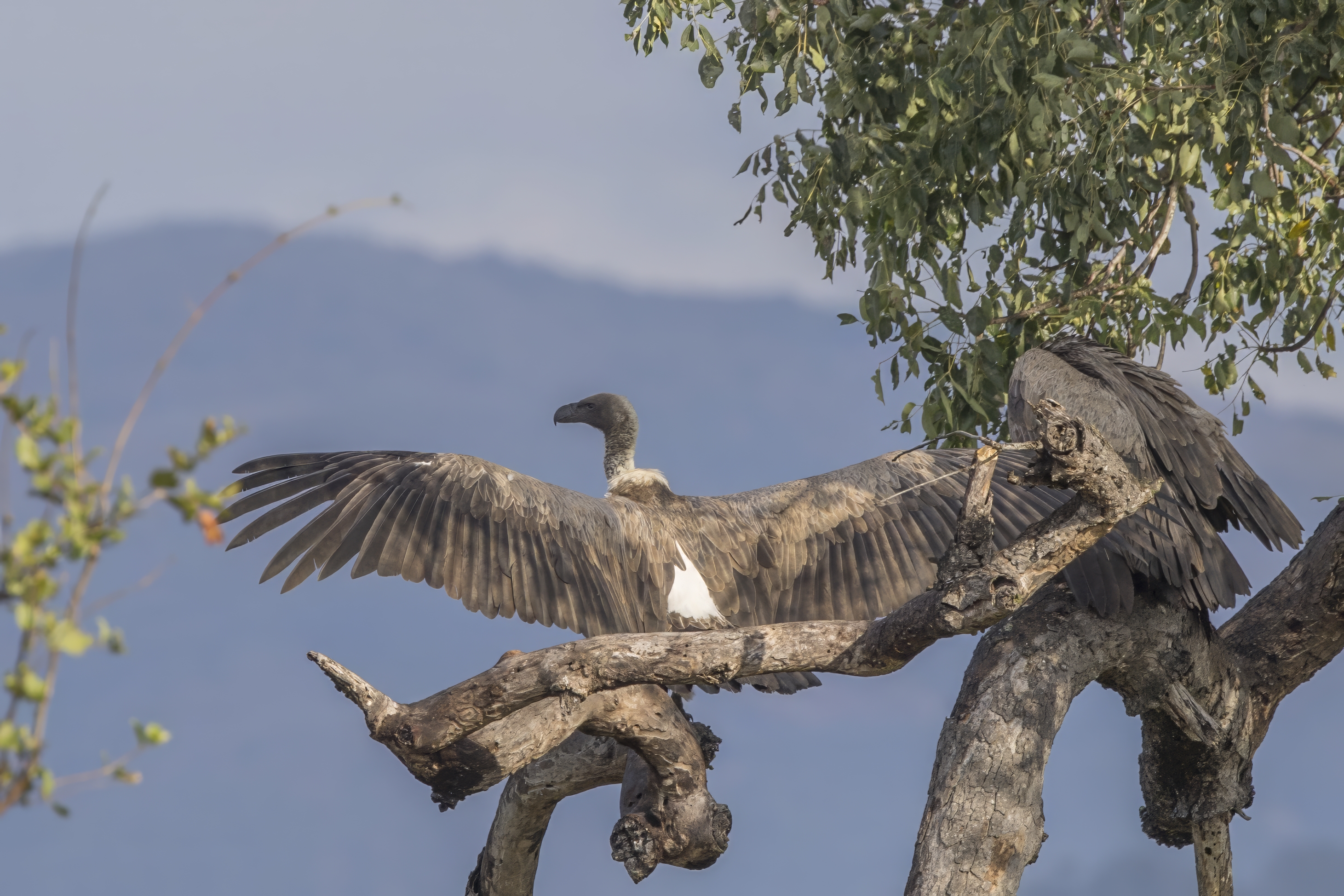
At the same time, riparian tree cover in the study area declined by 28% between 2012 and 2020. Trees along rivers are particularly important to white-backed vultures because the species nests in large trees within otherwise open savanna landscapes.
The researchers suggest that habitat loss may be one factor contributing to the observed decline in the breeding population, but they do not present it as the only demonstrated cause. They state that further work is needed to determine the drivers of tree-cover loss and to understand which factors are limiting breeding success.
The western corridor of the Greater Serengeti-Mara Ecosystem supports a significant population of this Critically Endangered species, while published information on its breeding population and breeding success in this part of the ecosystem has been limited.
The authors recommend continued monitoring of white-backed vulture breeding populations, investigation of the causes of riparian tree-cover decline and closer study of the factors influencing nesting and breeding success. These data would help distinguish habitat-related effects from the other pressures affecting African vultures, including poisoning.
Population & status
Related news
CT Reveals the Organs and Blood Vessels Inside a White-backed Vulture
A contrast-enhanced CT scan of one adult male white-backed vulture revealed major organs and vessels, while also showing…
Read story →
Two new studies sharpen the conservation map for white-backed vultures in Ethiopia
New surveys and habitat modelling from southwest Ethiopia identify important breeding, roosting and foraging areas for the critically…
Read story →
White-backed Vulture Transect Index Rose From 4.4 to 11.9 Birds per 100 km in Nazinga
Transect surveys in Burkina Faso’s Nazinga Game Ranch found 29 white-backed vultures in the latest survey and a…
Read story →SPECIES IN THIS STORY
Species in this story
Independent research and conservation news archive
Did you find this information useful?
Wildlife Vagabond is independently built and maintained. Voluntary support helps cover source verification, hosting and continued work on research and conservation news.
Support Wildlife VagabondThe news archive will remain freely available.