
Three Pheasants Tended to Share More of Their Daily Activity Where Wild Boar Were Detected in China
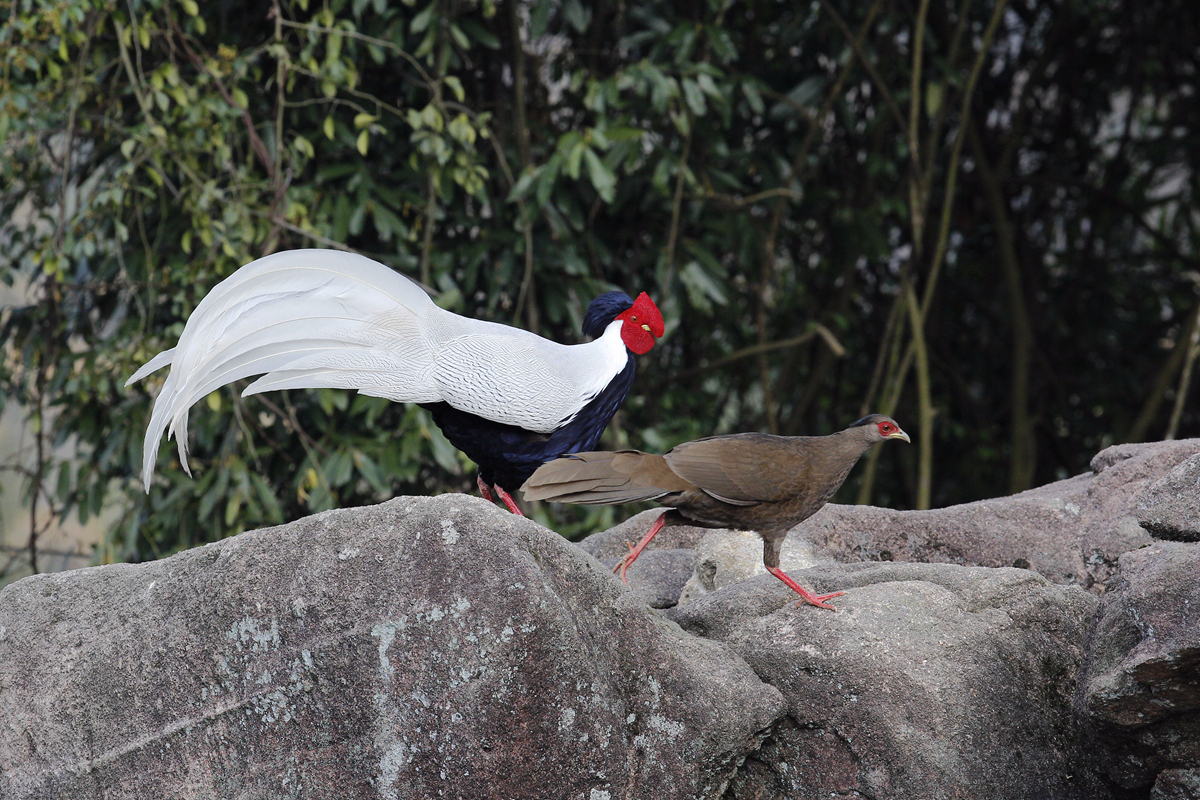
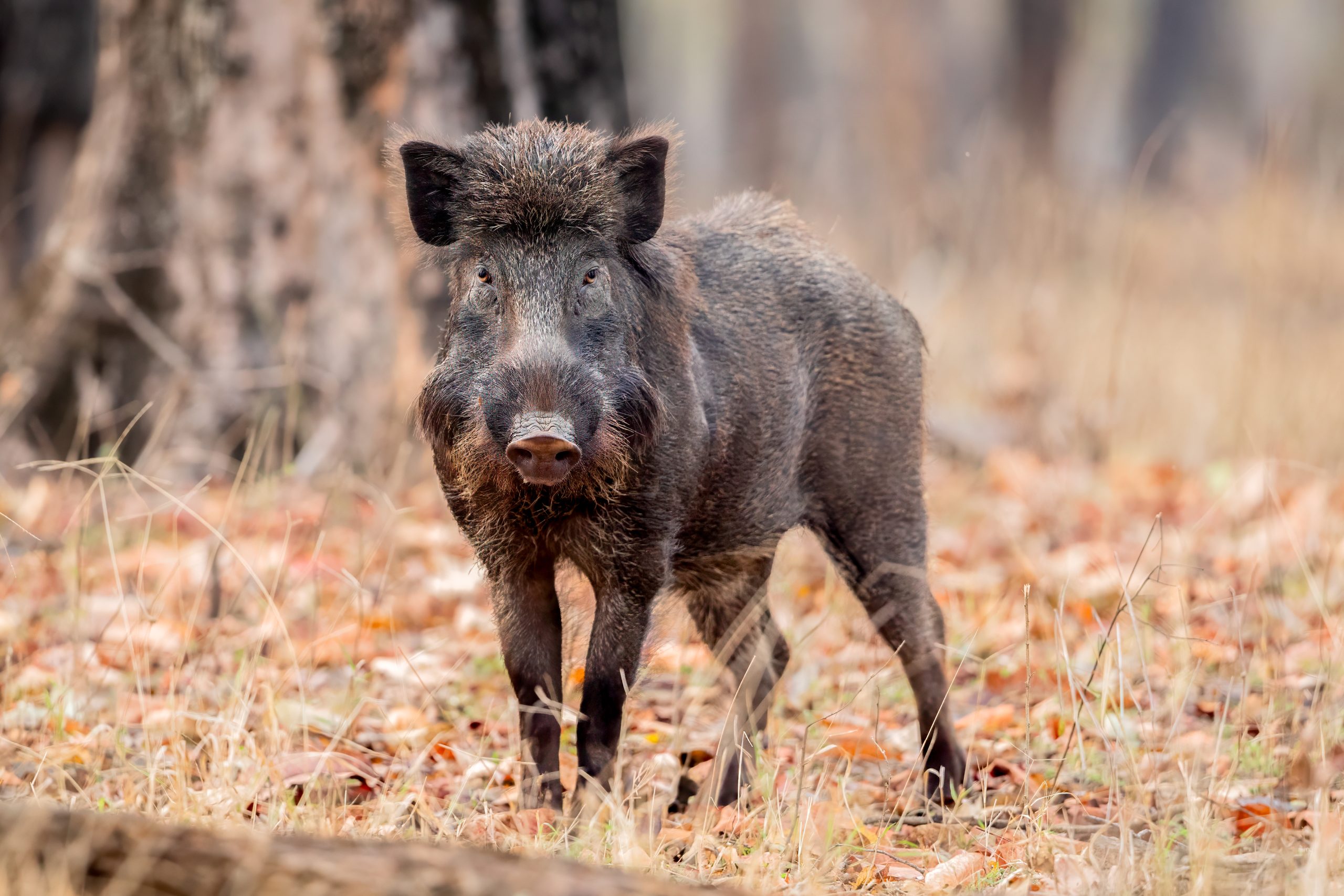
Wild boar (Sus scrofa) activity in a subtropical forest in southeastern China was associated more strongly with when three ground-dwelling pheasants were active than with where they used the landscape. Silver pheasant (Lophura nycthemera), Chinese bamboo partridge (Bambusicola thoracicus) and white-necklaced hill partridge (Arborophila gingica) all remained strongly overlapping in space, regardless of whether wild boar had been detected in the same camera-trap grids.
The study used a reserve-wide camera-trap network in Liangye Mountain Nature Reserve in the southern Wuyi Mountains. The reserve was divided into 1 × 1 km grid cells, with cameras used to record animals moving through each grid. Across 97,962 camera-trap days, researchers recorded 1,405 independent wild-boar detections, 17,025 silver-pheasant detections, 758 Chinese bamboo-partridge detections and 309 white-necklaced hill-partridge detections. For each season, a grid was classed as having detected wild-boar activity if at least one independent boar record occurred there; a grid without a record did not necessarily mean boar were truly absent. The researchers then compared daily activity timing, estimated habitat use and spatial overlap between the two sets of grids.
Daily activity converged more where wild boar were detected
All three pheasants were predominantly active during the day, with peaks in the early morning and late afternoon. The researchers converted camera times into daily activity curves and measured how much each species pair overlapped on a scale from 0 (no shared activity time) to 1 (complete overlap). Pairwise overlap was generally higher in grids where wild boar were detected, and the difference was most pronounced in winter. The contrasts were nevertheless modest, and uncertainty around several comparisons overlapped substantially. Wild-boar relative abundance — the number of independent boar detections per 100 camera-trap days — was not significantly associated with the estimated habitat use of any of the three pheasants.
The birds still used much of the same space
Occupancy models were used to separate two different questions: how likely each pheasant was to use a camera grid, and how likely the camera was to detect the bird when that grid was being used. Wild-boar presence was associated with higher detection probability for silver pheasant and Chinese bamboo partridge, but not significantly for white-necklaced hill partridge. Because estimated habitat use itself did not increase, the higher detection is more consistent with altered activity or visibility than with evidence that more birds occupied those grids.
Spatial overlap among the pheasants remained high under both conditions. The study measured this with Pianka’s index, which ranges from 0 (no spatial overlap) to 1 (complete overlap); every pairwise value was above 0.87. The authors therefore interpret the pattern as evidence that detected wild-boar activity was associated with subtle changes in temporal coexistence rather than grid-scale spatial exclusion. One possible winter mechanism is that boar rooting exposes seeds, roots and soil invertebrates, creating short-lived food opportunities that could draw several pheasant species into similar foraging periods. Disturbance could also shift activity timing, but neither mechanism was measured directly.
Ecology
Related news
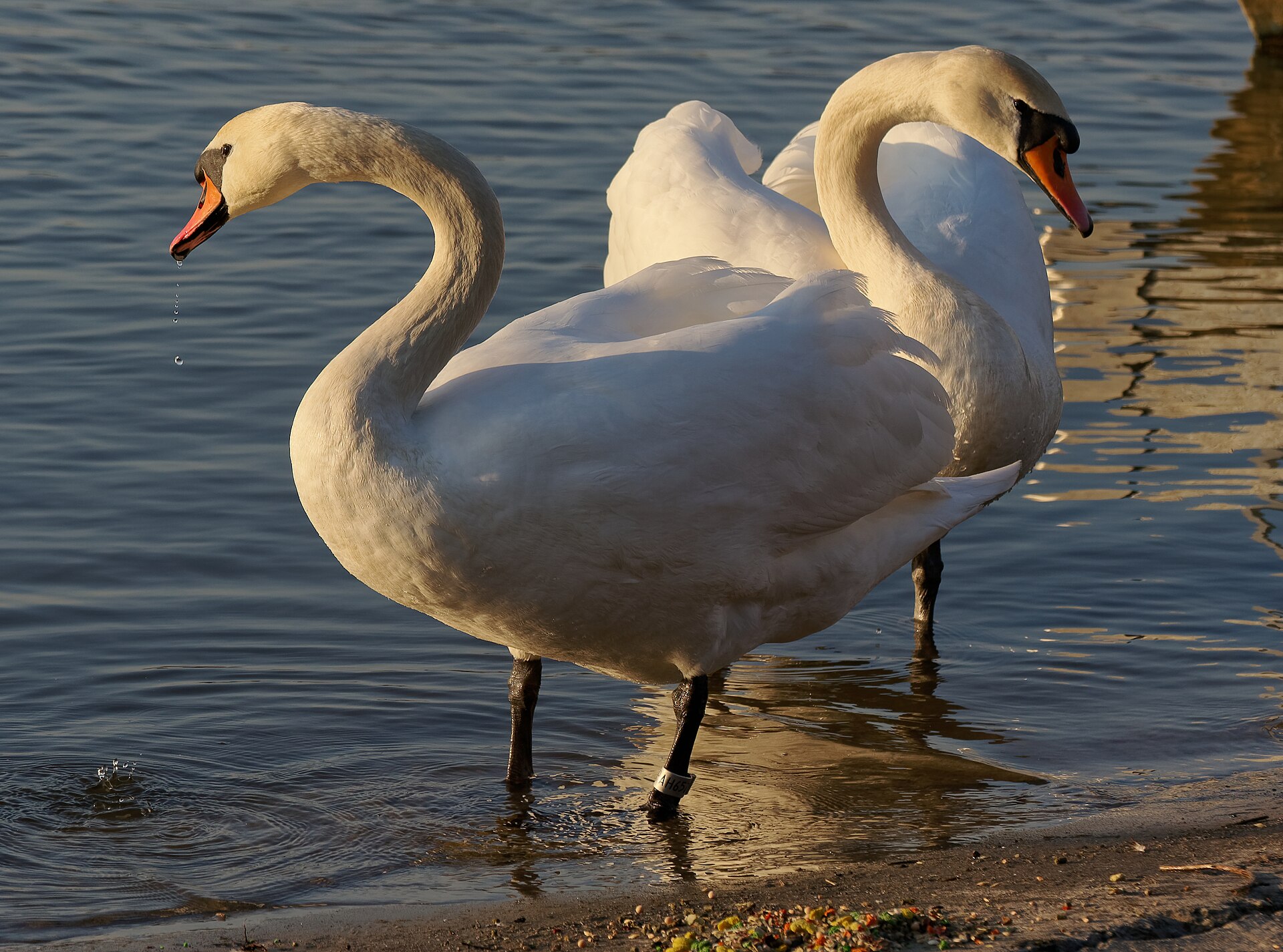
Inland Mute Swans Had Higher Winter Body Condition Despite Harsher Winters and Supplemental Feeding
A study of 853 mute swans from four Polish wintering regions found higher body condition inland than on…
Read story →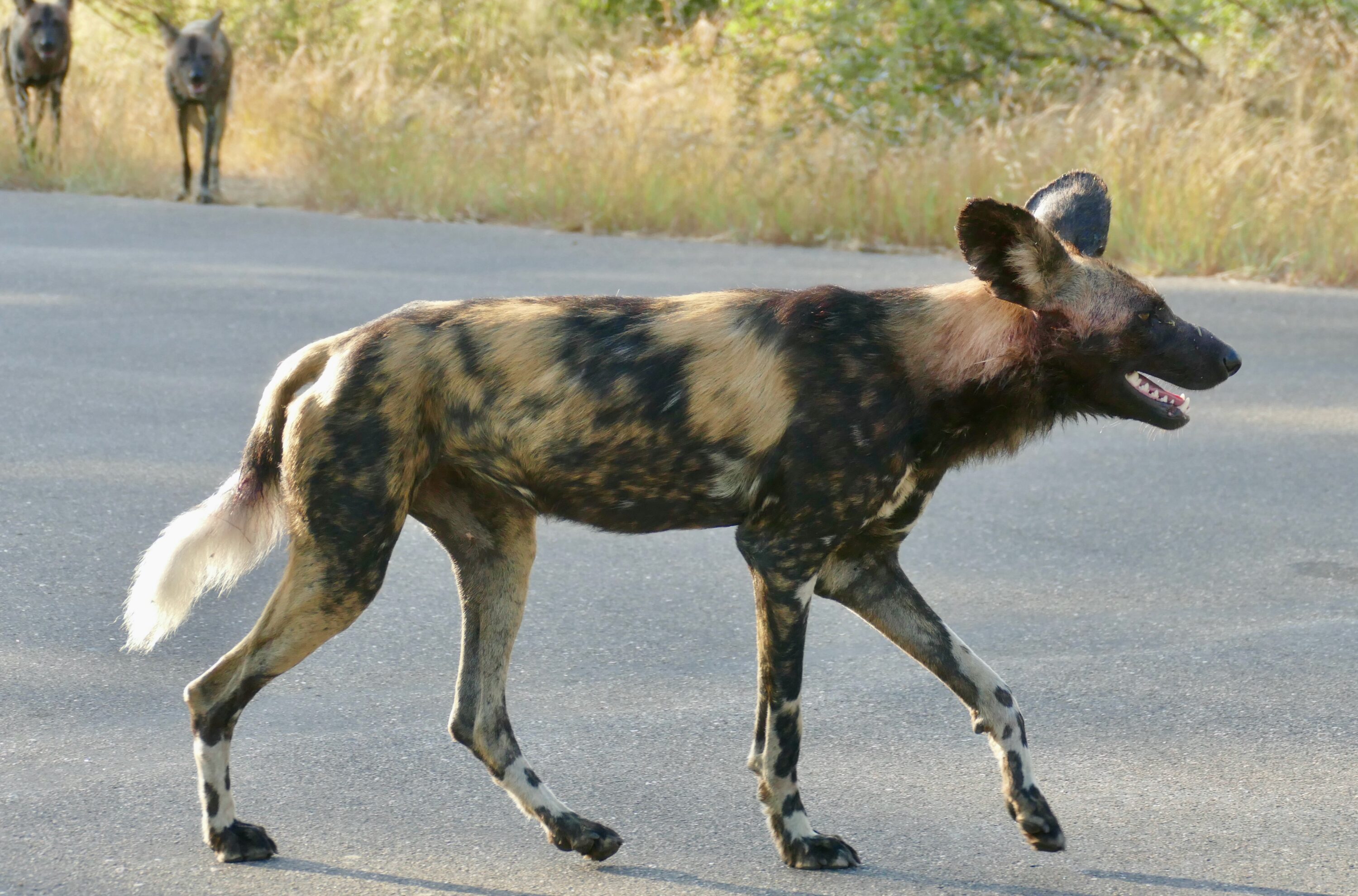
Gut Microbiomes Across Nine Kruger Mammals Clustered More Strongly by Dietary Group Than Species
A study of 89 quality-filtered faecal samples from nine wild mammals in Kruger National Park found that carnivores,…
Read story →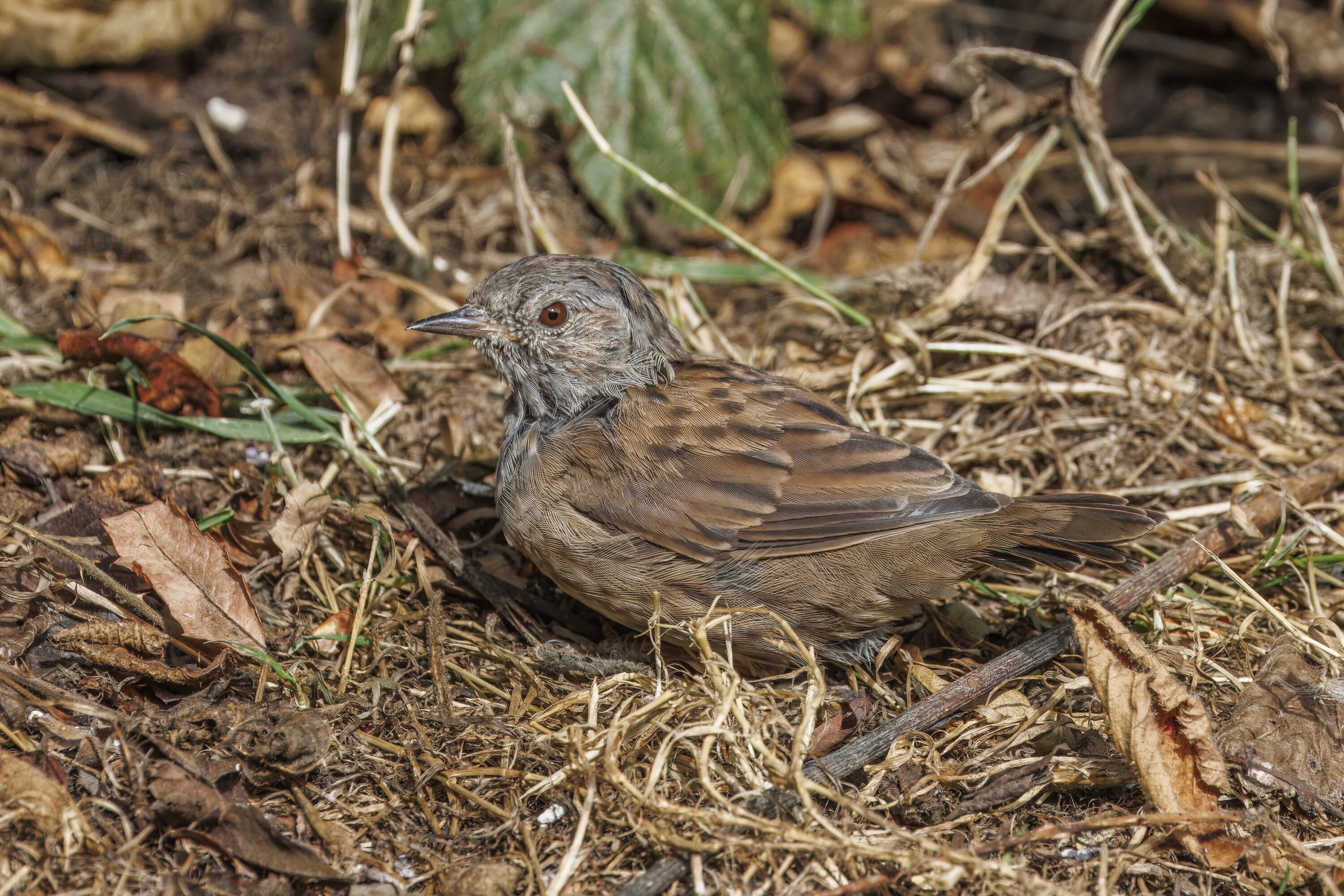
Dunnock Spring Passage Advanced by Up to 8.3 Days Over 61 Years at Hel
Standardised ringing data from northern Poland showed that the first, median and last phases of dunnock spring passage…
Read story →SPECIES IN THIS STORY
Species in this story
Independent research and conservation news archive
Did you find this information useful?
Wildlife Vagabond is independently built and maintained. Voluntary support helps cover source verification, hosting and continued work on research and conservation news.
Support Wildlife VagabondThe news archive will remain freely available.