
Wild-Boar-Type Juvenile Stripes Were Linked to MC1R, KIT and Local TYRP1 Regulation
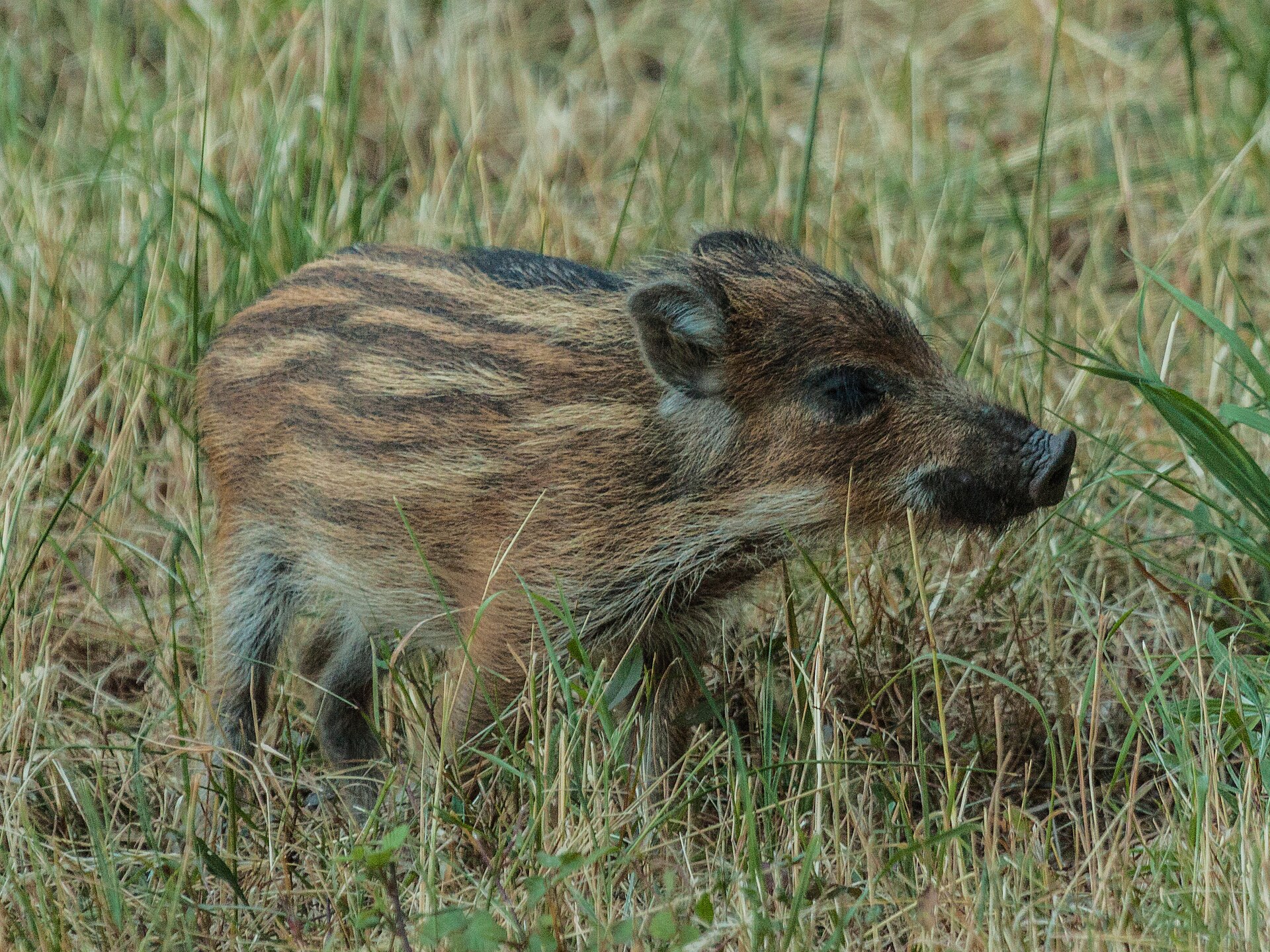
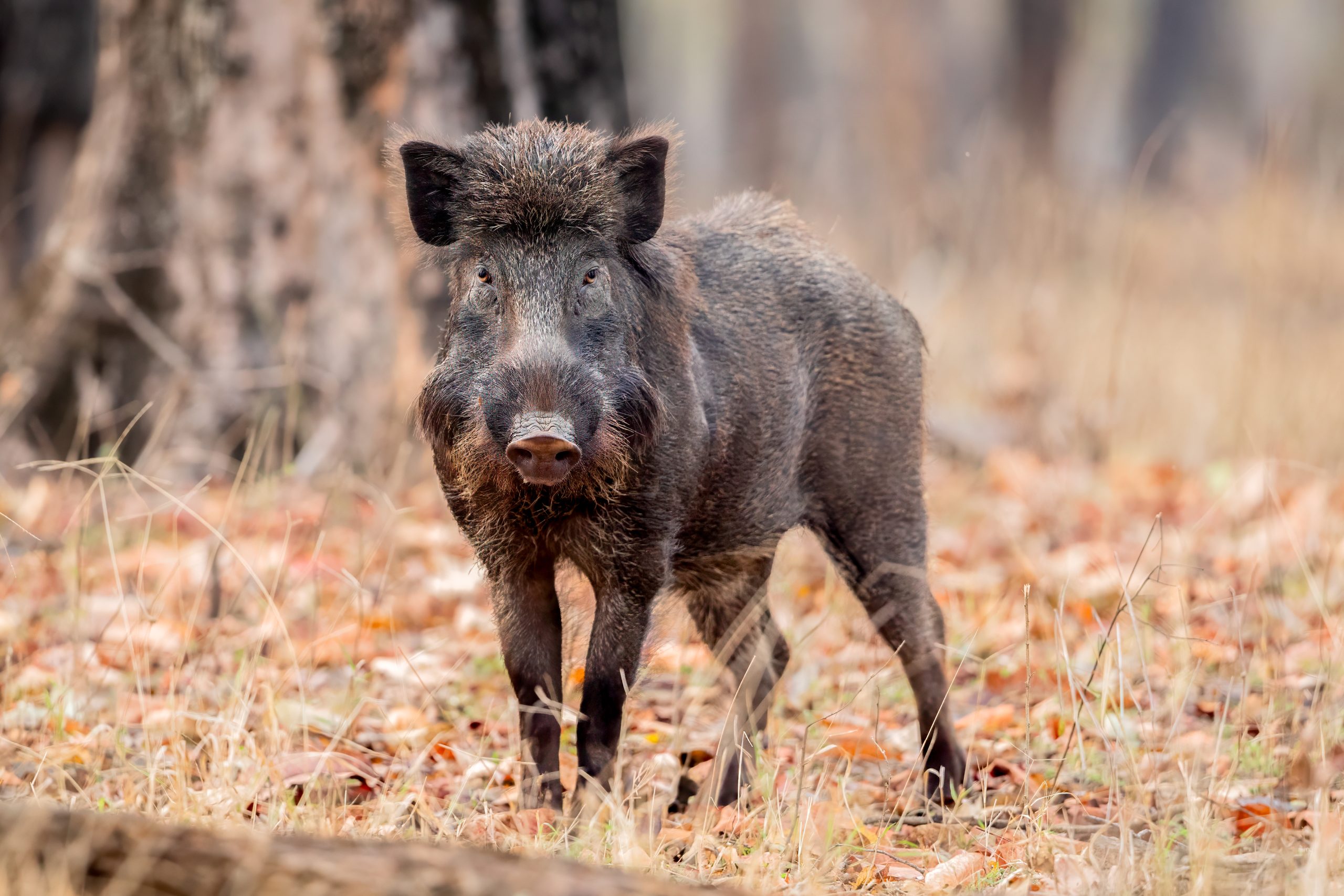
The pale longitudinal stripes of a wild boar (Sus scrofa) piglet are an inborn camouflage pattern that fades as the animal grows. A new genetic study combined a large breeding experiment with gene-expression and chromatin analyses to investigate both what can disrupt this juvenile pattern and why adjacent areas of skin become dark or light.
The researchers first analysed 932 second-generation offspring from crosses between white Duroc boars and Erhualian sows: 132 had juvenile stripes and 800 did not. This experimental population was useful because the wild-boar-type pattern segregated among closely related animals. The molecular comparison then used dark and light skin from three two-day-old striped hybrid piglets from a northern Chinese wild boar crossed with a local domestic pig, allowing the researchers to examine how the pattern is produced locally in the skin.
MC1R and KIT were linked to whether stripes appeared
A genome-wide association study, or GWAS, searches many inherited DNA variants across a population to find genomic regions that occur more often with a particular trait. In the 932 piglets, the strongest suggestive signals lay on pig chromosomes 6 and 8, close to two well-known pigmentation genes: MC1R and KIT.
MC1R is part of the signalling system that helps pigment cells regulate the type and amount of melanin they produce, while KIT has an important role in the development and distribution of pigment-producing cells. None of the striped piglets carried the specific MC1R insertion or the KIT duplication examined by the researchers. However, some piglets without either mutation were still unstriped.
That distinction is important: the two variants may interfere with the juvenile stripe programme, but simply lacking them is not enough to create the pattern. When the researchers repeated the association analysis while accounting for these effects, another signal appeared on chromosome 8 near CORIN, pointing to additional genetic control.
TYRP1 was more active in dark stripes
The second part of the study asked a different question: once a piglet is striped, what makes neighbouring strips of skin produce different colours? The researchers collected paired samples from dark and light dorsal stripes on three two-day-old piglets and compared which genes were active.
The clearest pigment-related result involved TYRP1. This gene contributes to the production of dark eumelanin, and its expression was higher in dark-stripe skin than in the adjacent light stripe. The result therefore connects a visible difference in coat colour with a local difference in the activity of a pigment gene.
RNA sequencing shows which genes are being transcribed, but it does not by itself explain why their activity differs. The researchers therefore also used ATAC-seq, a method that identifies regions of DNA that are relatively open and accessible to regulatory proteins. Open chromatin can act as a signpost for DNA regions involved in switching nearby genes on or off.
An open DNA region may help control the local pattern
The ATAC-seq analysis identified an accessible region about 1.8 kilobases downstream of TYRP1. The region contained a predicted binding site for SOX10, a transcription factor involved in pigment-cell biology and the regulation of pigmentation genes. The authors therefore propose that local regulation around TYRP1 could help produce the contrast between dark and light stripes.
This is a candidate mechanism rather than a demonstrated genetic switch. The study did not functionally alter the proposed regulatory region to show that it causes the stripe difference, and the skin comparison involved only three newborn piglets. The authors describe the work as a preliminary molecular explanation that now needs direct functional testing.
Taken together, the results suggest that juvenile striping is controlled at more than one level. Some inherited variants, including changes involving MC1R and KIT, may prevent the stripe programme from appearing, while local regulation of genes such as TYRP1 may help determine why neighbouring skin regions become differently pigmented once the pattern is present.
Genetics & genomics
Related news
Roe Deer and Wild Boar Remained Key Wolf Prey as Diet Shifted Across North-western Italy
Wolf diet in north-western Italy remained dominated by wild prey from 2021–2025. Roe deer and wild boar were…
Read story →
Grazed and Non-Grazed Sites Had Similar Mammal Richness but Different Species Associations
Across 75 camera traps in four northern Israeli reserves, grazed and non-grazed areas had similar mammal richness and…
Read story →
Zoonotic Sarcocystis Found in 3.3% of Polish Wild Boar Hunted for Food
Molecular testing of 241 wild boar from all 16 Polish provinces found Sarcocystis miescheriana DNA in 90% and…
Read story →SPECIES IN THIS STORY
Species in this story
Independent research and conservation news archive
Did you find this information useful?
Wildlife Vagabond is independently built and maintained. Voluntary support helps cover source verification, hosting and continued work on research and conservation news.
Support Wildlife VagabondThe news archive will remain freely available.