
DNA From Oaks and Other Hard-Mast Trees Reached 68% of Wild Boar Dietary Reads in Winter
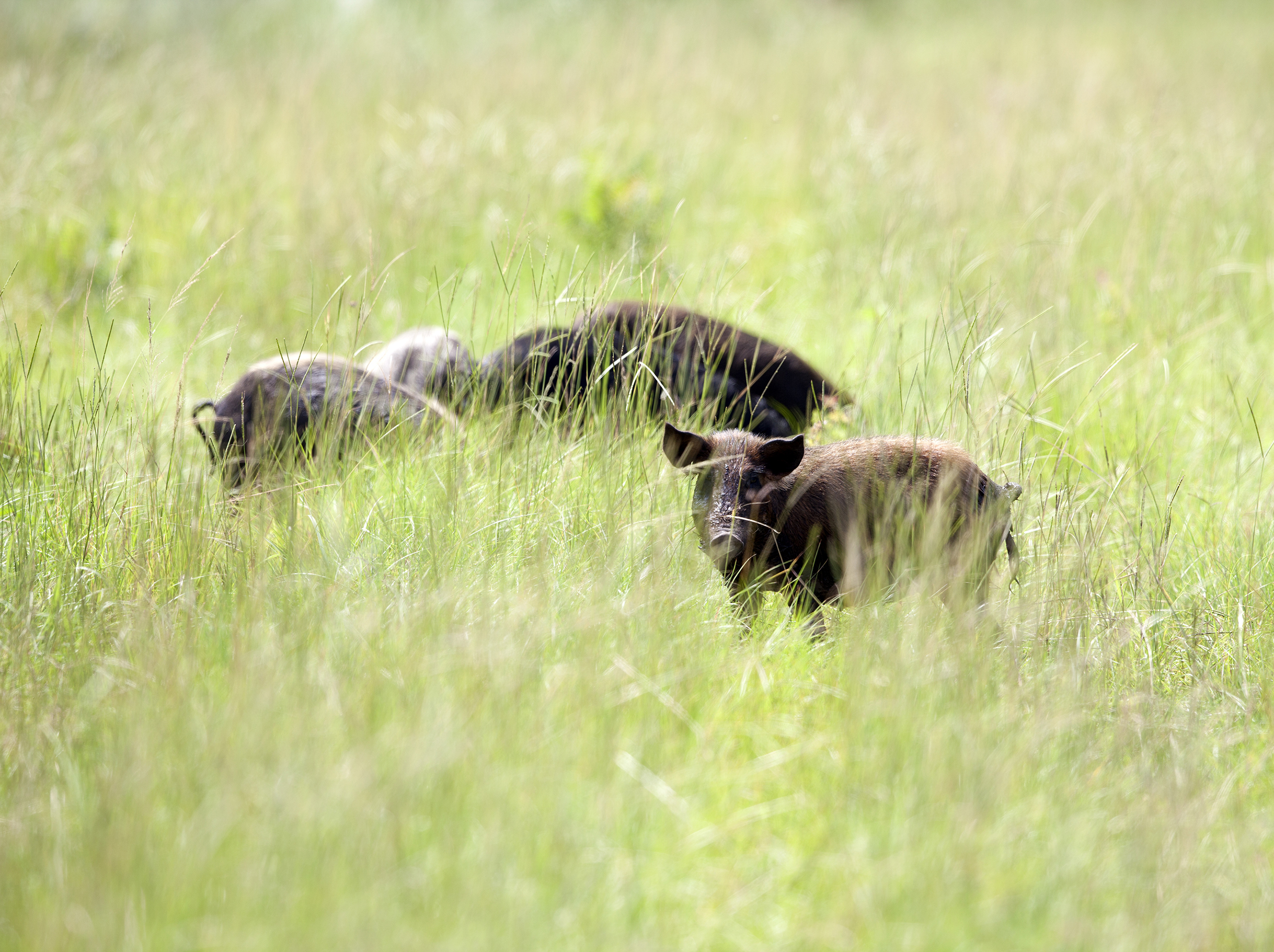
A DNA metabarcoding study of wild boar (Sus scrofa) at Felsenthal National Wildlife Refuge in southern Arkansas, USA found pronounced seasonal changes in diet. Researchers collected 100 fecal samples during 2023, with 25 samples from each of four seasonal periods. DNA metabarcoding reads short marker sequences from the mixture in a fecal sample and compares them with reference sequences, allowing many dietary taxa to be identified from the same sample.
Plant material dominated the diet. The researchers detected at least 74 plant families and 106 genera, while oaks and related hard-mast trees in the family Fagaceae, grasses in Poaceae and plants in Asteraceae together accounted for more than half of the dietary detections. Fagaceae alone represented 38% of relative read abundance across the year and occurred in 79% of samples. Relative read abundance is the share of DNA sequence reads assigned to a food group, whereas occurrence describes how many fecal samples contained that group. It is a molecular measure, not a direct estimate of the biomass, number of food items or calories consumed.
Winter diet shifted strongly toward hard mast
The strongest seasonal shift was between herbaceous plants and DNA assigned to hard-mast trees such as oaks. This group represented 11% of relative read abundance in spring and 25% in summer, rising to 53% in autumn and 68% in winter. Forbs showed the opposite pattern, peaking at 59% in spring and falling to 11% in winter. Dietary diversity was highest in spring and lowest in winter.
Vertebrate DNA was also detected
DNA from 23 vertebrate species was also detected, including mammals, birds, fish, frogs and turtles. Vertebrate material accounted for about 17% of relative read abundance, while plant DNA made up the large majority. The molecular data could not show whether vertebrate material came from direct predation, scavenging or other routes of ingestion. The authors nevertheless concluded that wild pigs were not an important predator of wildlife in this bottomland hardwood system. They note that the study did not test for invertebrate consumption, and DNA metabarcoding could not determine which part of a plant — such as an acorn, sapling, leaf or root — had been eaten.
Ecology
Related news

Inland Mute Swans Had Higher Winter Body Condition Despite Harsher Winters and Supplemental Feeding
A study of 853 mute swans from four Polish wintering regions found higher body condition inland than on…
Read story →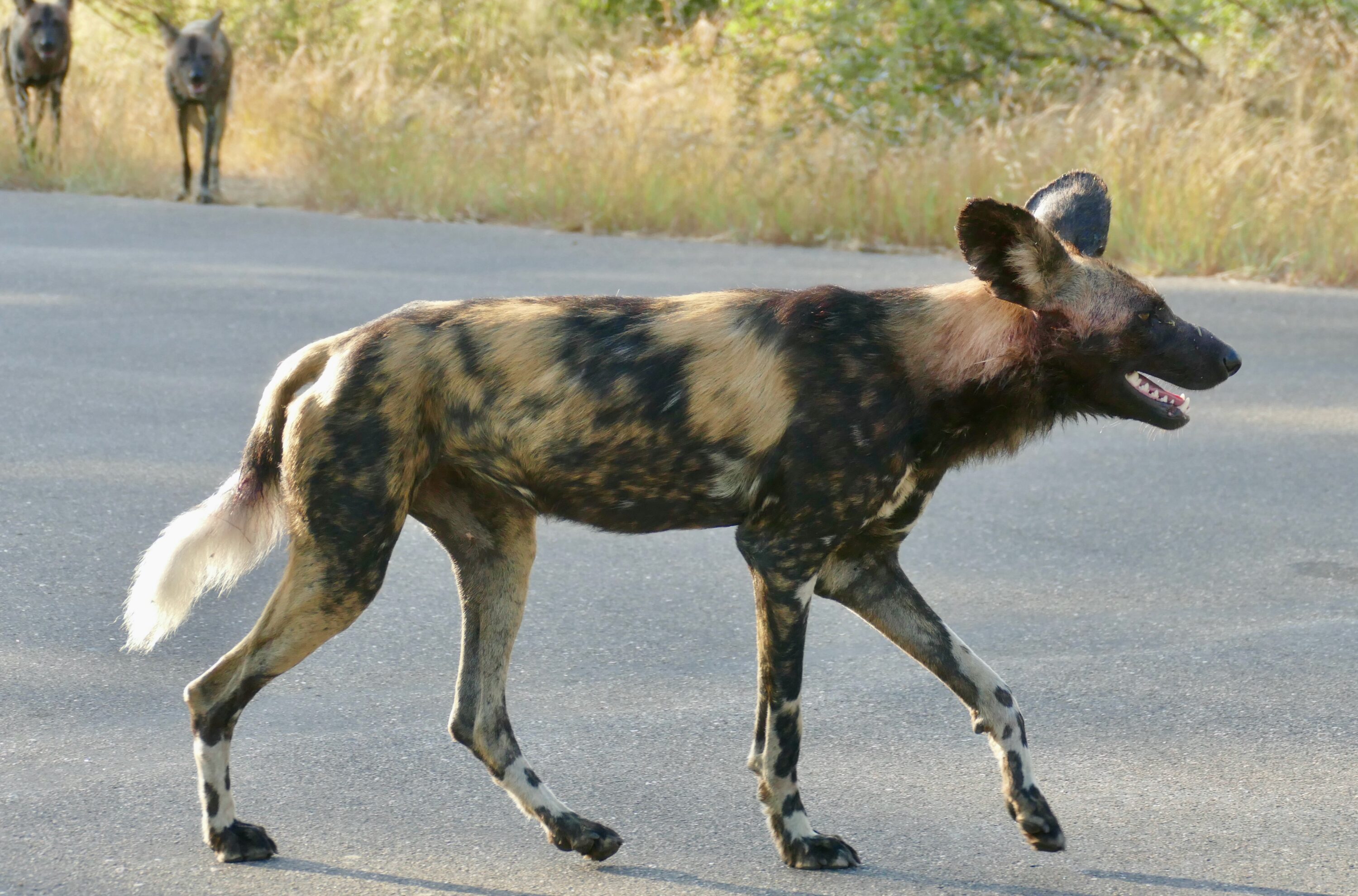
Gut Microbiomes Across Nine Kruger Mammals Clustered More Strongly by Dietary Group Than Species
A study of 89 quality-filtered faecal samples from nine wild mammals in Kruger National Park found that carnivores,…
Read story →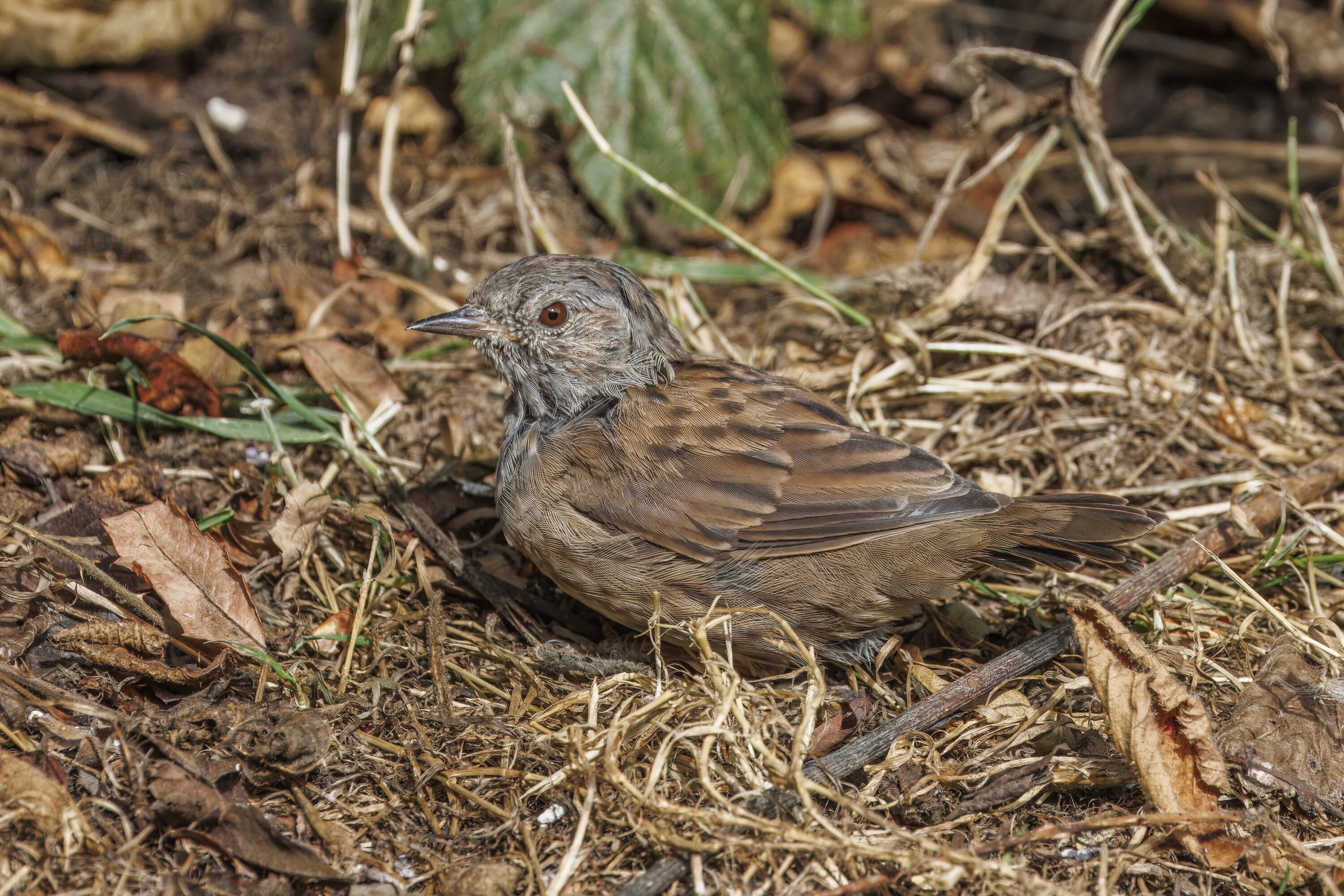
Dunnock Spring Passage Advanced by Up to 8.3 Days Over 61 Years at Hel
Standardised ringing data from northern Poland showed that the first, median and last phases of dunnock spring passage…
Read story →SPECIES IN THIS STORY
Species in this story
Independent research and conservation news archive
Did you find this information useful?
Wildlife Vagabond is independently built and maintained. Voluntary support helps cover source verification, hosting and continued work on research and conservation news.
Support Wildlife VagabondThe news archive will remain freely available.