
Wild–Feral Allele Sharing Was Higher in Reindeer Genomic Regions With Selection Signals
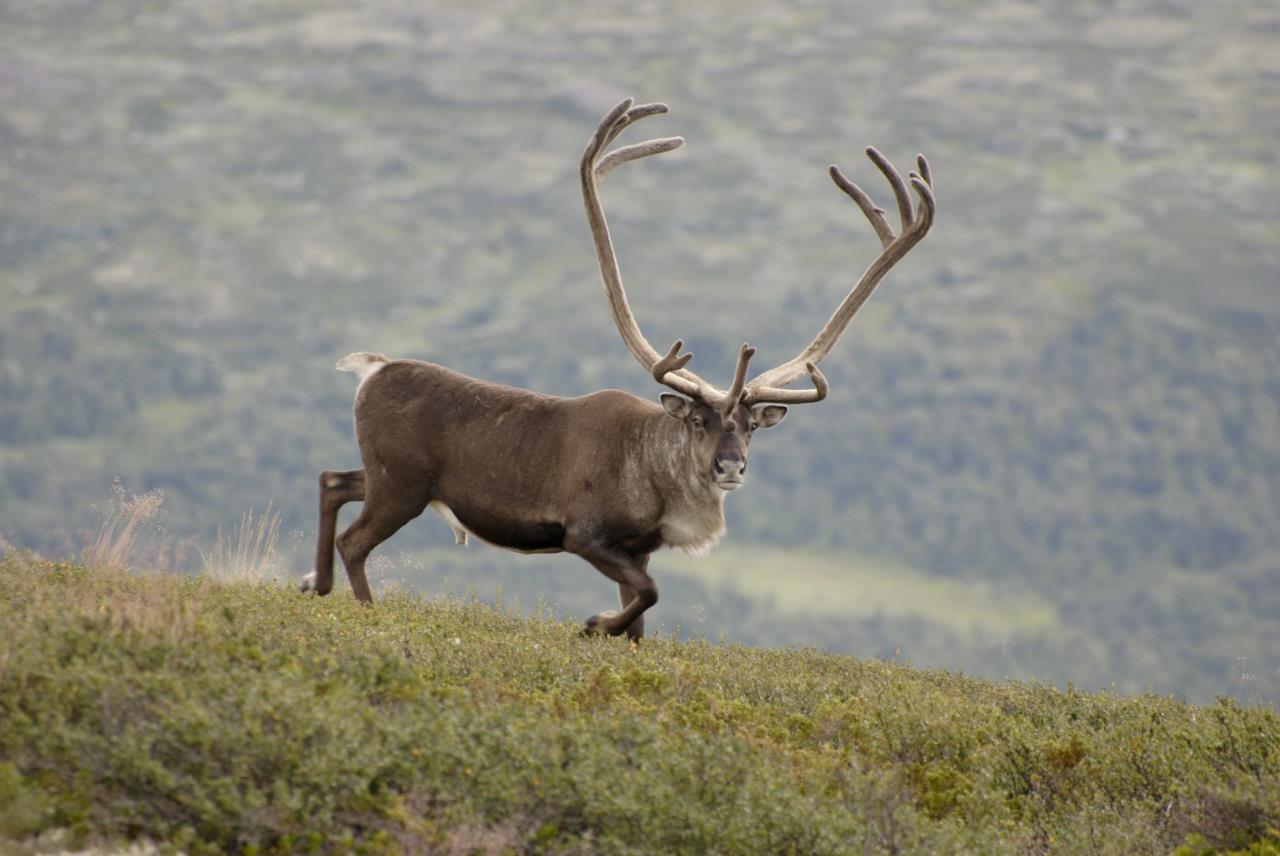
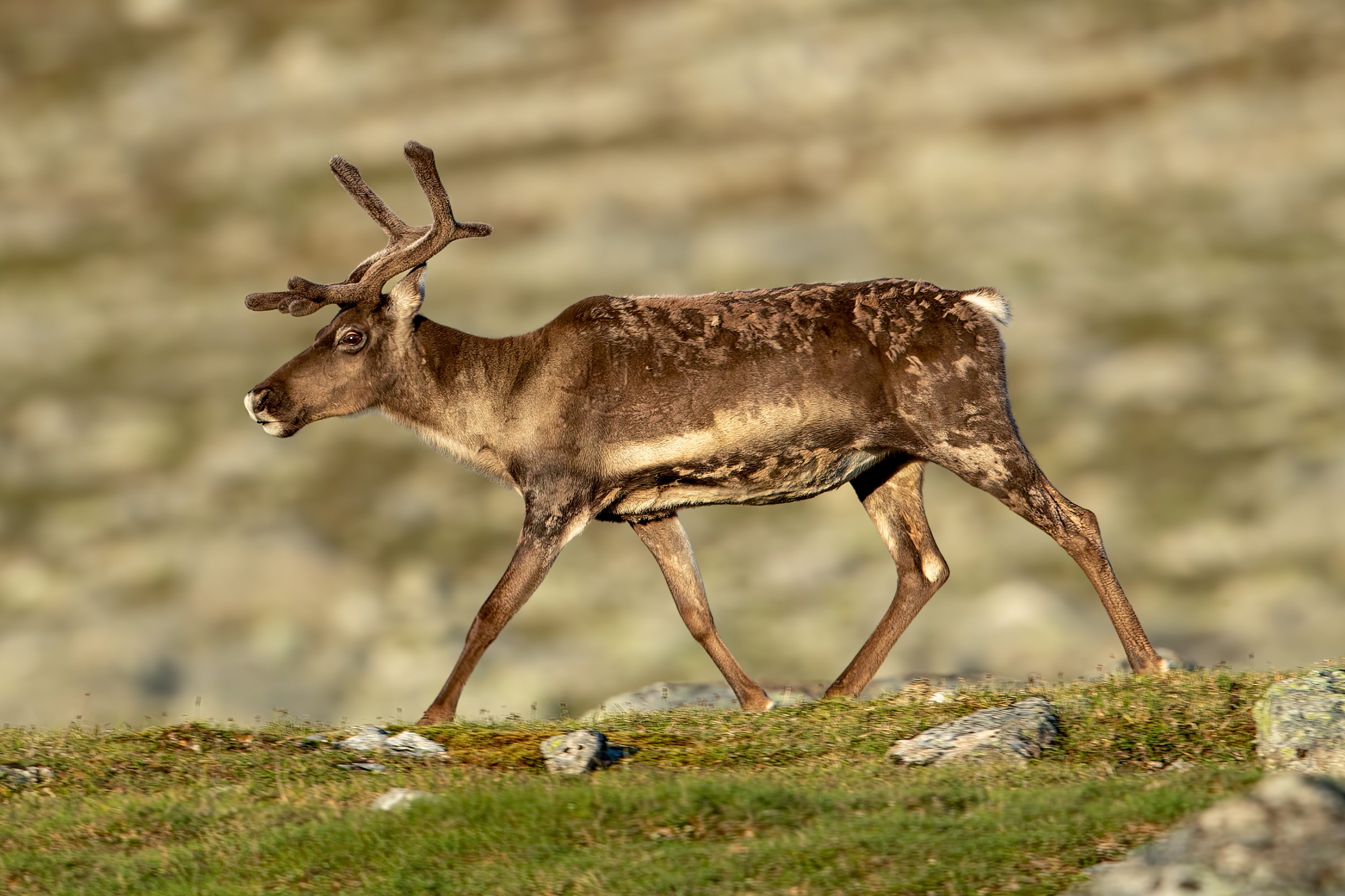
Genomic data from wild, feral and semi-domesticated reindeer (Rangifer tarandus) in southern Norway showed genetic exchange between wild and feral populations, according to a study published in July 2026. The researchers analysed 50 animals from Forollhogna, Knutshø, Riast-Hylling, Rondane, Snøhetta and Hardangervidda.
Wild and feral populations shared more alleles than ancestry alone predicted
Population structure supported the documented origin of the feral Forollhogna population from neighbouring semi-domesticated reindeer in Riast-Hylling about 50 years ago. At the same time, analyses of allele sharing—genetic variants shared between populations more often than expected from their broader ancestry—found evidence consistent with hybridization between feral and wild reindeer. The authors report that gene flow was probably multidirectional, with Knutshø standing out as an area of genetic exchange.
Selection scans highlighted genes with sensory, metabolic and immune functions
To look for selection, the researchers combined genome-wide differentiation (FST), a measure of how genetically separated populations are, with scans for unusually long haplotypes—blocks of linked variants inherited together— and separately tested reindeer counterparts (orthologues) of genes previously linked to domestication in mammals. The first route yielded 41 candidate genes and the second 15; the two sets did not overlap. Among the candidates, the authors highlight an OR52A1-like olfactory receptor, the fatty-acid receptors FFAR2 and FFAR3, the immune-related gene CD22 and neuronal genes including SNCA and NDE1. These candidates point to sensory, metabolic, immune and behavioural processes, but the authors stress that their specific adaptive roles still require further study.
Candidate regions showed stronger wild–feral genetic exchange
When the researchers compared candidate regions with selection signals against local patterns of allele sharing, these regions showed consistently stronger signals of wild–feral genetic exchange than the genomic background.
The authors interpret this pattern as evidence that hybridization likely promoted adaptive introgression during feralization. Adaptive introgression is gene flow that brings variants from another population or lineage which are then favoured by selection; here, variants from wild reindeer may have contributed to adaptation after descendants of semi-domesticated animals returned to a free-ranging life. They also discuss the result in relation to conservation of the genetic integrity of Norway’s remaining wild reindeer populations.
Genetics & genomics
Related news
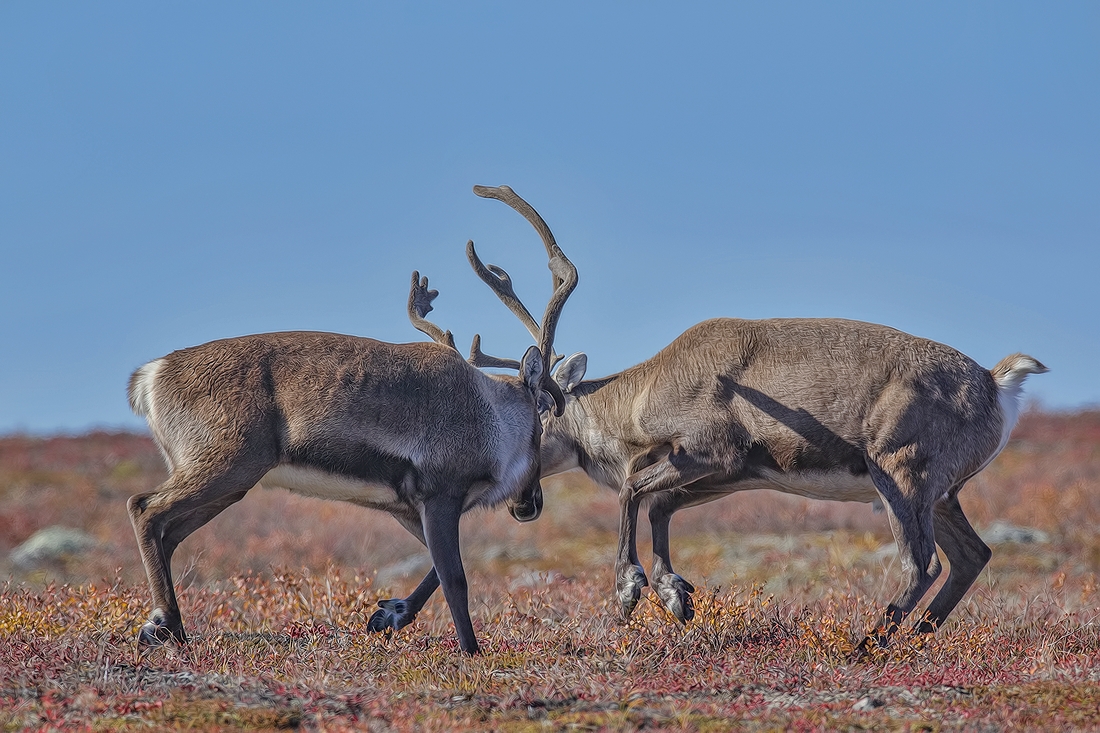
Inuit harvesters help detect an emerging parasitic disease in Arctic caribou
Near Kugluktuk in Nunavut, Inuit harvesters reported unusual tissue changes in caribou. Tests found DNA from two parasitic…
Read story →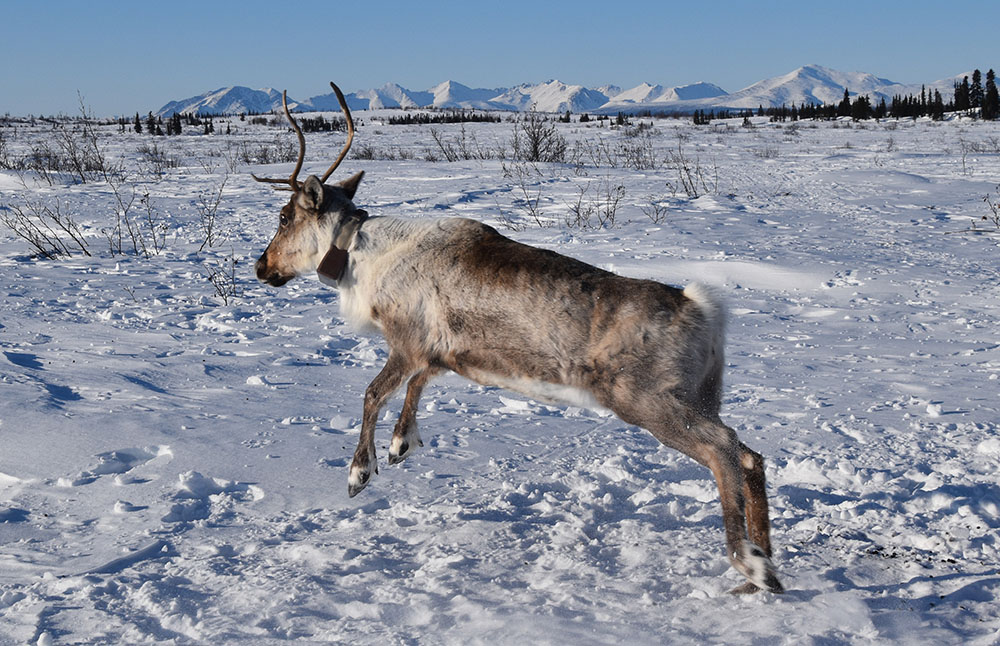
Video Collars Showed GPS Methods Were Only About 70% Accurate at Detecting Caribou Calving
Video collars from 160 adult females in the Porcupine and Western Arctic herds showed that two GPS movement…
Read story →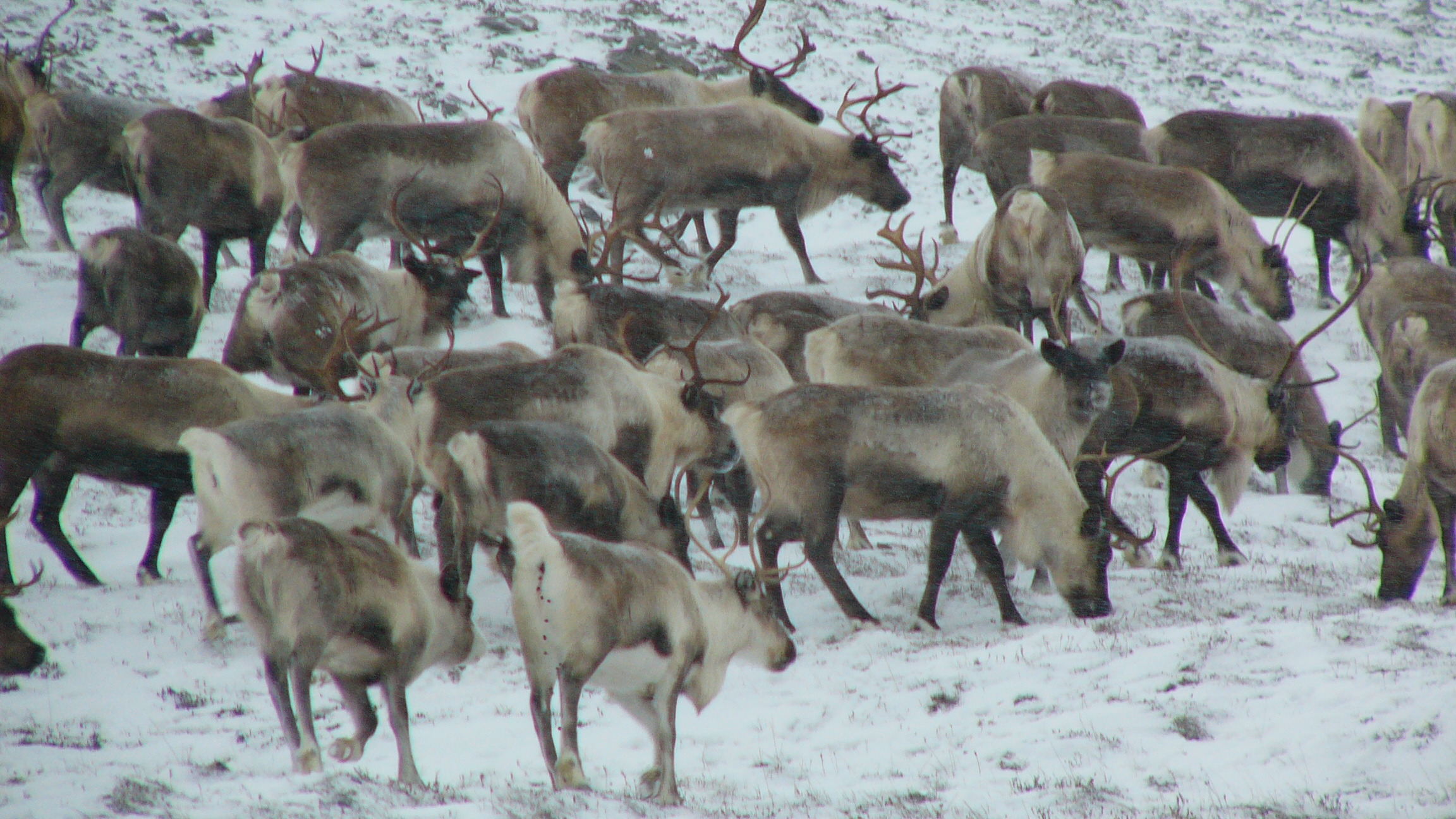
Reindeer and Caribou Showed Broad Genetic Differences Across Russia, Alaska and Canada
Microsatellite data from 1,544 reindeer and caribou in 42 populations showed broad genetic differentiation among Russia, Alaska and…
Read story →SPECIES IN THIS STORY
Species in this story
Independent research and conservation news archive
Did you find this information useful?
Wildlife Vagabond is independently built and maintained. Voluntary support helps cover source verification, hosting and continued work on research and conservation news.
Support Wildlife VagabondThe news archive will remain freely available.