
Three Decades of Records Showed Large Population Swings in Wulongkou Taihangshan Macaques
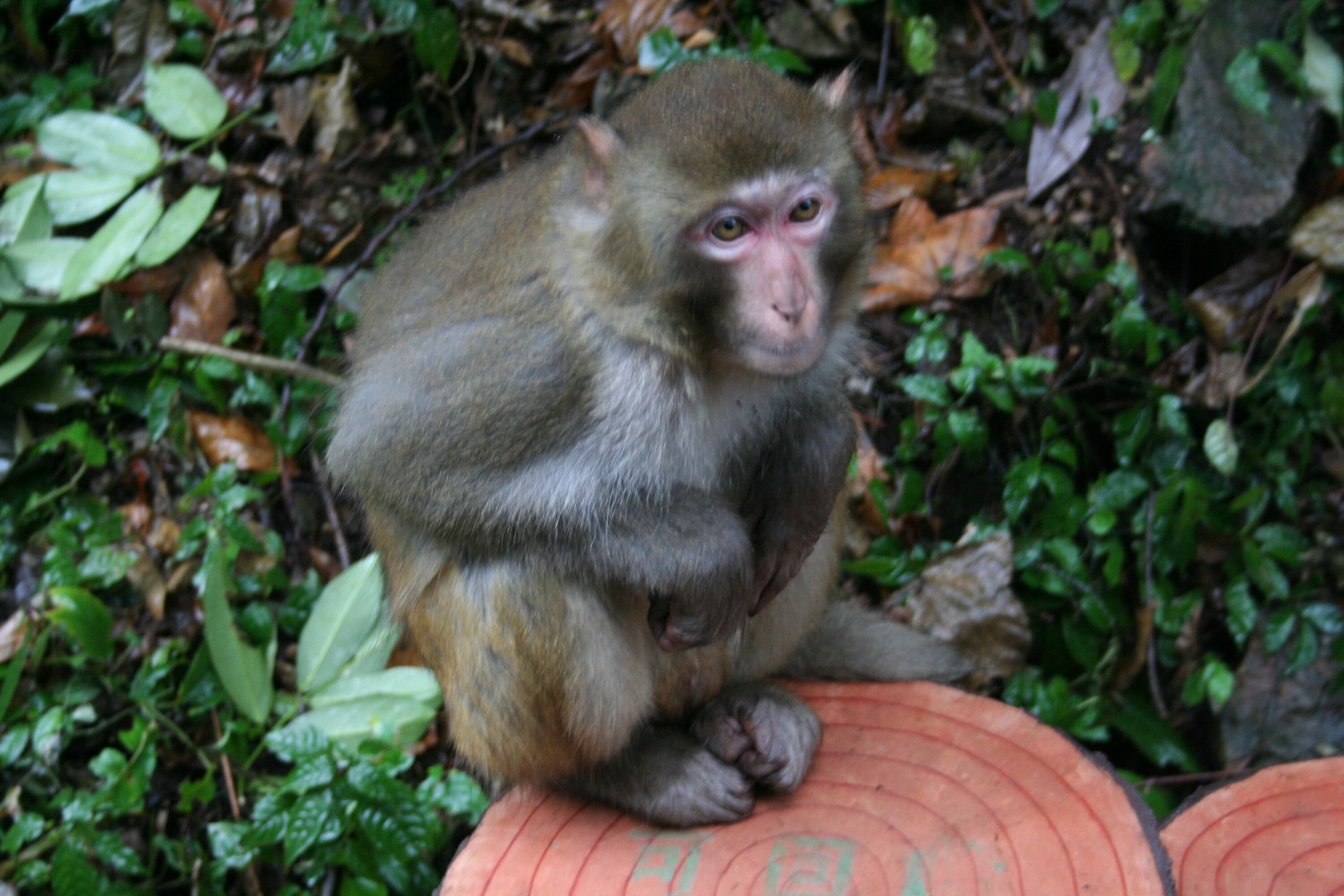
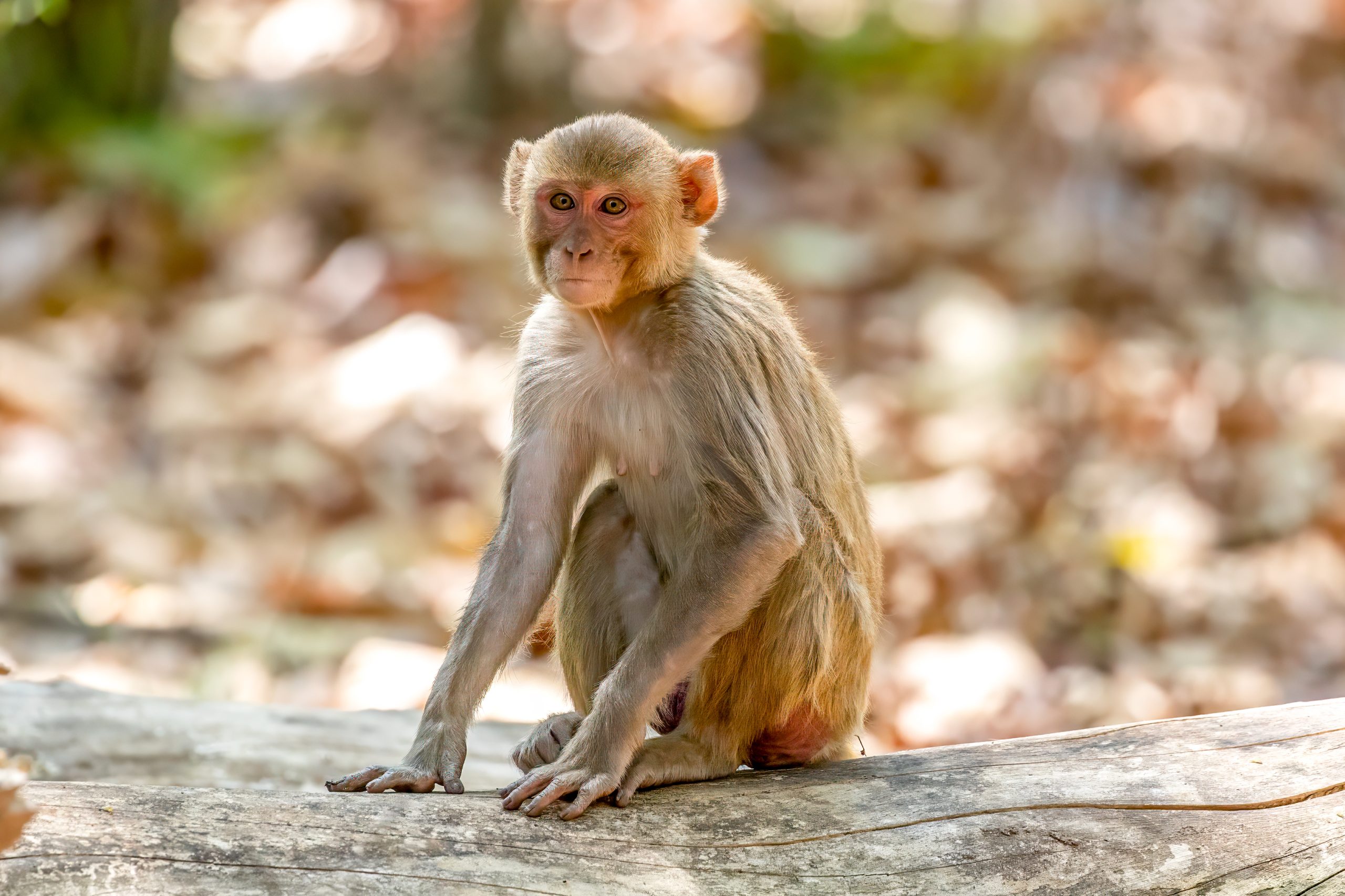
Three decades of records from Wulongkou in Henan, China, show that a free-ranging population of Taihangshan rhesus macaques (Macaca mulatta tcheliensis) went through substantial demographic swings despite regular food provisioning for tourism.
The Wulongkou area has been developed for wildlife tourism centred on the macaques since the early 1980s. The researchers reconstructed changes in group size, births, newborn mortality and male movement from long-term population records extending into 2024.
Births and newborn mortality changed in different directions
Mean group size fluctuated markedly but tended to move back toward its historical average. Natality was relatively stable from 2012 to 2022 and then increased. Newborn mortality moved in the opposite direction over part of the same period: it increased from 2012 to 2019 and then declined from 2020 onward.
These patterns show that population change was not driven by a single demographic measure. Group size, births and newborn survival changed on different timelines, so the long-term picture is more complex than a simple rise or decline.
Many males stayed local
The records also showed that many males either remained in their natal group or moved only to neighbouring groups within Wulongkou. The study does not itself provide a population-genetic estimate of how much gene flow this produces. The authors therefore call for genetic analyses to assess the future viability of the population more directly.
Food provisioning did not prevent population swings
Macaques in Wulongkou have been provisioned since tourism developed there, yet the population still experienced strong fluctuations and periods of decline. The authors therefore suggest that environmental constraints other than food availability may be important.
The study does not identify one specific environmental cause. Its main contribution is the long demographic record: even in a population accustomed to tourists and regular food provisioning, births, newborn survival, group size and male movement changed substantially over time.
Population & status
Related news
Female Rhesus Macaques That Watched Unfamiliar Female Faces Longer Were More Likely to Have Offspring the Following Year
At a semi-free-ranging population in Puerto Rico, females that spent longer looking at an unfamiliar female’s neutral face…
Read story →
Human Activity and Large Wildlife Overlapped Most in Chitwan’s Buffer Zone
Camera traps across Chitwan National Park and surrounding forests showed the greatest overlap of human activity with large…
Read story →
Aging rhesus macaques show broader protein changes in blood than in brain fluid
A study of 66 rhesus macaques found age-related differences in many more measured proteins in plasma than in…
Read story →SPECIES IN THIS STORY
Species in this story
Independent research and conservation news archive
Did you find this information useful?
Wildlife Vagabond is independently built and maintained. Voluntary support helps cover source verification, hosting and continued work on research and conservation news.
Support Wildlife VagabondThe news archive will remain freely available.