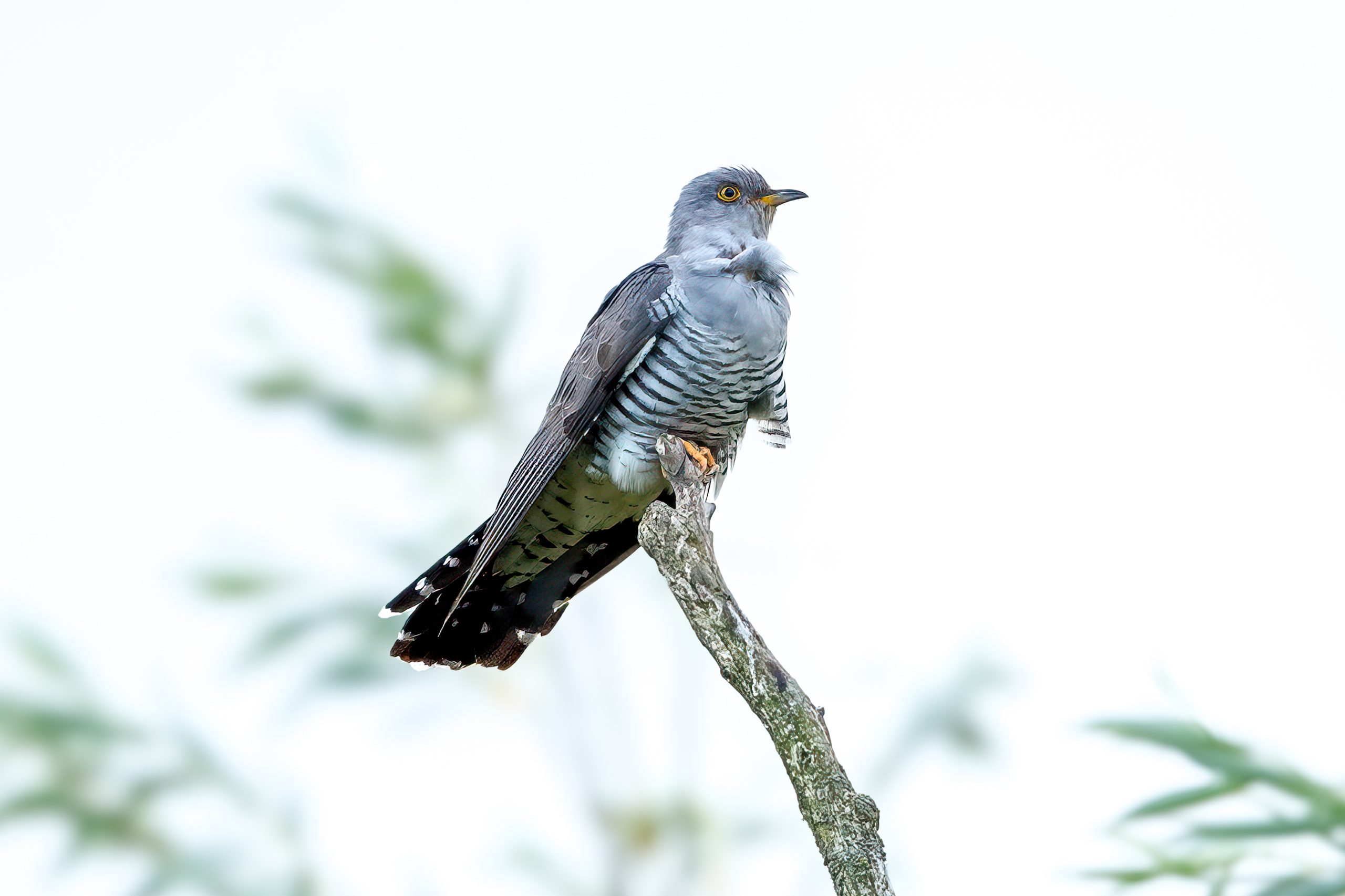
Yearling Common Cuckoos Carried Fewer Feather Mites Than Adults
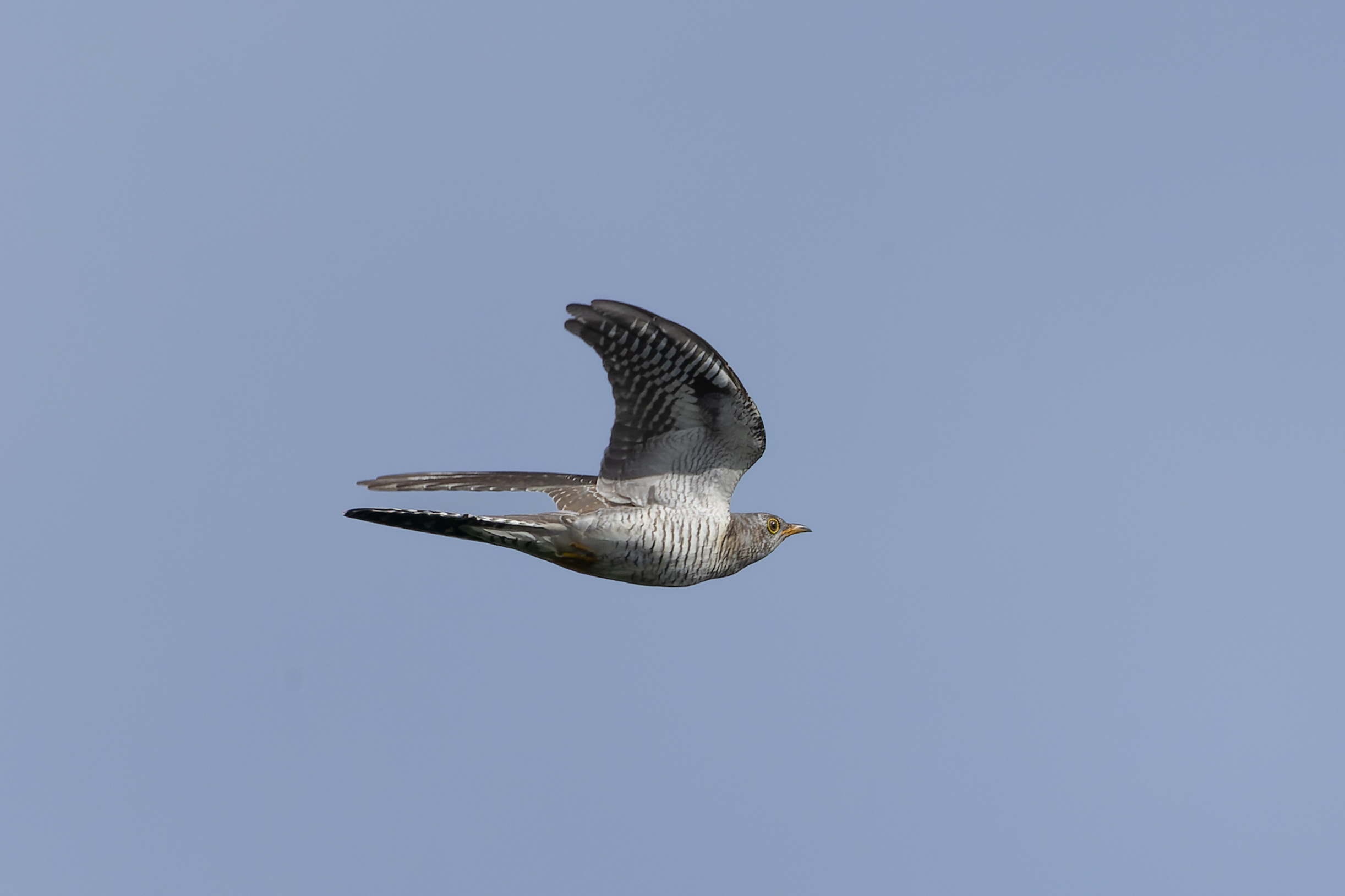
Yearling common cuckoos (Cuculus canorus) carried fewer feather mites than adult birds, supporting the idea that cuckoo-specific mites spread mainly through contact between cuckoos rather than from parents to chicks. The researchers examined birds captured during the breeding season in South Korea.
For most birds, feather mites can pass directly from parents to their offspring. That route is unusually difficult for an obligate brood parasite such as the common cuckoo because cuckoo chicks are raised by foster parents and do not come into contact with their biological parents.
Adults carried heavier mite loads
The researchers inspected wing and tail feathers using visual examination and photographs and collected mites from a subset of birds for identification. Two mite taxa were identified. Coraciacarus cuculi was dominant, while Scutalges sp. was rare.
Yearling cuckoos had lower mite loads than adults. Mite load means how many mites were recorded on an individual bird, whereas prevalence is the proportion of birds carrying at least one mite. The authors had predicted this age pattern if the mites spread horizontally through physical contact during breeding, for example during mating or interactions between competing males. The result therefore supports contact between cuckoos as the main dispersal route.
Mite numbers increased through the breeding season
Mite load tended to rise gradually as the breeding season progressed. The proportion of cuckoos carrying mites was similar in yearlings and adults, but prevalence also increased over the season.
Mite prevalence was higher in males than in females. The authors suggest that this sex difference may be related to the cuckoo’s distinctive breeding behaviour, which can create different patterns of physical contact between individuals.
Disease, parasites & microbiology
Related news
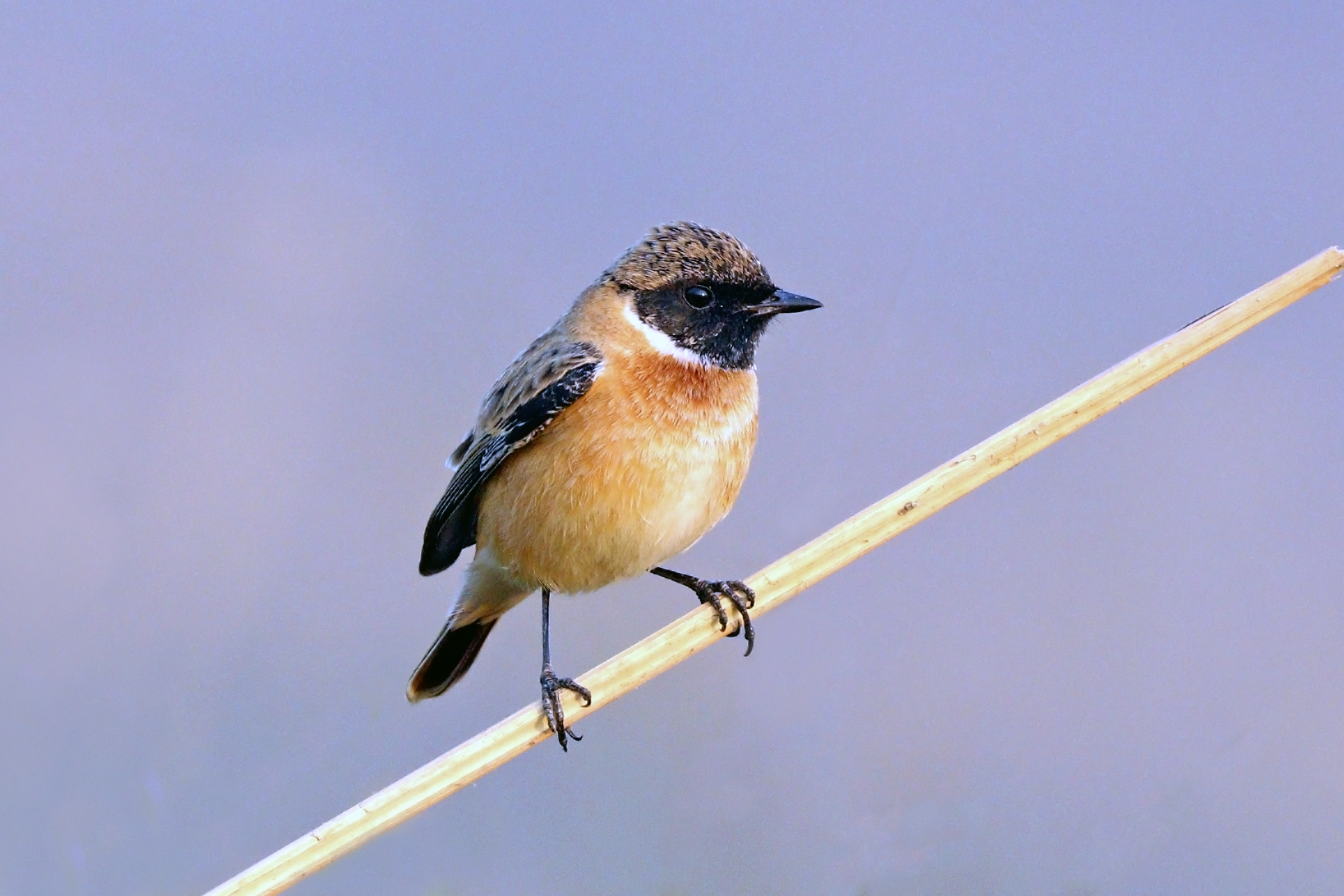
Egg Rejection Did Not Clearly Increase After Cuckoo Arrival in Two Host Species
Grey bushchats and Siberian stonechats showed no clear increase in foreign-egg rejection after common cuckoos arrived. The result…
Read story →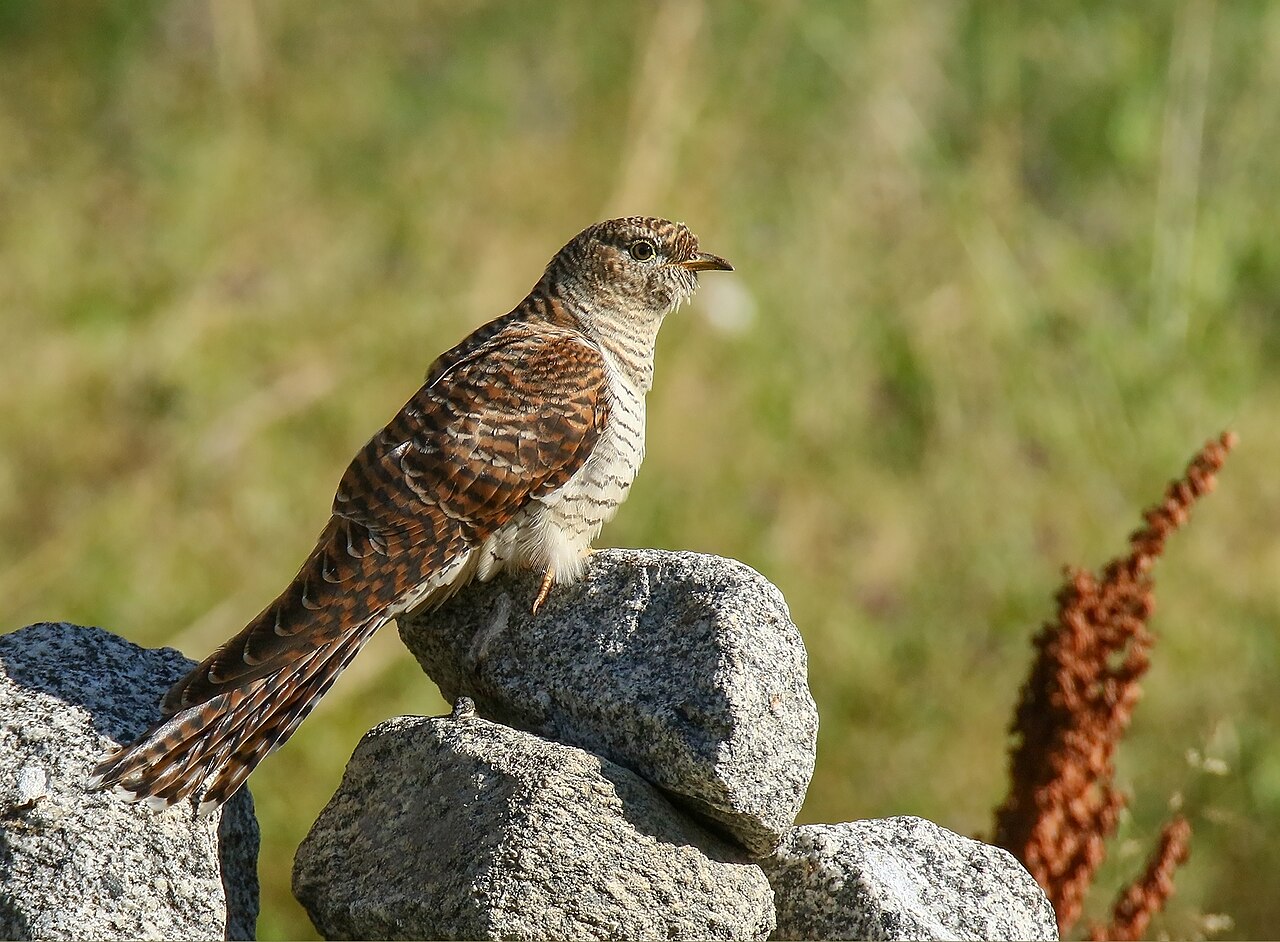
Cuckoos Use Two Different Strategies to Lay Eggs in Redstart Nests
Video from Finnish redstart nest boxes provides the first direct evidence that common cuckoos use two egg-laying strategies,…
Read story →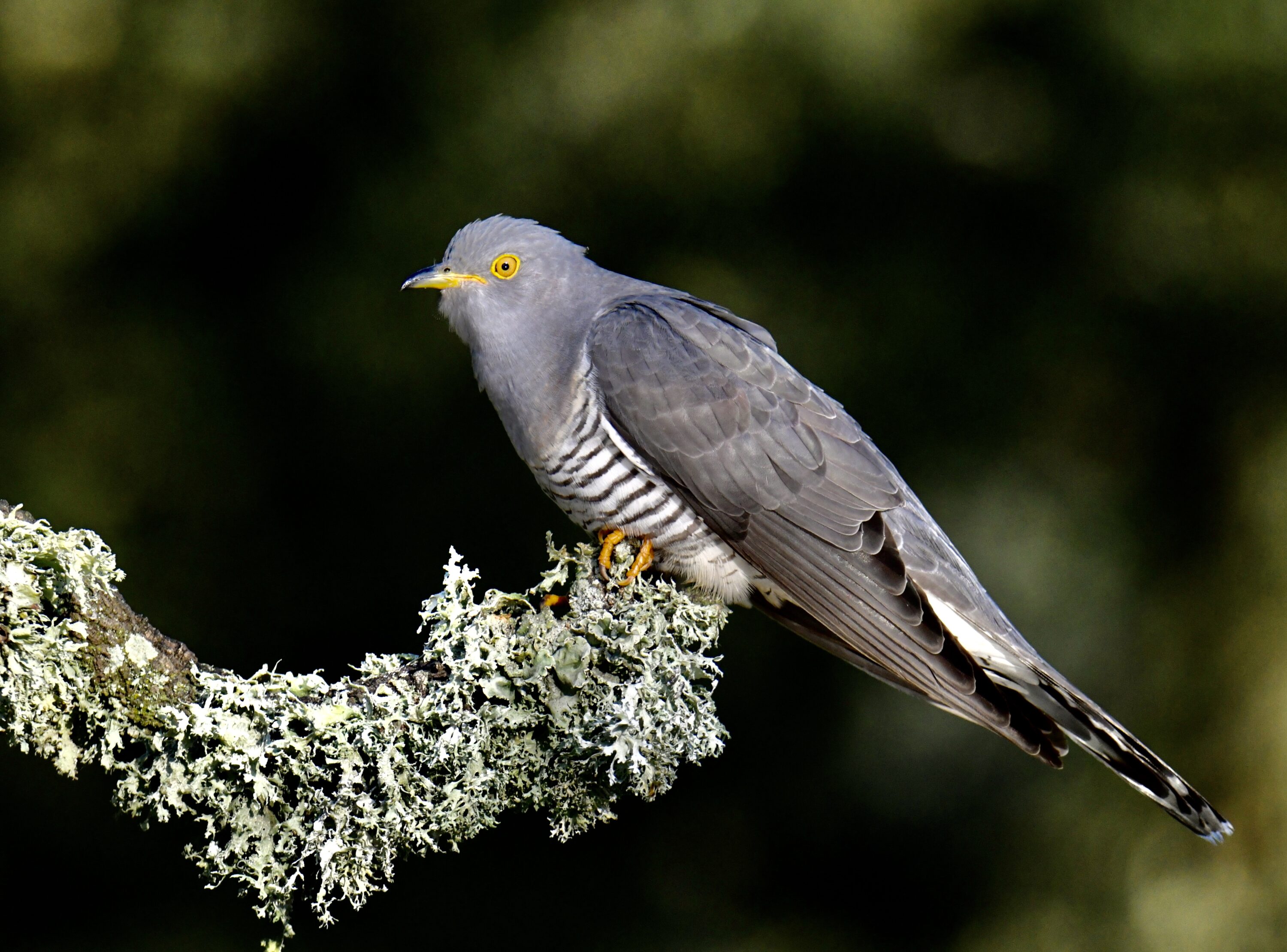
Models Highlighted Iberian Mountains and the Po Watershed as Key Stopover Regions for UK Common Cuckoos
Models based on satellite tracks from 88 UK-breeding male common cuckoos highlighted Iberian mountain ranges and the Po…
Read story →SPECIES IN THIS STORY