
Yellowhammer Counts Increased Fourfold on Farms Combining Habitat Schemes and Winter Feeding
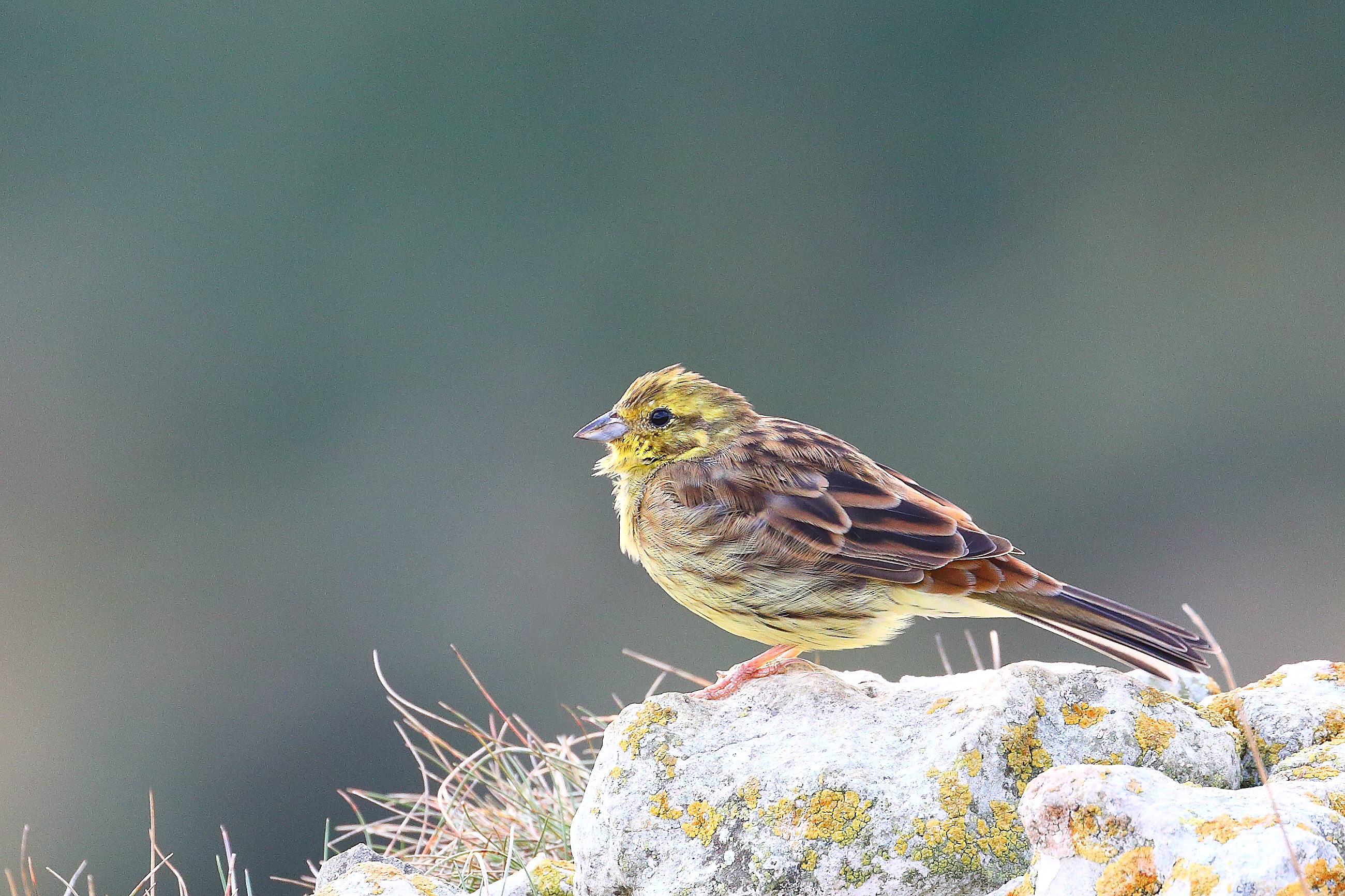
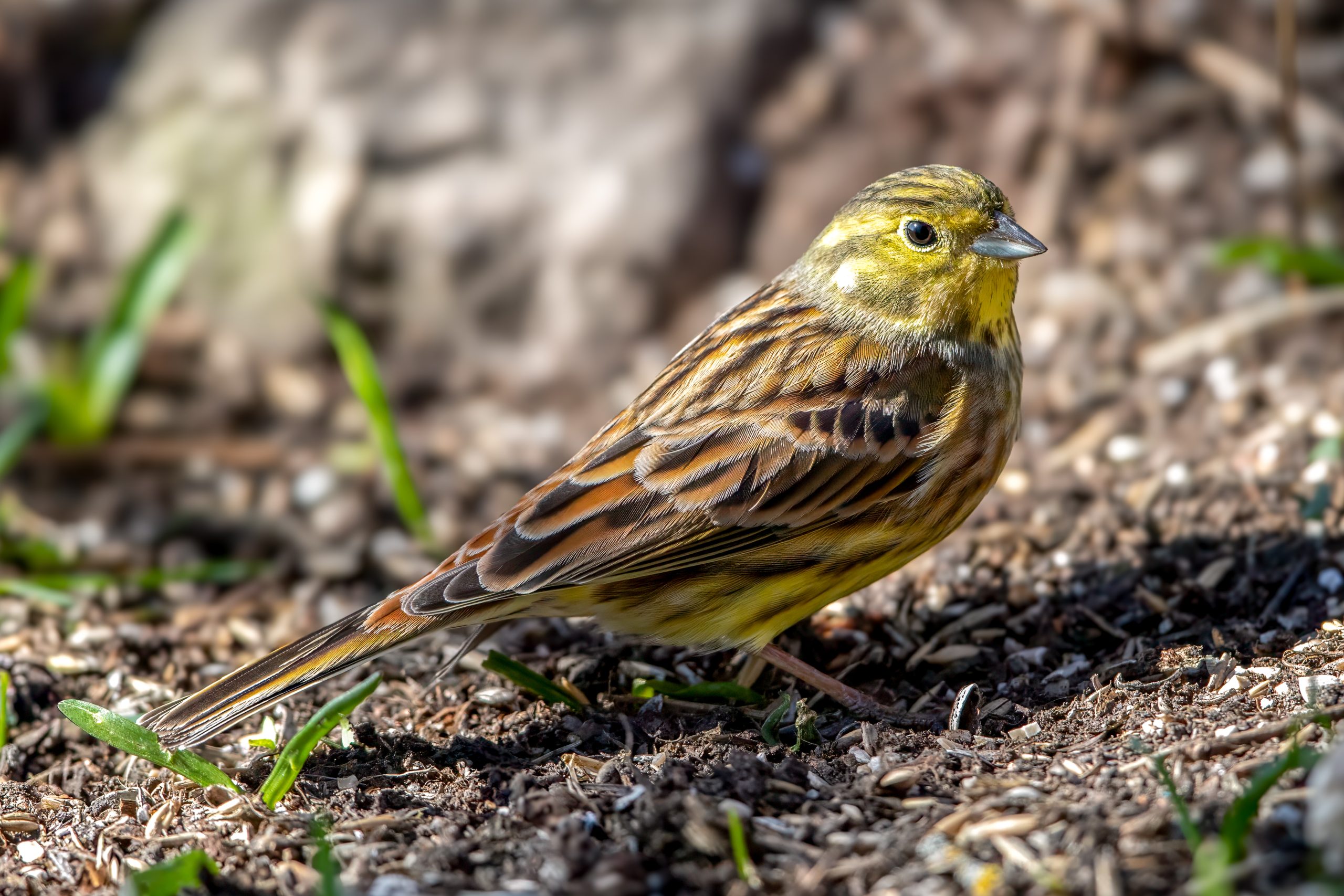
Yellowhammer (Emberiza citrinella) counts increased fourfold over the past decade on farms participating in the Big Farmland Bird Count that combined an agri-environment scheme with supplementary feeding, according to results published by the Game & Wildlife Conservation Trust (GWCT) on 26 May 2026.
The annual count takes place in February. Participants spend about half an hour at one chosen location on their farm or estate and record the birds they see, so the results are winter snapshots of bird use rather than complete population counts for each holding. In 2026, more than 1,200 submissions covered 292,828 hectares across the United Kingdom. Participants recorded 275,024 birds, including 69,222 individuals from 34 species on the UK Red List. Sixty-seven per cent of surveyed farms were enrolled in an agri-environment scheme and 64% provided supplementary feeding.
Combining habitat measures and winter food
GWCT highlighted the yellowhammer as a long-term example from the decade of count data. The species had declined strongly, but records on farms using both agri-environment schemes and supplementary feeding had increased fourfold. Measures supported through such schemes can include sympathetic hedgerow management, field margins, seed-producing strips and cultivated but uncropped ground, while supplementary feeding provides grain or seed during the late-winter period when natural food is scarce.
The 2026 results also showed that farmland with feeding and habitat measures can hold large numbers of species that are declining nationally as breeding birds. GWCT science communicator Jayna Connelly said these farms can provide important winter refuge and food, while stressing that local winter concentrations have not solved the underlying breeding problems behind national declines.
Long-term analysis is still under way
GWCT is carrying out a more formal analysis of the full long-term Big Farmland Bird Count dataset to separate the effects of management, geography and other factors. The fourfold yellowhammer pattern is therefore presented in the 2026 release as a strong association in participating farms rather than the final result of that wider analysis.
For yellowhammer, the decade-long result points to farms using both habitat management and supplementary winter feeding as the holdings where the largest increase has been recorded in the count series.
Management
Related news
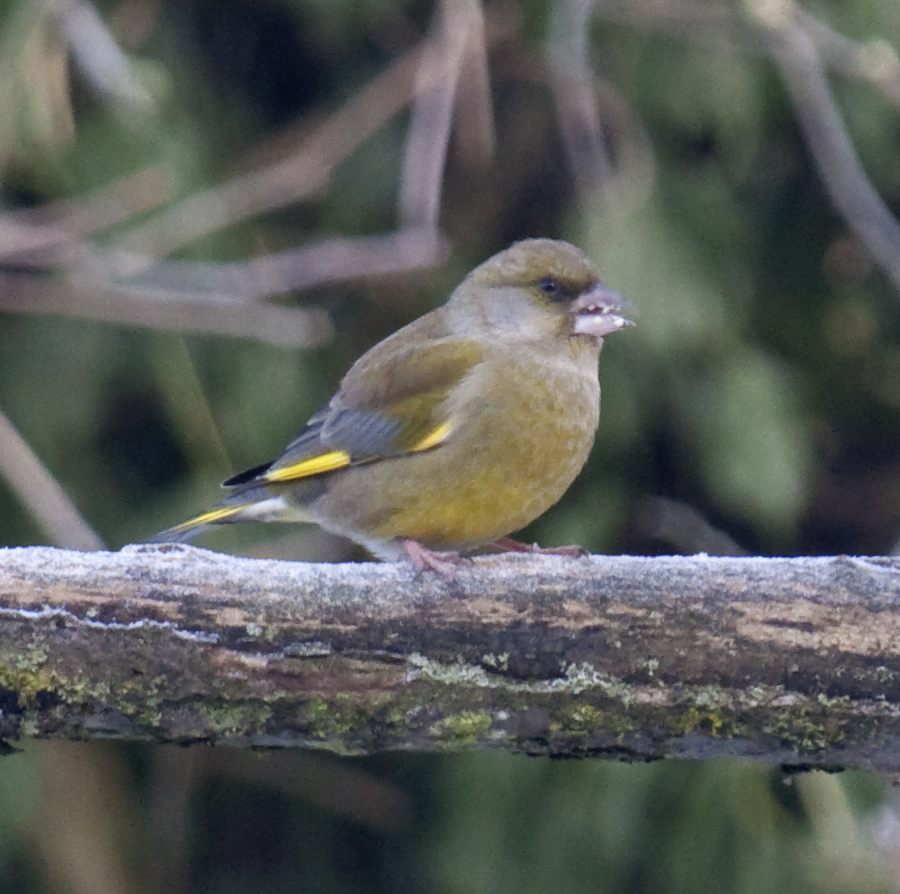
Type A Trichomonas Was More Than Twice as Prevalent in British Birds at Supplementary-fed Sites
Type A of the bird parasite Trichomonas gallinae was more than twice as prevalent in British birds at…
Read story →
Diversified Crop Patches Had More Bird Observations Than Conventional Fields in Germany
A three-year study in Brandenburg recorded 20.0 bird observations per hectare in a diversified patch-cropping field, compared with…
Read story →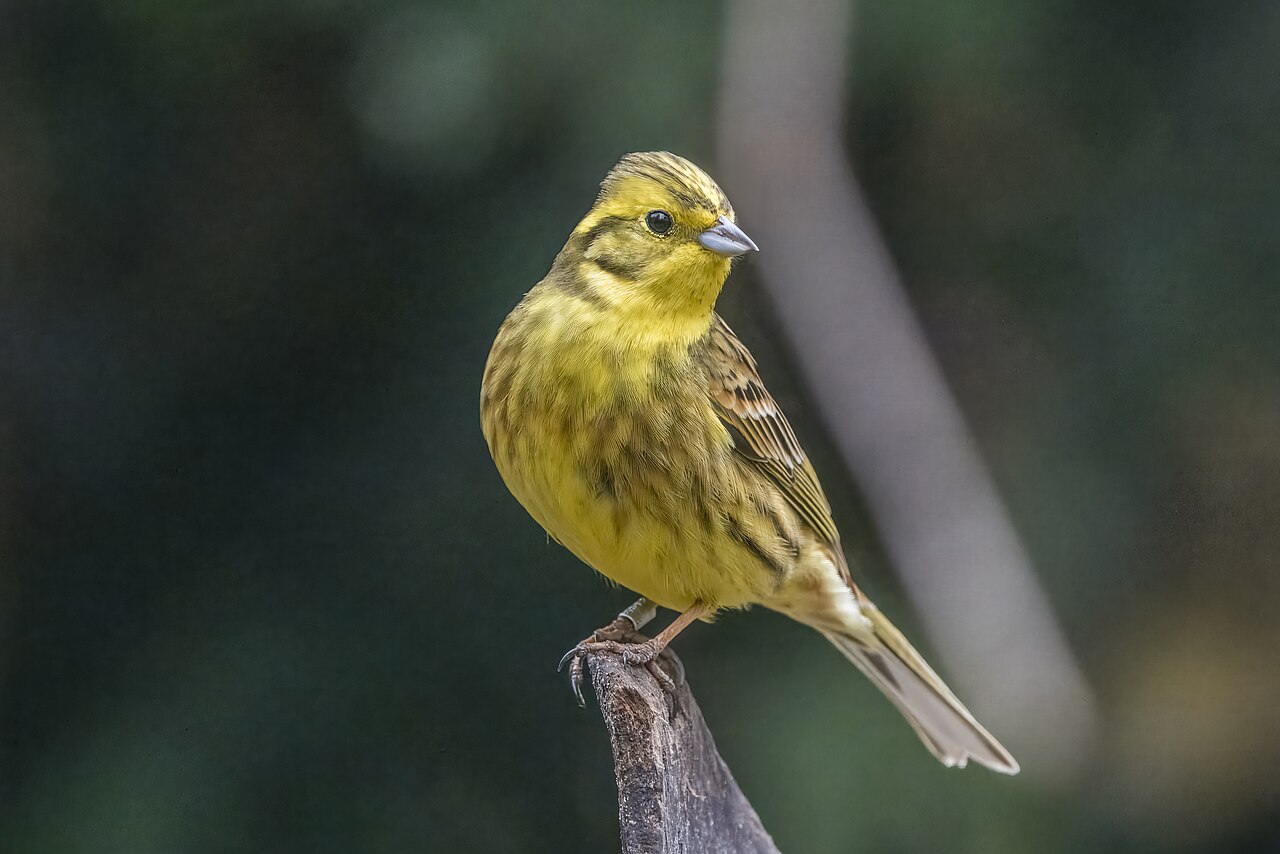
Nearest Neighbour Yellowhammers Sing the Most Different Rhythms
Recordings of 38 male yellowhammers showed individually distinctive song rhythms, with the strongest rhythmic differences occurring between the…
Read story →SPECIES IN THIS STORY
Species in this story
Independent research and conservation news archive
Did you find this information useful?
Wildlife Vagabond is independently built and maintained. Voluntary support helps cover source verification, hosting and continued work on research and conservation news.
Support Wildlife VagabondThe news archive will remain freely available.