
Young Shikras Can Be Separated From Levant Sparrowhawks by Iris, Undertail and Wing Structure
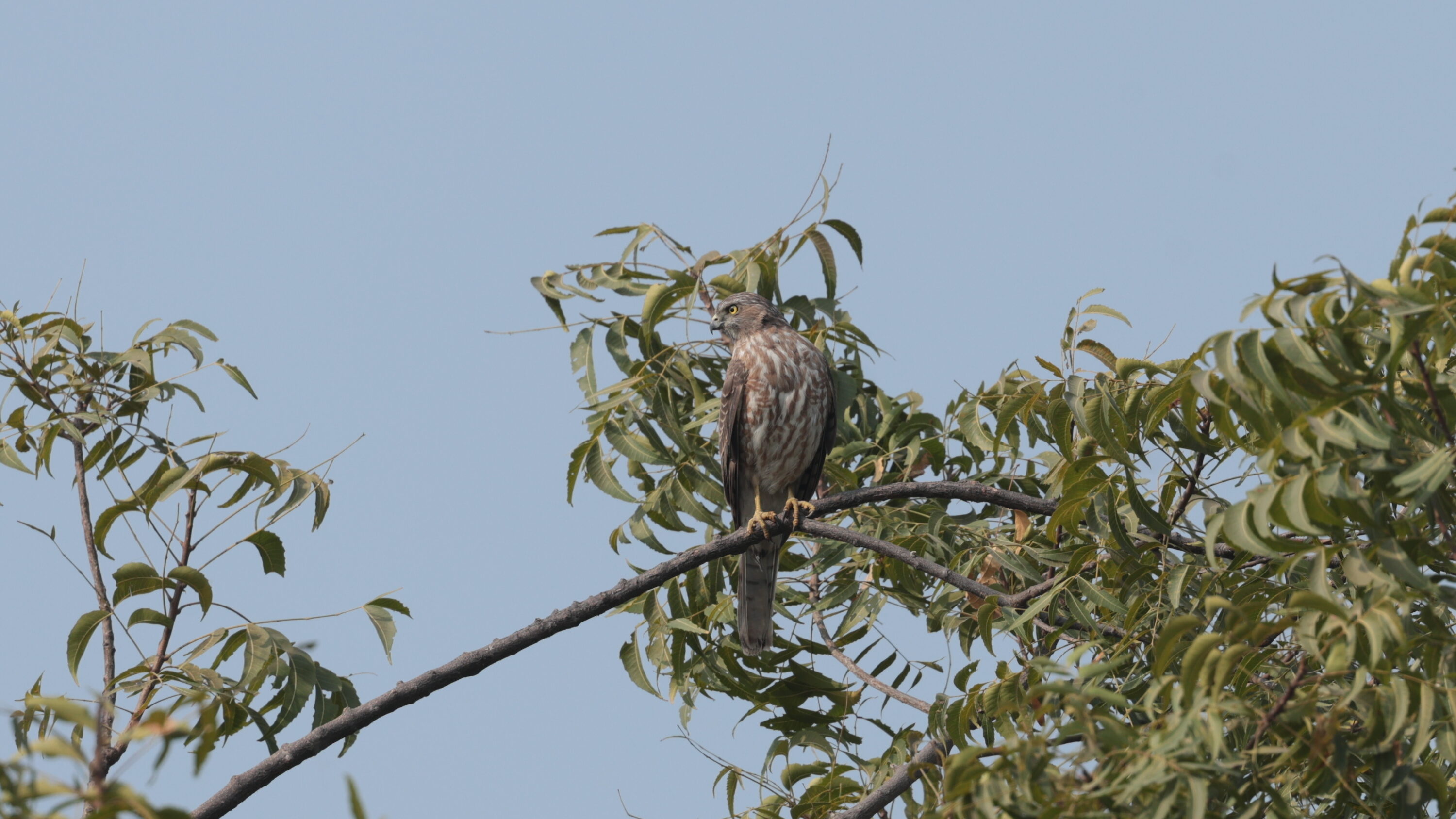
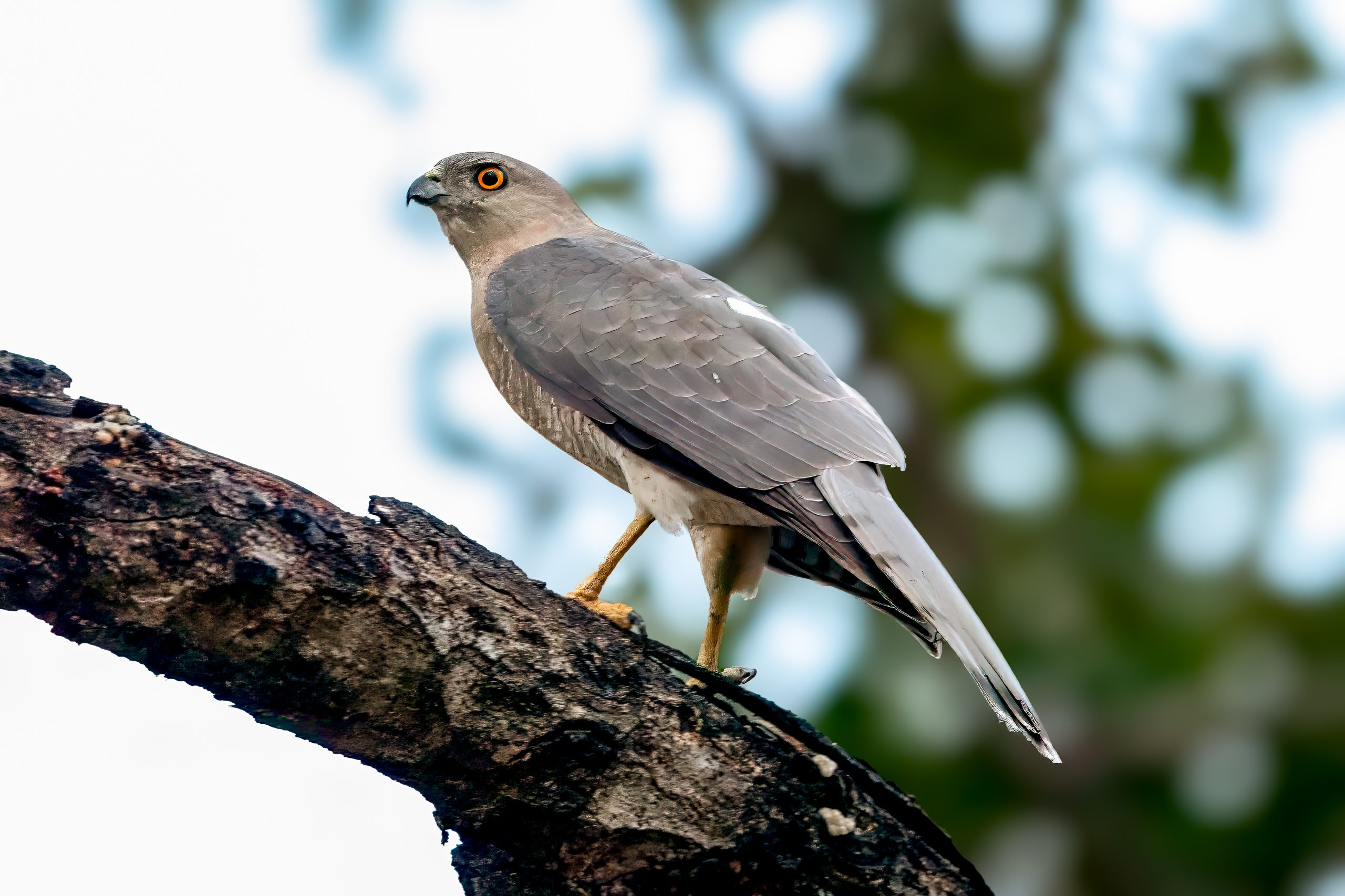
A study published in June 2026 examined photographs of 75 first-calendar-year shikras (Tachyspiza badia) and 93 first-calendar-year levant sparrowhawks (Tachyspiza brevipes) to test field characters used to separate the two similar small hawks. The images, drawn mainly from the Macaulay Library and dated from June to November, were assessed for iris colour, undertail-covert markings and details of the folded and open wing.
Iris colour was one of the clearest differences. Young shikras normally showed a vivid yellow iris that remained conspicuous even in lower-resolution photographs, whereas almost all levant sparrowhawks appeared dark-eyed. Only two very recently fledged shikras in the sample had blue-grey irises, and even these were paler than the pupil.
The undertail-coverts and primary structure provided additional separation. Every levant sparrowhawk that could be assessed had at least some dark markings on the undertail-coverts, while most shikras appeared unmarked or showed only sparse, small marks. On perched birds, the tips of the longest folded primaries were also arranged differently: in levant sparrowhawk the spacing between P5, P6 and P7 was close to even, while in shikra P6 lay distinctly closer to P7 than to P5. The open wing also differed: levant sparrowhawks typically showed four primary fingers and a narrow wing tip formed mainly by P7 and P8, whereas shikras showed five fingers and a broader tip because P6 was nearly as long as P7 and P8.
The image sample also suggested an earlier start to post-juvenile moult in the resident shikra population of the United Arab Emirates than older reference works had indicated. Many first-calendar-year birds showed obvious moult in autumn, in some cases from August, while none of the levant sparrowhawks examined showed post-juvenile moult. The author notes that this timing may be less useful in migratory shikra populations from more seasonal climates, where moult would be expected to begin later.
The distinction is becoming increasingly relevant because shikras have expanded westward and southward in recent years, including across parts of the Middle East, increasing the chances that observers encounter the two similar species in the same region.
Anatomy & morphology
Related news
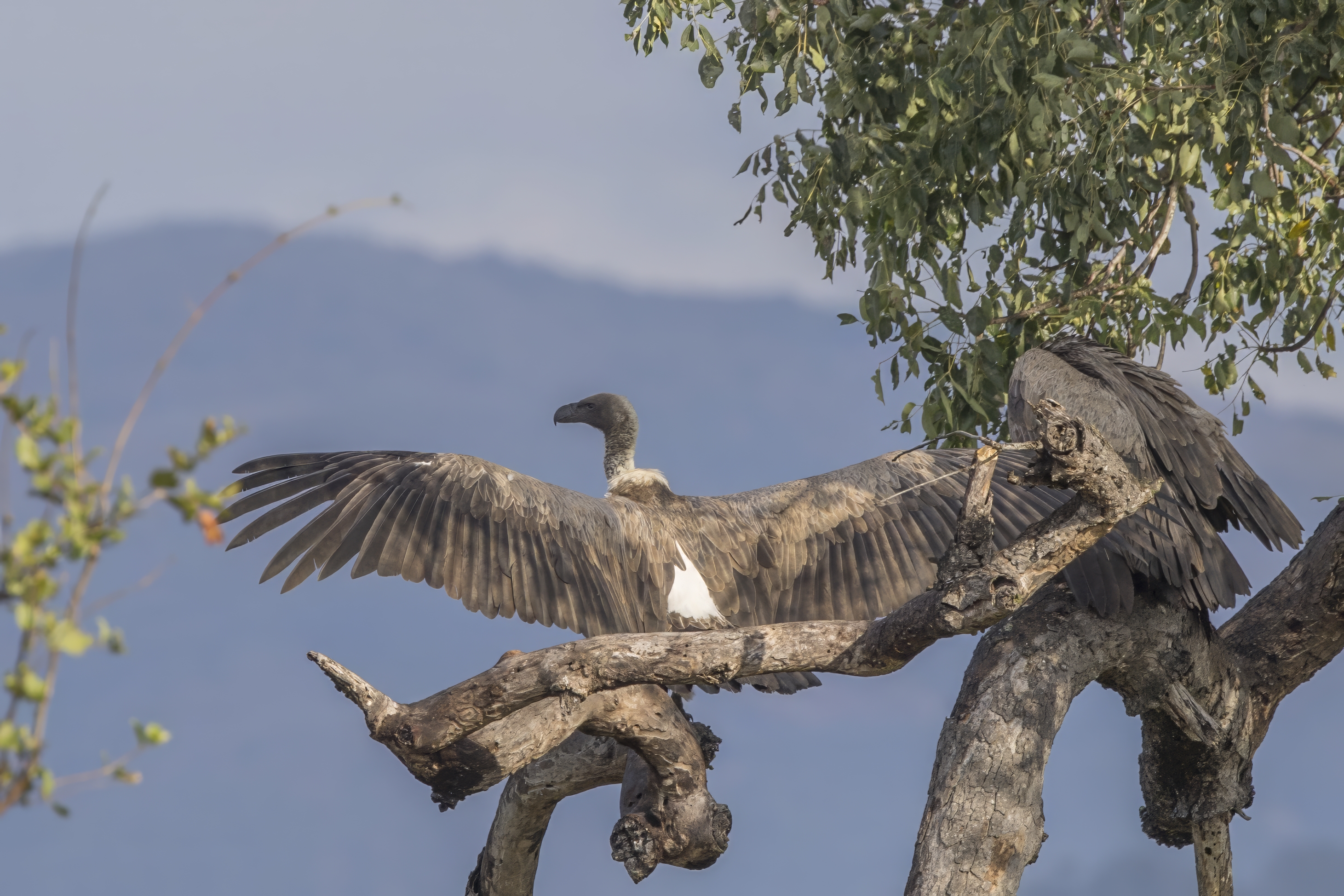
CT Reveals the Organs and Blood Vessels Inside a White-backed Vulture
A contrast-enhanced CT scan of one adult male white-backed vulture revealed major organs and vessels, while also showing…
Read story →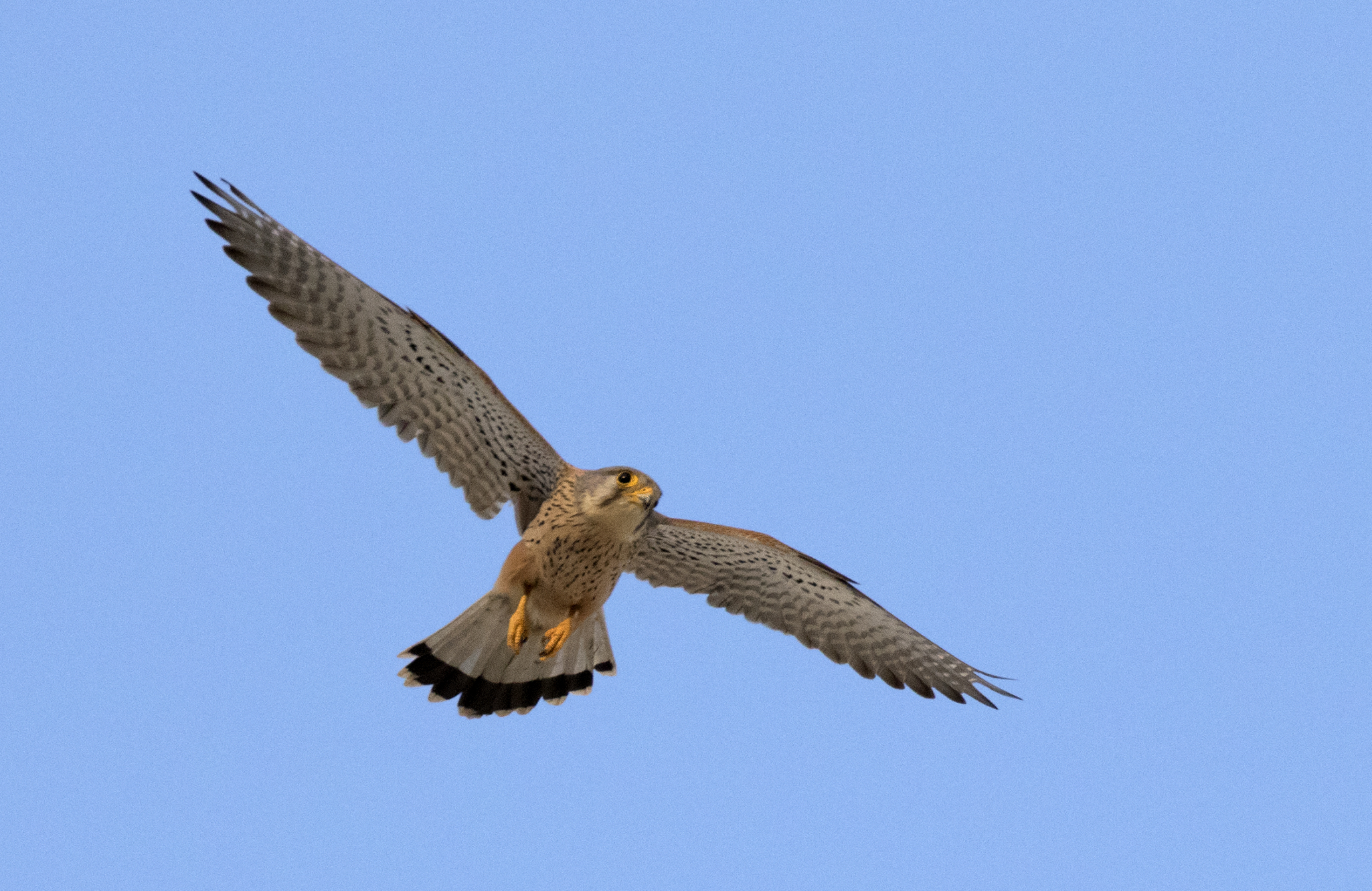
Kestrels Had More Densely Packed Mucous Glands Than Storks
A small study in Türkiye found roughly twice the density of mucus-producing glands in common kestrels’ windpipes as…
Read story →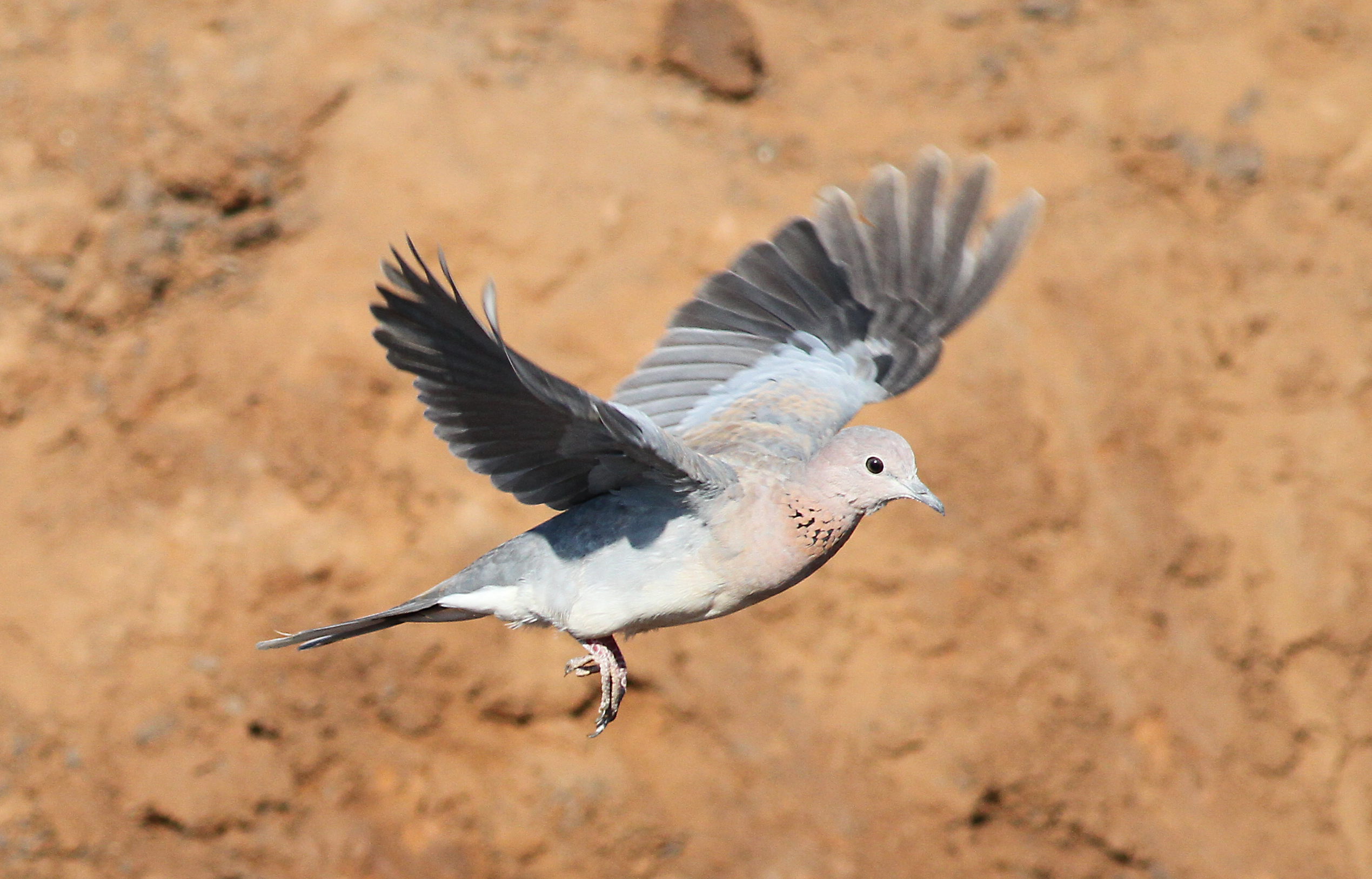
Laughing Dove Eye Pecten Mapped From 12–13 Pleats to Cell Markers
Researchers mapped the pecten oculi, a vascular structure unique to bird eyes, in the laughing dove. Its 12–13…
Read story →SPECIES IN THIS STORY
Species in this story
Independent research and conservation news archive
Did you find this information useful?
Wildlife Vagabond is independently built and maintained. Voluntary support helps cover source verification, hosting and continued work on research and conservation news.
Support Wildlife VagabondThe news archive will remain freely available.