
Young Tree Pipits Learn Songs From Several Local Tutors
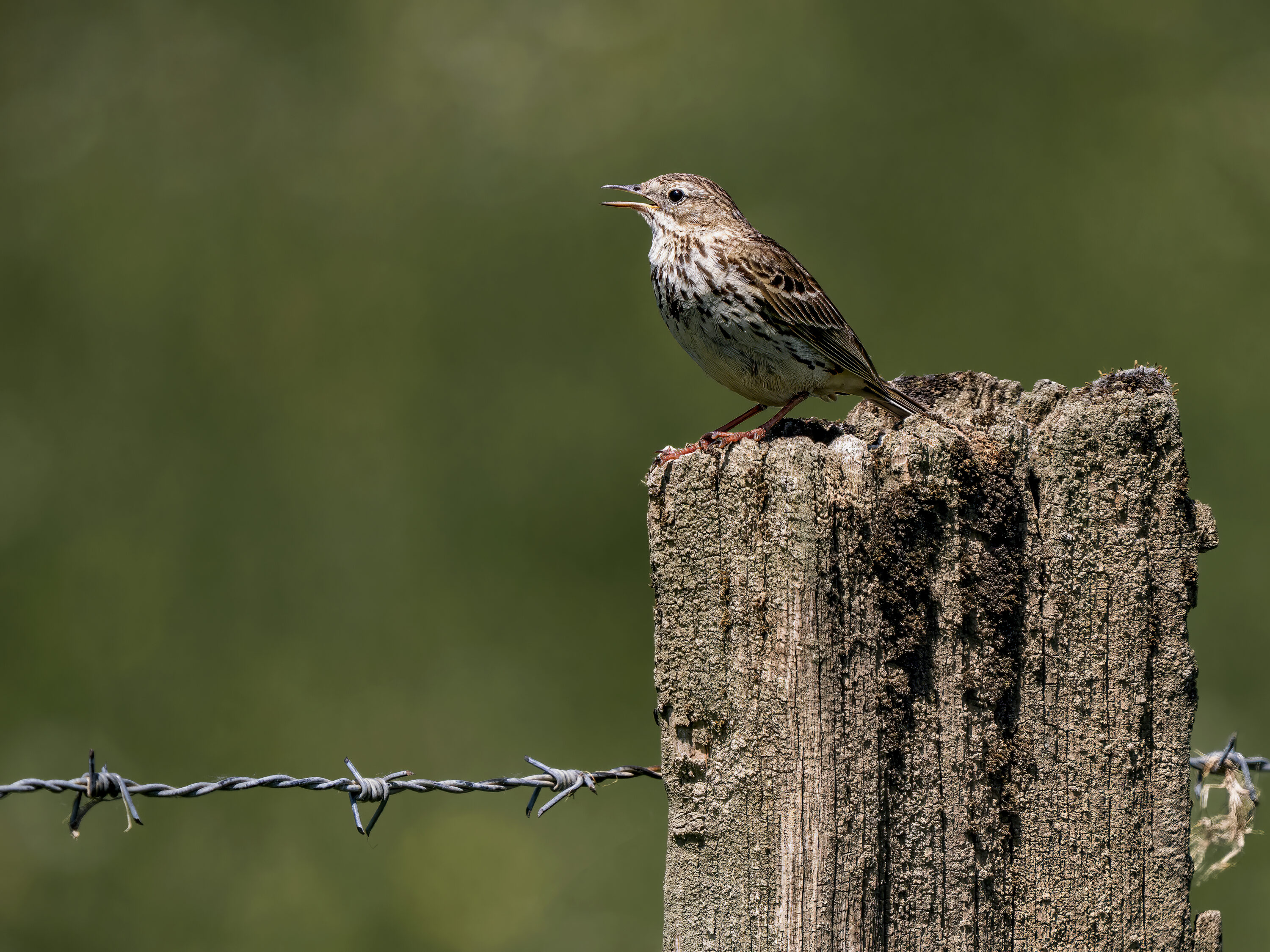
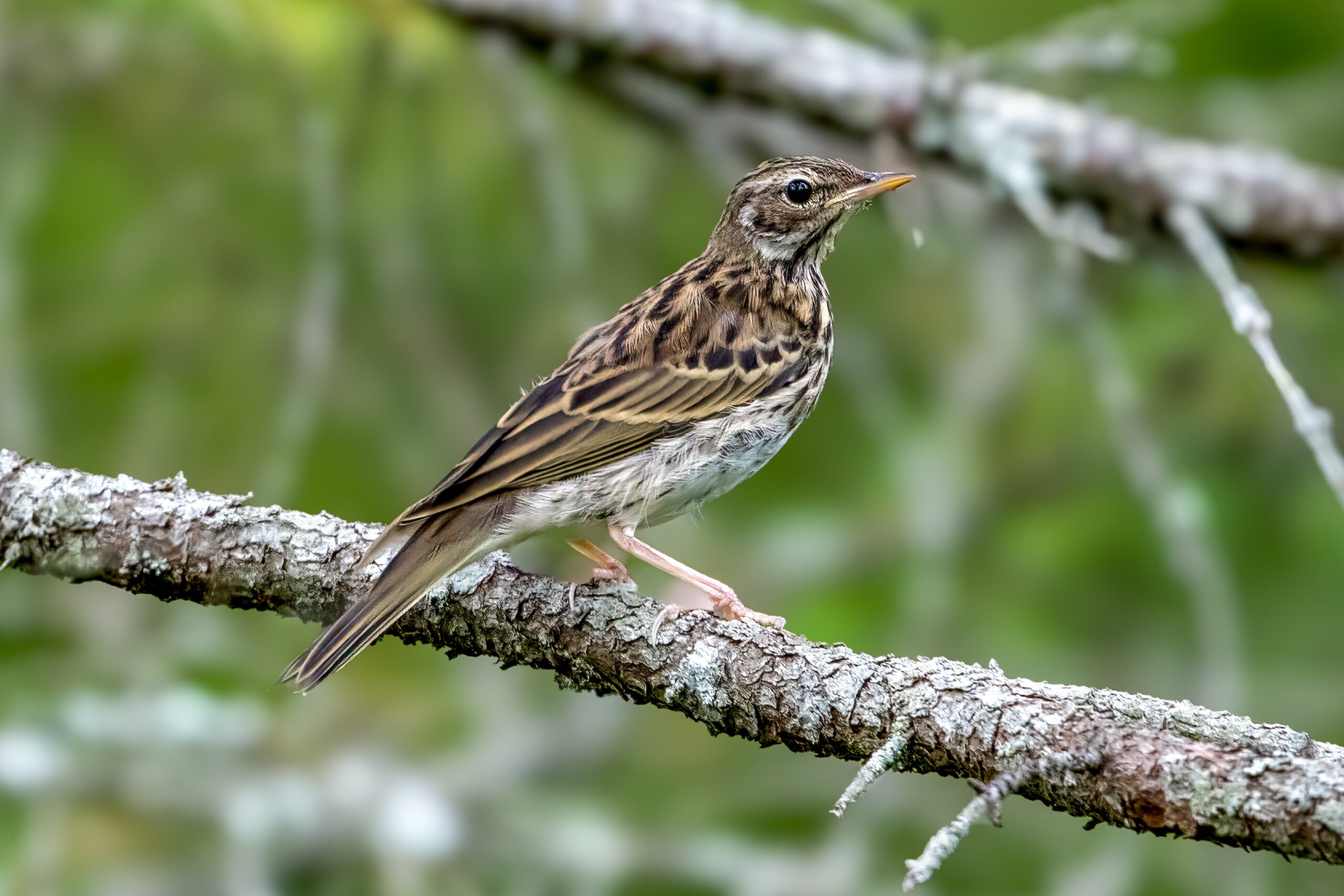
Young male tree pipits (Anthus trivialis) do not simply copy the song of the male that raised them. A long-term study in eastern England found that first-year males assembled individually distinctive repertoires from several local singers, with some measurable influence from the neighbourhood around the natal nest.
The researchers used recordings collected from 2016 to 2025 from 413 males. Twenty-two of those birds had been ringed as nestlings and were later found and recorded as adults, allowing the team to compare their songs with the social father, neighbours around the natal nest and neighbours around the young male’s first breeding territory.
Sons were never highly similar to their social fathers, and brothers from the same nests always developed different repertoires. The comparisons instead indicated that young males learned from several local individuals rather than one preferred tutor or tutor group.
Some song components resembled natal neighbours
A song syllable is a recurring sound unit that can be combined with others into a repertoire. Repertoire composition and the detailed structure of one variable syllable category were more similar to natal neighbours than to randomly selected local males. The effect was driven by only part of the 22 focal birds, however, and a second variable syllable category did not show the same pattern.
The two complex syllable categories could also resemble different singers. Similarity in one did not predict similarity in the other, supporting the idea that a young tree pipit can acquire different components from different tutors.
The authors suggest that learning from several local singers, together with the birds’ strong tendency to return to the same areas, contributes to geographic differences in song. Such differences were detectable even between the two forest areas in the study, about 10 kilometres apart.
Behaviour
Related news
Ten Migrants Followed Early-slow and Late-fast Passage Strategies Through Nigeria
Twenty-four years of ringing data from Jos showed striking species differences in migration timing: Icterine Warblers were among…
Read story →
Tree Pipit Songs Tracked Apparent Annual Survival Without Repeated Capture
In Thetford Forest, individual song repertoires produced year-to-year apparent-survival patterns similar to colour-ringing, but acoustic re-detections fell sharply…
Read story →
UK Breeding Bird Survey: Swift Index Fell 70% as Scotland’s Chiffchaff Index Rose 1,443%
The 2025 UK Breeding Bird Survey revealed steep long-term declines, major regional divergences and some striking increases, including…
Read story →SPECIES IN THIS STORY
Species in this story
Independent research and conservation news archive
Did you find this information useful?
Wildlife Vagabond is independently built and maintained. Voluntary support helps cover source verification, hosting and continued work on research and conservation news.
Support Wildlife VagabondThe news archive will remain freely available.