
Only About Half of American Common Eider Females Were Estimated to Breed in a Given Year
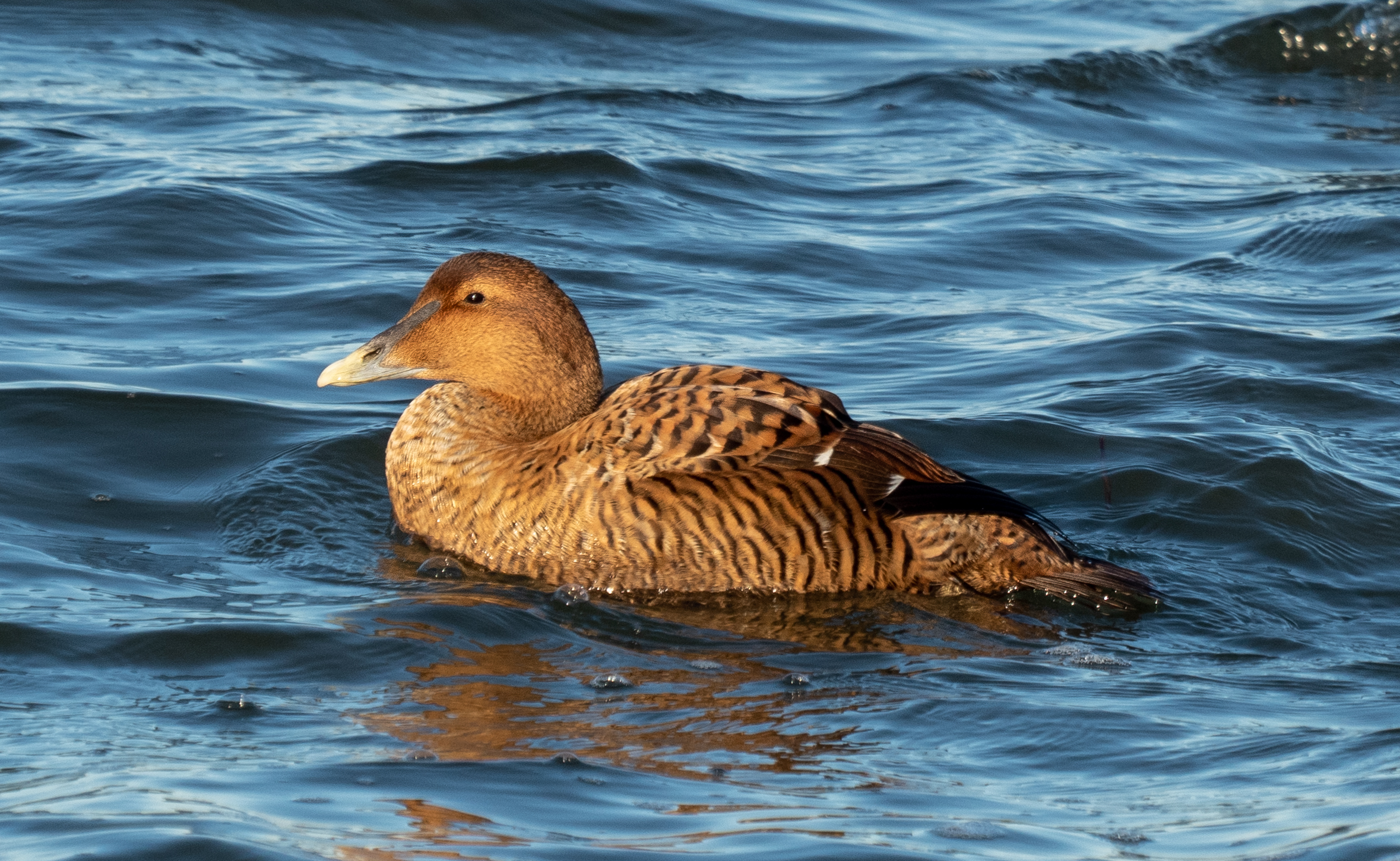
Only about half of adult female American common eiders (Somateria mollissima dresseri) were estimated to breed in a given year in a satellite-tracking study spanning much of the subspecies’ range. Across six regions in northeastern North America, overall breeding propensity — the proportion of sexually mature females that breed in a year — was estimated at 53%, but regional values ranged from 30% to 87%. The study was published in Movement Ecology on 28 August 2026.
The researchers analysed satellite movements from 123 females tracked between 2022 and 2024 in Maine, New Brunswick, Nova Scotia, Québec, Newfoundland and Labrador. Because some birds contributed data in more than one year, the final dataset contained 197 individual bird–breeding seasons.
Movement patterns revealed likely nesting status
The transmitters generally provided one position per day. The researchers used the way each bird moved during the breeding season to distinguish restricted movements consistent with nesting from more local movements associated with feeding or resting and more mobile movements associated with travel. Each bird-season was then classified as successful nesting, failed nesting, prospecting without a confirmed nesting attempt, or skipped breeding.
Breeding participation varied strongly among regions
The resulting estimate showed that breeding was far from universal among mature females. Across all regions and years, breeding propensity was 53%, while the regional estimates differed by almost threefold, from 30% in the lowest region to 87% in the highest.
Those regional differences did not fully match what the researchers had expected from recent population trends. They suggest that local conditions such as predation pressure, disease outbreaks and food availability could contribute to the mismatch, but the study did not identify any of these as the demonstrated cause of the regional pattern.
For a long-lived sea duck, this distinction matters because a lower nest count does not necessarily mean that the adult population has fallen by the same amount. Some surviving females may simply skip breeding in a particular year. The study therefore shows that breeding propensity can vary strongly across the American common eider’s range and that movement data can help separate changes in breeding participation from changes in the number of adult birds.
Reproduction & development
Related news
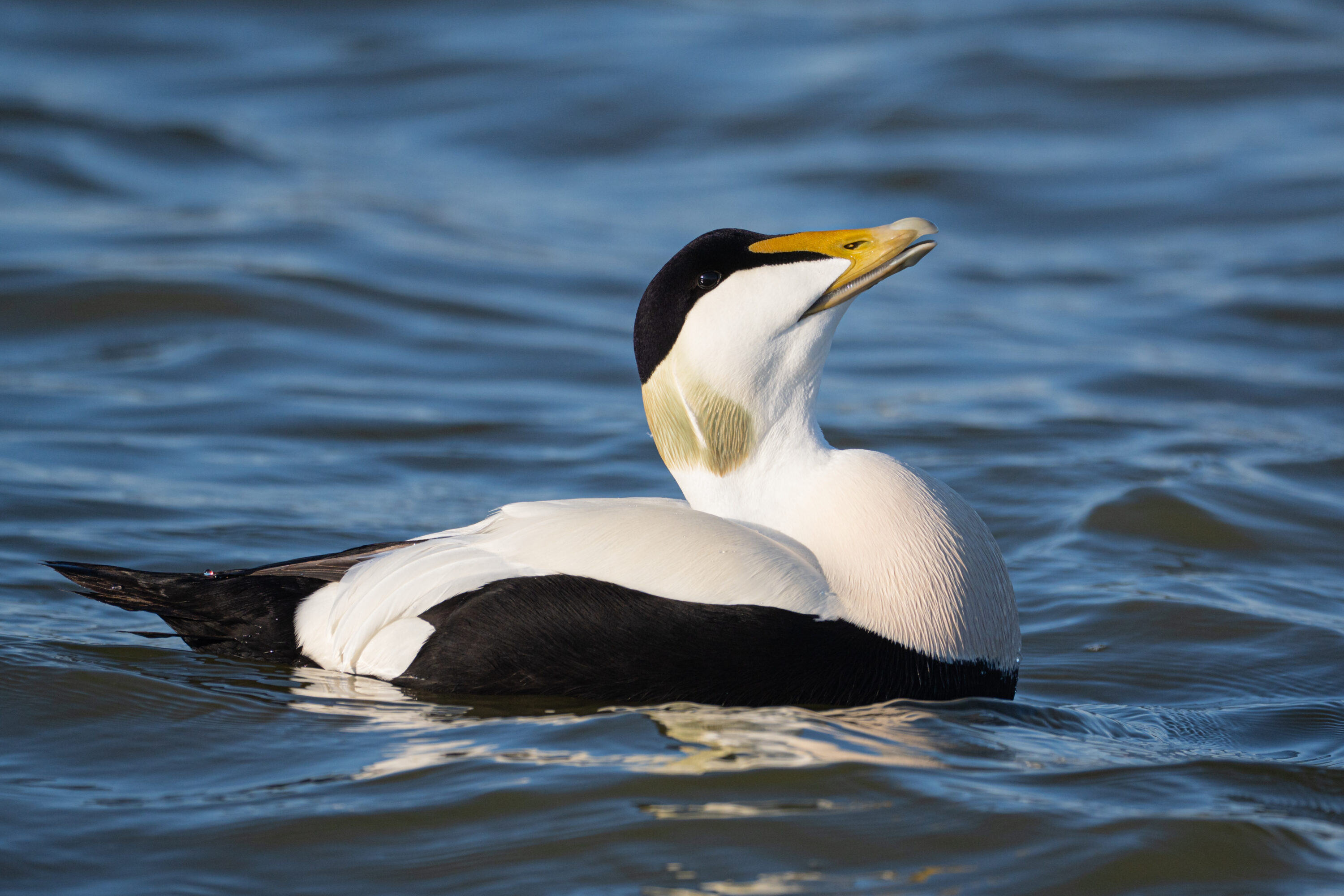
Colour-Banded Eider Linked Nunavut and Iceland More Than 2,800 Kilometres Apart
A male northern common eider banded on East Bay Island, Nunavut, in 2023 was filmed in western Iceland…
Read story →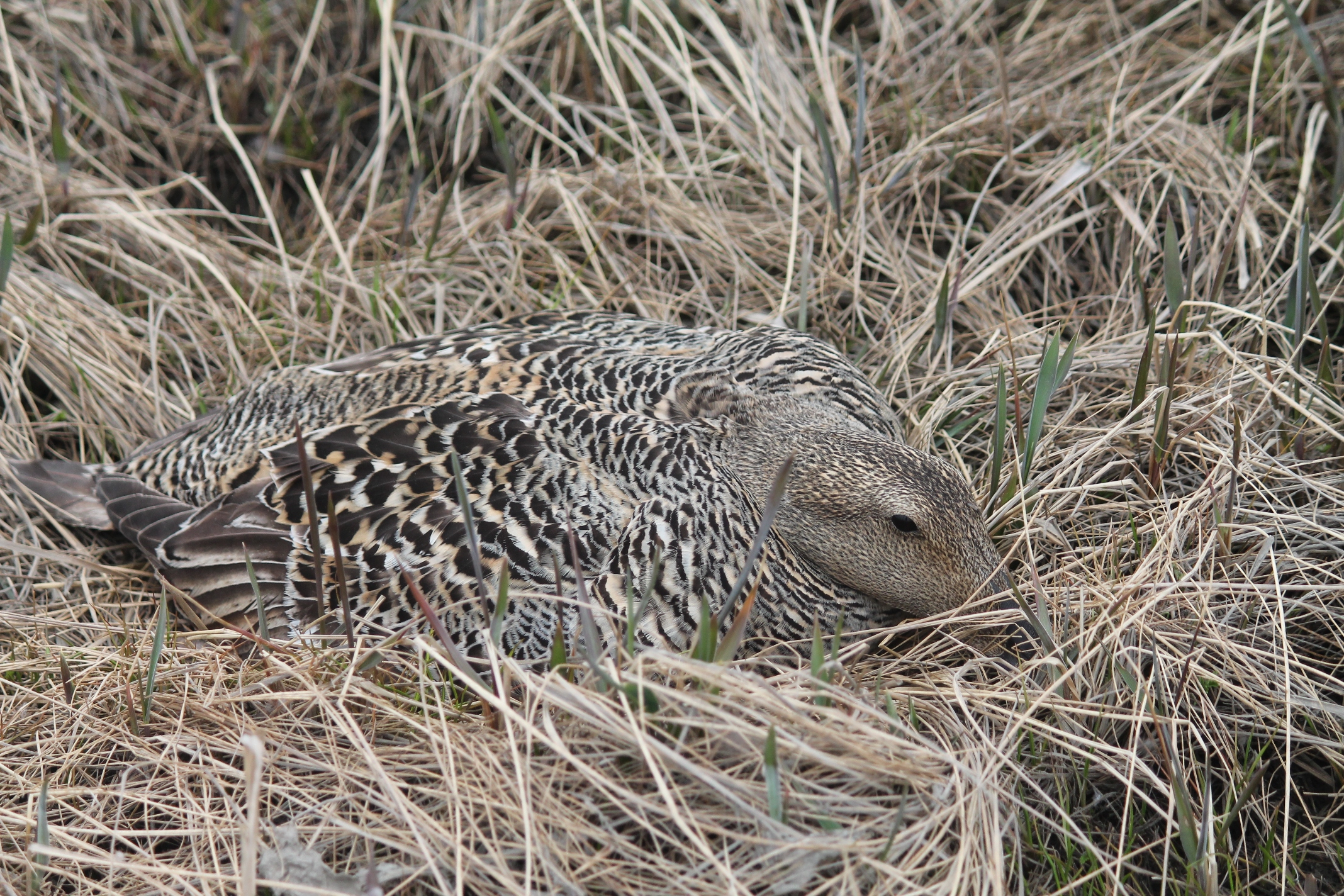
Higher PFOS Was Linked to Lower Egg Temperatures in Finnish Common Eiders
Researchers studied 18 female common goldeneyes and 37 female common eiders in Finland. Higher PFOS was linked to…
Read story →
Record 30 Polar-Bear Days on Kongsfjorden’s Eider Islands in One Month
Researchers recorded a record 30 polar-bear days on Kongsfjorden’s eider islands from 4 June to 4 July 2026.…
Read story →SPECIES IN THIS STORY
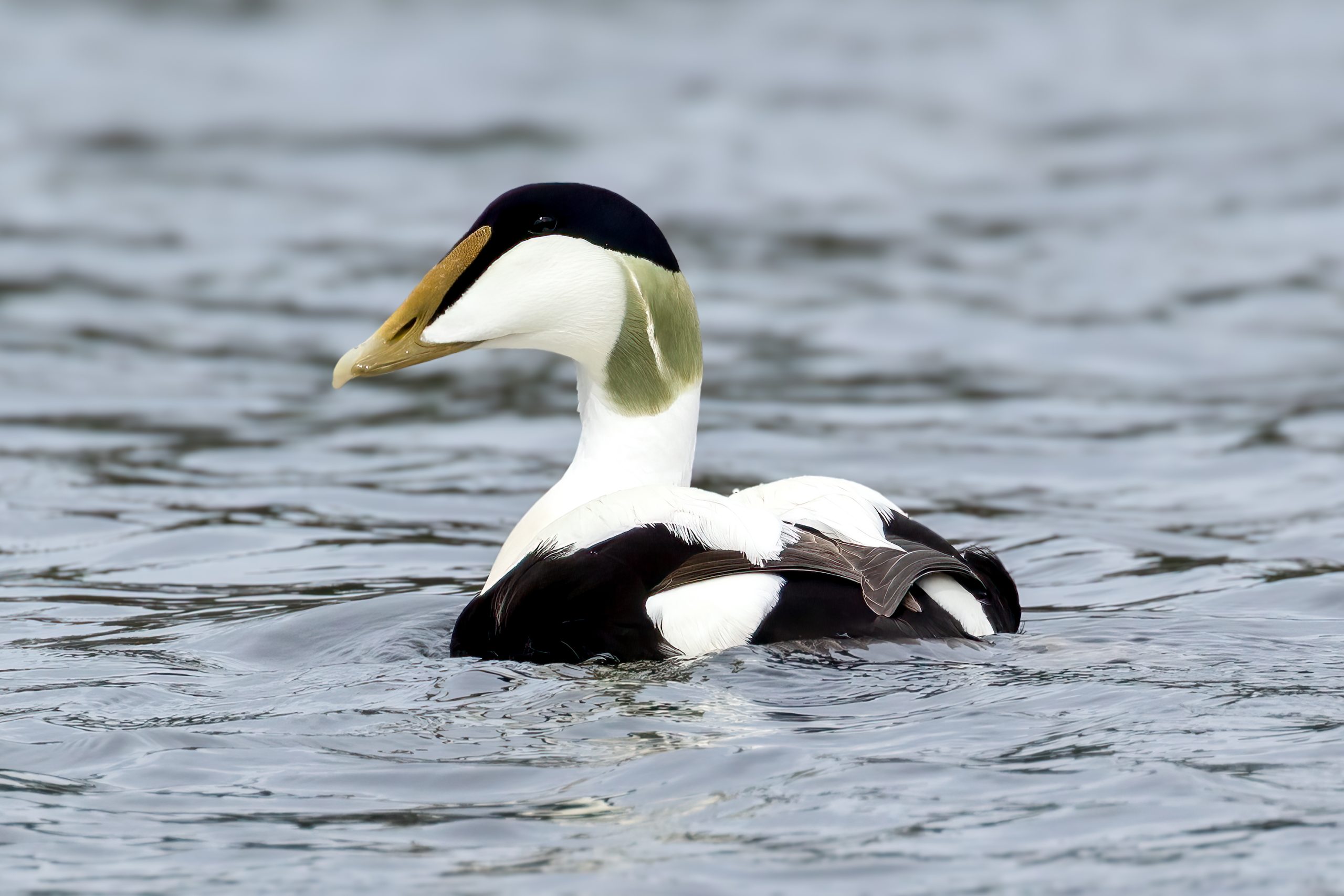
Species in this story
Independent research and conservation news archive
Did you find this information useful?
Wildlife Vagabond is independently built and maintained. Voluntary support helps cover source verification, hosting and continued work on research and conservation news.
Support Wildlife VagabondThe news archive will remain freely available.