
Aerial Surveys Estimated 126,623 Reindeer in West Greenland
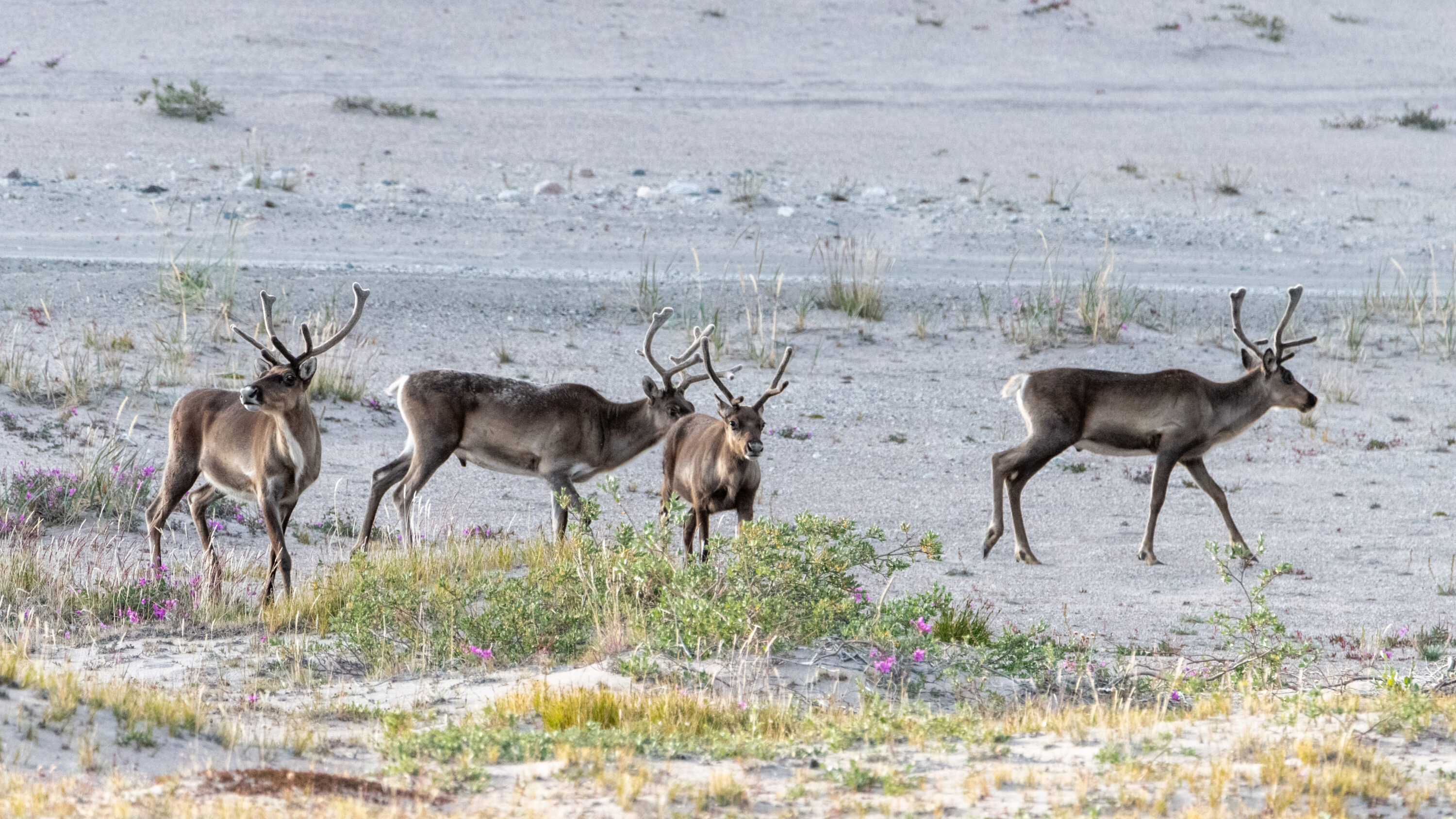
Aerial surveys across three regions of West Greenland produced a design-based estimate of 126,623 reindeer (Rangifer tarandus groenlandicus), according to a study published in June 2026. The surveys covered the Kangerlussuaq–Sisimiut, Akia–Maniitsoq and Ameralik populations across about 40,000 km².
Direct sightings were corrected for imperfect detection
Researchers flew 94 transects — predefined survey lines across the landscape. The North region was surveyed in early March 2018, while the Central and South regions were surveyed in early March 2019. Along the survey lines, they directly recorded 7,721 reindeer in 2,620 groups. Distance sampling then used how detection changed with distance from the flight line, group size and region to estimate animals that were present but not observed. The estimated average detection probability across the survey was about 49%, with larger groups easier to detect. This produced the design-based estimate of 126,623 animals, although uncertainty around the exact total remained substantial. Abundance in the North and Central regions was estimated at about 2.9 and 2.4 times the level in the South region, respectively.
A spatial model mapped where winter density was highest
The team also built a density surface model using the same detection correction together with elevation, slope, spatial position and distance from the coast or inland water. This model estimated 150,199 reindeer and was more precise than the design-based estimate. The uncertainty ranges around the two totals overlapped substantially, so the authors regard them as compatible rather than contradictory. During the winter surveys, higher densities occurred mainly at low-elevation inland sites close to river systems or lakes. The authors note that this distribution resembles previously documented patterns that also included areas relatively inaccessible to human disturbance; human accessibility was not itself an environmental variable in the density model.
Both approaches indicated that reindeer abundance remained large, broadly consistent with the high estimates reported during the 2000–2010 survey period. The authors present the new abundance estimates and spatial density map as information for future management of the population, including decisions in a region where hunting remains culturally and economically important.
Population & status
Related news
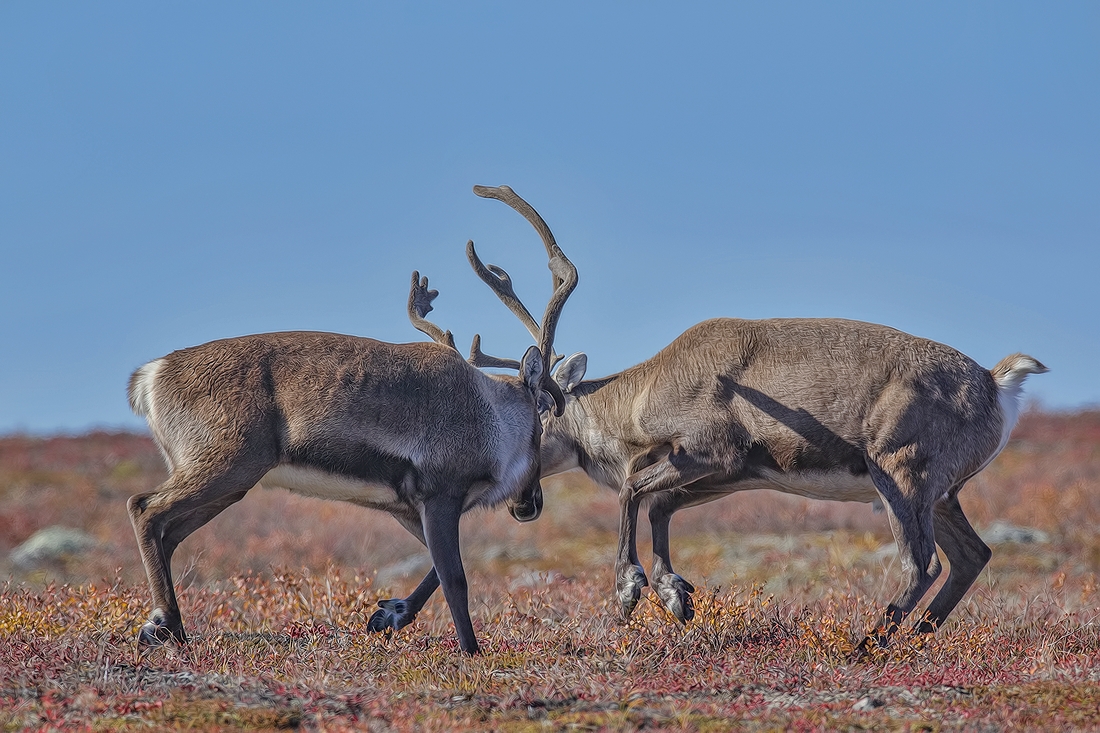
Inuit harvesters help detect an emerging parasitic disease in Arctic caribou
Near Kugluktuk in Nunavut, Inuit harvesters reported unusual tissue changes in caribou. Tests found DNA from two parasitic…
Read story →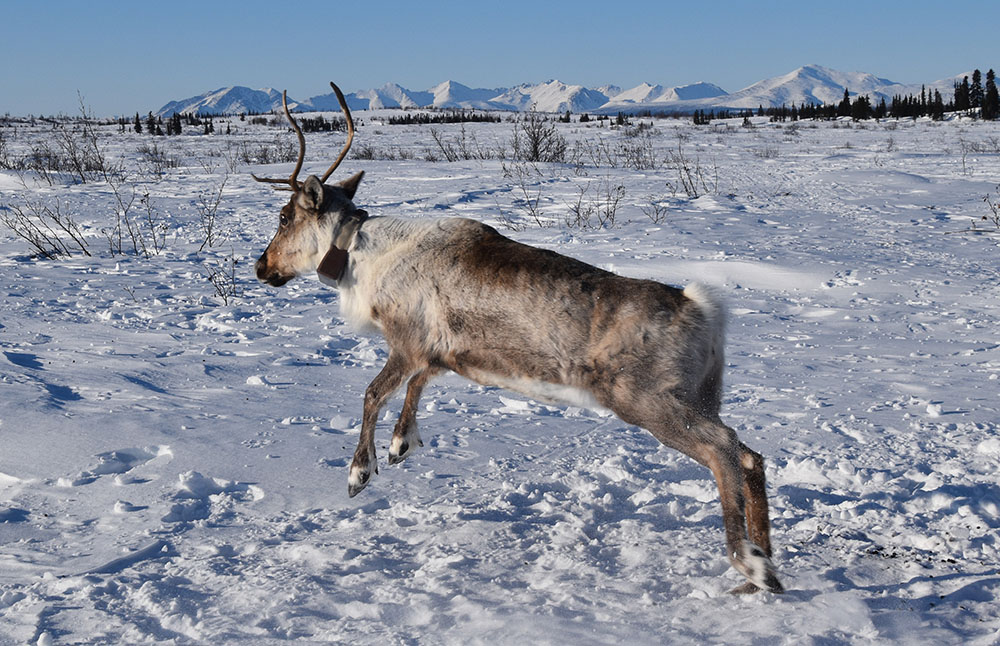
Video Collars Showed GPS Methods Were Only About 70% Accurate at Detecting Caribou Calving
Video collars from 160 adult females in the Porcupine and Western Arctic herds showed that two GPS movement…
Read story →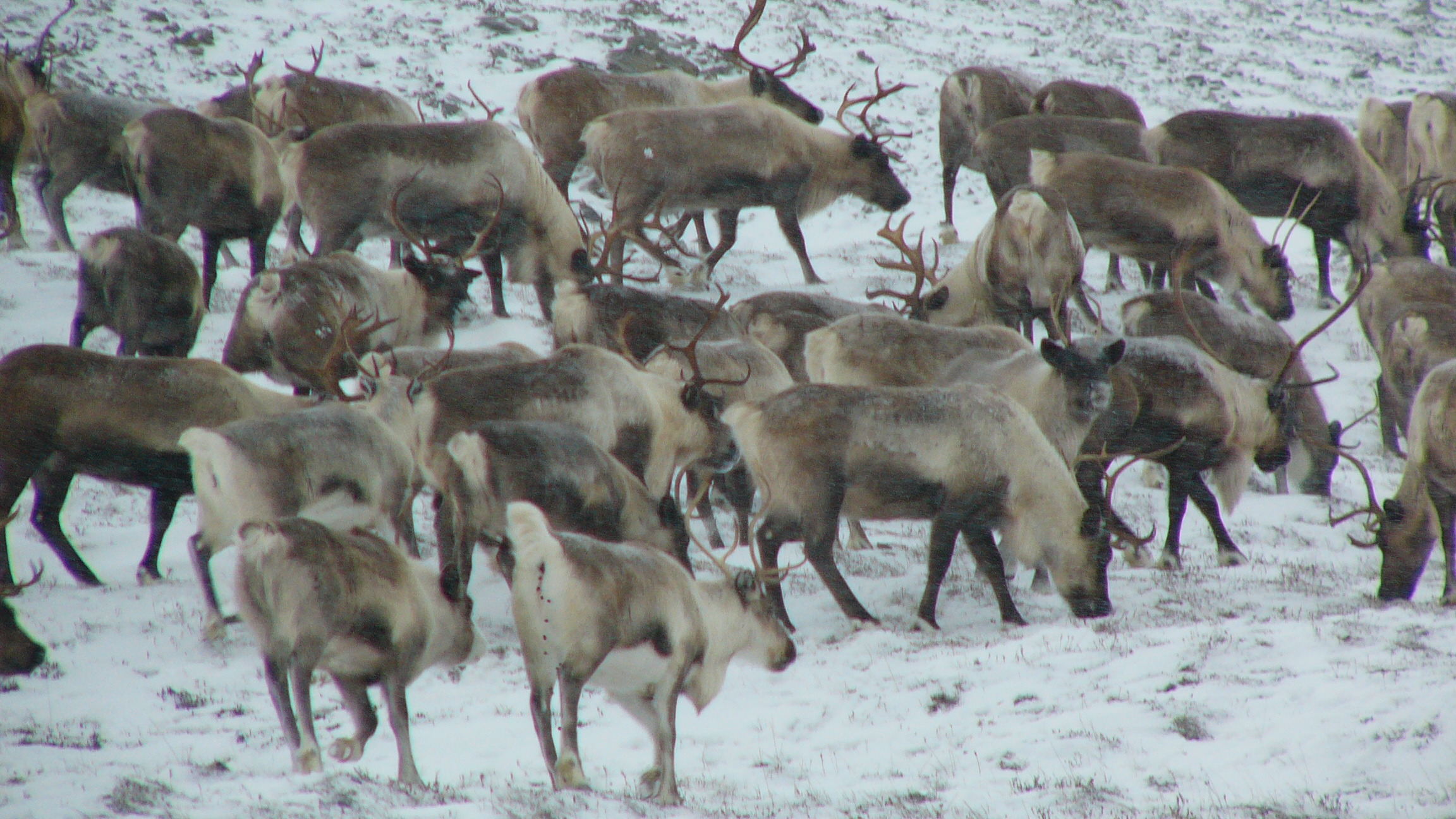
Reindeer and Caribou Showed Broad Genetic Differences Across Russia, Alaska and Canada
Microsatellite data from 1,544 reindeer and caribou in 42 populations showed broad genetic differentiation among Russia, Alaska and…
Read story →SPECIES IN THIS STORY
Species in this story
Independent research and conservation news archive
Did you find this information useful?
Wildlife Vagabond is independently built and maintained. Voluntary support helps cover source verification, hosting and continued work on research and conservation news.
Support Wildlife VagabondThe news archive will remain freely available.