
Antibodies to Two Lyssaviruses Found in South African Lions
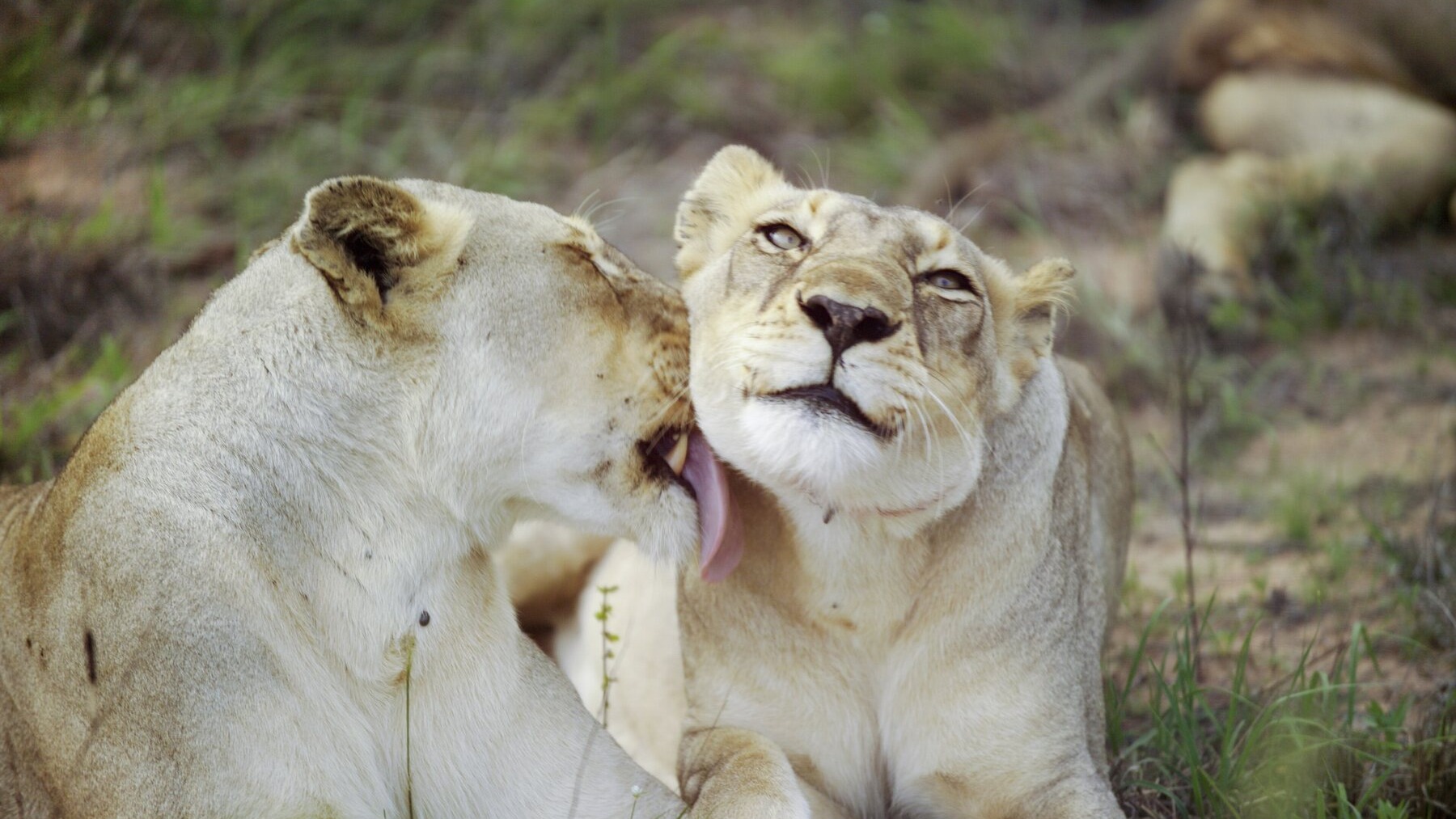
Antibodies that can neutralise classical rabies virus and Mokola virus have been detected in serum samples from lion (Panthera leo) populations in South Africa. Lyssaviruses are the virus group that includes classical rabies virus and a number of related viruses such as Mokola virus. The findings show that the animals had mounted immune responses to lyssaviruses or vaccination, but they do not demonstrate active infection. The study was published in Koedoe on 25 March 2026.
Researchers analysed 160 banked serum samples. Of these, 140 came from lions sampled in Kruger National Park between 1995 and 2000. The remaining 20 came from provincial and private game reserves bordering the Mnisi area of Mpumalanga and were collected in 2010–2012. Nineteen of the latter samples could be tested for antibodies to Mokola virus.
Antibodies to classical rabies virus were found in 2.1% of the Kruger samples and 65.0% of the samples from the neighbouring reserves. Antibodies that neutralised Mokola virus were detected in 0.7% and 36.8%, respectively. Five lions from the reserves outside Kruger had antibodies to both viruses.
Vaccination influenced the rabies result
The authors emphasise that the two groups cannot be read as evidence of an increase over time. They came from different places and periods, and the group from the neighbouring reserves was small. Rabies vaccination carried out after an outbreak in 2008 probably contributed to the high proportion of rabies antibodies in the later samples. Although about half of the samples from animals known to have been vaccinated were excluded from the study, complete vaccination histories were not available for every lion.
Rabies vaccination does not explain the Mokola-virus result. Mokola virus belongs to a different lyssavirus group, and the researchers say the antibodies may indicate previous exposure. However, cross-reactions with related lyssaviruses, including Lagos bat virus and Shimoni bat virus, cannot be ruled out with the assay used. None of the sampled lions showed clinical signs compatible with lyssavirus disease when the samples were collected.
The small comparison group cannot establish prevalence
The study provides evidence that lions can encounter more than one lyssavirus in landscapes where wildlife, domestic animals and people live close together. The authors recommend further investigation of bat-associated lyssaviruses and the use of standardised antibody tests. They also stress that the small sample from reserves outside Kruger is not sufficient for conclusions about prevalence in the wider lion population.
Disease, parasites & microbiology
Related news
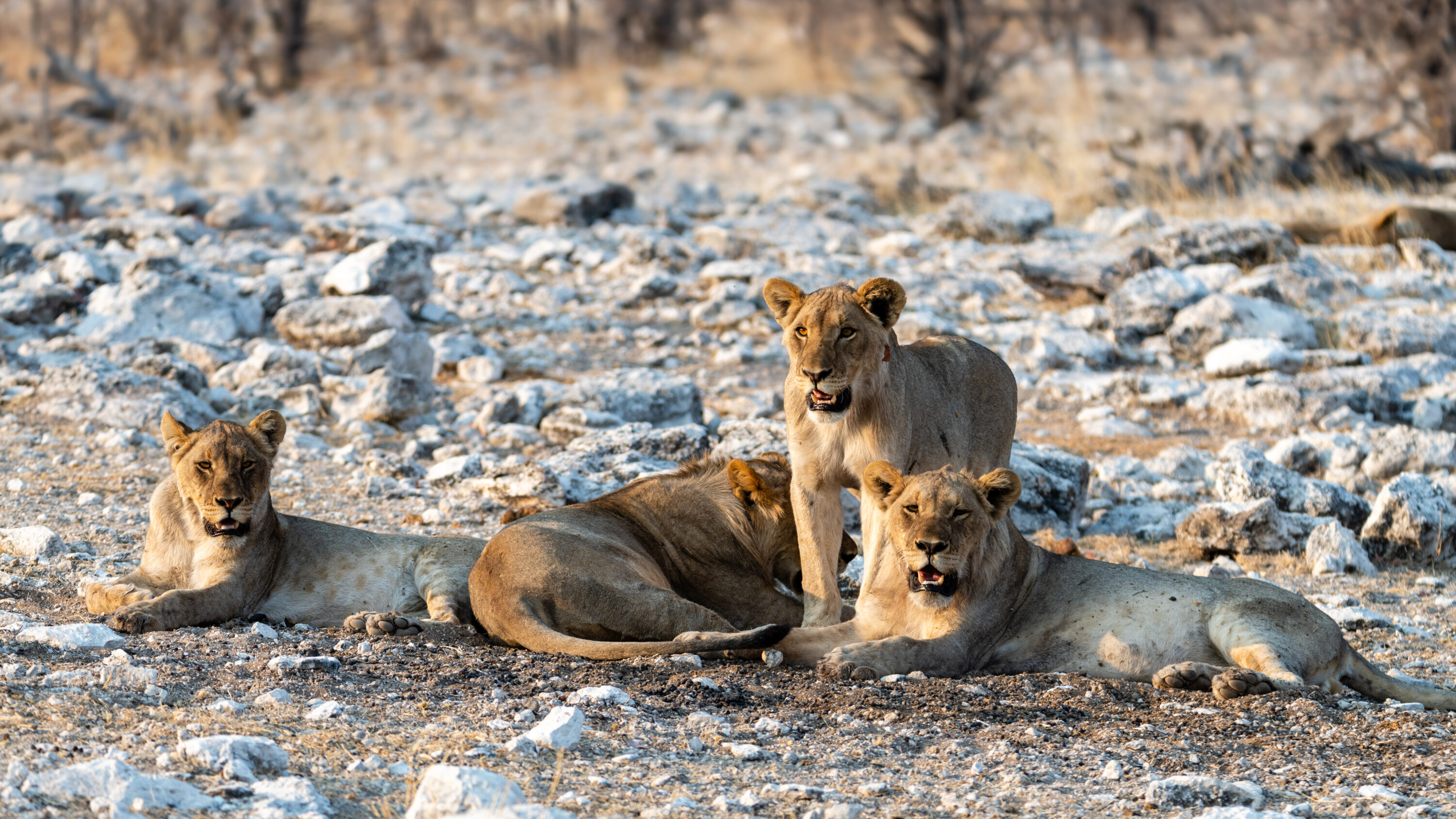
A Little-Known Microbial World Inside Lions’ Guts
Faecal samples from wild lions in Namibia gave researchers a much clearer picture of their gut bacteria. Microbial…
Read story →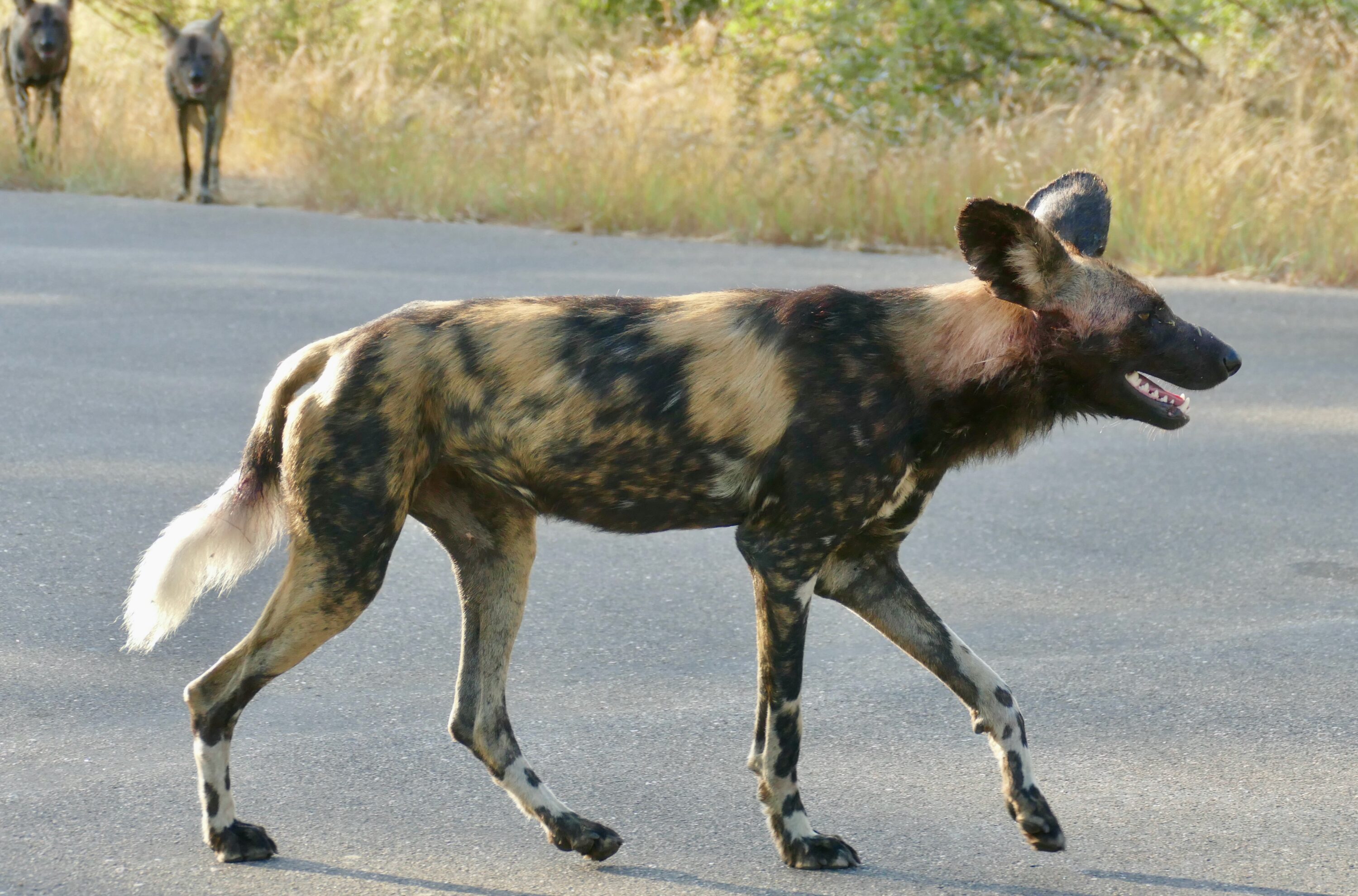
Food Leaves Its Mark on the Gut Bacteria of Kruger’s Wildlife
Gut bacteria in nine mammal species from Kruger National Park followed clear patterns linked to food and digestion.…
Read story →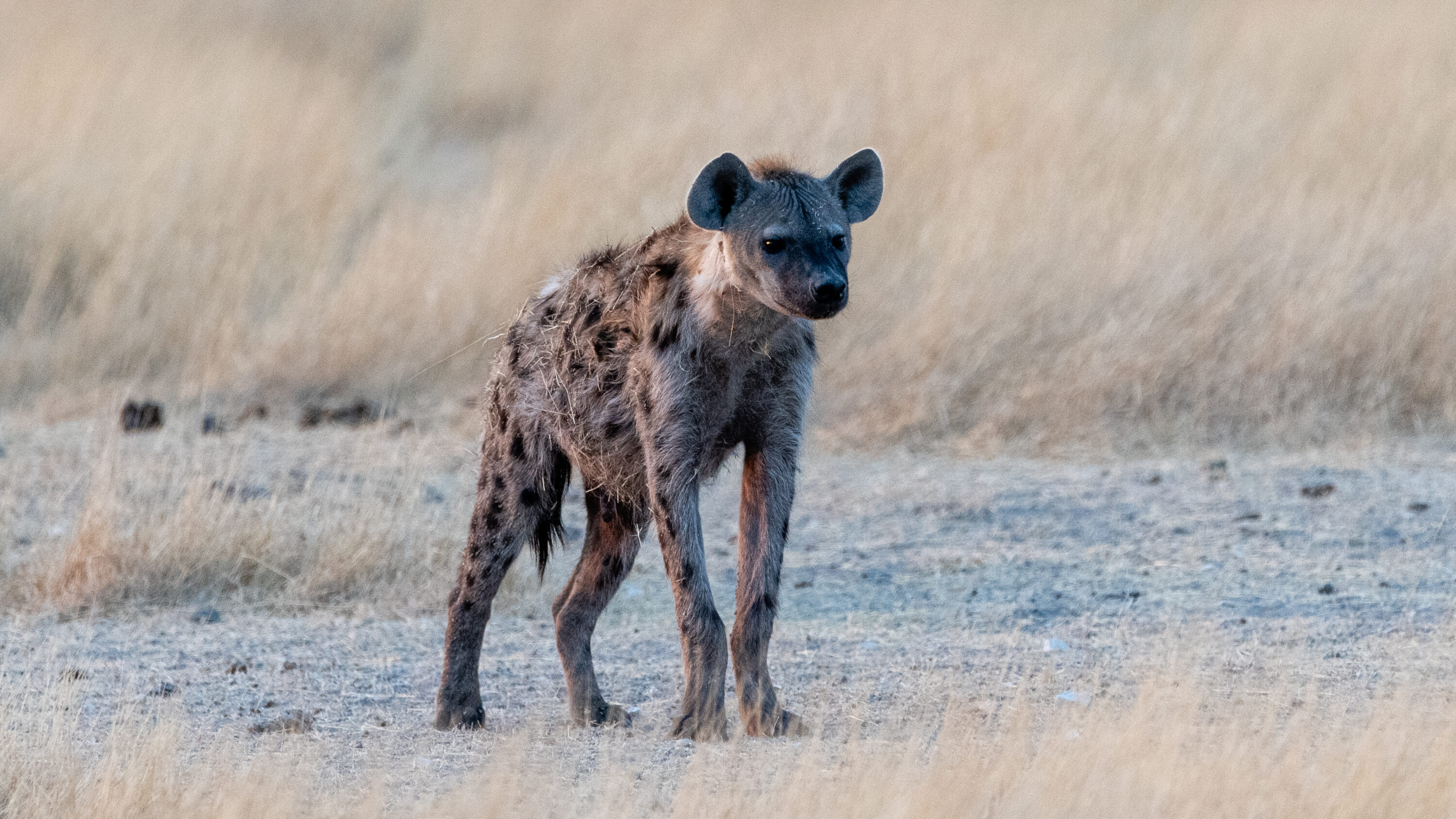
Spotted Hyenas Repeatedly Moved Away From Lions in Five-Minute GPS Data
High-frequency GPS data from Namibia and Botswana showed a robust retreat bias in spotted hyenas around lions, while…
Read story →SPECIES IN THIS STORY
Species in this story
Independent research and conservation news archive
Did you find this information useful?
Wildlife Vagabond is independently built and maintained. Voluntary support helps cover source verification, hosting and continued work on research and conservation news.
Support Wildlife VagabondThe news archive will remain freely available.