
Second-Generation Anticoagulant Rodenticides Were Detected in 90% of Red Foxes Sampled in England
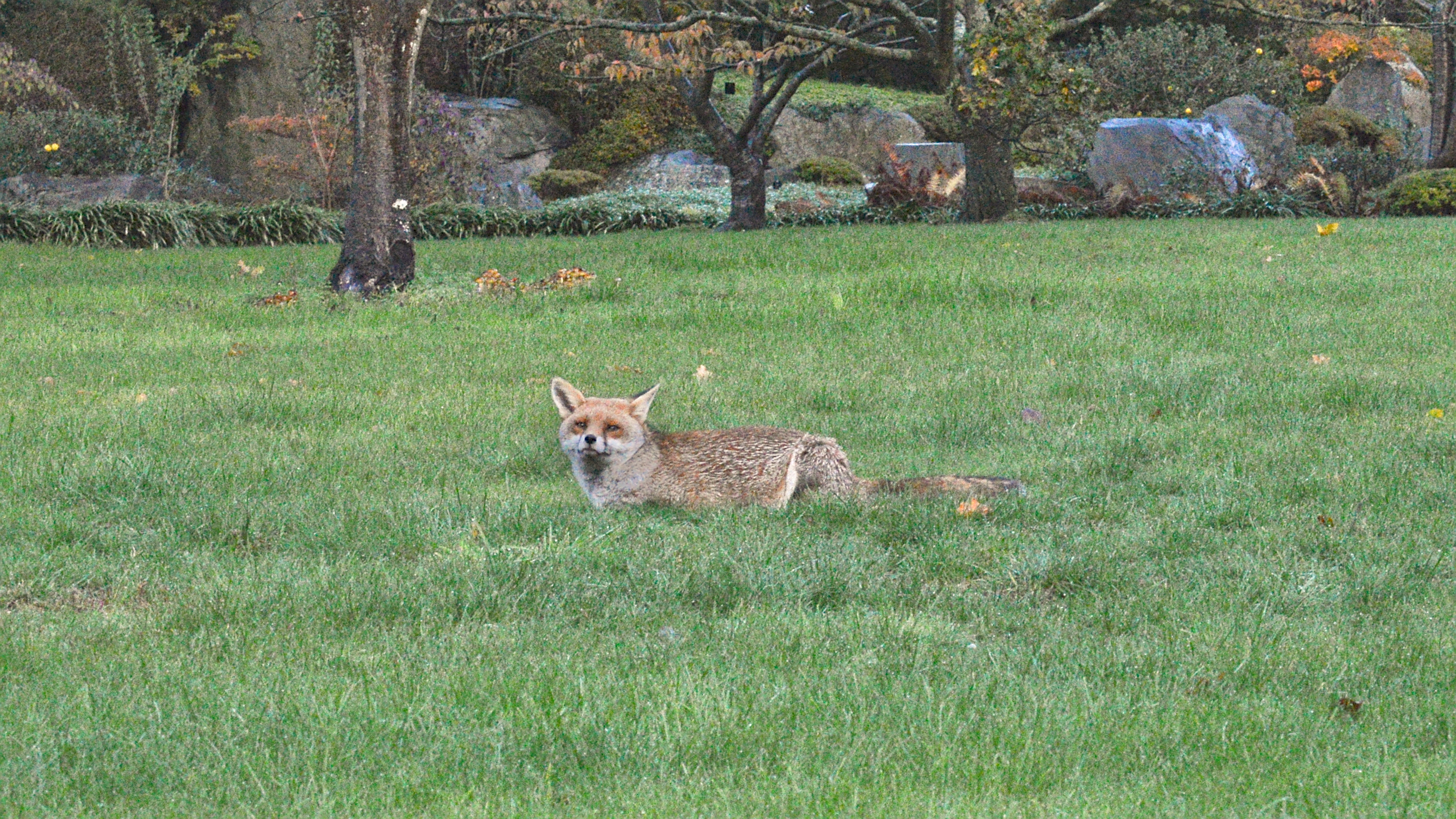
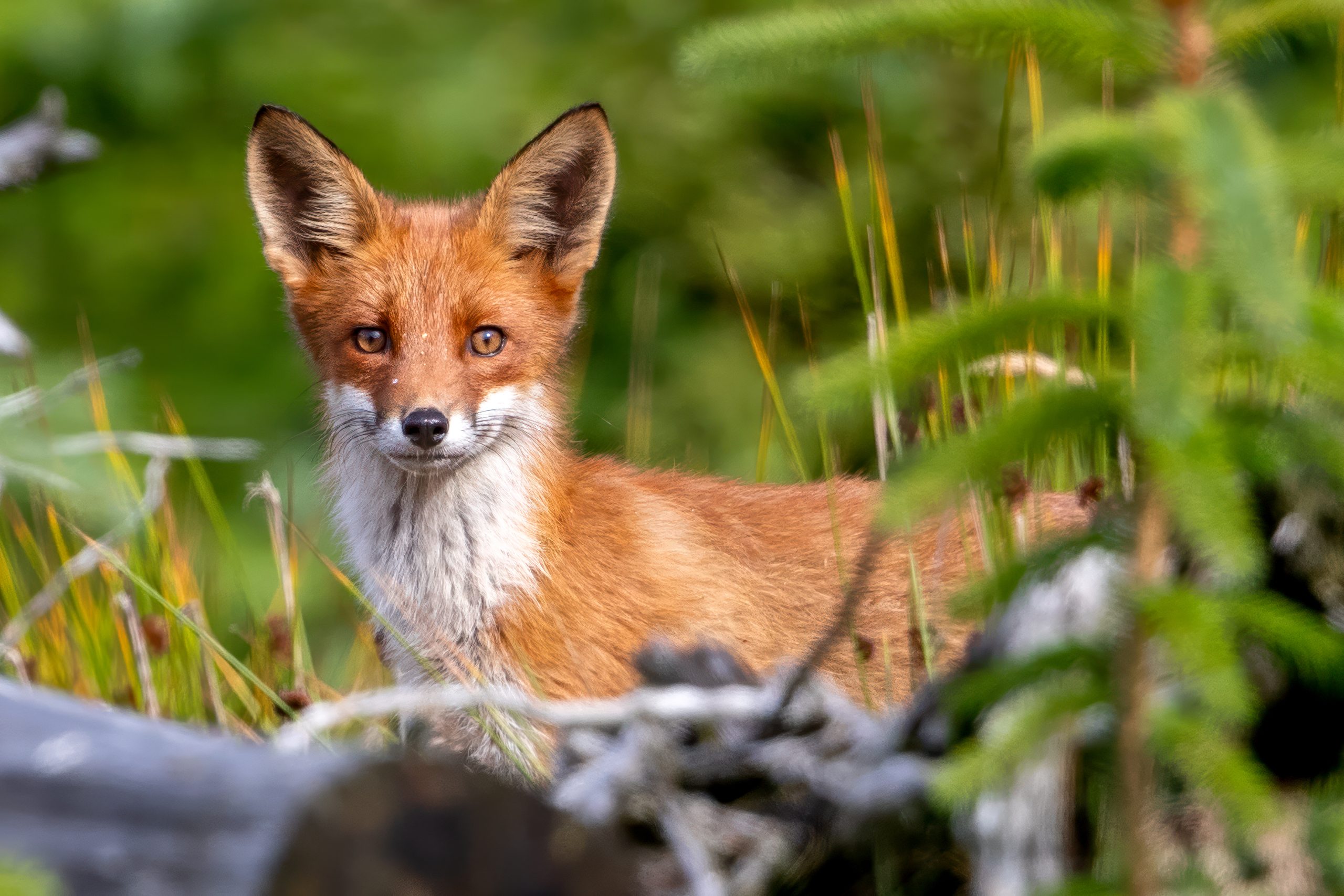
A study first published in 2026 found widespread exposure to second-generation anticoagulant rodenticides in red foxes (Vulpes vulpes) sampled in England. These rodent poisons disrupt the vitamin-K cycle and therefore blood clotting; foxes can be exposed indirectly when they eat contaminated rodent prey. Rodenticides were detected in 90% of 181 fox liver samples collected between 2013 and 2020.
The researchers screened liver tissue from 181 red foxes and 100 European hedgehogs (Erinaceus europaeus) using liquid chromatography–tandem mass spectrometry, a laboratory method that separates and identifies very small amounts of chemical residues. Anticoagulant rodenticides were also detected in 62% of hedgehog samples. Among all animals with detectable anticoagulants, 83% contained more than one compound, consistent with repeated or cumulative exposure.
High residues indicate concern, not a diagnosis of poisoning
For red foxes, 64% of samples contained summed anticoagulant concentrations above 100 ng/g, a reference value commonly used in stewardship monitoring and as an indicator of potential poisoning. The threshold is not diagnostic by itself: sensitivity differs among species, toxic effects may occur below it, and wildlife poisoning is normally assessed from residues together with signs such as haemorrhage. The study therefore demonstrates widespread exposure but does not show that 64% of the sampled foxes were clinically poisoned. It found no significant association between fox exposure and geographical region or sex.
No clear reduction after the stewardship scheme
The authors found no evidence within their convenience sample that overall second-generation anticoagulant exposure had declined following the introduction of the UK rodenticide stewardship scheme in 2016. Brodifacoum was actually more likely to be detected in samples collected after the scheme began, but the opportunistic sample design means this cannot be attributed to the scheme itself. The authors conclude that exposure remains widespread in non-target British mammals and support more structured monitoring.
Threats
Related news
Similar Mammal Diversity, Different Activity Patterns in Grazed and Ungrazed Areas
Camera traps in four northern Israeli reserves found similar numbers of mammal species with and without livestock grazing.…
Read story →
Wolf Kills Provided Plenty of Food for Red Foxes
Red foxes visited all 26 wolf-killed red deer monitored in Stelvio National Park. The amount of meat left…
Read story →
Red Foxes and Stone Martens Share Places at Different Times
Red foxes and stone martens often used the same sites in central Spain. Their daily activity differed more…
Read story →SPECIES IN THIS STORY
Species in this story
Independent research and conservation news archive
Did you find this information useful?
Wildlife Vagabond is independently built and maintained. Voluntary support helps cover source verification, hosting and continued work on research and conservation news.
Support Wildlife VagabondThe news archive will remain freely available.