
National Model Mapped Highest Sambar Relative Abundance in the NSW and Victorian High Country
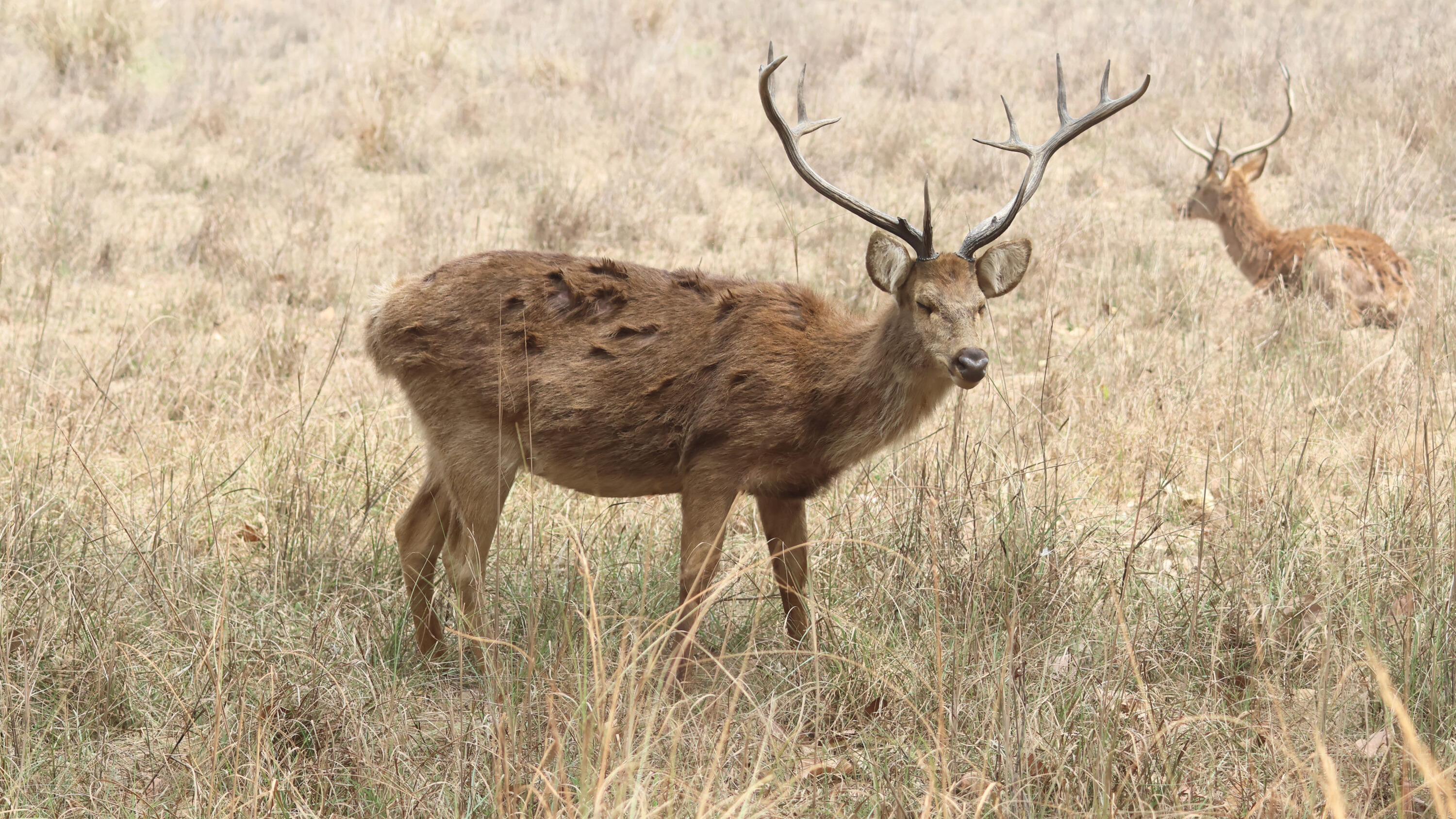
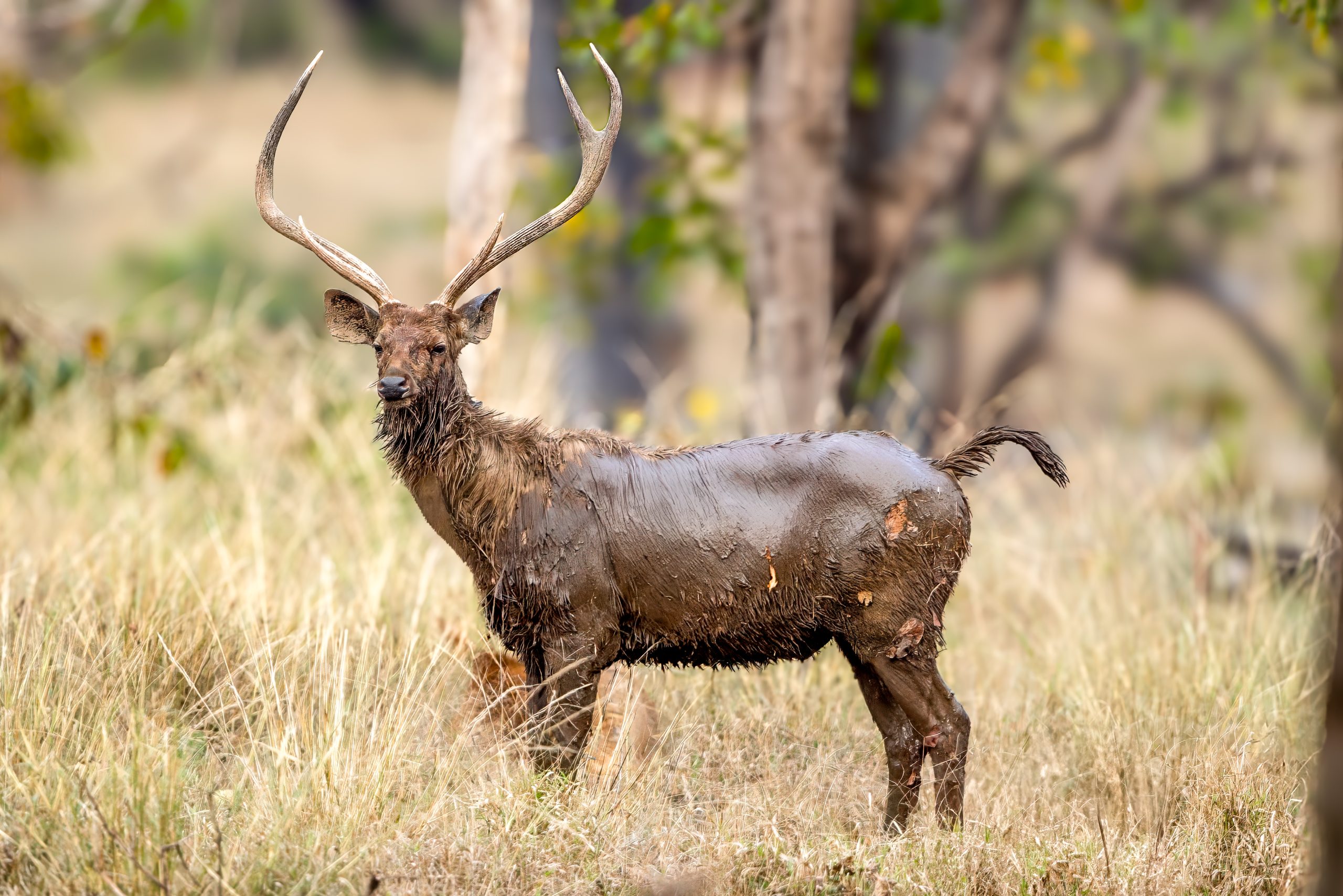
An Australian Government spatial dataset released in April 2026 provides a new national model and map of the relative abundance of sambar (Rusa unicolor) across mainland Australia. The model places the highest relative abundance through the high country of New South Wales and Victoria and in eastern Victoria, with smaller populations modelled elsewhere in those two states.
ABARES and CSIRO built the model on a 5 × 5 km grid. Some records simply marked places where sambar had been reported, while camera traps provided locations both with and without detections. The model combined these records with seven environmental variables, including temperature, distance to water, forest cover, elevation, terrain ruggedness, rainfall seasonality and distance from known population origins. It also allowed nearby cells to share unexplained spatial patterns, reflecting the fact that deer distribution can remain clustered because of dispersal limits or management history.
The map shows relative abundance, not deer numbers
The values are relative, not estimates of the true number of deer in each cell. A higher value means the model expects more sambar relative to a cell with a lower value, but it cannot be converted directly into a deer count. The scale is also specific to this sambar model and cannot be compared numerically with the separate fallow-deer relative-abundance map. The agencies describe the dataset as a broad-scale estimate and caution against using it to plan local control or monitoring. Sampling was uneven, animals can go undetected, and recent eradication, suppression, range expansion or releases may not yet be reflected in the records. The source gives South Australia as a concrete warning: the model assigns low relative abundance to some areas because habitat and proximity to historical Victorian populations make them plausible, even though sambar is currently not established in the state. The agencies also note that some rusa–sambar hybrids could have entered the data as sambar because field identification is based largely on appearance.
The model provides a nationally consistent distribution picture
The dataset was produced through the National Vertebrate Pests and Weeds Distribution Project to provide a nationally consistent picture of an introduced deer whose distribution data have previously been assembled by different jurisdictions and methods. The release also includes a national occurrence dataset for all six feral deer species established in Australia.
Population & status
Related news
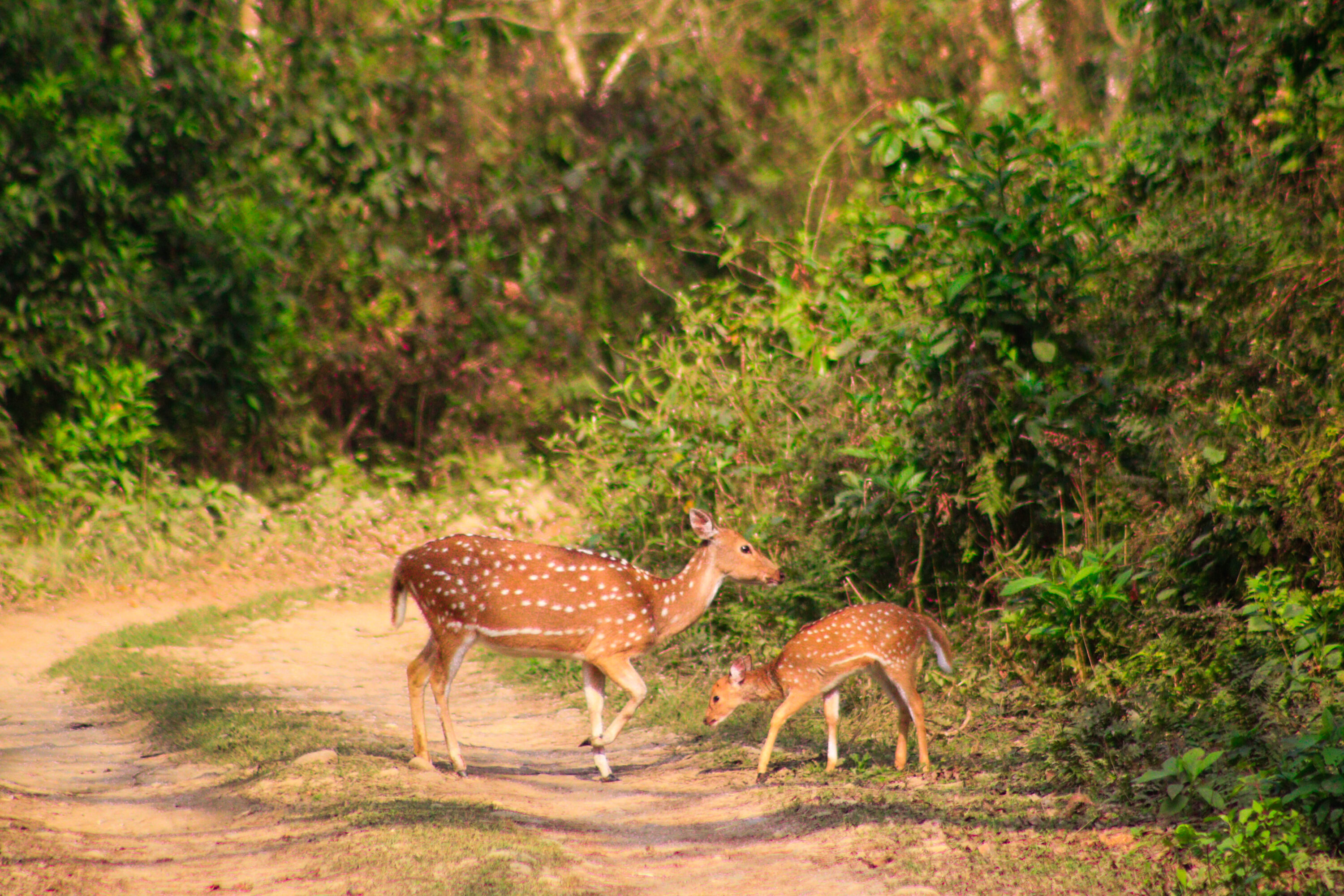
Human Activity and Large Wildlife Overlapped Most in Chitwan’s Buffer Zone
Camera traps across Chitwan National Park and surrounding forests showed the greatest overlap of human activity with large…
Read story →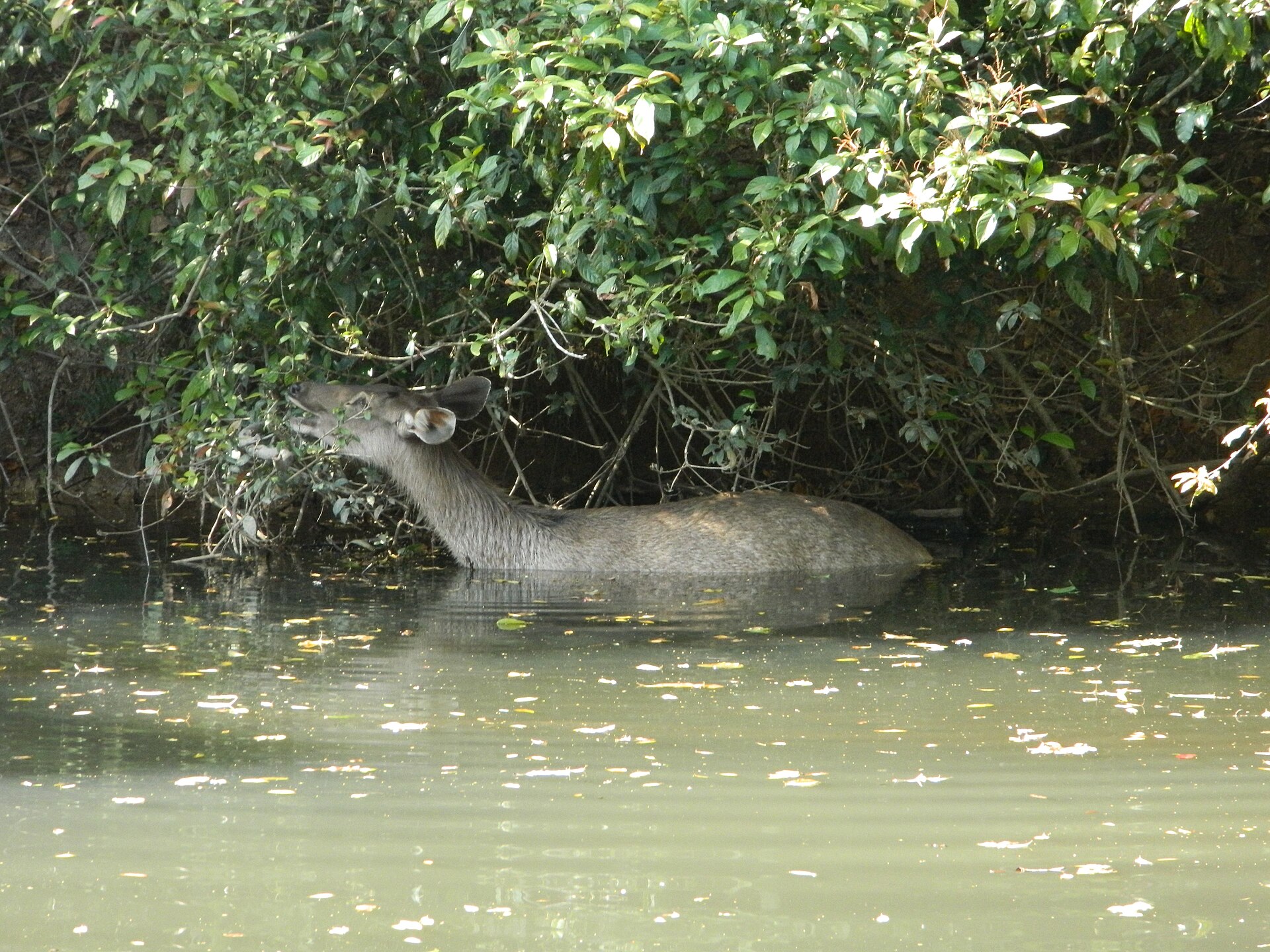
DNA in Droppings Reveals Individual Sambar – but DNA Traces Degrade Quickly in Nature
Droppings could allow researchers to monitor sambar populations without capturing the animals. An Australian experiment shows that the…
Read story →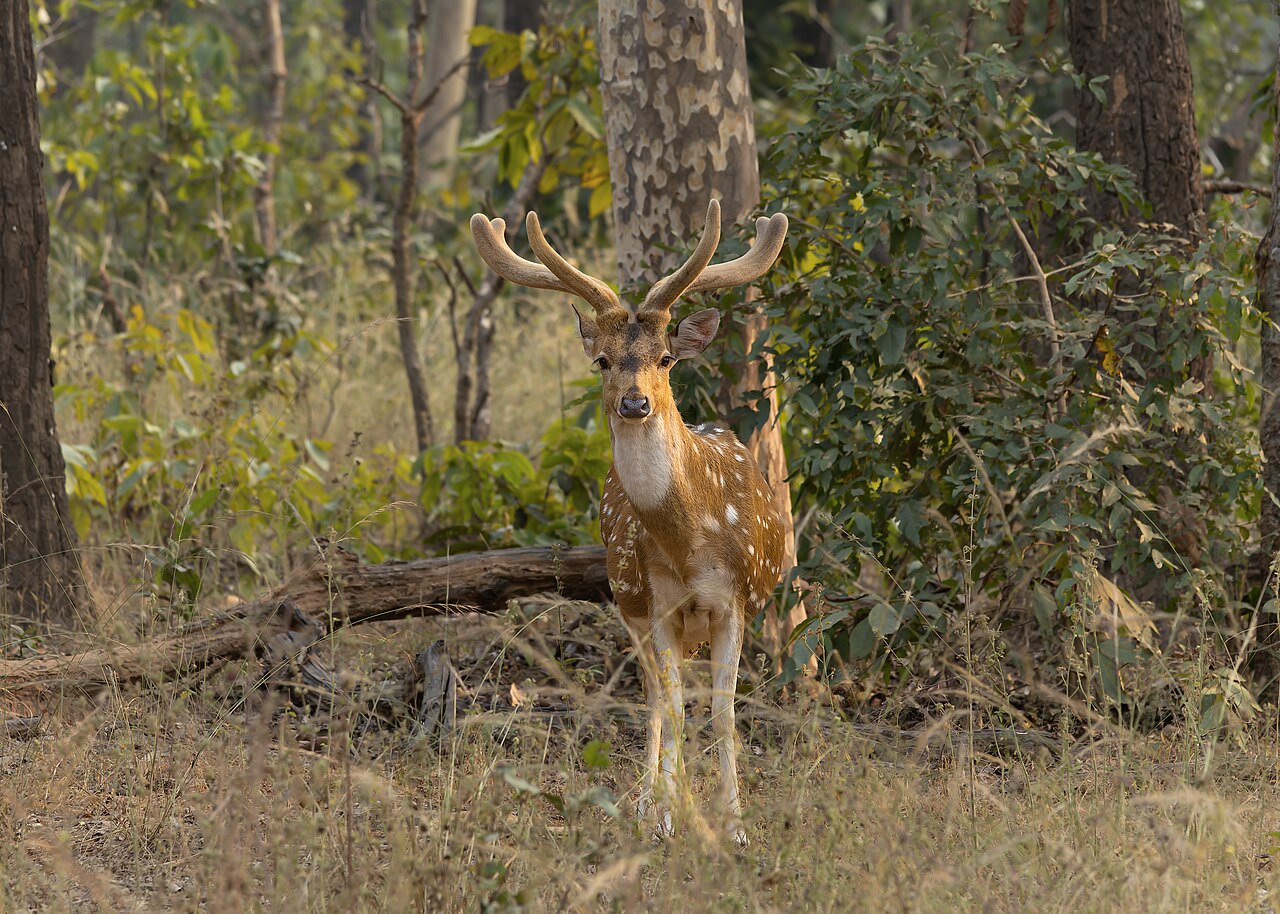
How Deer and Gaur Share Kanha’s Food Supply
In India’s Kanha National Park, Sambar and Gaur ate much the same food in winter but found it…
Read story →SPECIES IN THIS STORY
Species in this story
Independent research and conservation news archive
Did you find this information useful?
Wildlife Vagabond is independently built and maintained. Voluntary support helps cover source verification, hosting and continued work on research and conservation news.
Support Wildlife VagabondThe news archive will remain freely available.