
Habitat Disturbance Shifted Azores Woodpigeon Diets Toward Exotic Plants
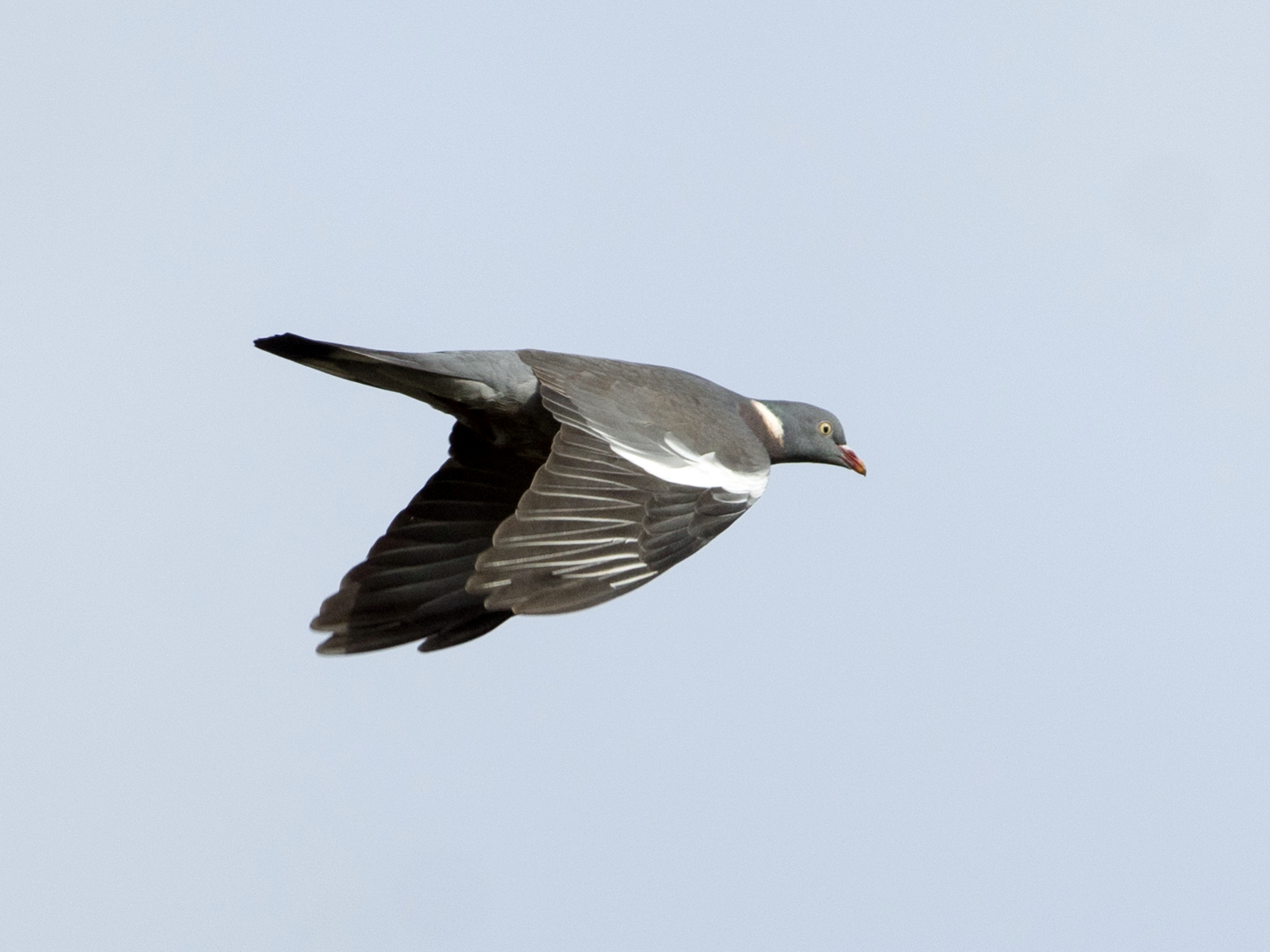
The endemic Azores woodpigeon (Columba palumbus azorica) changes its diet markedly with season and landscape structure, according to a study published on 9 June 2026. DNA metabarcoding of faecal samples from two Azorean islands detected 159 plant taxa and showed that disturbed landscapes were associated with a stronger shift from native toward exotic plants.
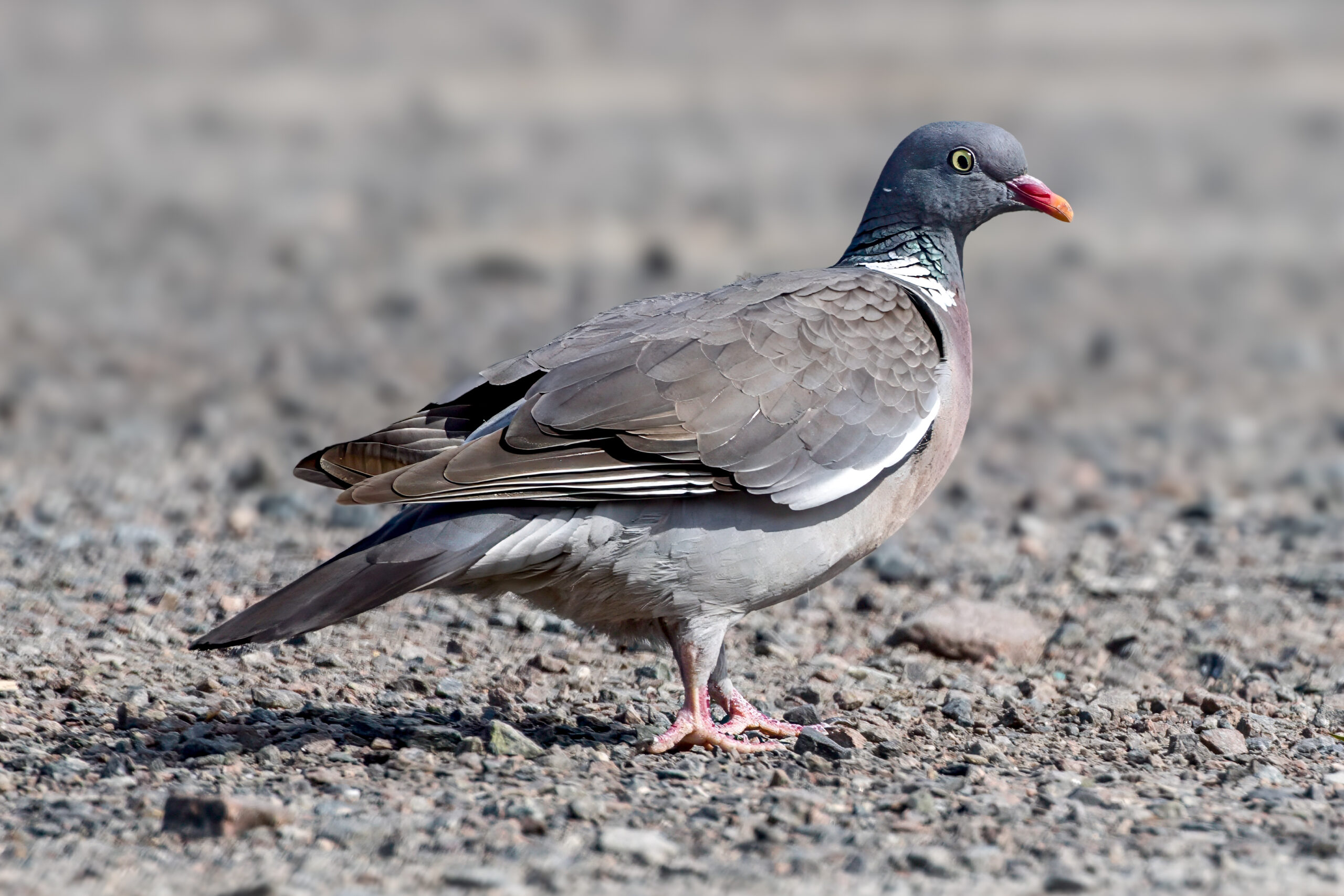
The Azores woodpigeon is an island subspecies of the common wood-pigeon and an important plant consumer and seed disperser. Much of the archipelago’s original vegetation has been transformed by agriculture, forestry and introduced plants, giving the birds a very different food landscape from the one in which the subspecies evolved.
DNA revealed a highly varied plant diet
Researchers analysed 450 faecal samples using DNA metabarcoding. Plant DNA fragments in each dropping were amplified and sequenced, then compared with reference sequences to identify which plant taxa had been eaten. The method is powerful for detecting dietary breadth and the presence of many food plants in mixed material, but DNA detections and sequence reads do not translate directly into the mass or energy contributed by each plant. The samples came from Pico and Terceira and allowed the team to compare diet among seasons and across landscapes with different vegetation structure and levels of disturbance.
In total, the researchers detected 159 plant taxa. Native plants remained an important part of the diet despite the near disappearance of pristine habitat, but exotic and cultivated plants were also eaten extensively. The authors interpret this broad use of introduced resources as evidence that natural food resources are limited in heavily altered landscapes.
Diet changed strongly through the year, particularly in relation to the seasonal availability of fruits and other plant foods. Differences between places were even more pronounced. Woodpigeons in simplified landscapes were more generalist — more plant taxa occurred across their diet — while increasing disturbance changed which types of plants were detected, with native taxa becoming less characteristic and exotic taxa more characteristic of the diet. This describes a shift in dietary composition and occurrence, not a measured percentage of food biomass replaced by exotic plants.
Flexible feeding can help the pigeons persist
The researchers describe the Azores woodpigeon as an opportunistic feeder with substantial trophic plasticity — the ability to change which foods it uses as resource availability changes. Being able to switch among food plants can help the birds persist when native resources vary between seasons or become scarce in modified landscapes.
The same flexibility can also alter the ecological role of the pigeons. Columbids are important seed dispersers on oceanic islands, and changing which plants they consume can change which seeds they move through the landscape. The authors therefore note that increased reliance on exotic plants may interfere with the regeneration of native habitats even while the flexible diet helps the birds themselves cope with environmental change.
Ecology
Related news
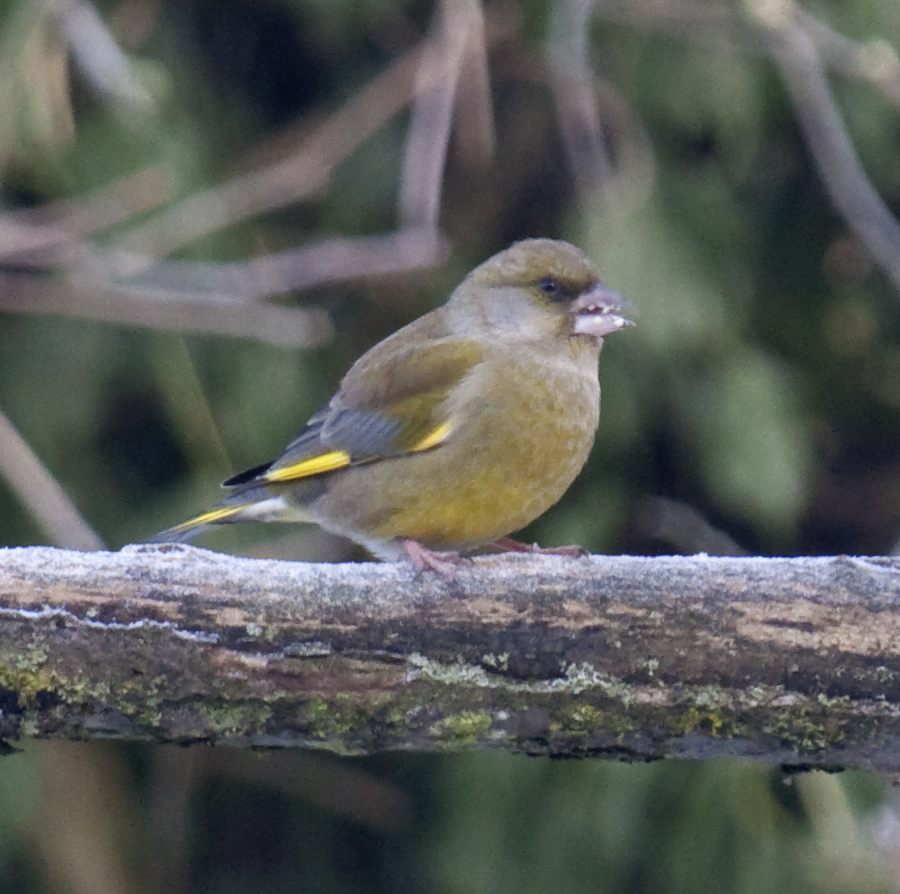
Type A Trichomonas Was More Than Twice as Prevalent in British Birds at Supplementary-fed Sites
Type A of the bird parasite Trichomonas gallinae was more than twice as prevalent in British birds at…
Read story →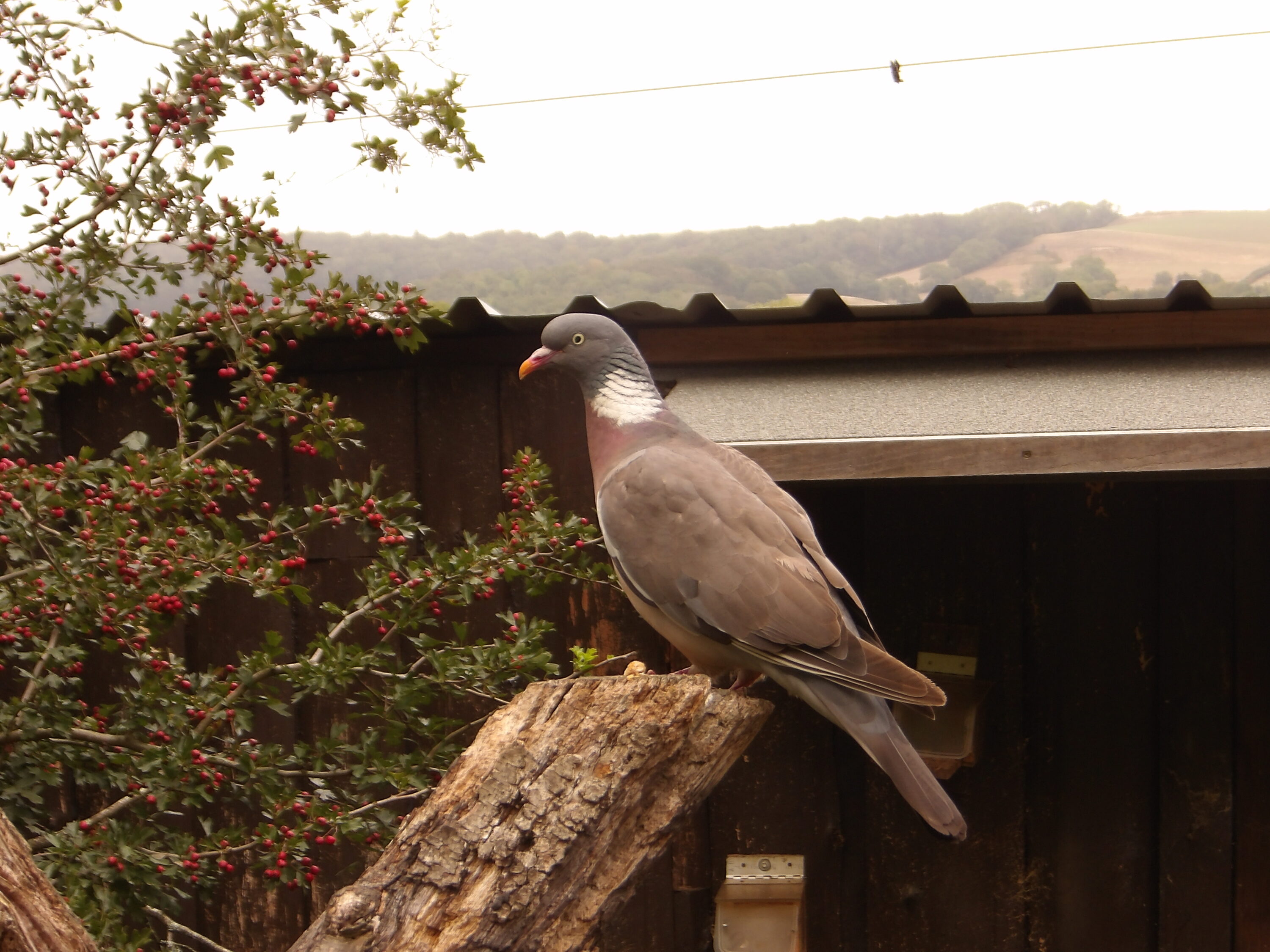
Rotavirus A Antibodies Were Common in Feral Pigeon Samples but Rare in Wood-Pigeon Samples in Germany
A German study detected rotavirus A-reactive antibodies in 79.2% of free-ranging feral pigeons and 77.0% of domestic pigeons,…
Read story →
Microscopic Hooklet Numbers Varied Across a Common Wood-Pigeon Flight Feather
Scanning electron microscopy of one ninth primary feather from an adult common wood-pigeon mapped hooklet numbers across 68…
Read story →SPECIES IN THIS STORY
Species in this story
Independent research and conservation news archive
Did you find this information useful?
Wildlife Vagabond is independently built and maintained. Voluntary support helps cover source verification, hosting and continued work on research and conservation news.
Support Wildlife VagabondThe news archive will remain freely available.