
About Ten Barn Swallow Pairs Used Replacement Nesting Structures at Goss Farm
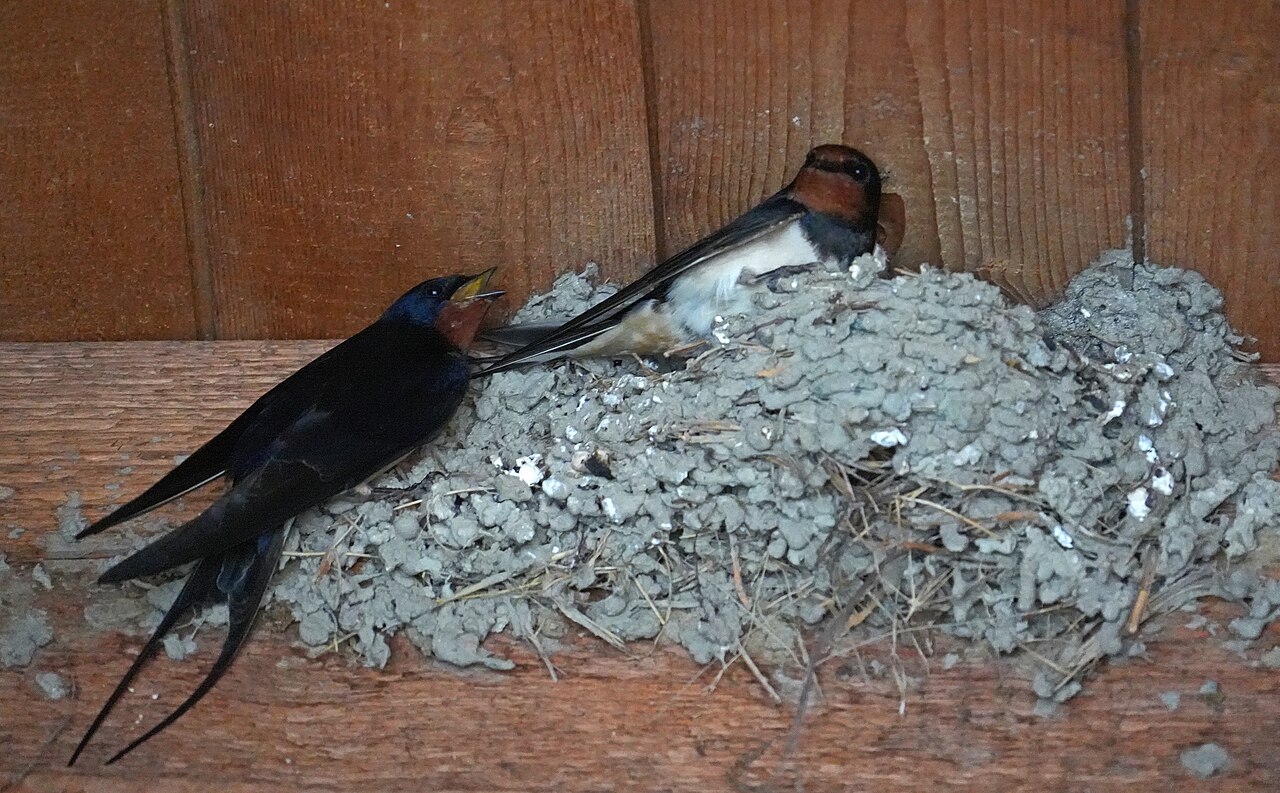
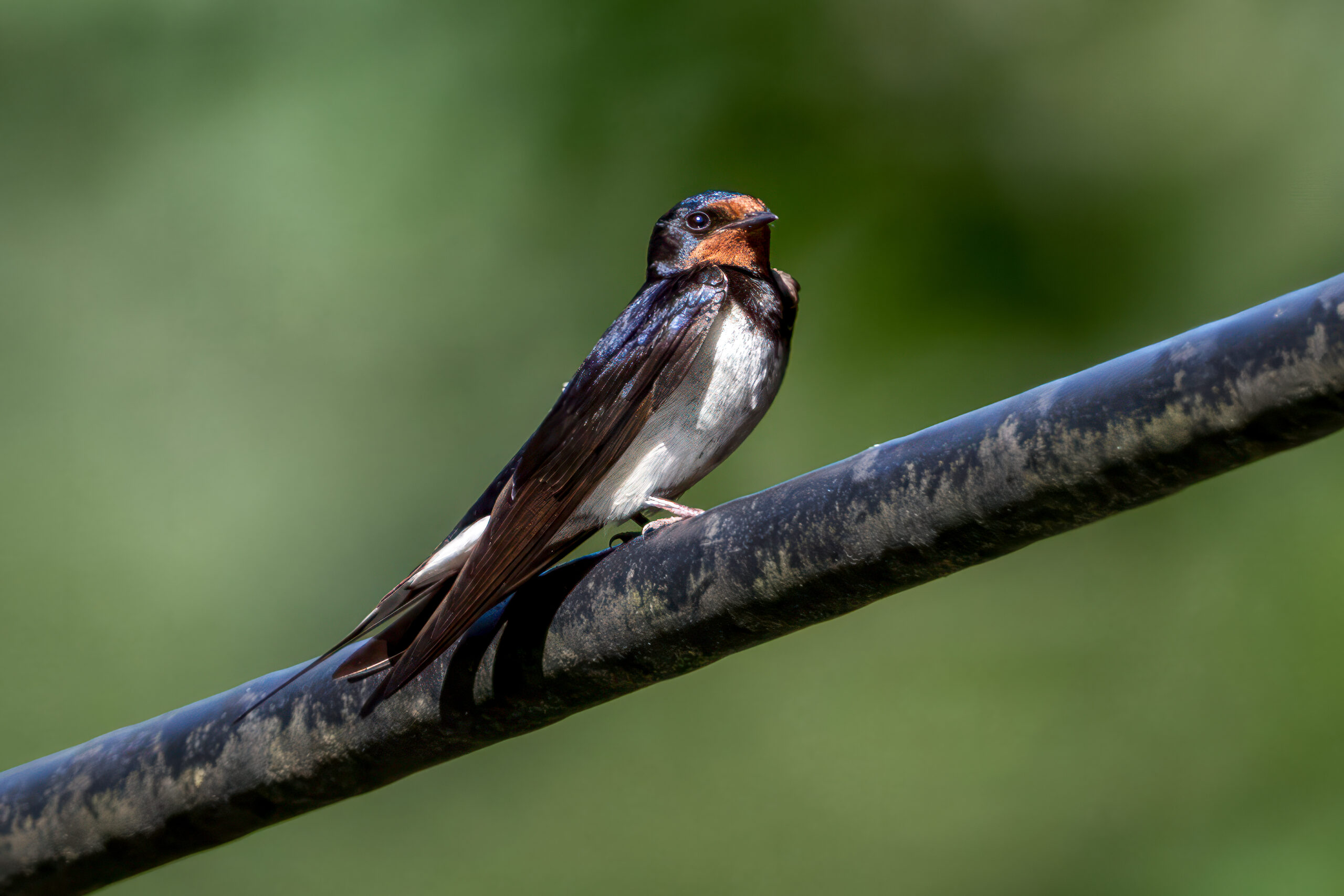
About ten pairs of barn swallows (Hirundo rustica) used replacement nesting structures at Goss Farm in Rye, New Hampshire, USA, after access to their traditional barn colony was closed for the 2026 breeding season. The barn had held an estimated 20–25 pairs for decades, and the new structures were erected as a mitigation measure.
The Rye Conservation Commission installed several designs, including a shed, open-sided pavilions, a smaller umbrella-shaped structure and open-fronted boxes. Wooden shelves, clay supports, artificial nest cups and old nests removed from the barn were added to provide possible nesting sites.
Monitoring from May to July documented ten nests associated with the new structures or the outside of the barn. One attempt was abandoned after five eggs were laid. The other nine first nesting attempts contained 45 eggs in total, and the report states that all were believed to have hatched and produced fledglings. Three later nesting attempts were also recorded; one failed, while the other two were estimated to have produced eight fledglings.
The report describes use by about ten pairs as an encouraging first-year result, but it does not show that the replacement structures fully compensated for the loss of the barn. Because there was no systematic monitoring before the closure, the overall effect on the colony cannot be measured. The author recommends multi-year monitoring and small structural changes, including horizontal ledges beneath pavilion eaves where birds had attempted to build nests.
Management
Related news
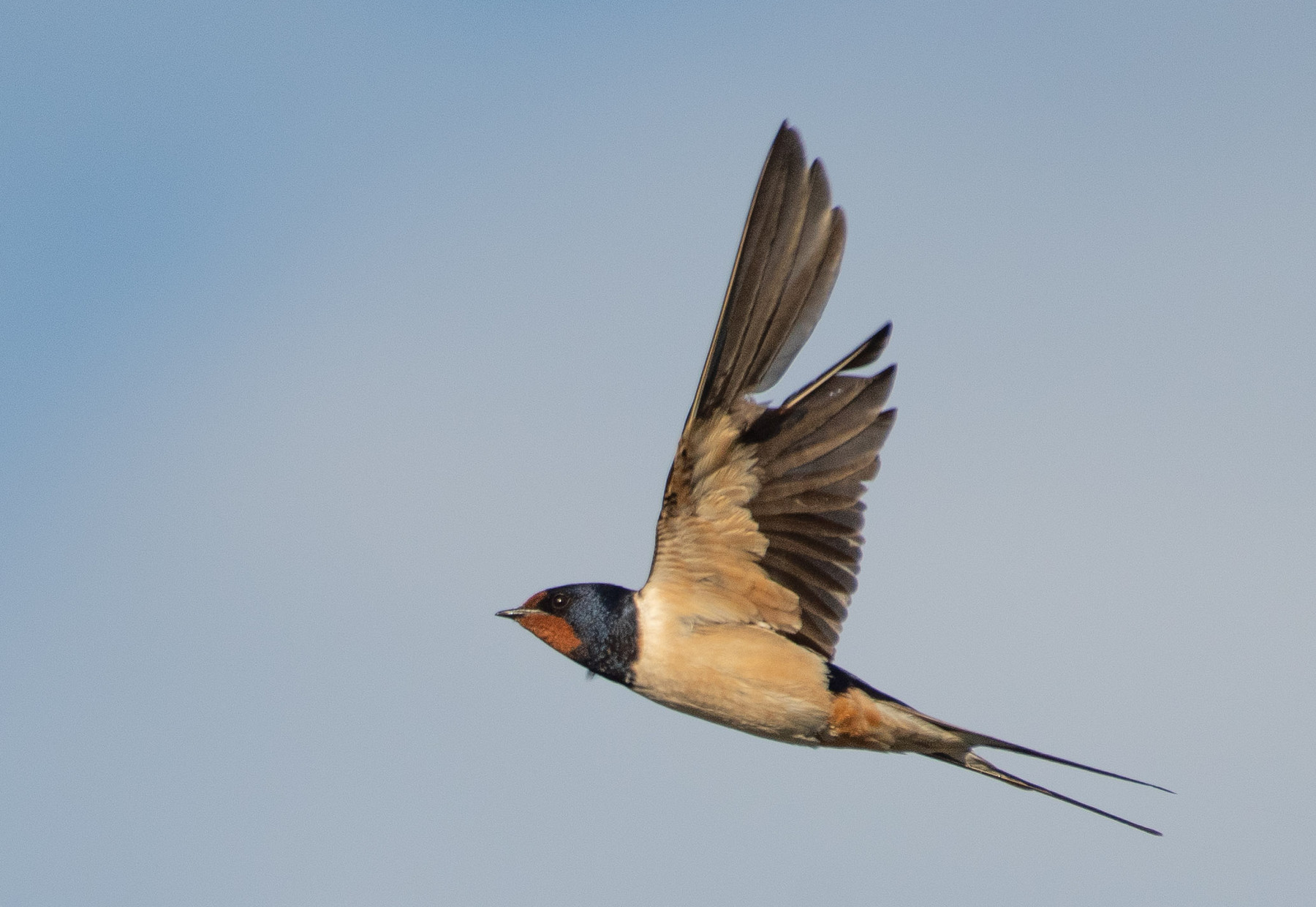
Usutu Virus RNA Was Found Nearly Three Times as Often as West Nile Virus RNA in Southern France
Among 2,533 wild birds from 69 species in southern France, Usutu virus RNA was detected in 12.0% and…
Read story →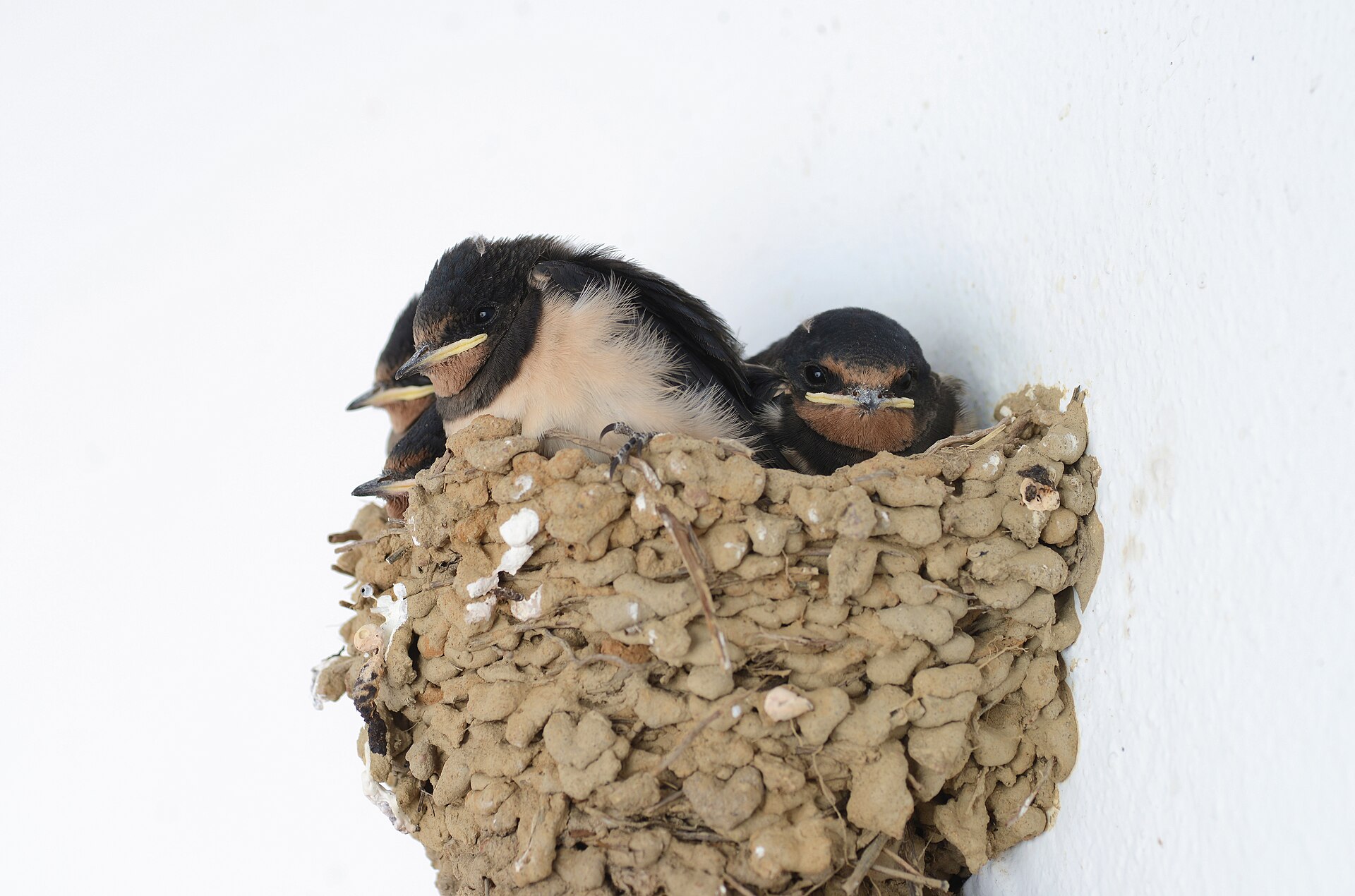
Larger Broods and Older Social Fathers Were Linked to Shorter Telomeres in Male Barn Swallow Nestlings
A long-term study near Milan found shorter telomeres in male barn swallow nestlings from larger broods or with…
Read story →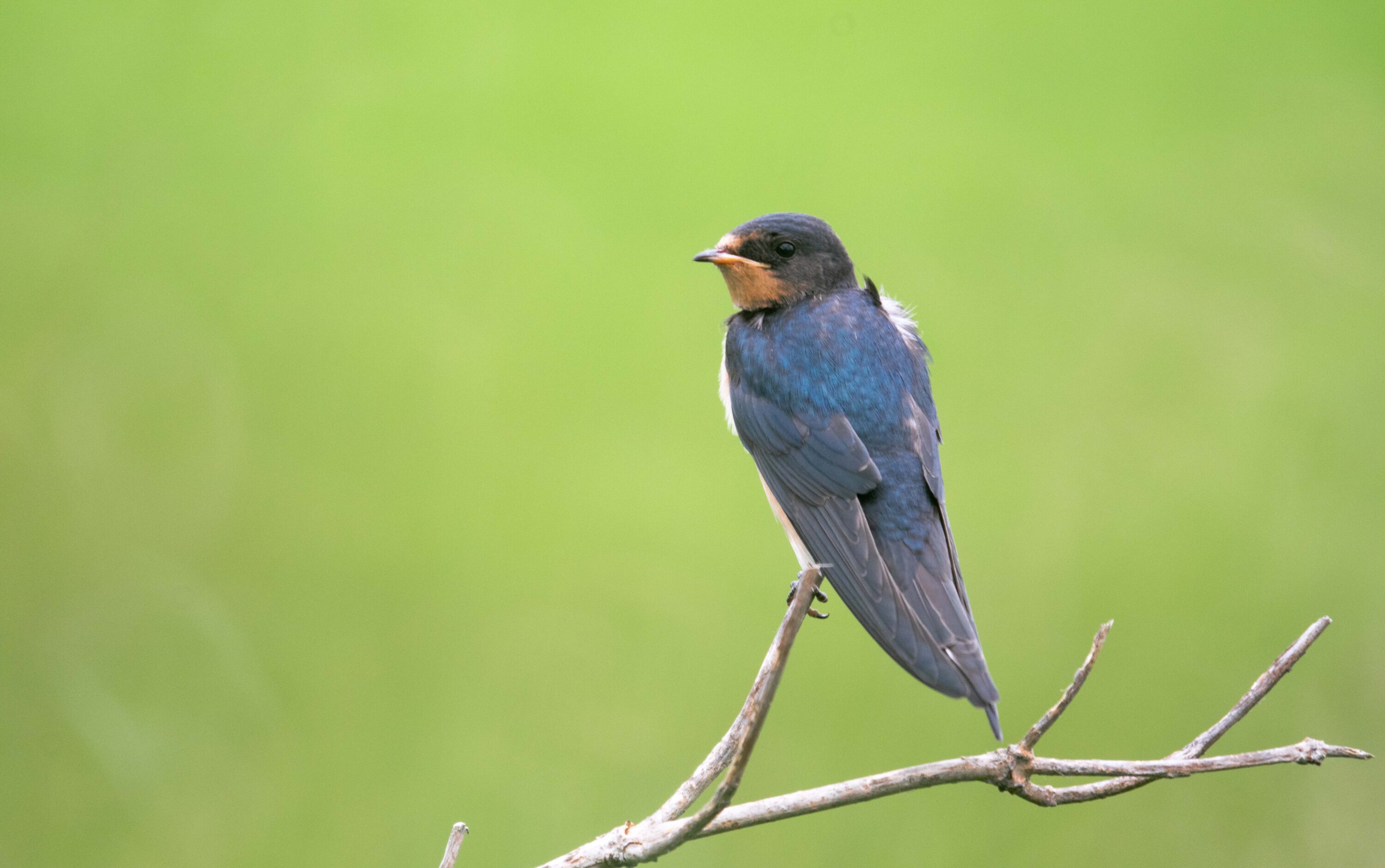
Mitochondrial DNA Reveals a More Complex Evolutionary History of Barn Swallows
A study of 580 complete barn swallow mitochondrial genomes found five major maternal lineages, including a newly recognised…
Read story →SPECIES IN THIS STORY
Species in this story
Independent research and conservation news archive
Did you find this information useful?
Wildlife Vagabond is independently built and maintained. Voluntary support helps cover source verification, hosting and continued work on research and conservation news.
Support Wildlife VagabondThe news archive will remain freely available.