
Seven Examined Black Drongo Nests Averaged 4.97 m High, Versus 4.50 m for Seven Long-tailed Shrike Nests
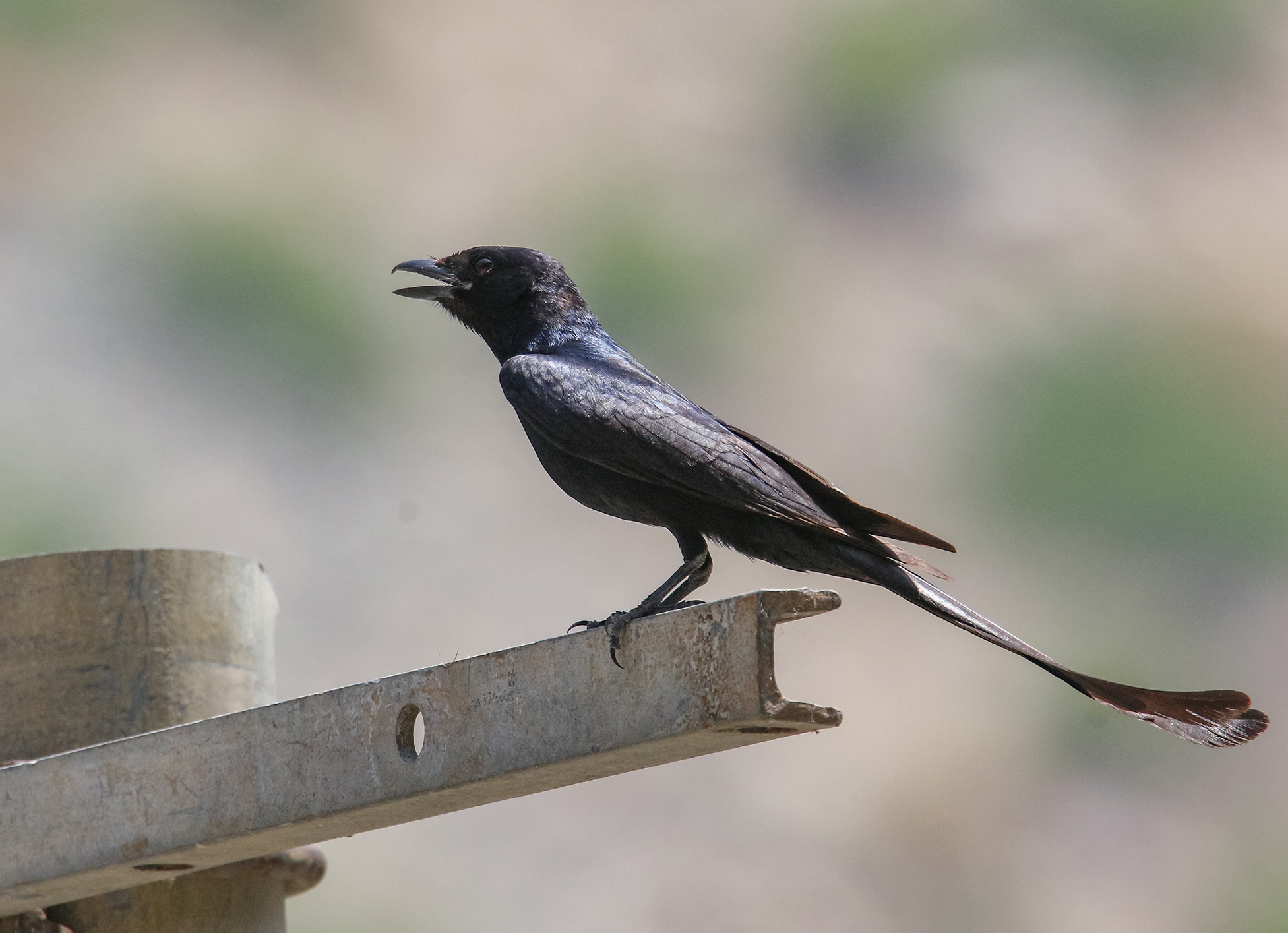
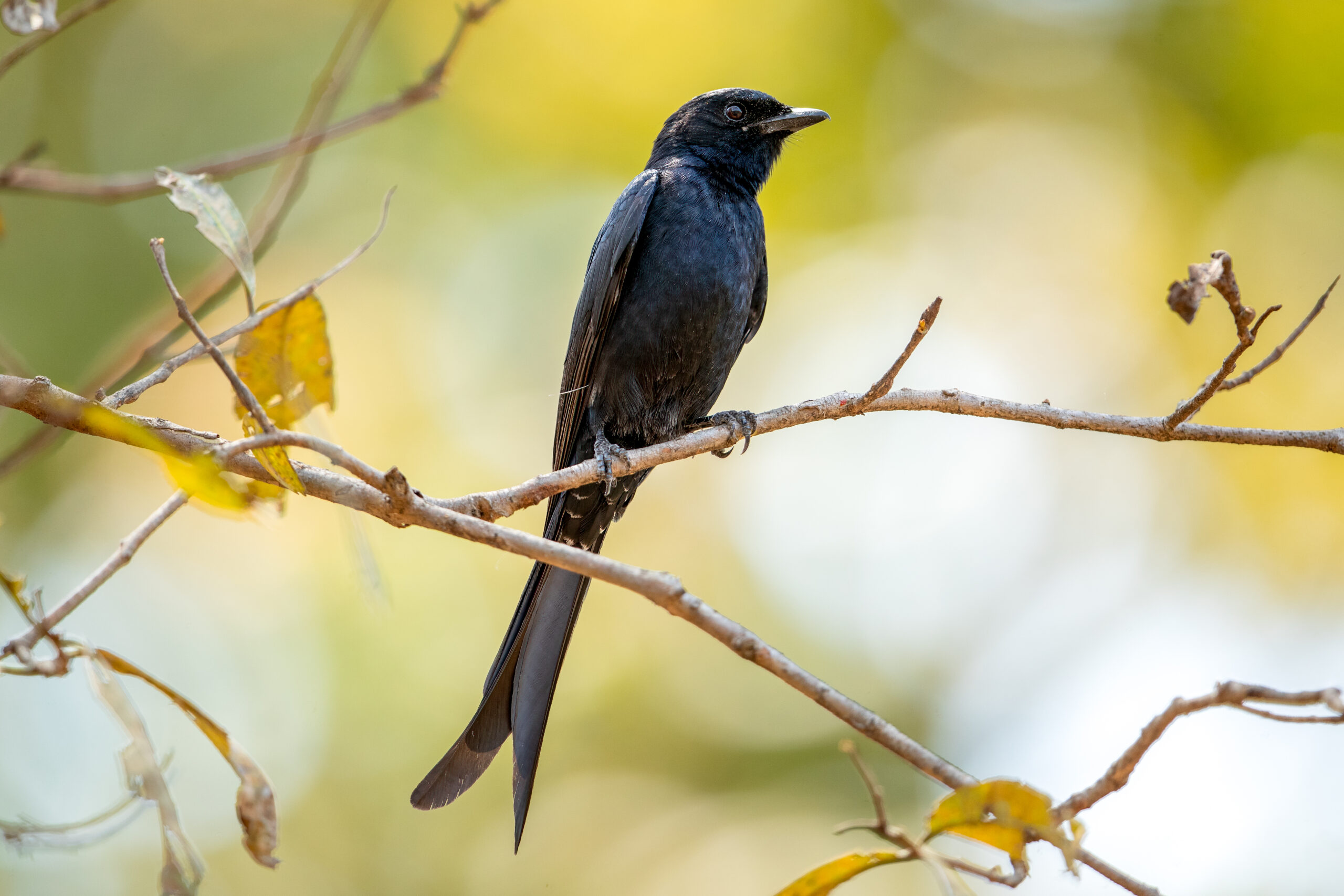
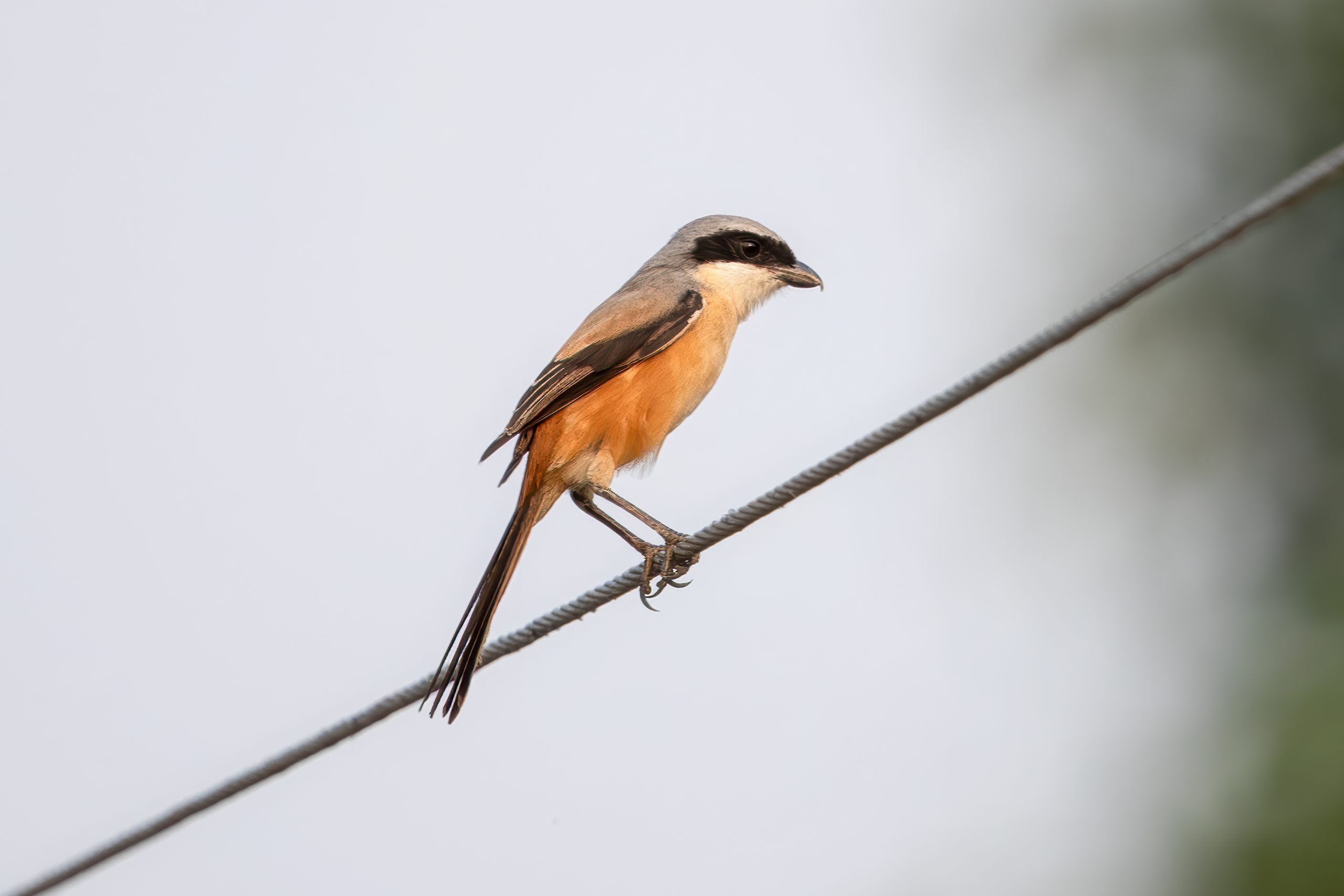
A field study in District Dir Lower, Khyber Pakhtunkhwa, Pakistan, compared nesting characteristics and relative abundance of Black Drongo (Dicrurus macrocercus) and Long-tailed Shrike (Lanius schach). In the detailed nest sample, seven vacated Black Drongo nests averaged 4.97 m above ground, compared with 4.50 m for seven Long-tailed Shrike nests.
The nest sample was deliberately small and selective. Only intact, vacated and accessible nests were chosen after breeding, so the height difference describes these fourteen nests and does not demonstrate a general species-wide difference.
Both species built mainly with grasses and twigs
Grasses and twigs dominated the material in both sets of nests. Grasses made up about 47% of the material items from Black Drongo nests and 50% from Long-tailed Shrike nests, with twigs the next most common component.
The seven nests of each species were found in seven different tree species. Because accessibility determined which vacated nests could be examined, the study cannot establish preferred nesting-tree species or test whether one bird normally nests higher than the other.
More active Long-tailed Shrike nests were recorded across all seven tehsils
Active nests recorded during repeated field surveys formed a larger dataset than the fourteen structurally examined nests. In every one of the seven surveyed tehsils, more active Long-tailed Shrike nests were recorded than Black Drongo nests. Lal Qalla had the highest active-nest count for both species.
These are field-survey counts, not breeding-density estimates corrected for how easily nests were detected. They show what the repeated transects recorded rather than the exact number of breeding pairs present.
Open fields produced the highest habitat counts for both species
Repeated transect surveys also compared observations across habitat categories. The highest habitat-specific counts for both species occurred in open fields, but the overall habitat-wise relative abundance did not differ clearly between Black Drongo and Long-tailed Shrike. Locality-wise abundance likewise showed no clear species difference.
The study therefore provides descriptive baseline information rather than a test of habitat preference. It did not measure habitat availability, food abundance, predator pressure or detection probability, so larger and more representative samples would be needed to determine whether the observed nest-height and distribution patterns reflect general ecological differences between the species.
Ecology
Related news
Toxoplasma Antibodies Found in 14 of 35 Wild Bird Species Sampled Around Lahore
A study published in 2026 detected antibodies against Toxoplasma gondii in 18 of 176 wild birds around Lahore,…
Read story →
114,357 ha of Taiwan Farmland Was Modelled as Suitable for Four Bird Species
Suitable habitat for black drongo, common moorhen, zitting cisticola and scaly-breasted munia overlapped across 114,357 hectares of Taiwan…
Read story →
Long-tailed Shrike Photographed Raising a Cuckoo Chick in Bandhavgarh
A black-headed long-tailed shrike was photographed feeding a cuckoo chick with insects over three days in Bandhavgarh Tiger…
Read story →SPECIES IN THIS STORY
Species in this story
Independent research and conservation news archive
Did you find this information useful?
Wildlife Vagabond is independently built and maintained. Voluntary support helps cover source verification, hosting and continued work on research and conservation news.
Support Wildlife VagabondThe news archive will remain freely available.