
Black Rhinos Changed Plant Preferences With the Seasons in Namibia
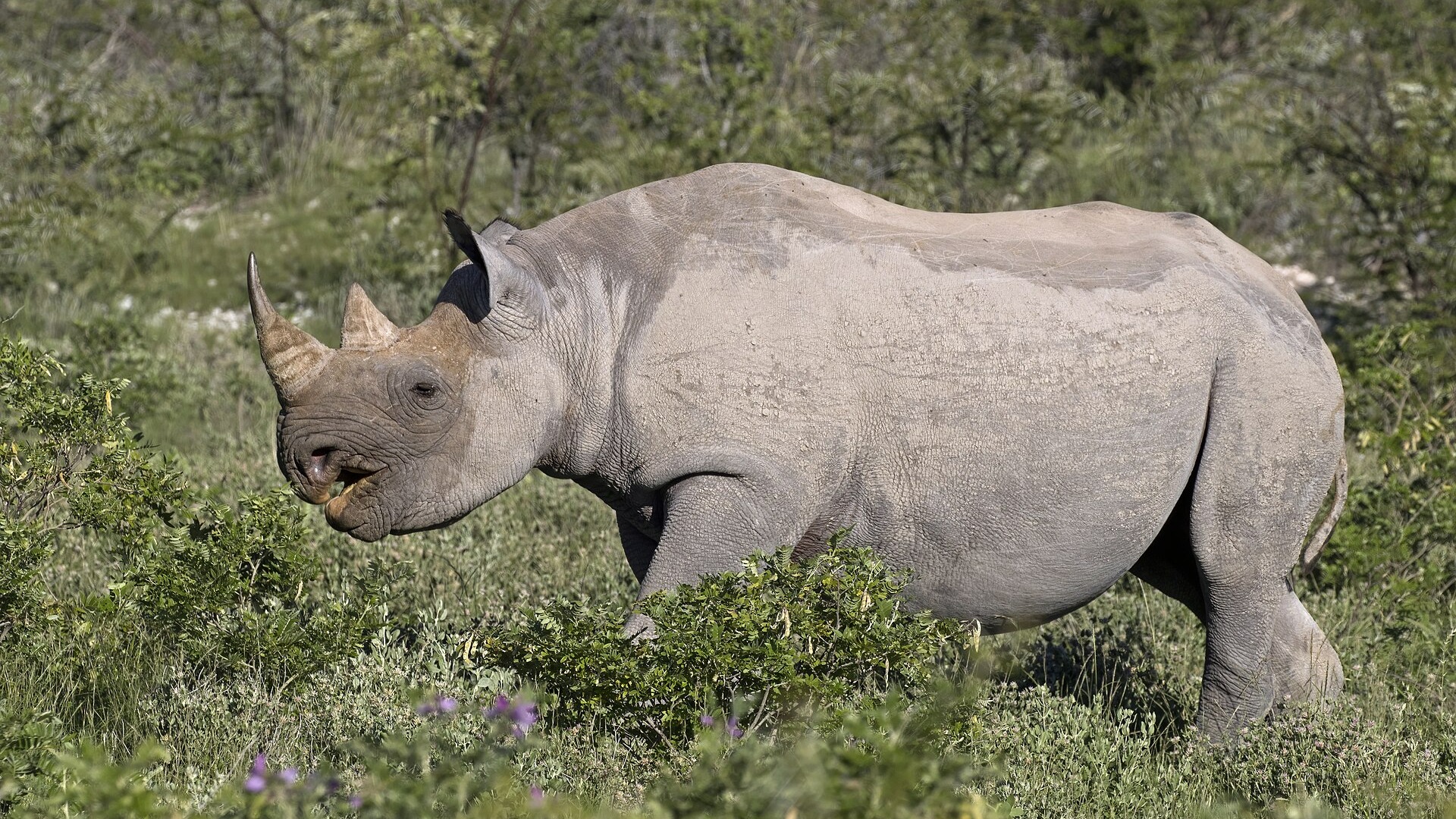
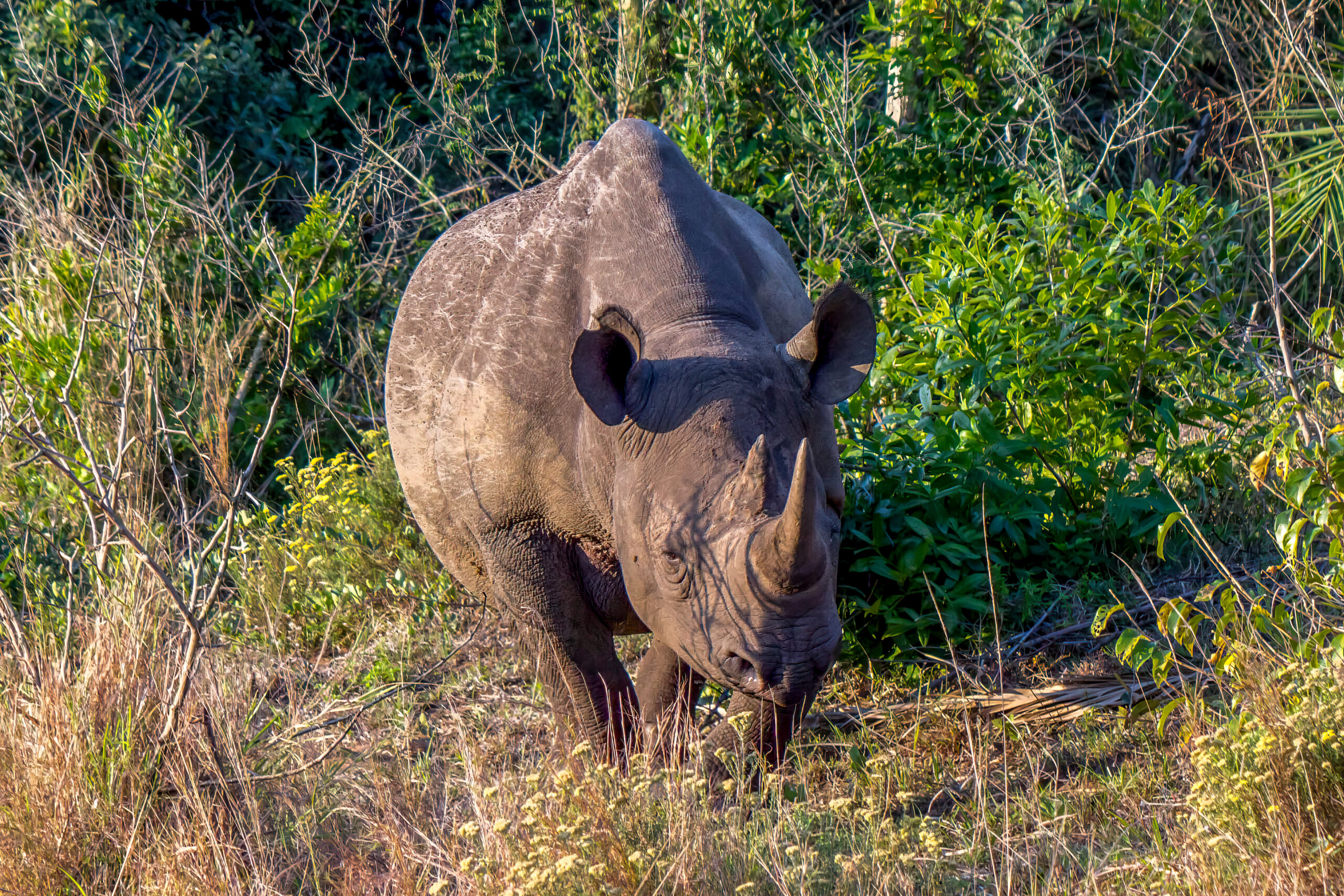
Free-ranging black rhinoceroses (Diceros bicornis) in a semi-arid Namibian reserve concentrated much of their browsing on a small group of plant species, even though many more were available. Their plant choices and bite sizes changed with the season, while feeding height remained comparatively stable.
Researchers followed 37 feeding paths in the approximately 300-km² fenced reserve in northern Namibia — 17 in the wet season and 20 in the dry season — and recorded the plants that had been browsed. The authors withheld the exact locality for security reasons. They identified the main food species in each season, compared use with availability and measured browsing height and the diameter of bitten stems.
A few woody plants supplied much of the diet
Across the year, Dichrostachys cinerea made up an estimated 31.9% of browsed dry matter, followed by Catophractes alexandri at 16.2% and Grewia bicolor at 11.3%. The seasonal shift was especially clear for D. cinerea, which contributed 47.2% in the wet season but 16.5% in the dry season. Mopane (Colophospermum mopane) increased from 1.8% to 15.0% between the wet and dry seasons.
Diet contribution was not the same as preference relative to availability. During the dry season, C. alexandri was selected preferentially, while mopane was avoided relative to how abundant it was, despite making up a substantial part of the diet. This illustrates why the researchers compared feeding records with browse availability rather than using diet composition alone.
Bite diameters were significantly larger in the dry season, increasing the proportion of tougher stem material relative to leaves. Feeding height, by contrast, did not change significantly with season: bites were most frequent just 0–25 cm above the ground, declined with height and were not recorded above 1.5 m.
The results support the view of black rhinos as selective browsers. Because some of the heavily used plants can increase during bush encroachment, the researchers also point to a possible role for rhino browsing in limiting dense woody growth.
Relevant to habitat capacity and reintroductions
Namibia holds more than 90% of the south-western subspecies examined in the study. Knowledge of its seasonal diet can help managers assess whether dryland reserves provide sufficient suitable browse, particularly in fenced areas where animals cannot move freely to alternative feeding grounds during drought.
The authors note that polyethylene glycol supplements supplied to reduce the effects of plant tannins may have influenced the observed choices. Tracking feeding paths was also difficult in rocky terrain, and the method may have underestimated the use of forbs and grass. They recommend complementary analysis of dung in future work.
The study was published in African Journal of Range & Forage Science on 17 March 2026.
Ecology
Related news
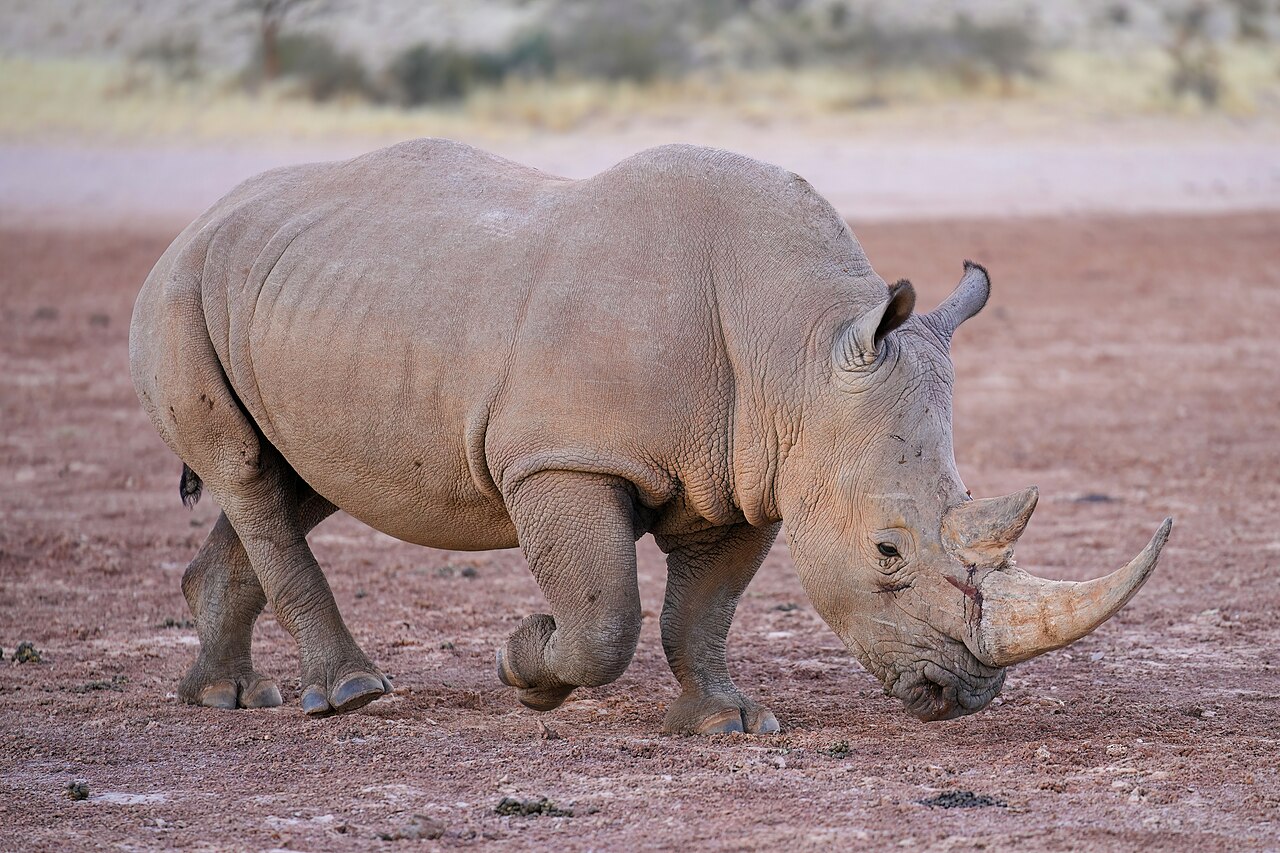
Vitamin D3 Was About Twice as High in Summer in Managed Black and White Rhinoceroses
Serum from 75 rhinoceroses at 27 U.S. institutions showed strong seasonal and geographical variation in 25-hydroxyvitamin D3, while…
Read story →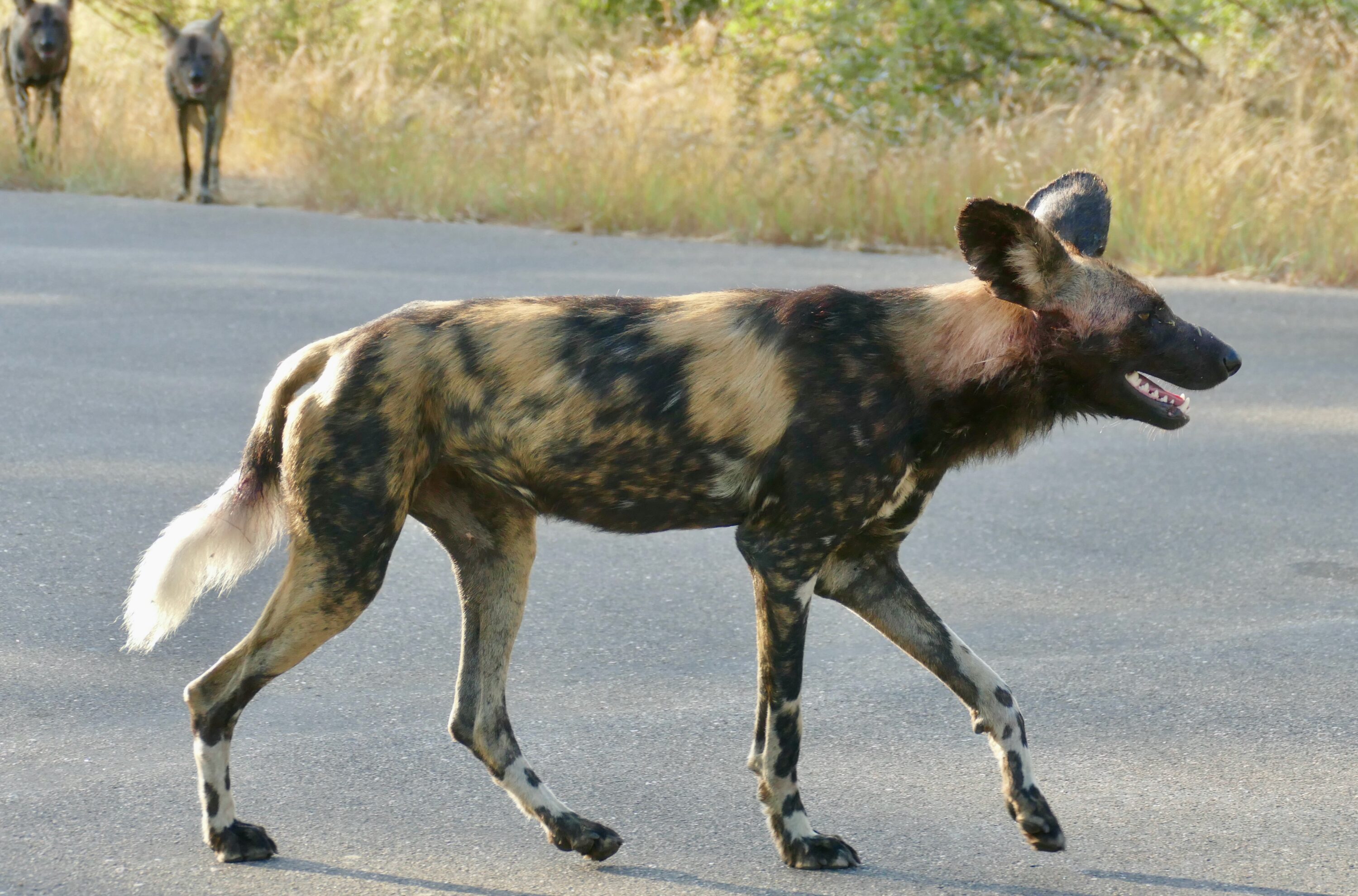
Food Leaves Its Mark on the Gut Bacteria of Kruger’s Wildlife
Gut bacteria in nine mammal species from Kruger National Park followed clear patterns linked to food and digestion.…
Read story →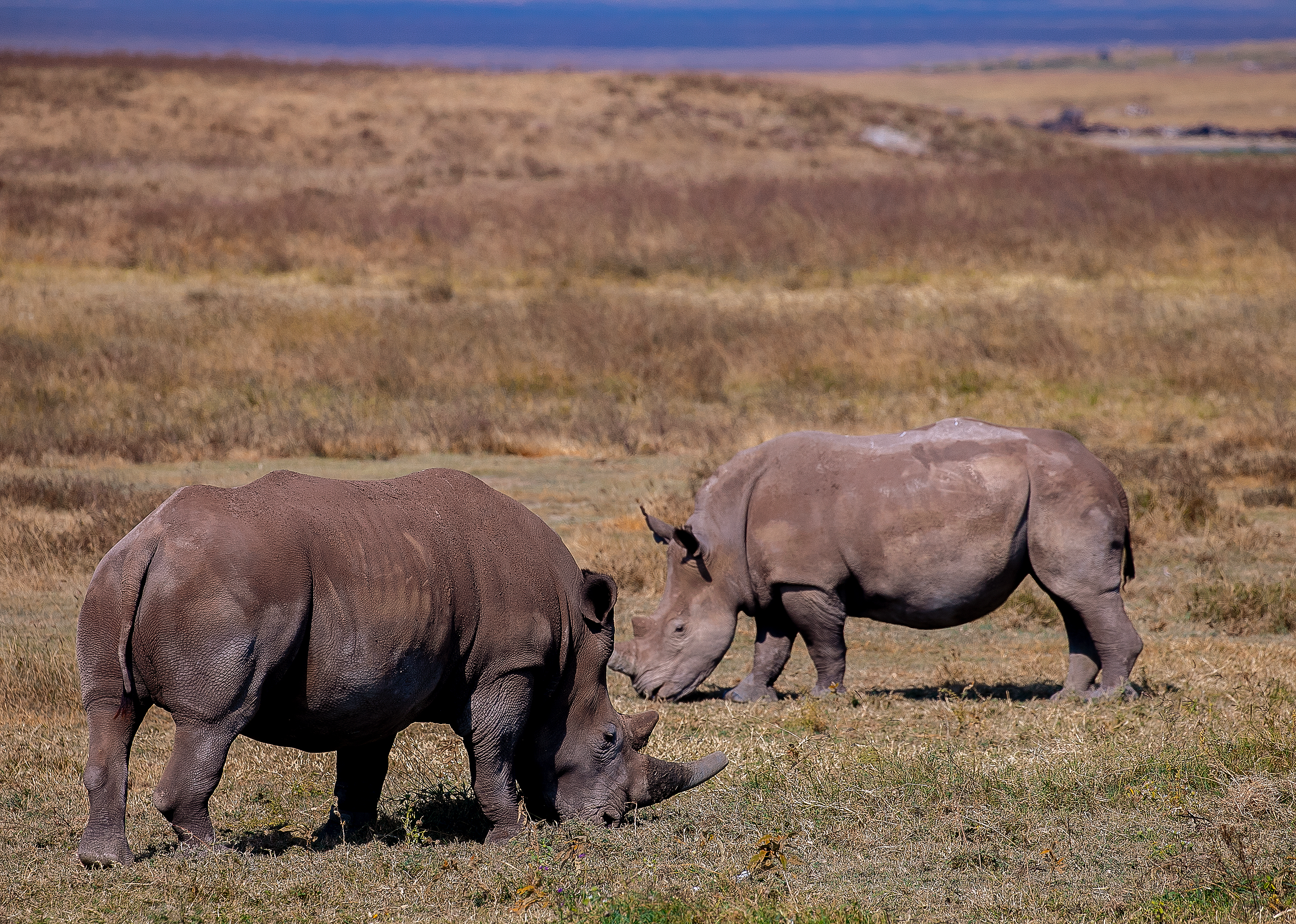
Rhinos Responded Differently to an Unfamiliar Basket
Black rhinos sniffed, snorted and retreated more often than white rhinos when an unfamiliar basket was placed in…
Read story →SPECIES IN THIS STORY
Species in this story
Independent research and conservation news archive
Did you find this information useful?
Wildlife Vagabond is independently built and maintained. Voluntary support helps cover source verification, hosting and continued work on research and conservation news.
Support Wildlife VagabondThe news archive will remain freely available.