
Broad-billed Hummingbirds Had About 60% Higher Protein Intake per Unit Metabolic Body Mass
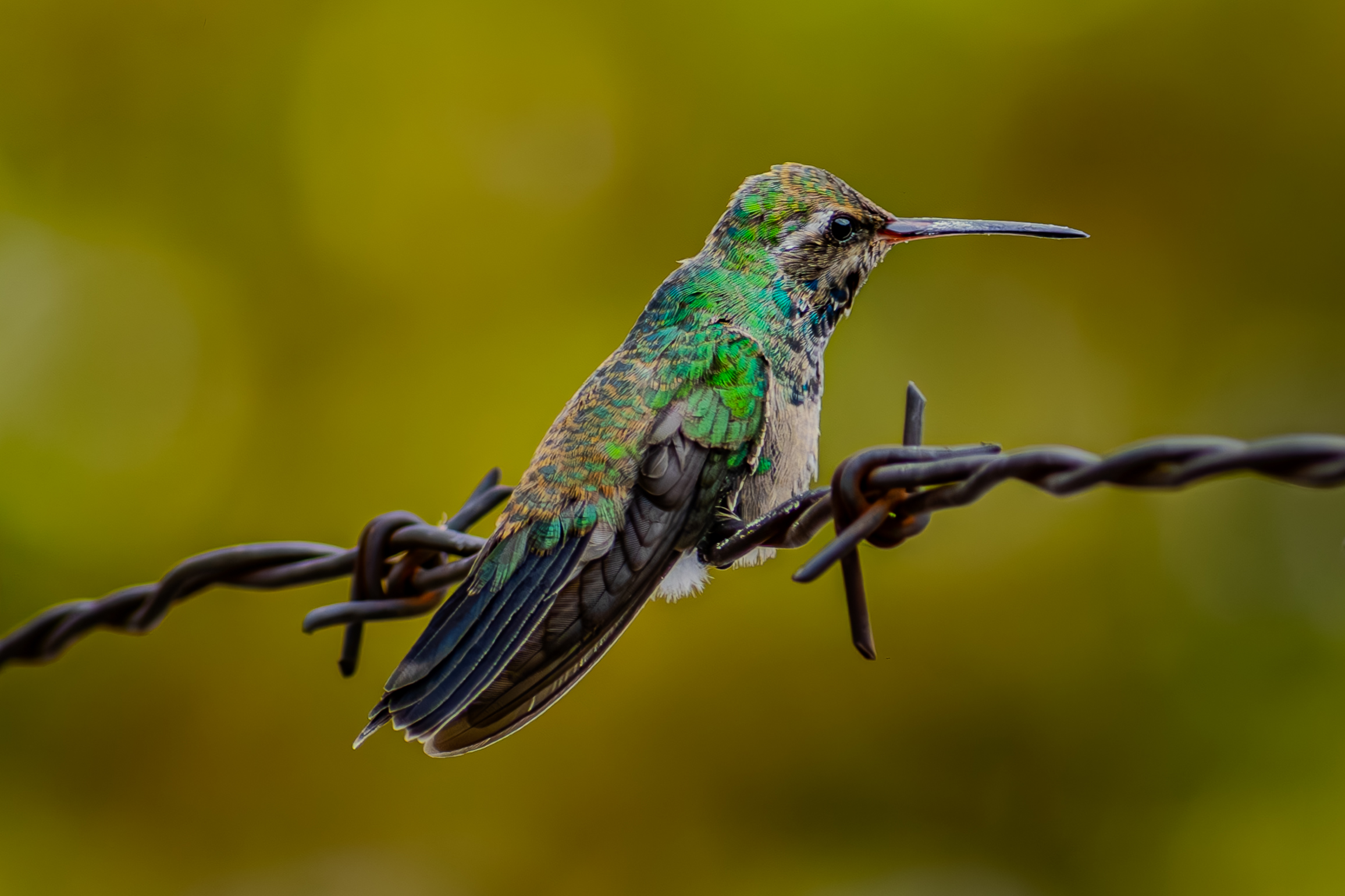
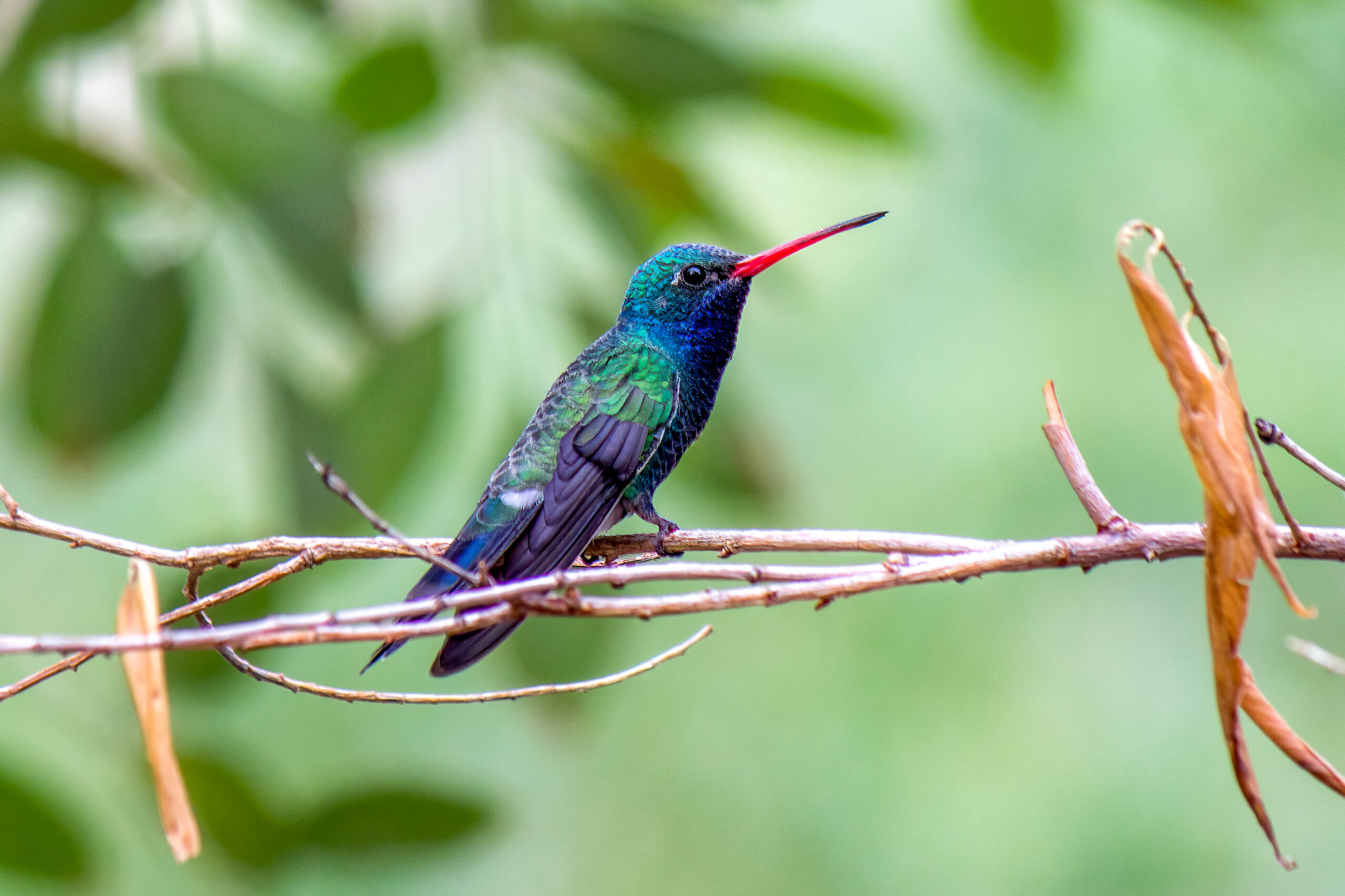
Broad-billed hummingbirds (Cynanthus latirostris) consumed more protein and sugar per unit of metabolic body mass than berylline hummingbirds (Saucerottia beryllina) during controlled feeding trials in Mexico. Scaling intake to metabolic body mass adjusts the comparison for differences in body size and energy use between the species. The study was first published online on 12 March 2026 and examined how the two sympatric nectar-feeding species regulated protein and sucrose intake.
Researchers captured six adult broad-billed hummingbirds and five adult berylline hummingbirds in the gardens of the UNAM Morelia campus in Michoacán. All were non-reproductive adults. The birds were housed individually during a 13-day experiment and offered free-choice solutions containing different combinations of protein and sucrose.
Broad-billed hummingbirds consumed more protein and sugar
Daily and cumulative protein and sucrose intake, adjusted for metabolic body mass, were significantly higher in broad-billed hummingbirds. The two species initially followed similar protein-to-sucrose intake trajectories, but their patterns diverged as the experiment progressed. By the end of the trial, broad-billed hummingbirds had accumulated about 60% more protein intake per unit of metabolic body mass than berylline hummingbirds.
A separate seven-day pilot trial with four berylline hummingbirds helped set the protein range used in the main experiment. At a 3% protein solution, the birds showed reduced feeding, prolonged perching on the floor and impaired flight; these signs reversed when they returned to lower-protein solutions. The authors therefore restricted the main feeding trials to 0.2–2% protein and interpret the species difference as consistent with different capacities to tolerate and process dietary protein. They hypothesise that nitrogen overload and a resulting build-up of uric acid may have contributed to the adverse reaction in the pilot birds, but note that this mechanism has not been documented in hummingbirds.
Movement ecology may help explain the difference
At the study site, broad-billed hummingbirds do not undertake the local movements shown by berylline hummingbirds, which shift among sites as floral resources change. The authors suggest that differences in nutrient-handling physiology could contribute to these contrasting ecological strategies, but they present this as a hypothesis that requires comparative and field-based testing.
Physiology
Related news
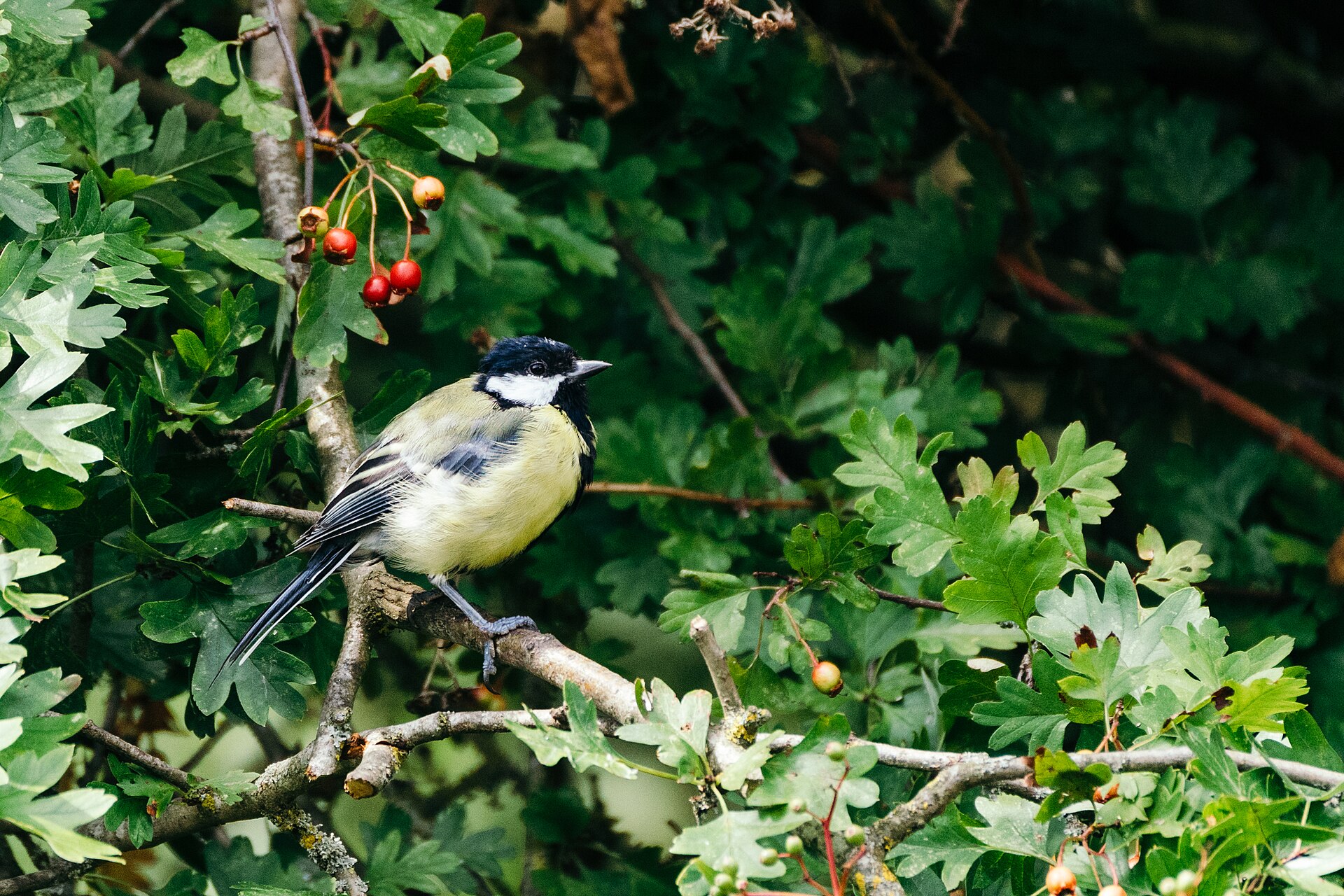
City and Forest Great Tits Respond Differently to Artificial Light at Night
In a common-garden experiment, artificial light initially advanced daily activity onset in great tits from both city and…
Read story →
Aging rhesus macaques show broader protein changes in blood than in brain fluid
A study of 66 rhesus macaques found age-related differences in many more measured proteins in plasma than in…
Read story →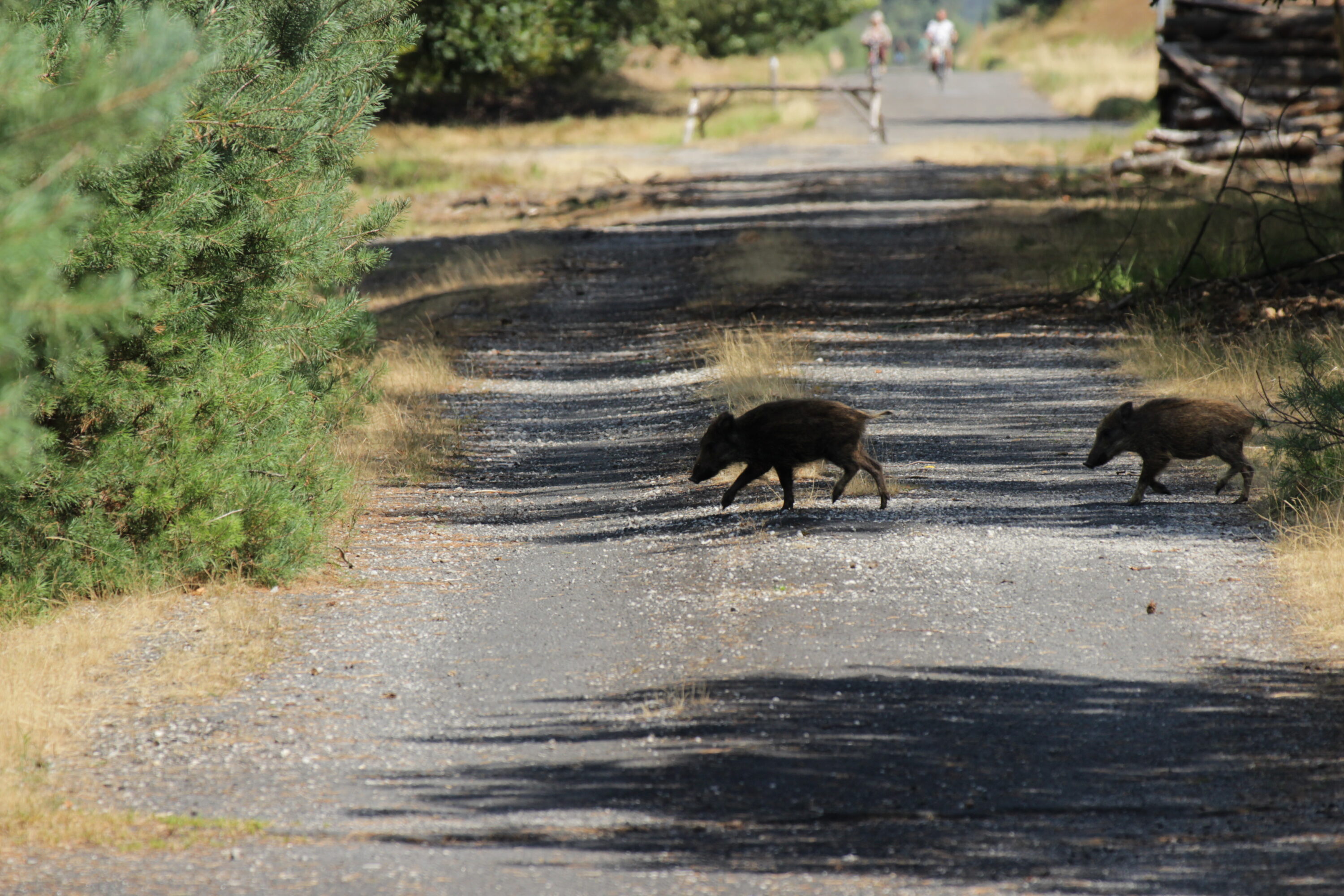
Copper levels in wild boar differed across Slovak districts
An analysis of kidney, liver and muscle from 147 wild boar in four districts found that iron and…
Read story →SPECIES IN THIS STORY
Species in this story
Independent research and conservation news archive
Did you find this information useful?
Wildlife Vagabond is independently built and maintained. Voluntary support helps cover source verification, hosting and continued work on research and conservation news.
Support Wildlife VagabondThe news archive will remain freely available.