
Brown Shrikes in Laos Flushed at Greater Distances Than Red-backed Shrikes in Poland
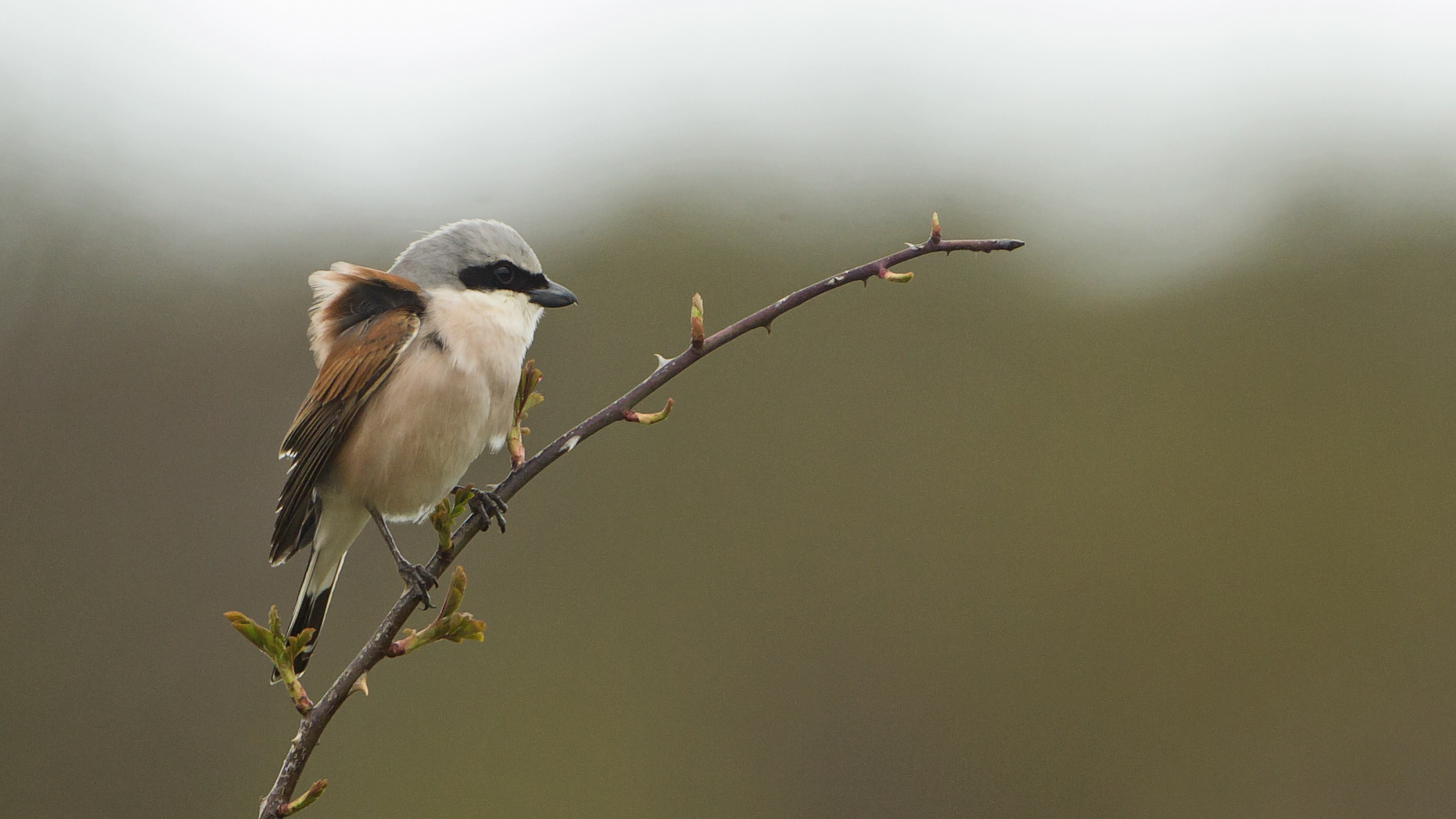
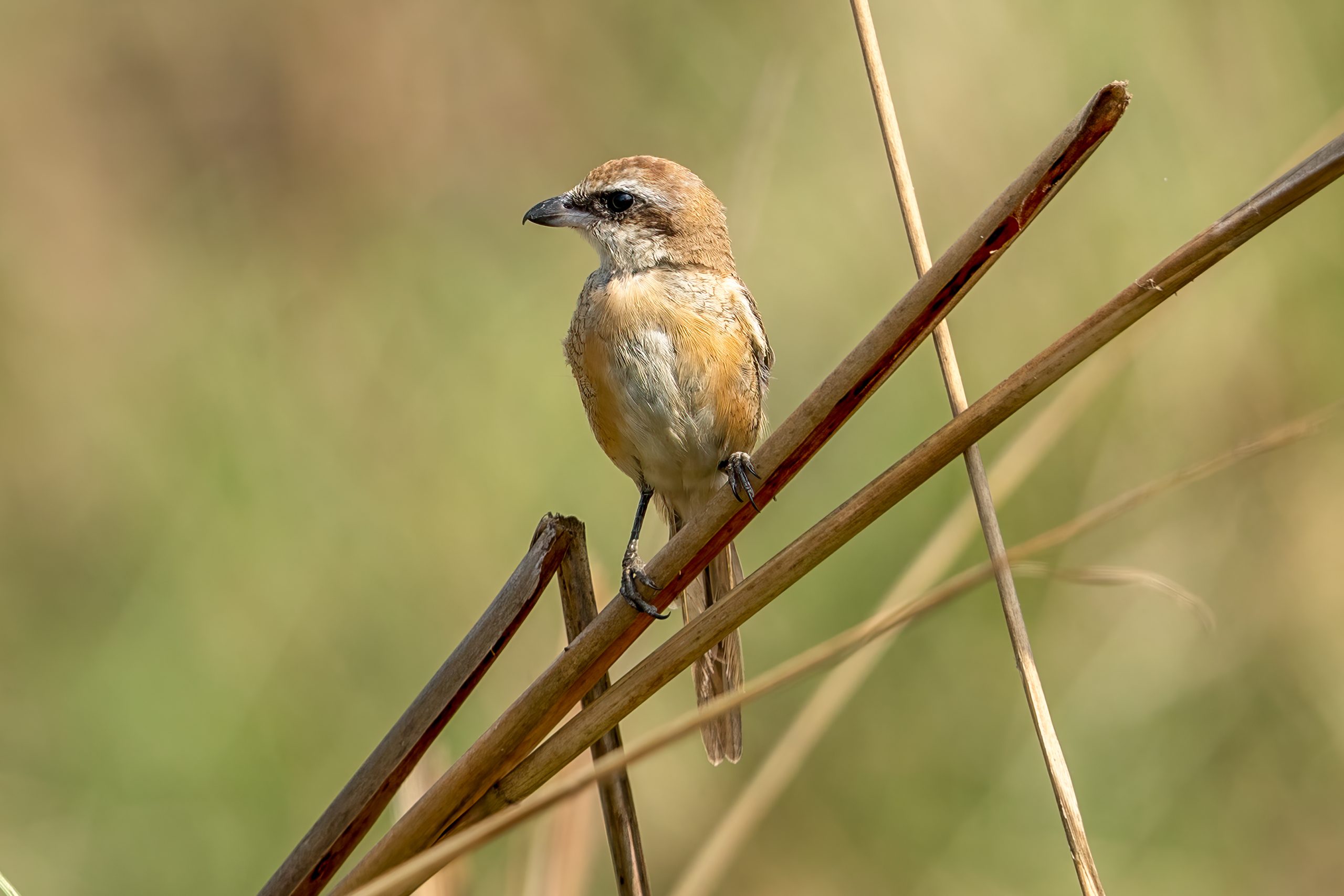
A field comparison of brown shrikes (Lanius cristatus) in Laos and red-backed shrikes (Lanius collurio) in Poland found a marked difference in how closely the birds allowed a person to approach before taking flight. Brown shrikes had a mean flight-initiation distance of 53.7 m, compared with 26.4 m for red-backed shrikes.
Flight-initiation distance, or FID, is the distance between an approaching observer and a bird when the bird begins to escape. It is widely used as a measure of antipredator response and perceived risk.
Brown shrikes also perched farther from settlements
Fieldwork was carried out in spring 2024 at eight locations in Laos and 15 in Poland. Researchers recorded 171 perching sites: 69 for brown shrikes and 102 for red-backed shrikes. Each transect was surveyed once to reduce the chance of measuring the same individual repeatedly.
Brown-shrike perches lay farther from built-up areas, with a median distance of 0.97 km compared with 0.61 km for red-backed shrikes. The species did not differ clearly in their distances from dirt roads or asphalt roads.
The models also showed that birds closer to built-up areas tended to allow less approach before fleeing, while a greater starting distance for the observer was associated with a longer FID. Species identity remained an important predictor of escape distance.
Human pressure is a plausible explanation, not an isolated test
The authors interpret the stronger avoidance in Laos in the context of regional human pressure. Opportunistic bird hunting occurs around villages and cultivated areas in the Lao study landscapes, whereas illegal taking of small passerines is described as negligible in Poland. In that context, people near settlements may represent a more direct threat to birds in Laos.
The comparison cannot isolate hunting pressure from all other differences between the groups. Brown shrikes were studied during wintering or early spring migration, whereas red-backed shrikes were studied near the beginning of breeding. Habitat structure, predator communities, food availability and species-specific behaviour may also contribute.
The defensible result is therefore behavioural rather than causal: brown shrikes in the Lao study context perched farther from settlements and initiated escape while observers were substantially farther away than red-backed shrikes in Poland. The study is consistent with stronger human-associated risk shaping this contrast, but it does not show that hunting alone caused it.
Behaviour
Related news
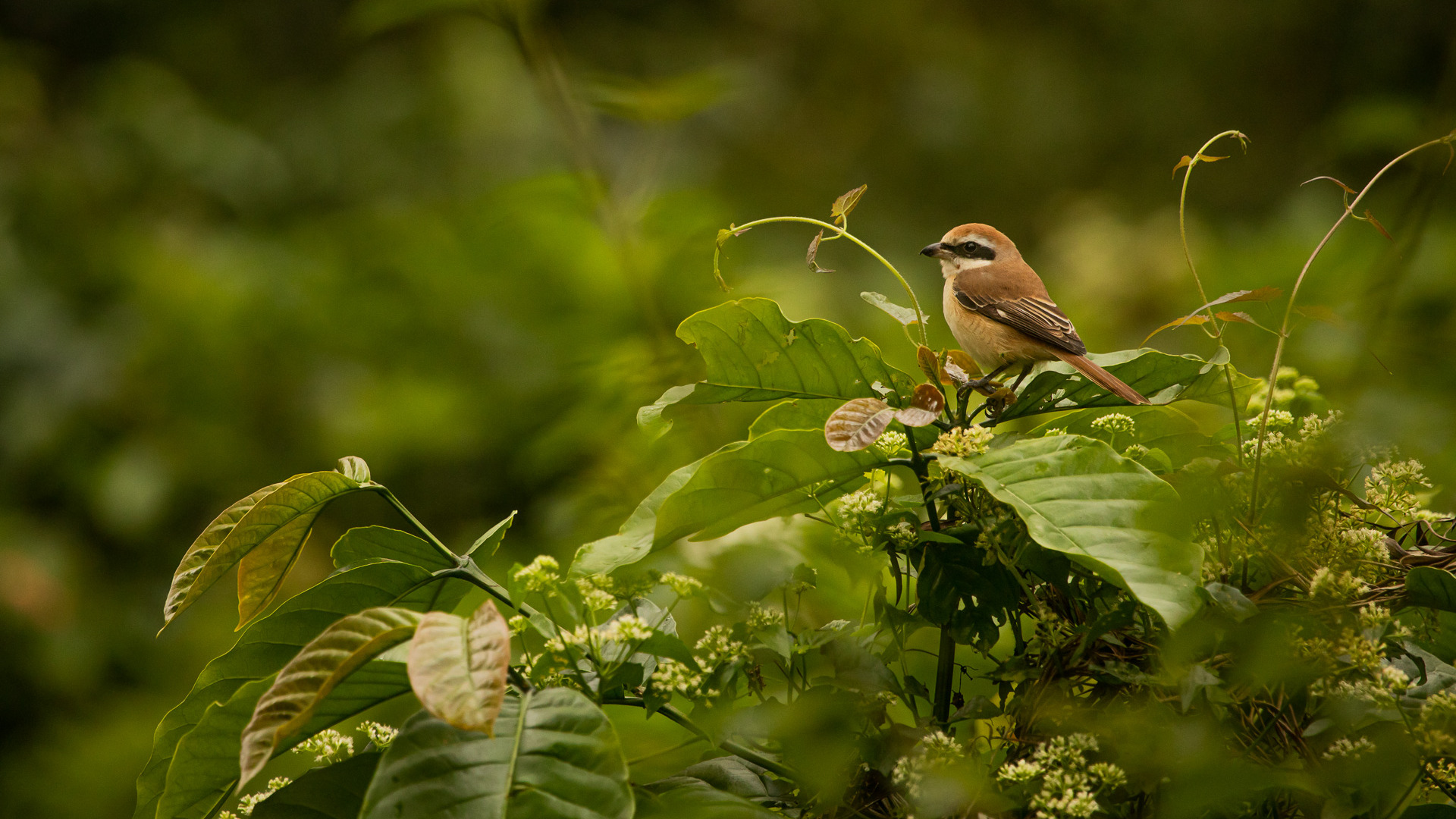
Brown Shrikes in Laos Were Most Often Found in Semi-Open Agricultural Mosaics
A 2026 field study in Laos found brown shrikes most often in semi-open agricultural landscapes, with occurrence positively…
Read story →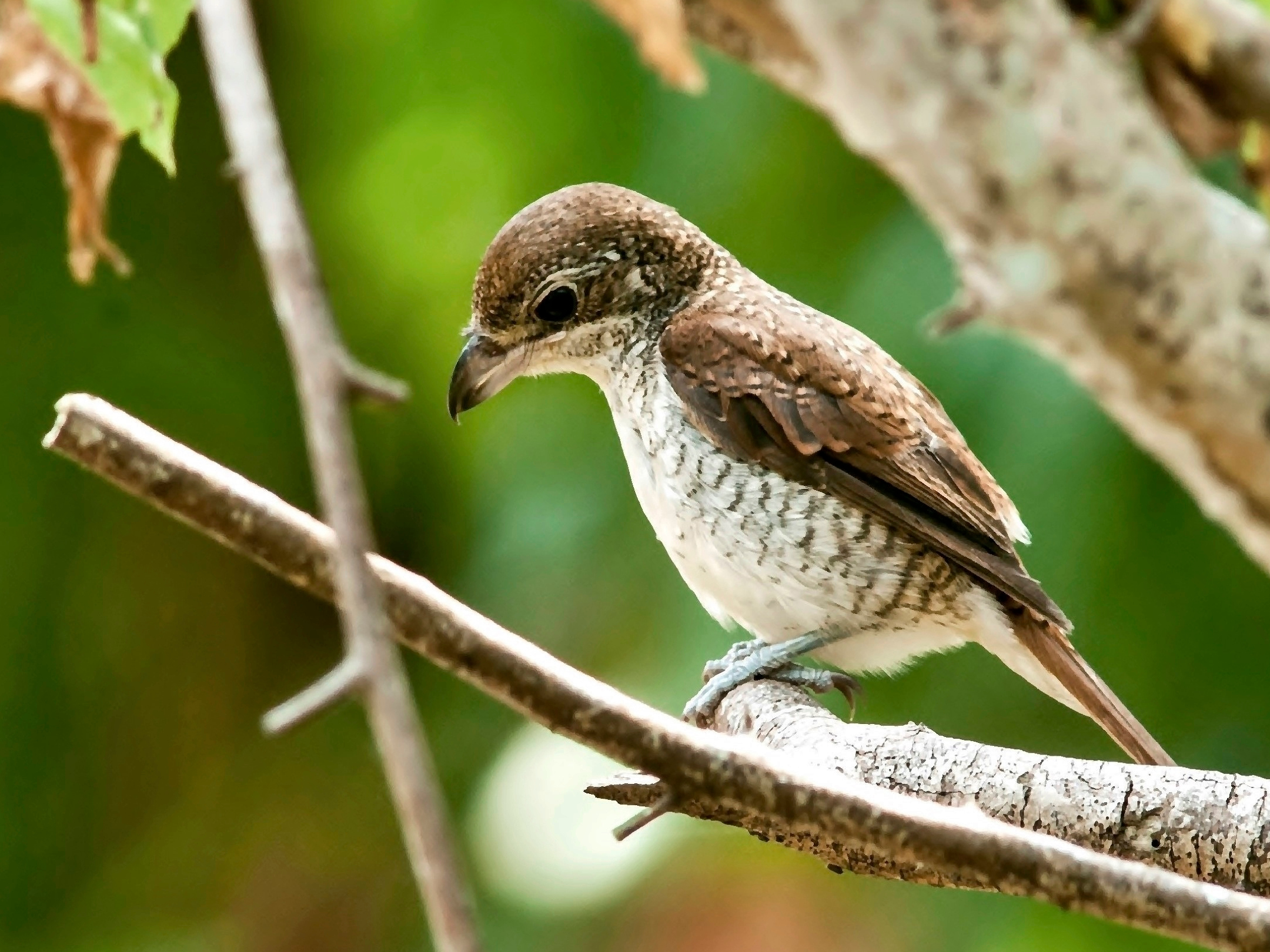
Tiger Shrikes Had the Highest Feather Arsenic and Cadmium; Brown Shrikes Also Had Elevated Lead
A 2026 study of ten predatory bird species in northeast China found the highest arsenic and cadmium concentrations…
Read story →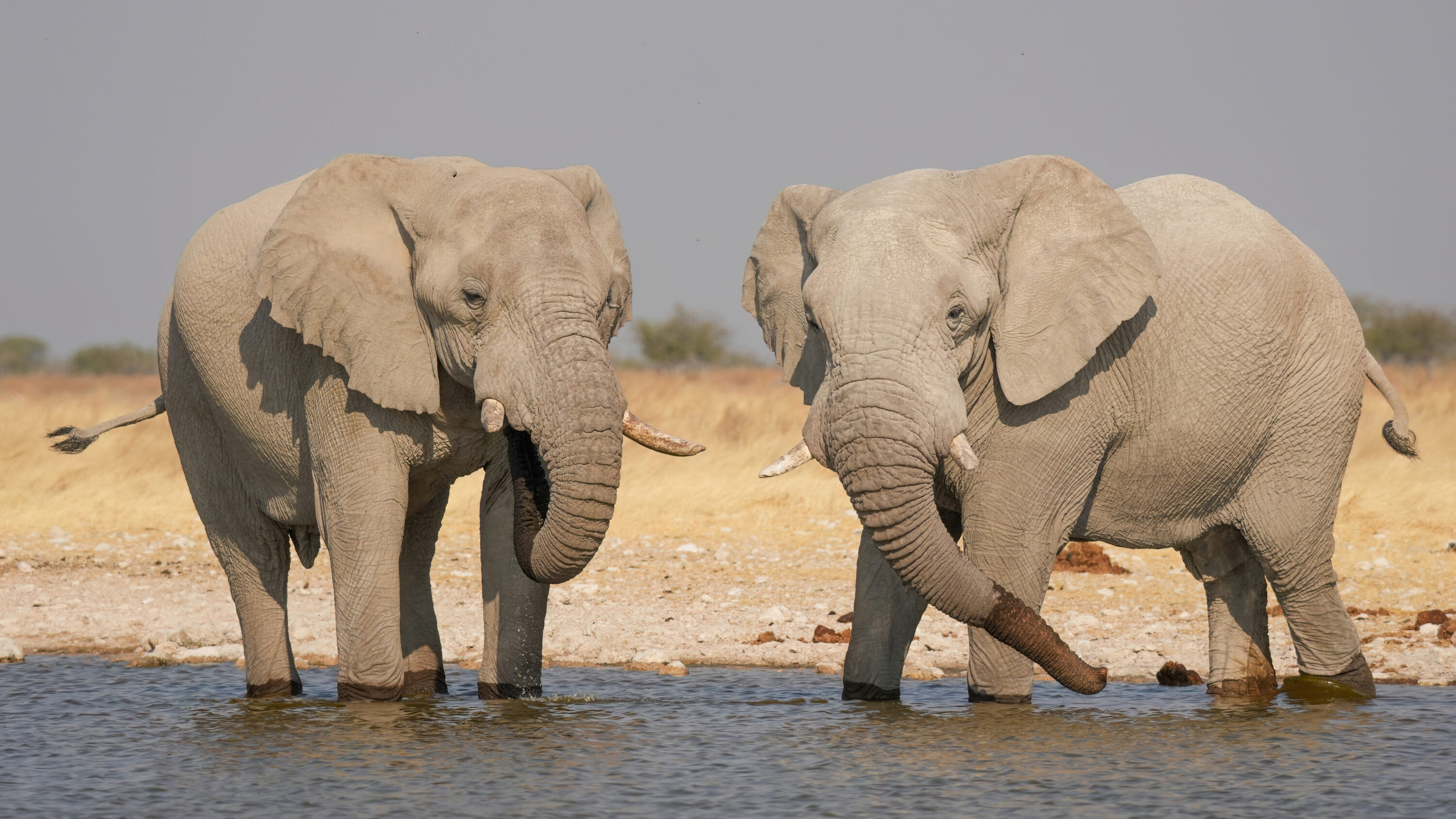
Three Ways of Analysing Elephant Calls Gave Different Results
Recordings from a semi-free herd in South Africa show how the method used to classify call timing can…
Read story →SPECIES IN THIS STORY
Species in this story
Independent research and conservation news archive
Did you find this information useful?
Wildlife Vagabond is independently built and maintained. Voluntary support helps cover source verification, hosting and continued work on research and conservation news.
Support Wildlife VagabondThe news archive will remain freely available.