
Caracals in the Arava Valley Strongly Selected Creek Beds and Fed Mainly on Wild Prey
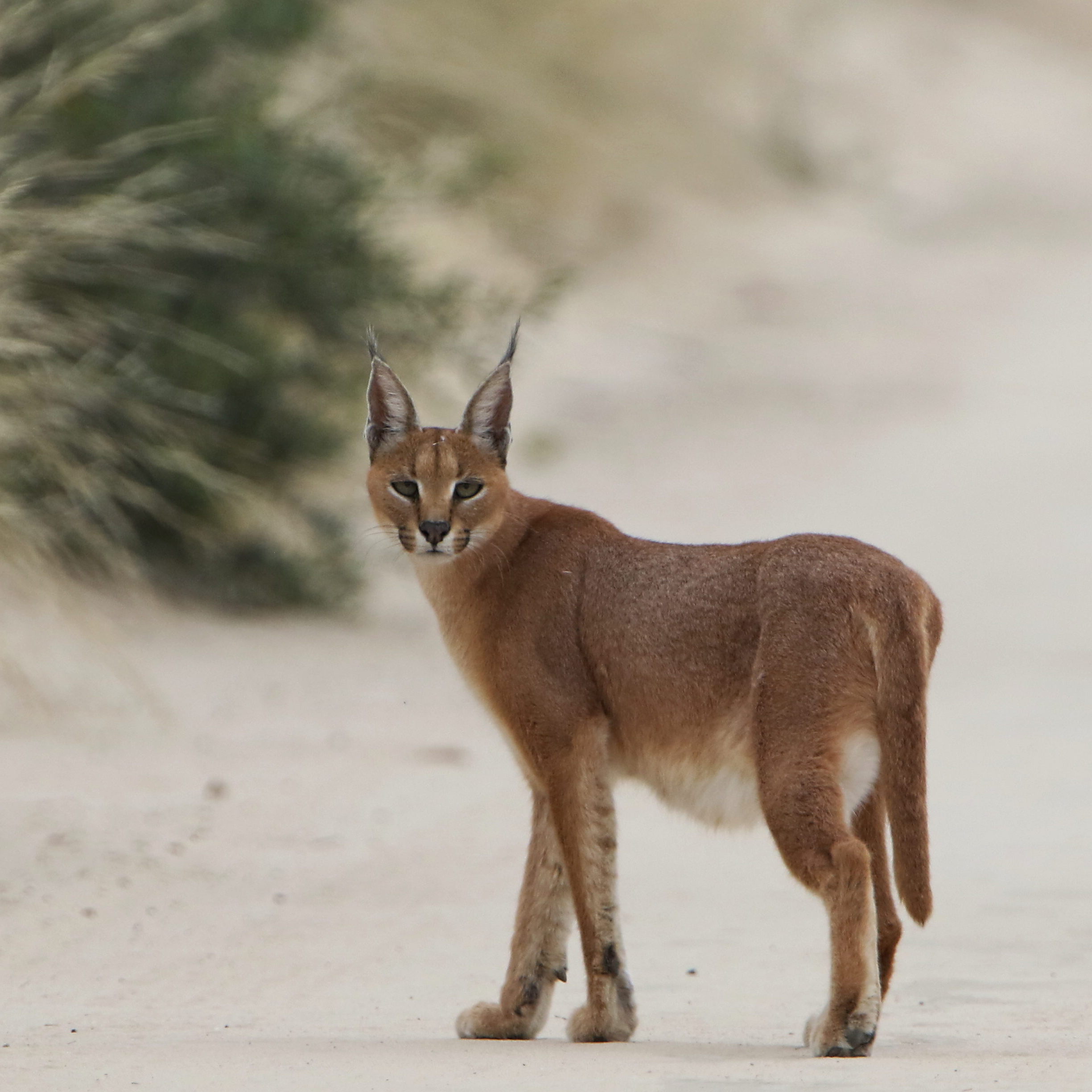
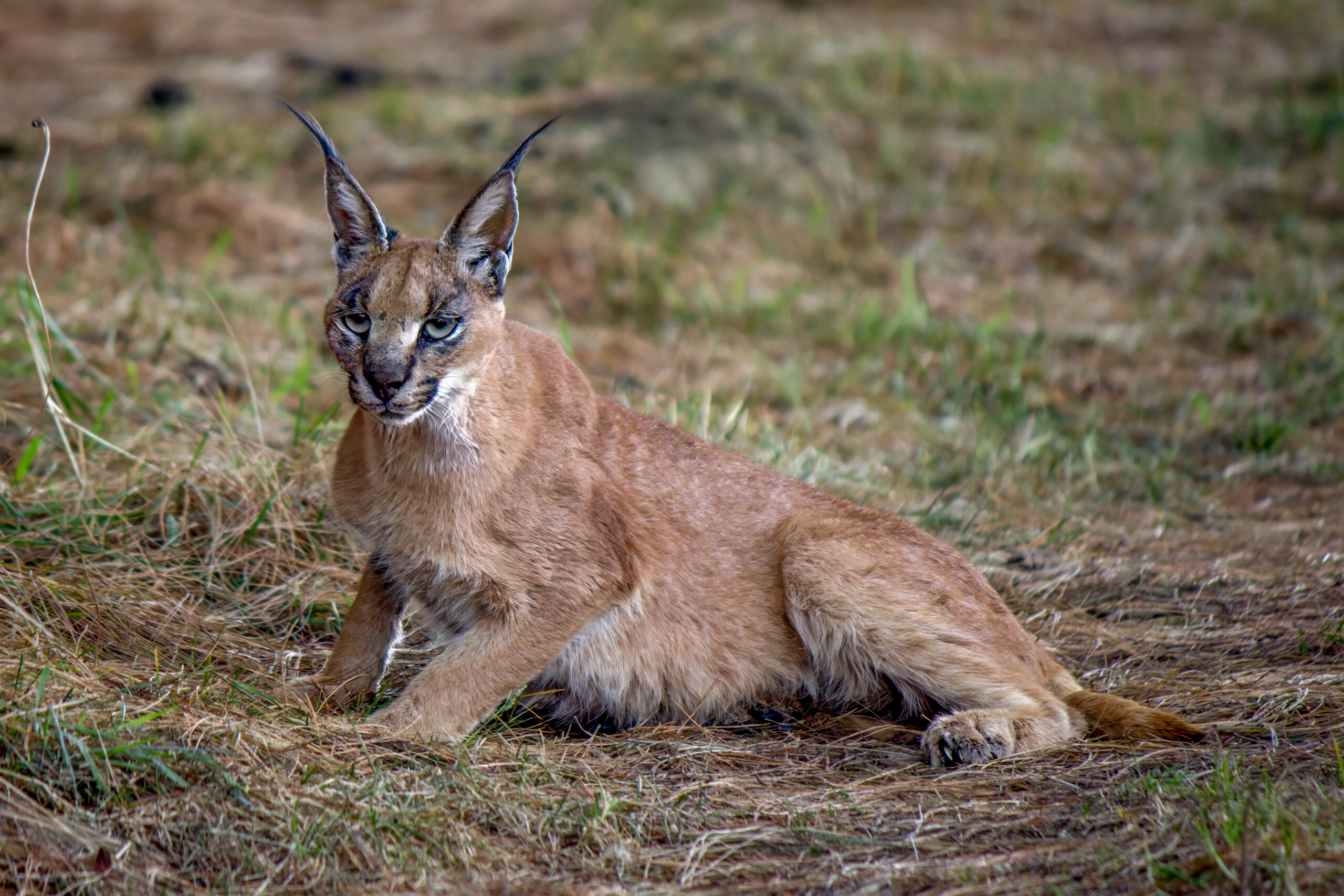
Caracals (Caracal caracal) in southern Israel’s hyperarid Arava Valley strongly selected areas close to dry creek beds, while their diet was dominated by wild prey rather than food associated with people. The study was published on 17 February 2026 in Ecology and Evolution.
Researchers analysed radiotelemetry data from ten collared caracals collected during 75 tracking days in 1986–1987. They combined these movement records with 140 scat samples from the same period and ranger observations spanning the following four decades.
Creek beds were consistently selected by both sexes
Males used short-term areas about twice as large as females. Habitat selection also differed between the sexes and seasons, with the strongest differences during the dry season. Both males and females nevertheless consistently selected habitat close to creek beds.
These channels are dry for much of the year but concentrate vegetation, shade and wildlife in an otherwise extremely arid landscape. Long-term ranger data included 8,144 cape hare observations from 2010–2024. Hares were found much closer to creek beds than expected from random locations, and caracal observations showed the same broad spatial association with the channels.
Cape hares dominated a diet based mainly on wild prey
The dietary analysis showed a strong reliance on native prey. Cape hares were the dominant food item, followed by small rodents and sand partridges (Ammoperdix heyi). Human-associated food occurred in 11.3% of the analysed faecal samples.
Responses to roads and farmland varied with season and sex
Responses to human infrastructure varied with season and sex. Caracals avoided paved roads during the dry season, while their use of dirt roads changed seasonally. They selected areas closer to agricultural fields mainly during the dry season, particularly females.
The researchers interpret the consistent association with creek beds together with the diet results as evidence that natural prey availability remains a major influence on caracal space use in the Arava, even where agriculture and other human infrastructure are present.
The authors highlight creek beds as important habitat features in the hyperarid landscape and recommend maintaining their ecological function and connectivity as development expands in desert regions.
Ecology
Related news
India Released Its First Comprehensive National Conservation Framework for the Caracal, Fishing Cat and Clouded Leopard
The Wildlife Institute of India released a 220-page national action plan on 4 August 2026 for caracals, fishing…
Read story →
Anticoagulant Rat Poisons Were Detected in 78% of Sampled Cape Town Caracals
A ten-year Cape Town study found anticoagulant rodenticides in 78% of analysed caracal liver samples, with higher exposure…
Read story →
Camera Trap Confirmed Caracal Presence in Kuno National Park
A camera trap recorded a caracal in Kuno National Park in June 2026, providing a rare confirmed recent…
Read story →SPECIES IN THIS STORY
Species in this story
Independent research and conservation news archive
Did you find this information useful?
Wildlife Vagabond is independently built and maintained. Voluntary support helps cover source verification, hosting and continued work on research and conservation news.
Support Wildlife VagabondThe news archive will remain freely available.