
Camera Trap Confirmed Caracal Presence in Kuno National Park
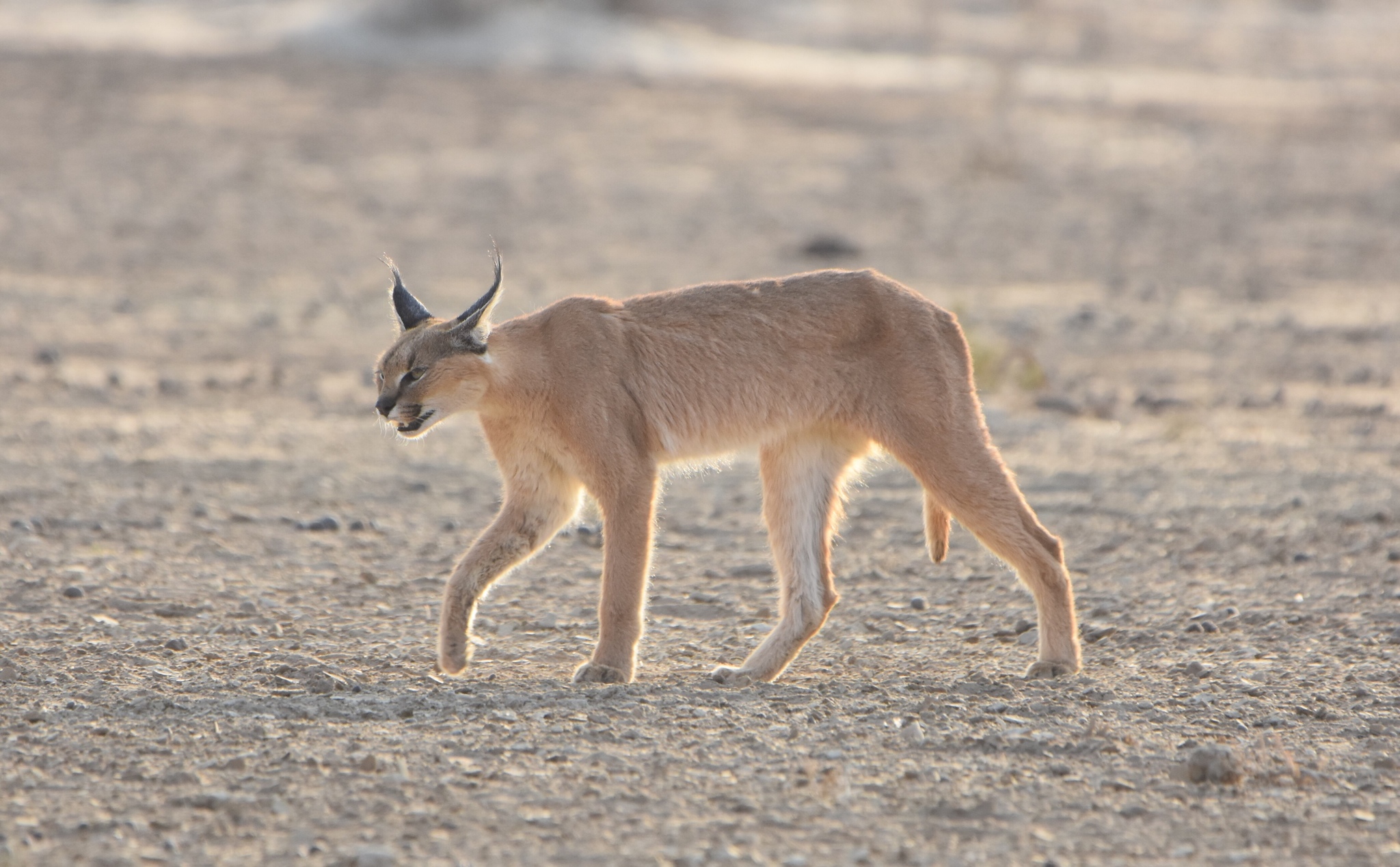
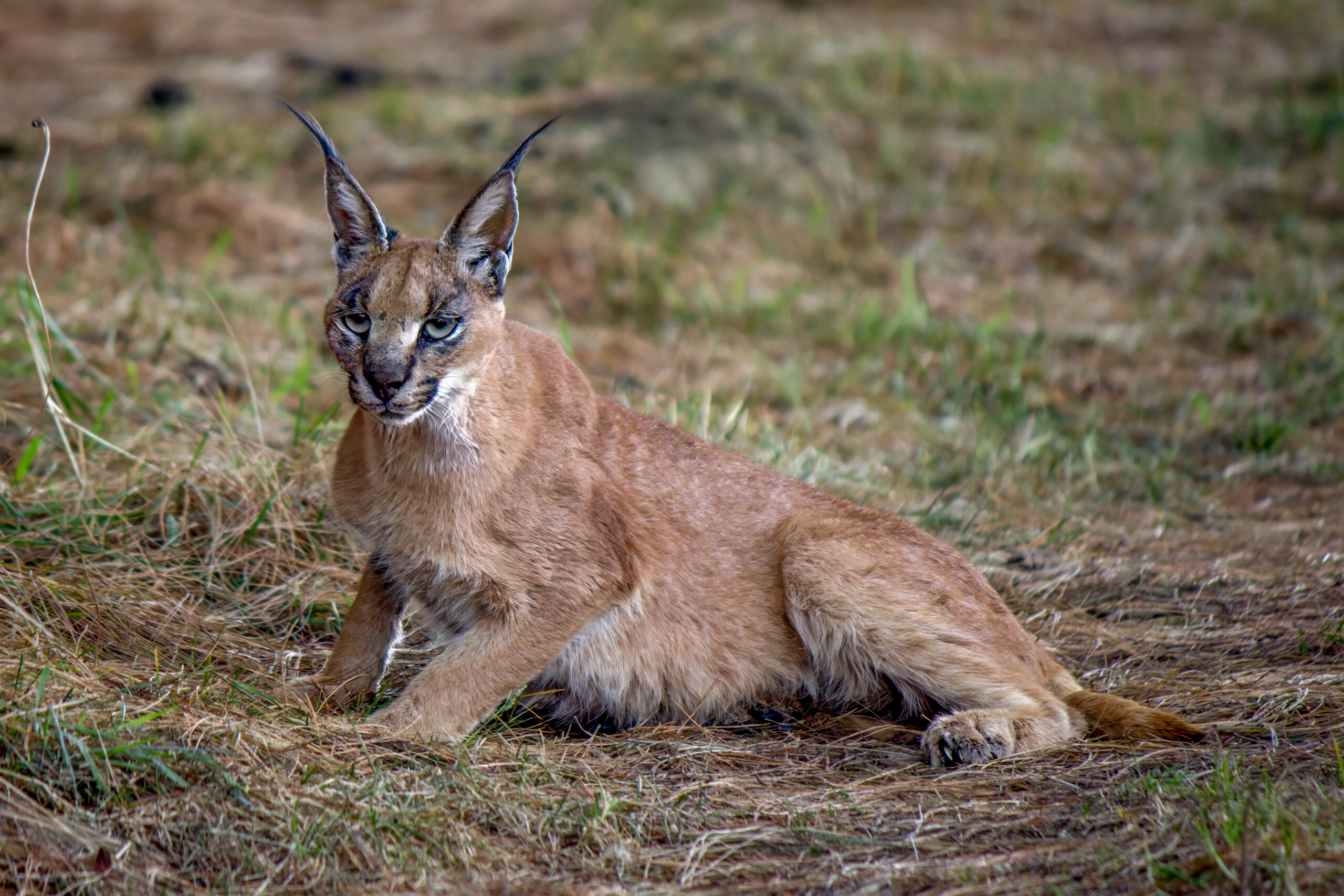
A camera trap in Kuno National Park in Madhya Pradesh has confirmed the presence of a caracal (Caracal caracal) in a central Indian landscape where recent records of the species are sparse. Kuno National Park announced the record on 5 June 2026 after the animal was photographed during a recent camera-trap survey.
The record is notable because caracals are now extremely rarely documented in central India. The species historically occurred across a much wider part of the subcontinent, but recent Indian records are concentrated mainly in Rajasthan and Gujarat. Kuno lies farther east, in a landscape of dry forest, scrub and extensive grasslands in northern Madhya Pradesh.
Kuno field director Uttam Kumar Sharma later told Mongabay-India that it was the first caracal record during his four years in the park. The forest department began checking older records from Kuno and adjoining areas to determine whether the species had previously been documented there.
Presence does not yet mean a resident population
The photograph confirms that at least one caracal used the park, but park officials and researchers have not treated it as evidence of an established local population. Sharma said continued monitoring is needed before conclusions can be drawn about local presence. Caracal researcher Shekhar Kolipaka similarly explained that a single camera-trap photograph demonstrates presence, not residency or population size; he considered it likely that the animal could be a dispersing male.
The finding adds a new confirmed point to the sparse recent record of caracals in central India. Kuno contains a mosaic of habitats used by the species elsewhere, including grasslands, scrub and open dry forest, and continued camera-trap monitoring may show whether the photographed individual was passing through or whether additional caracals use the wider landscape.
Population & status
Related news
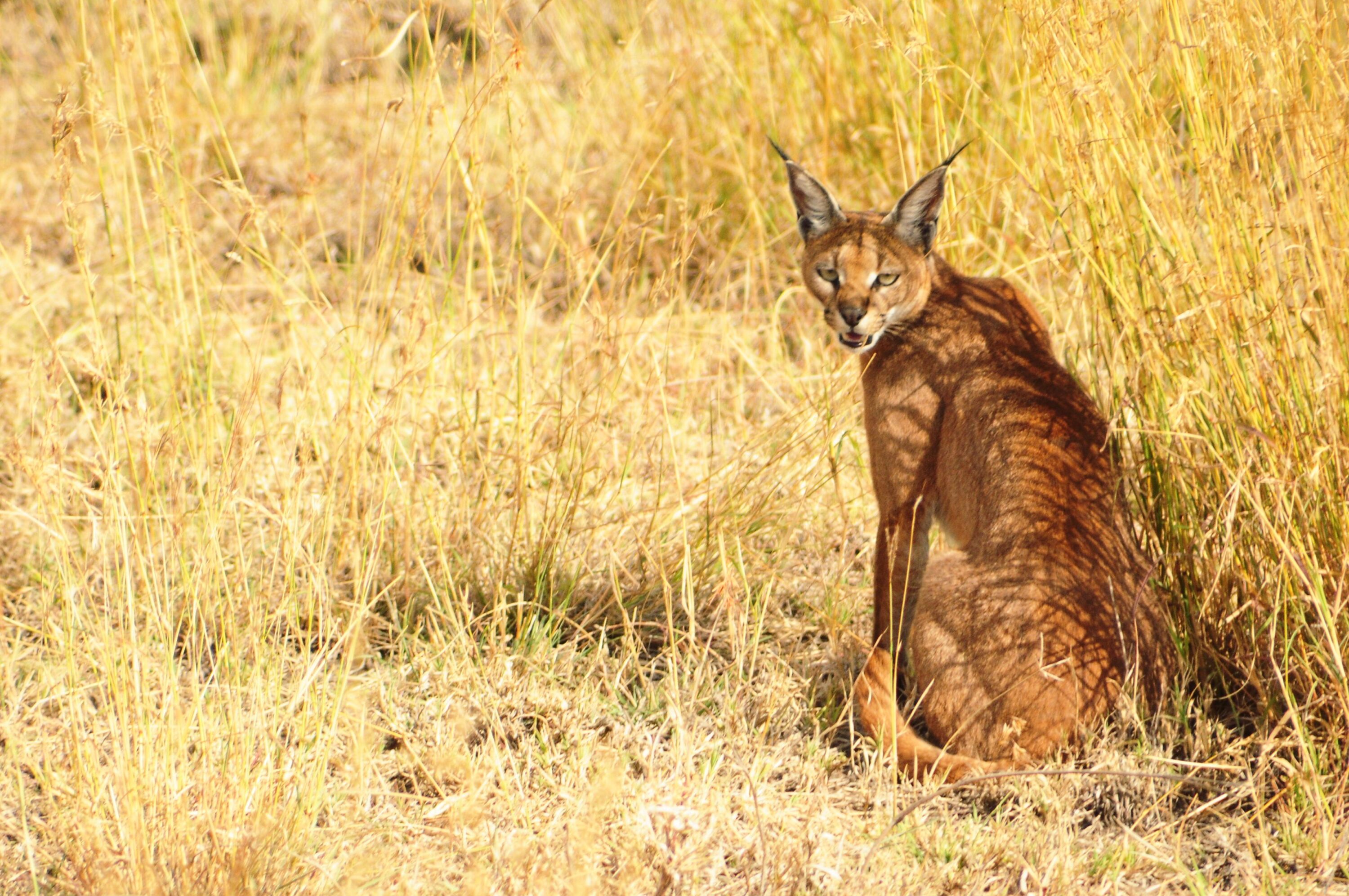
India Released Its First Comprehensive National Conservation Framework for the Caracal, Fishing Cat and Clouded Leopard
The Wildlife Institute of India released a 220-page national action plan on 4 August 2026 for caracals, fishing…
Read story →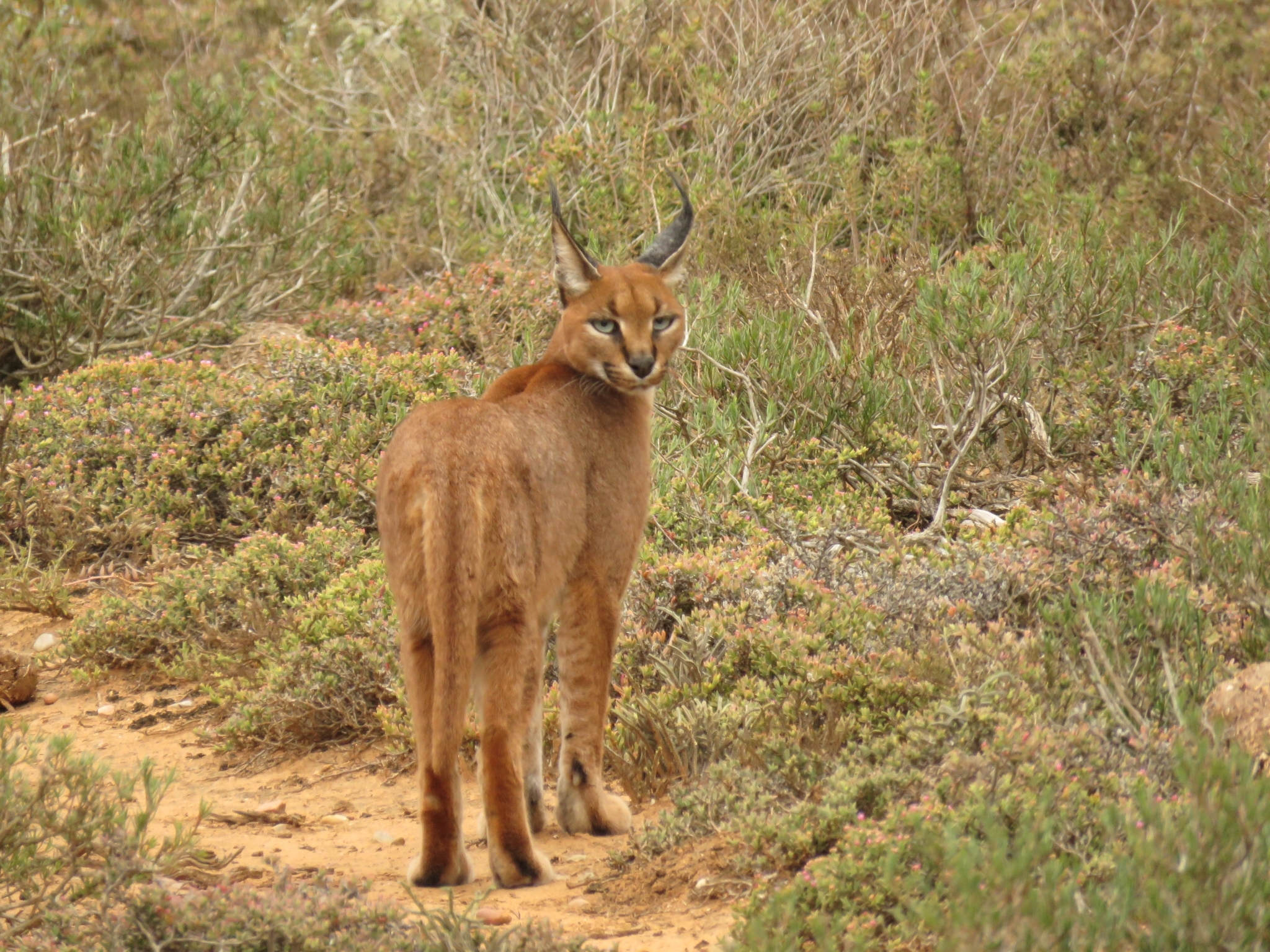
Anticoagulant Rat Poisons Were Detected in 78% of Sampled Cape Town Caracals
A ten-year Cape Town study found anticoagulant rodenticides in 78% of analysed caracal liver samples, with higher exposure…
Read story →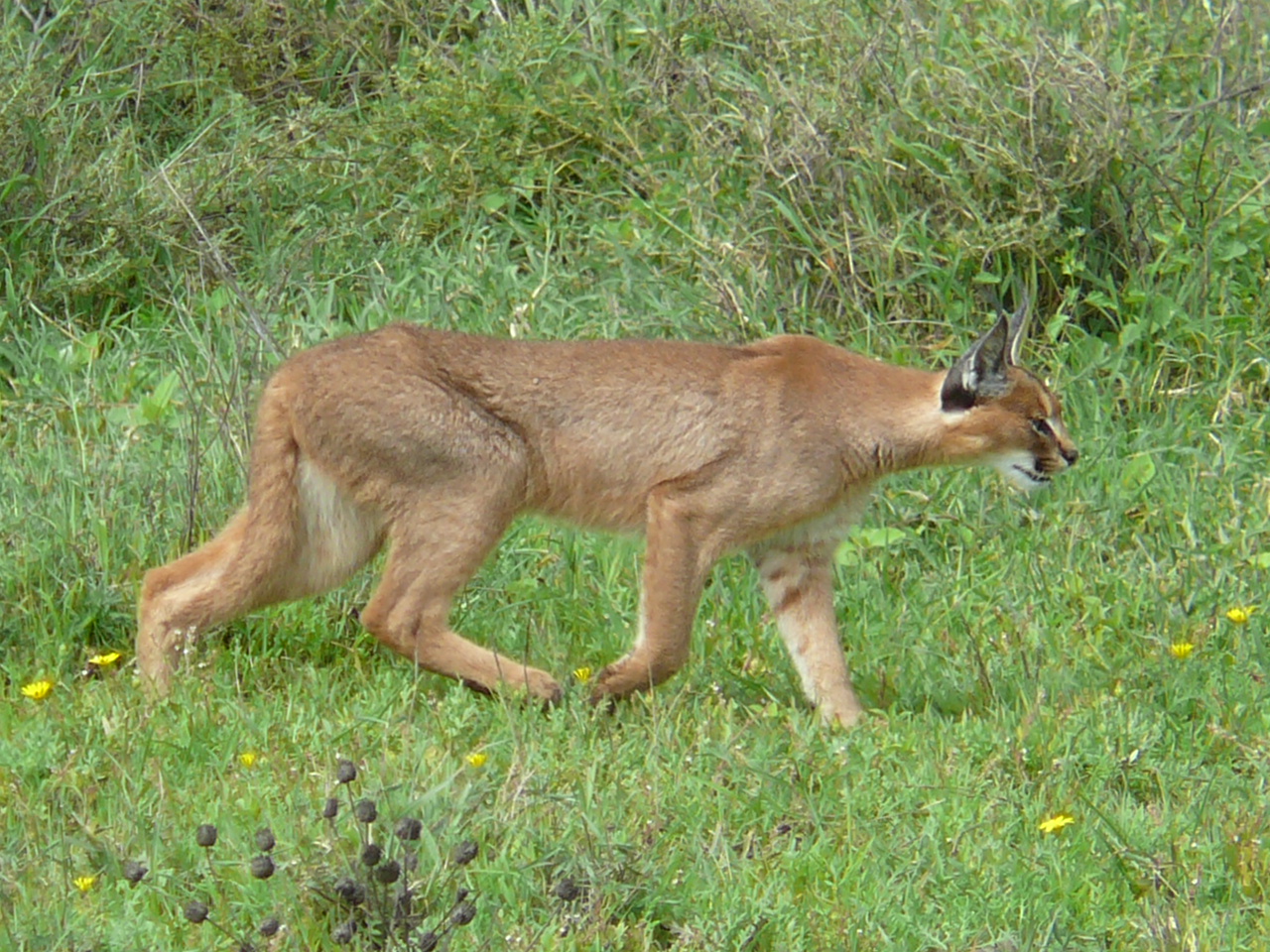
About 74% of Modelled Suitable Caracal Habitat in Greater Ranthambhore Lies Outside Protected Areas
A 2026 study mapped 14,284 km² of suitable caracal habitat across the Greater Ranthambhore landscape in India, with…
Read story →SPECIES IN THIS STORY
Species in this story
Independent research and conservation news archive
Did you find this information useful?
Wildlife Vagabond is independently built and maintained. Voluntary support helps cover source verification, hosting and continued work on research and conservation news.
Support Wildlife VagabondThe news archive will remain freely available.