
Hooded Crow Nestlings Had Low Levels of Cadmium, Lead and Arsenic in a Polish Wetland
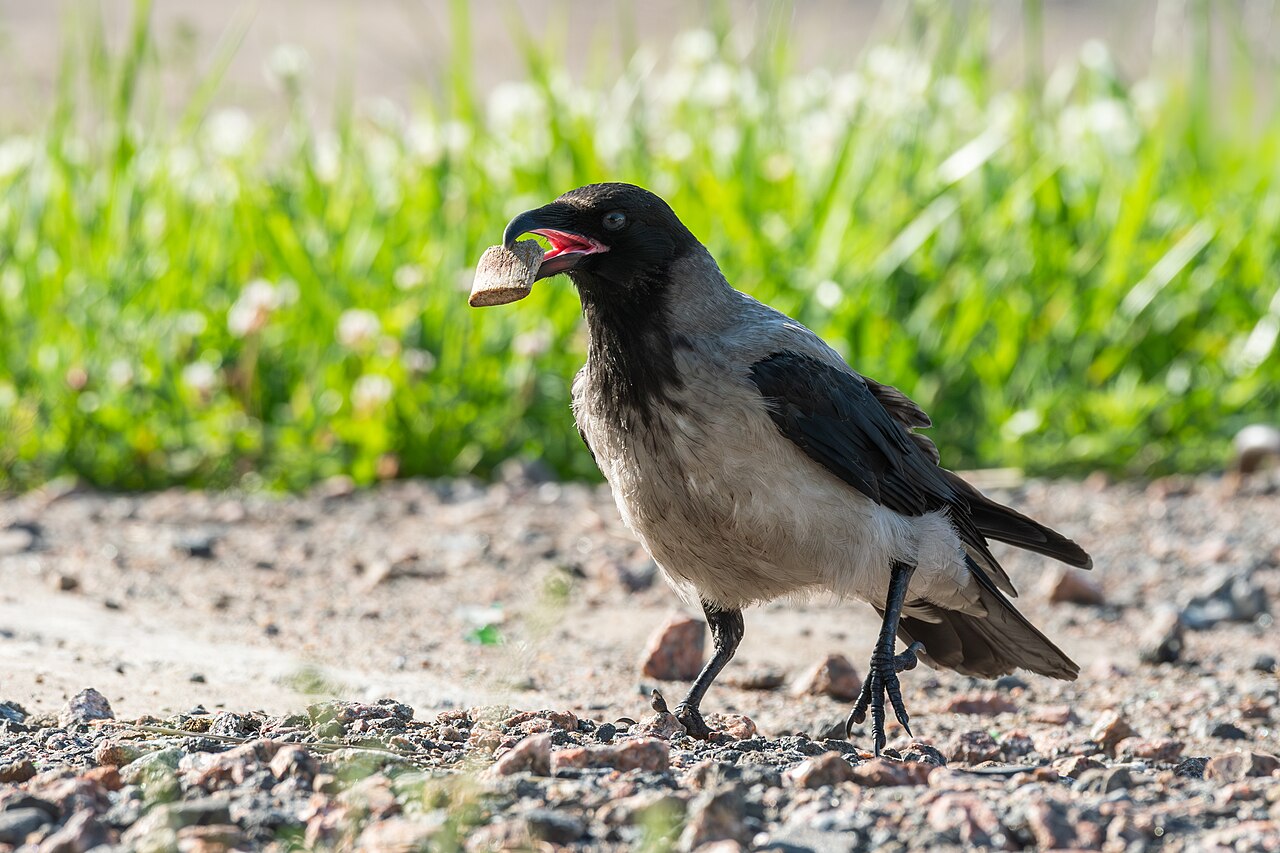
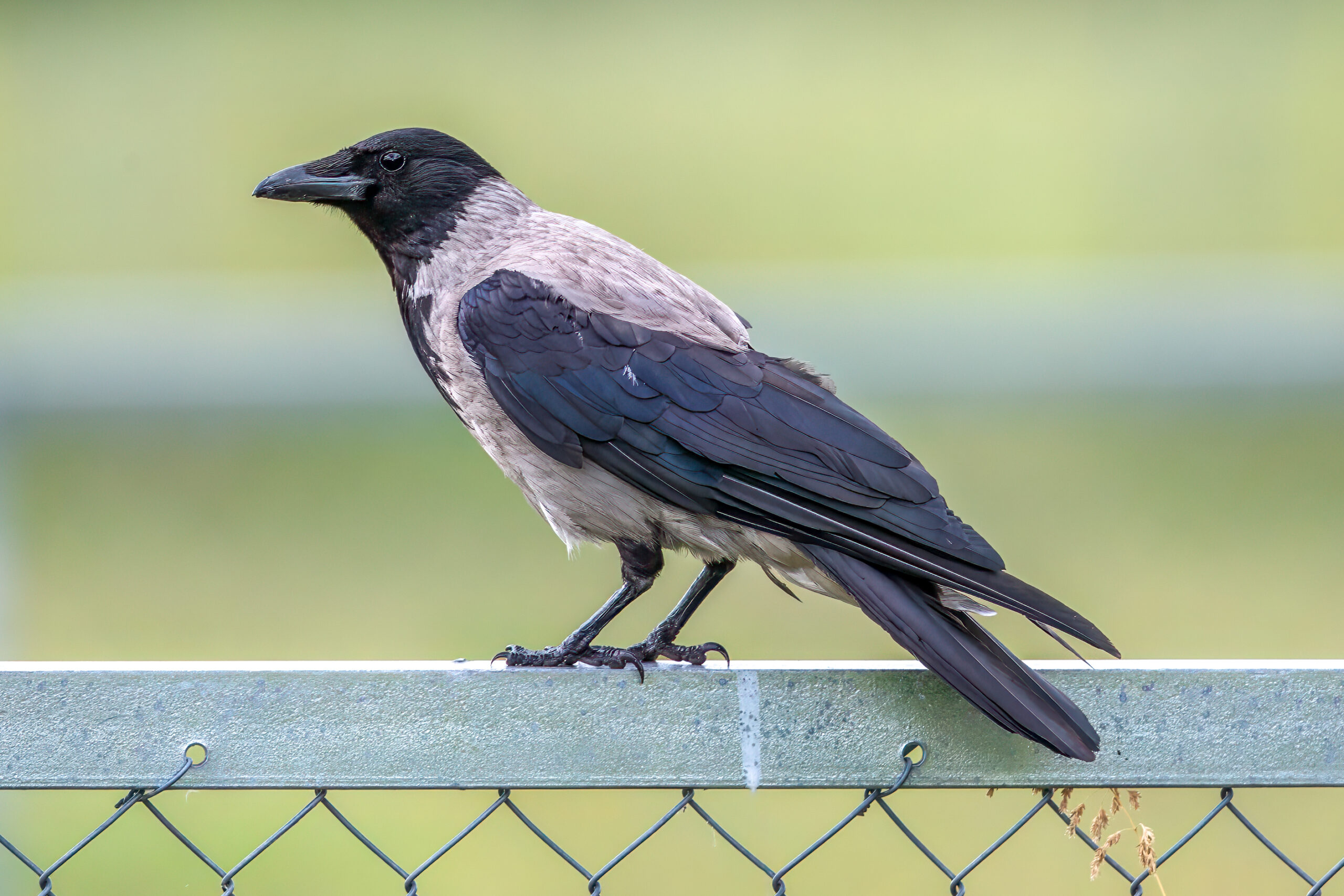
Hooded crow nestlings (Corvus corone cornix) showed low concentrations of the potentially toxic trace elements cadmium, lead and arsenic in a Polish floodplain wetland. The study, published on 14 August 2026, also found that several essential elements changed with age and that blood and feathers did not provide interchangeable measures of exposure.
Researchers sampled 29 nestlings from nine nests in the Warta Mouth National Park in western Poland. The chicks were between 14 and 25 days old. Twenty-four birds were sampled twice, seven to eight days apart, giving 53 blood samples and 53 feather samples. The researchers measured cadmium, lead and arsenic together with the essential elements copper, selenium and zinc.
Potentially toxic elements remained at low levels
Cadmium in blood was below the detection limit, while lead and arsenic concentrations were low compared with values reported for other wetland-associated birds and avian predators. Concentrations in feathers were also low. The authors interpret this as evidence of limited local exposure or low bioavailability of these elements in the food web used by the nestlings during the period represented by blood circulation and feather growth.
The study does not treat these measurements as a complete assessment of the wetland’s environmental condition. Instead, the results describe exposure in the sampled birds, tissues and developmental stages.
Element concentrations changed as chicks grew
Age had clear effects on several essential elements. Older nestlings had higher concentrations of copper and selenium in their blood. In feathers, copper and cadmium concentrations were higher at the later sampling, while zinc concentrations were higher when the chicks were younger.
The authors link these differences to a combination of growth, physiological regulation, feather development, tissue-specific deposition and changes in nutritional requirements. For example, copper and selenium are involved in antioxidant defence, immune function and growth, while zinc plays important roles in feather formation, skeletal and muscular development and pigmentation.
Blood and feathers told different parts of the story
For none of the measured elements was there a significant relationship between concentrations in blood and feathers from the same birds at the same sampling stage. The researchers therefore conclude that the two tissues should be treated as complementary rather than interchangeable in biomonitoring.
Feather zinc was the only measured element significantly associated with body condition, with higher concentrations linked to better condition. No significant relationship with body condition was detected for cadmium, arsenic or lead under the low exposure levels found in the study.
Bird blood and feathers are widely used to monitor environmental exposure, but growing chicks change rapidly over short periods. This study shows that age and feather growth stage can alter measured trace-element concentrations within little more than a week. Accounting for development is therefore important when hooded crow nestlings or other growing birds are used as indicators of environmental contamination.
Physiology
Related news
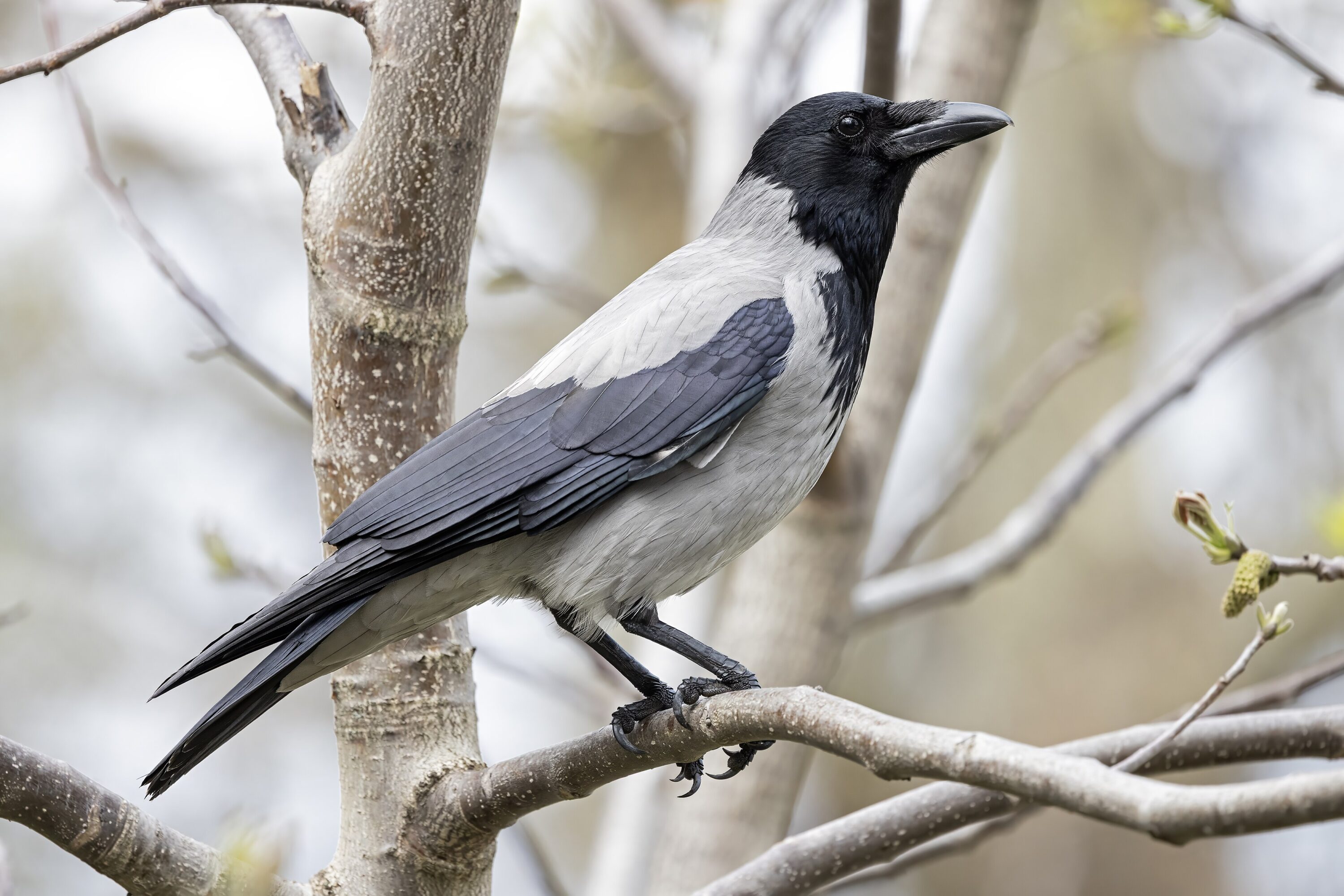
Hooded Crows Were Linked to 87 Reported West Nile Virus Bird Outbreaks in Europe
The September ECDC–EFSA report linked hooded crows to 87 reported West Nile virus bird outbreaks, Eurasian magpies to…
Read story →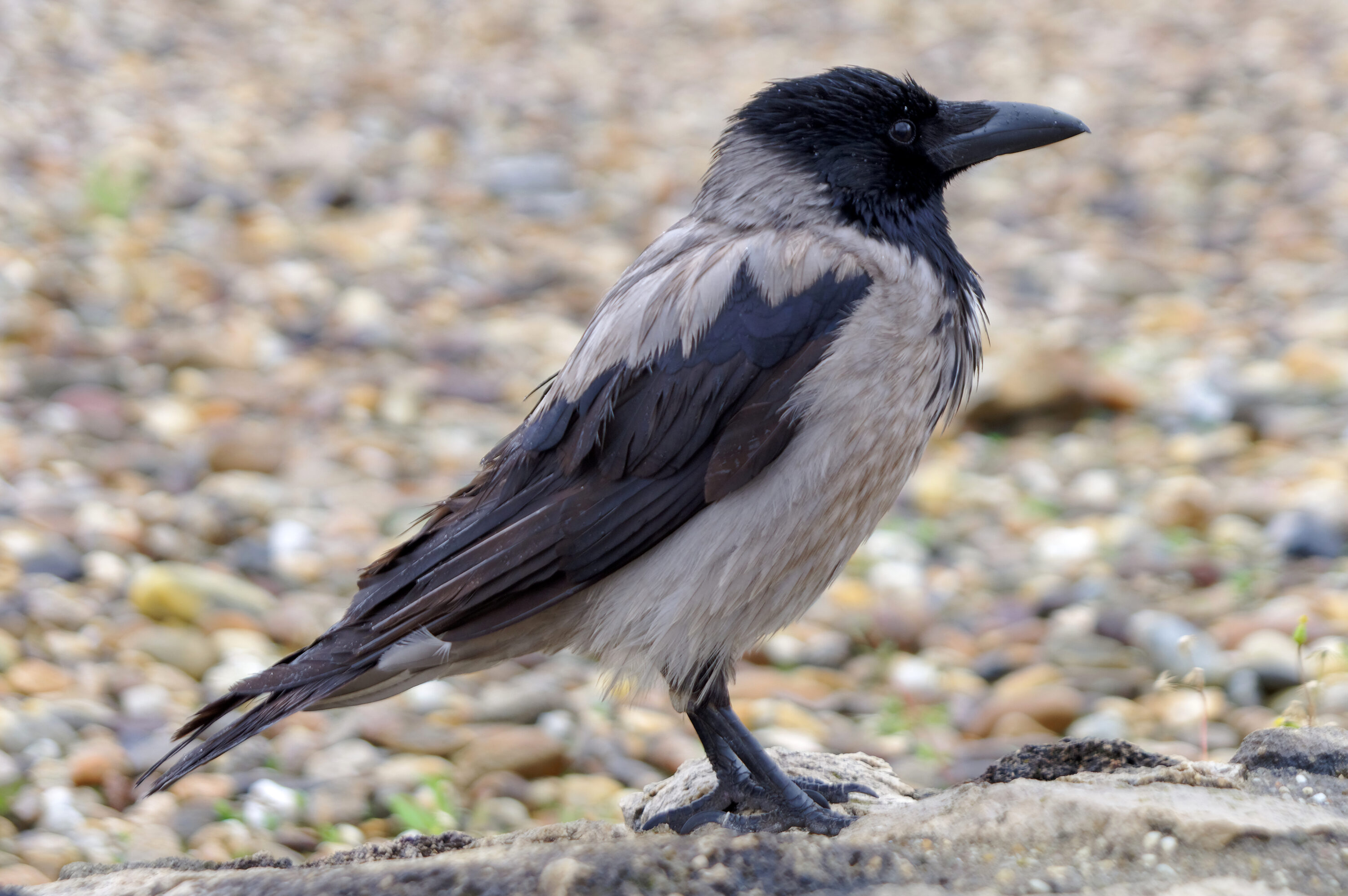
ESBL-Producing Bacteria Found in 61% of Sampled Urban Hooded Crows in Hungary
A Hungarian study found ESBL-producing bacteria in 61% of 212 urban hooded crows but only 7.7% of 52…
Read story →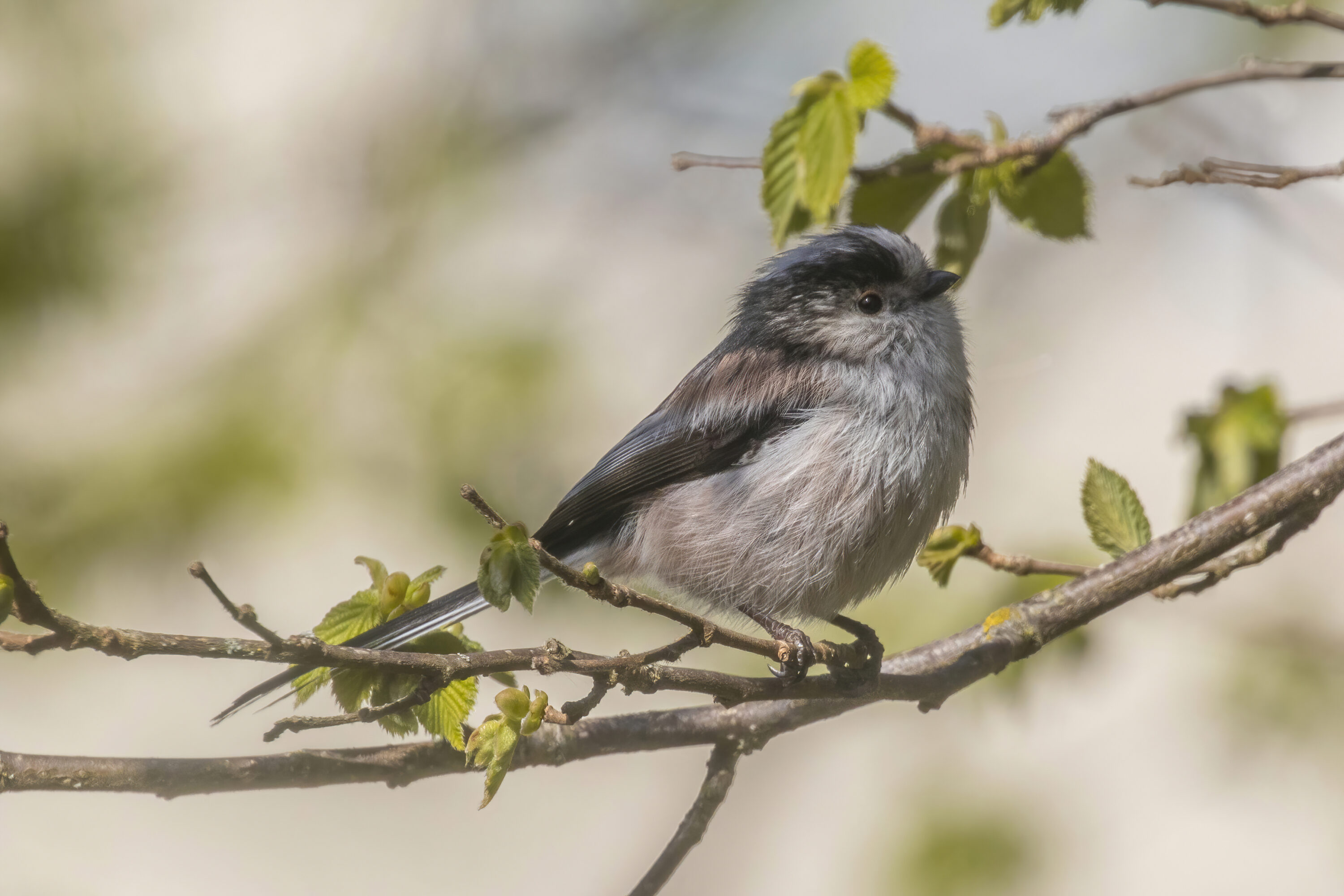
Long-tailed Tits and Common Firecrests Were Detected More Often Where More Time Had Passed Since Fire
Passive acoustic monitoring in northern Greece found long-tailed tits and common firecrests more likely to be detected in…
Read story →SPECIES IN THIS STORY
Species in this story
Independent research and conservation news archive
Did you find this information useful?
Wildlife Vagabond is independently built and maintained. Voluntary support helps cover source verification, hosting and continued work on research and conservation news.
Support Wildlife VagabondThe news archive will remain freely available.